Economy
BUA Cement refutes claims of increase in ex-factory price of cement

The Management of BUA Cement Plc on Sunday debunked claims of a purported increase in the price of its cement by N300 per bag.
The management, in a statement obtained from its verified Twitter handle, said the company had no plans to increase the prices of its cement now or in the near future.
According to the statement, the company, noting the increased demand for cement, stated that the solution was not an increase of ex-factory price at this period.
The company reiterated its stand that the timing was not right for any increase in the price of major commodities.
It stated that work was ongoing towards ramping up production capacity to ensure that commodities like cement remain accessible and affordable for our consumers.
“BUA Cement Plc, in the past two days, has been inundated with calls seeking clarification as to whether it is part of a purported price increase of N300 per bag.
“BUA Cement wishes to inform the public, its distributors, and stakeholders that it has not and does not intend to increase its price of cement now or in the near future, barring any material unforeseen circumstances.
“BUA Cement is very much aware of the fact that there is a huge difference in the ex-factory prices of cement and the retail market prices of cement, which is mostly because of retailers taking advantage of increased cement demand to make maximum profits.
“Whilst we are aware that demand for cement is high with current supply levels not sufficient to meet this increased demand, we do not believe the solution lies in an increase in ex-factory price of cement, especially not at this period.
“It is our strong conviction that any increase in prices of major commodities at a time like this is not right whilst Nigerians are still trying to recover from the economic consequences brought about by the COVID-19 pandemic.
“BUA Cement, therefore, wishes to restate that it is not a part of the purported increase in cement prices and we once again enjoin and appeal to our distributors, who have been advised to ensure there are no further arbitrary increases or excessive profit-taking in the retail price of cement,” the statement read.

Economy
FOU A seizes N3.95bn worth of Illicit drugs, mercury, hands over to NDLEA, NESREA
Funso OLOJO, Editor
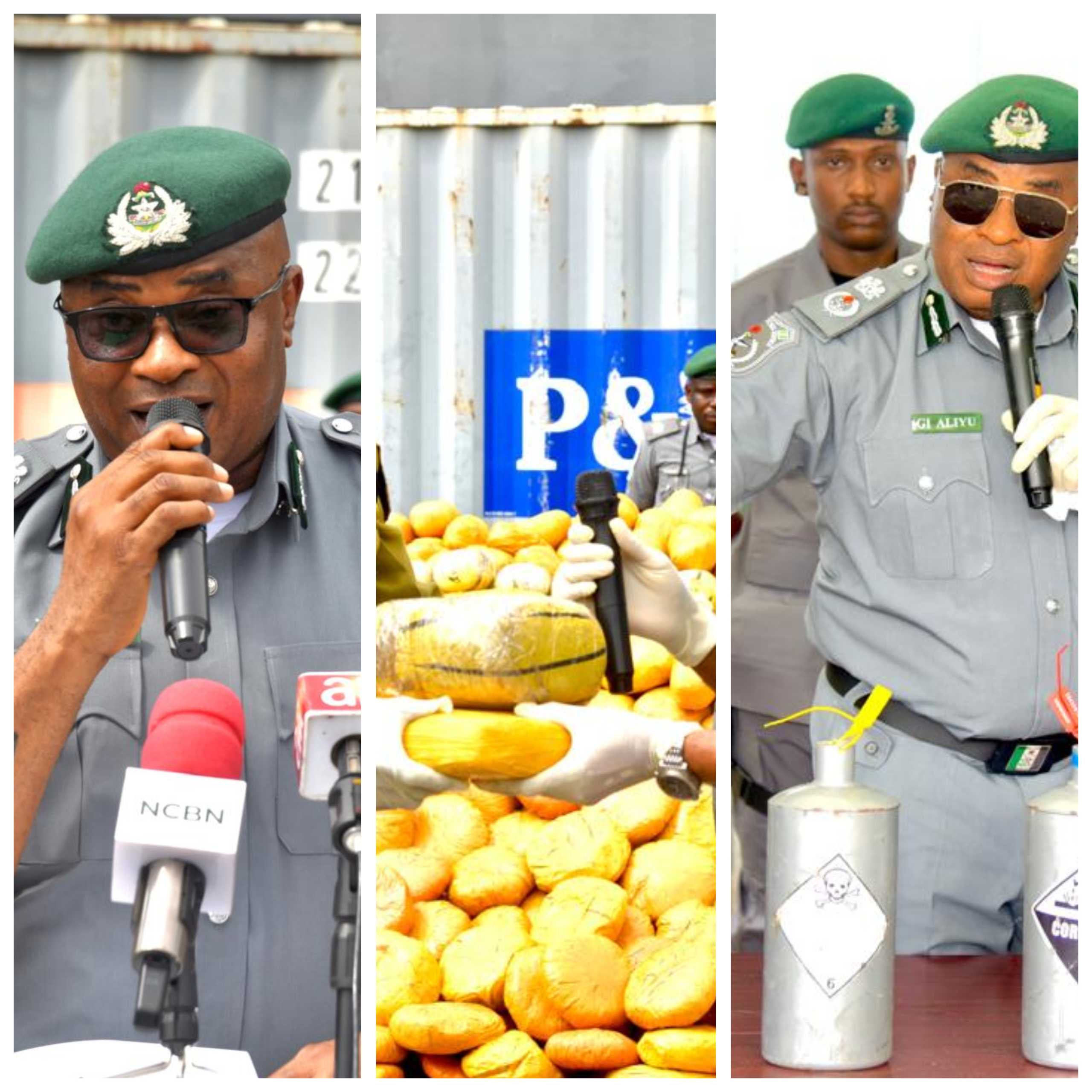
The Federal Operations Unit (FOU), Zone A of the Nigeria Customs Service (NCS), has intercepted illicit drugs and other prohibited substances with a combined duty-paid value of N3.951 billion along trans-border routes within its area of operations.
The seizures, which included thousands of parcels of cannabis, tramadol tablets, codeine syrup and crystal methamphetamine, were handed over to the National Drug Law Enforcement Agency (NDLEA) for further investigation and prosecution.
The Unit also seized four cylinders of high-grade mercury, weighing 34.5kg each, allegedly intended for use in illegal gold mining.
The mercury was subsequently handed over to the National Environmental Standards and Regulations Enforcement Agency (NESREA).
Addressing journalists at the Unit’s headquarters in Lagos on Thursday, September 3rd, 2026, the Controller of FOU Zone A, Comptroller Gambo Aliu, said the seizures were the outcome of intelligence-driven operations and sustained surveillance along the nation’s trans-border routes.
Among the narcotics seized were 5,669 parcels and 19 sacks of synthetic cannabis sativa weighing 3,116.9kg; three-and-a-half packs of ground cannabis (Skunk) weighing 3.45kg; two packs of granulated cannabis (Skunk) weighing 1kg; and 11 small packs of granulated cannabis weighing 0.35kg.
Others were 24 packets of Backwoods Russian Cream cigars weighing 0.5kg; 49 wraps of cannabis (Skunk) weighing 26.1kg; and one wrap of crystal methamphetamine weighing 0.35kg.
The Unit also intercepted 1,754 packs and 6,948 sachets of tramadol tablets in 225mg and 100mg variants, 1,200 Hypnox tablets of 1mg each, and 97 bottles of codeine syrup.
Comptroller Aliu said the latest enforcement operation was deliberately targeted at drug-trafficking syndicates operating within the Unit’s jurisdiction, stressing that the illicit movement of narcotics and other dangerous substances posed grave threats to public health, national security and the future of Nigerian youths.
He described the handover of the seized items to the relevant agencies as evidence of the growing operational synergy among government agencies in the fight against trans-border crime.
“Today’s event is a practical demonstration of the commitment of the Nigeria Customs Service to national security, public health, environmental safety and the economic well-being of Nigerians.
“It also reflects the importance of strategic partnership in the fight against smuggling and other forms of trans-border crime,” Aliu said.
According to him, the Customs Service would continue to strengthen the integrity of the nation’s supply chain while supporting the NDLEA in disrupting the movement of narcotics and other illicit goods across Nigeria’s borders.
“We are equally committed to providing relevant information and supporting further investigation whenever necessary,” he added.
Aliu explained that the formal transfer of the narcotics to the NDLEA would enable the agency to undertake the necessary forensic, investigative and prosecutorial processes in accordance with the law.
He added that the procedure would also ensure that the seized drugs were handled, stored and disposed of securely and professionally.
On the mercury seizure, the FOU Controller said its transfer to NESREA would enable the agency to take appropriate regulatory and environmental action, particularly given the use of mercury in illegal mining activities.
While assuring Nigerians that the crackdown on illicit traders and trans-border criminal networks would continue, Aliu said the Unit would simultaneously facilitate legitimate trade and sustain collaboration with sister agencies.
“I wish to commend the leadership and personnel of the NDLEA and NESREA for their cooperation and professionalism.
“I also appreciate the support of all sister security and regulatory agencies whose contributions continue to strengthen our collective efforts,” he said.
Aliu warned smugglers and criminal networks that the FOU Zone A would not relent in its enforcement responsibilities.
“Let me reiterate that the Federal Operations Unit will not relent in its responsibilities. We will continue to deploy intelligence-driven strategies, enhanced surveillance, effective patrols and robust enforcement operations to disrupt the activities of smugglers and criminal networks,” he declared.
Economy
Oyebamiji, ex- NIWA boss, promises economic boom for Osun residents as he targets Dagbolu Dry Port, Free Trade Zone to boost investment, jobs,SMEs
Funso Olojo Editor
The All Progressives Congress (APC) governorship candidate for Osun State, Asiwaju Munirudeen Bola Oyebamiji, has pledged to revive key economic assets, including the Dagbolu Dry Port, Osun Free Trade Zone, Ido-Osun Airport, Osun-Osogbo Grove and Oba Hills National Park, as part of a comprehensive strategy to reposition the state as a leading investment, industrial and tourism destination.
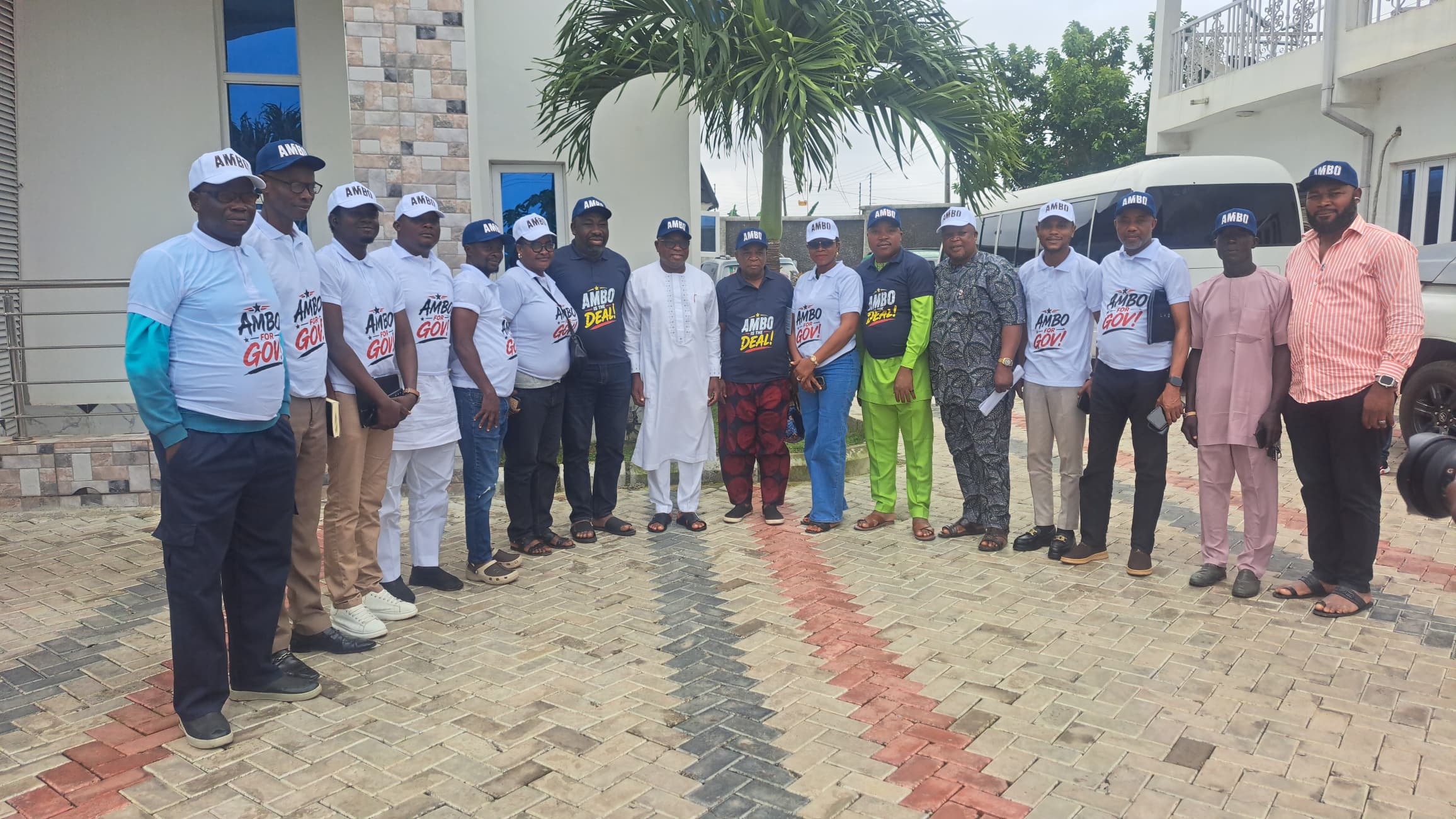
Oyebamiji, a former Managing Director of the National Inland Waterways Authority (NIWA), made the pledge on Saturday, August 1st, 2026 while receiving members of the Coalition of Maritime Journalists of Nigeria during a courtesy visit to his campaign office in Osogbo.
The visit was facilitated by the Waterfront Boat Owners and Transporters Association of Nigeria (WABOTAN) in recognition of Oyebamiji’s contributions to the development of Nigeria’s inland waterways sector during his tenure at NIWA.
Addressing the journalists, the APC standard-bearer in the August 15th governorship election in Osun state,unveiled his Osun Prosperity Agenda, themed “A Pact for Growth, Inclusion and Lasting Development,” describing it as a practical blueprint for accelerating economic transformation, promoting inclusive governance and delivering sustainable development across the state.
He said unlocking the economic potential of strategic assets such as the Dagbolu Dry Port, Osun Free Trade Zone, Osun-Osogbo Grove, Oba Hills National Park and the Ido-Osun Airport would stimulate commerce, expand tourism, attract domestic and foreign investments, strengthen entrepreneurship and create sustainable employment opportunities for the people of Osun.
According to him, reviving the Dagbolu Dry Port and the Osun Free Trade Zone would improve trade facilitation, enhance logistics services and position Osun as a competitive industrial and export hub within Nigeria.
“We will resuscitate strategic economic assets that have the capacity to transform Osun’s economy, stimulate private sector investment and create wealth for our people,” Oyebamiji said.
On poverty reduction and workers’ welfare, the APC candidate promised targeted social intervention programmes for vulnerable citizens while ensuring prompt payment of salaries, improved working conditions and the restoration of dignity within the public service.
He also pledged to tackle unemployment through public works programmes, enterprise support initiatives and strategic investments capable of generating sustainable jobs, particularly for young people.
To attract more investments, Oyebamiji said his administration would strengthen the Osun State Investment Promotion Agency, develop industrial parks with modern infrastructure, improve the ease of doing business and position Osun among Nigeria’s most attractive investment destinations.
He further assured micro, small and medium enterprises (MSMEs) of improved access to microcredit, grants and business development services, while expanding entrepreneurship and empowerment programmes for youths and women.
On education and healthcare, Oyebamiji promised to modernise educational infrastructure, recruit and train teachers, strengthen technical and vocational education, expand apprenticeship programmes and upgrade healthcare facilities across the state.
He added that strategic partnerships would be leveraged to advance universal health coverage and improve access to quality healthcare for all residents.
Reaffirming his commitment, Oyebamiji said the Prosperity Agenda represents a covenant with the people of Osun to deliver economic growth, social inclusion and lasting development through prudent leadership, strategic investments and private sector-driven development.
Speaking earlier, President of WABOTAN, Comrade Tope Fajemirokun, described Oyebamiji as a tested and result-oriented administrator whose achievements at NIWA demonstrated his capacity for effective governance.
Fajemirokun expressed confidence that, under Oyebamiji’s leadership, Osun State could emerge as a major player in Nigeria’s marine and blue economy by harnessing its tourism assets, including the Osun-Osogbo Grove and Erin-Ijesha Waterfalls, to drive maritime tourism, investment and economic growth.
Economy
News Alert! Tinubu sacks Wale Edun as Finance Minister in cabinet reshuffle, appoints Taiwo Oyedele as replacement
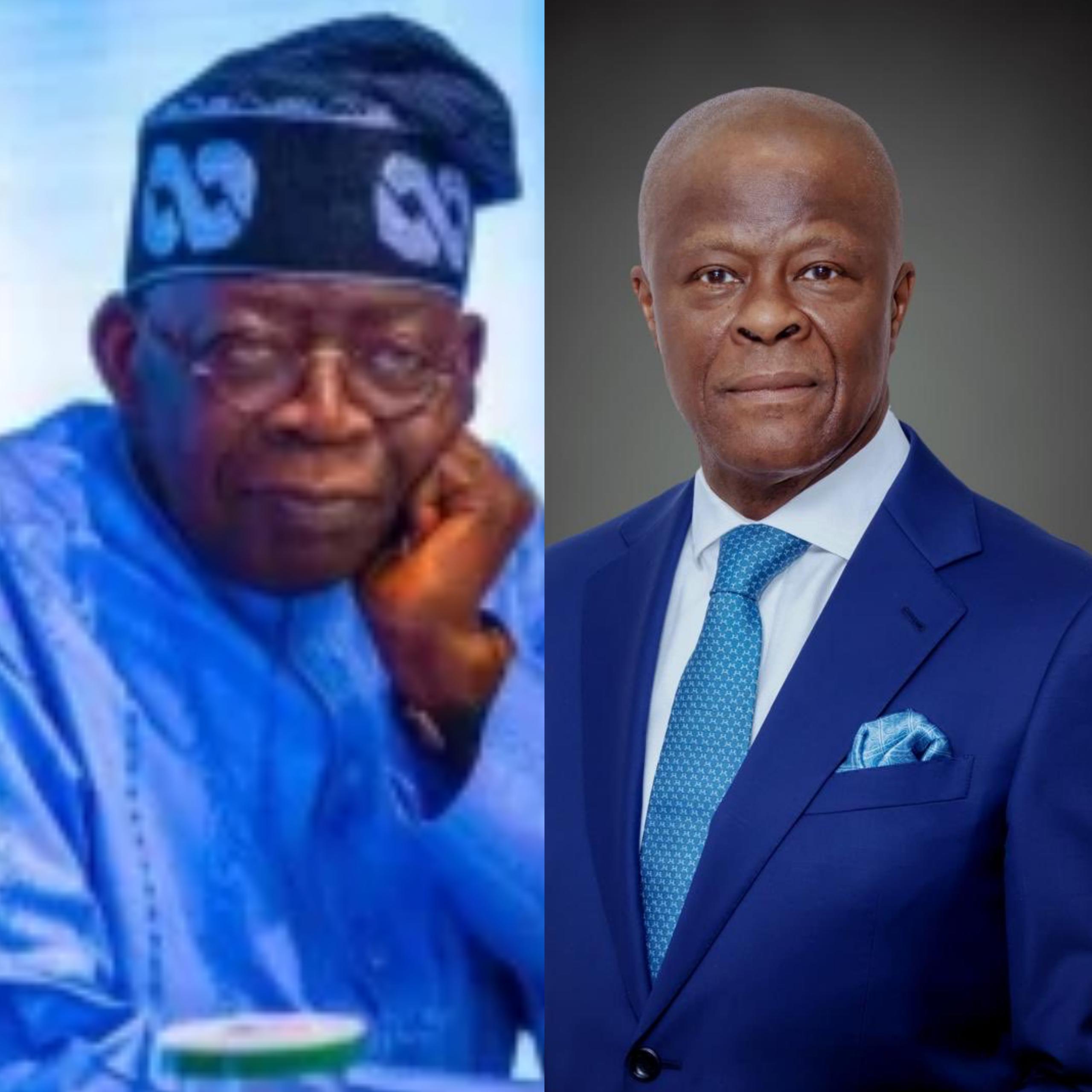
Secretary to the Government of the Federation, George Akume.According to the memo, Taiwo Oyedele has been appointed as the new Minister of Finance and Coordinating Minister of the Economy.
The memo directed the outgoing ministers to complete handover processes to their respective successors or supervising officials.It stated that all handing over and taking over activities must be concluded on or before the close of business on Thursday, 23rd April, 2026.
Explaining the decision, Akume said the changes were aimed at improving coordination and strengthening delivery across key sectors of the economy under the Renewed Hope Agenda.
“These changes are aimed at strengthening cohesion, synergy in governance as well as achieving more impactful delivery on the economy to Nigerians, through the Renewed Hope Agenda,” Akume stated.
He added that President Tinubu acted in line with his constitutional powers as provided under Sections 147 and 148 of the 1999 Constitution (as amended).
The SGF also conveyed the President’s appreciation to the outgoing ministers for their service to the nation and wished them well in their future endeavours, noting that the process of cabinet reinvigoration would remain continuous.
The statement further noted that Taiwo Oyedele was appointed as Minister of State for Finance in March 2026, while Edun was among the ministers appointed on August 16, 2023.

 Customs3 months ago
Customs releases final recruitment list for ASC II, ends nearly one-year wait for applicants
- Headlines3 months ago
As NRC recovers ₦200m stolen railway assets, Opeifa vows diligent prosecution of suspects
- Customs3 months ago
Customs launches MIS file tracker at PTML in fresh digitalisation drive
- Customs2 months ago
Apapa Customs sets new record of monthly revenue haul with ₦323bn collection in July
- Customs2 months ago
Apapa Customs sets new single-day revenue record with ₦28.1bn collection
- Headlines1 month ago
Oyetola presents three-year score card as blue economy industry revenue hits ₦1.83trn