
Customs
Adeniyi seeks Senate support to enhance Customs’ automation process



Customs
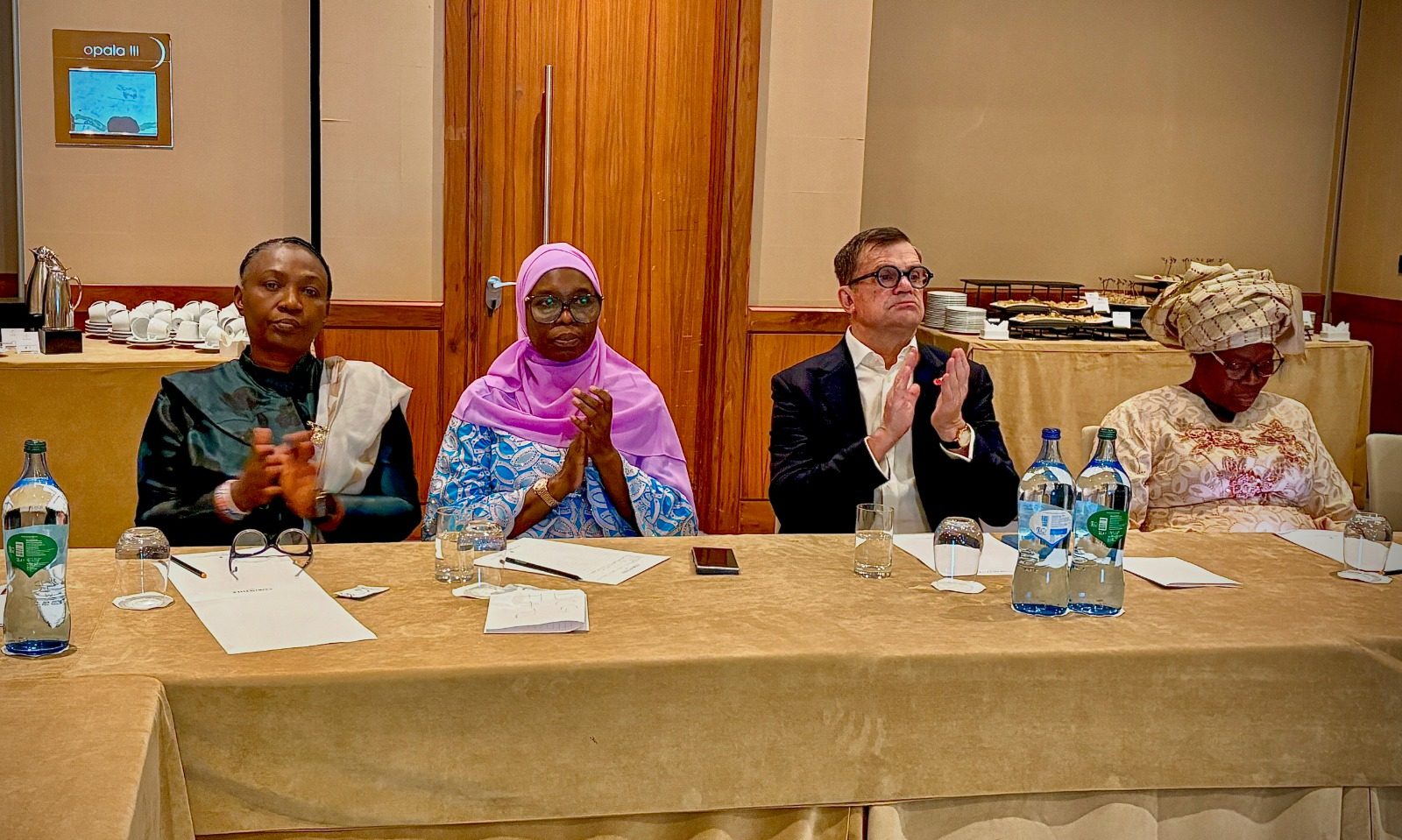
Customs reviews B’Odogwu system in Lisbon, targets faster cargo clearance, higher revenue
Customs
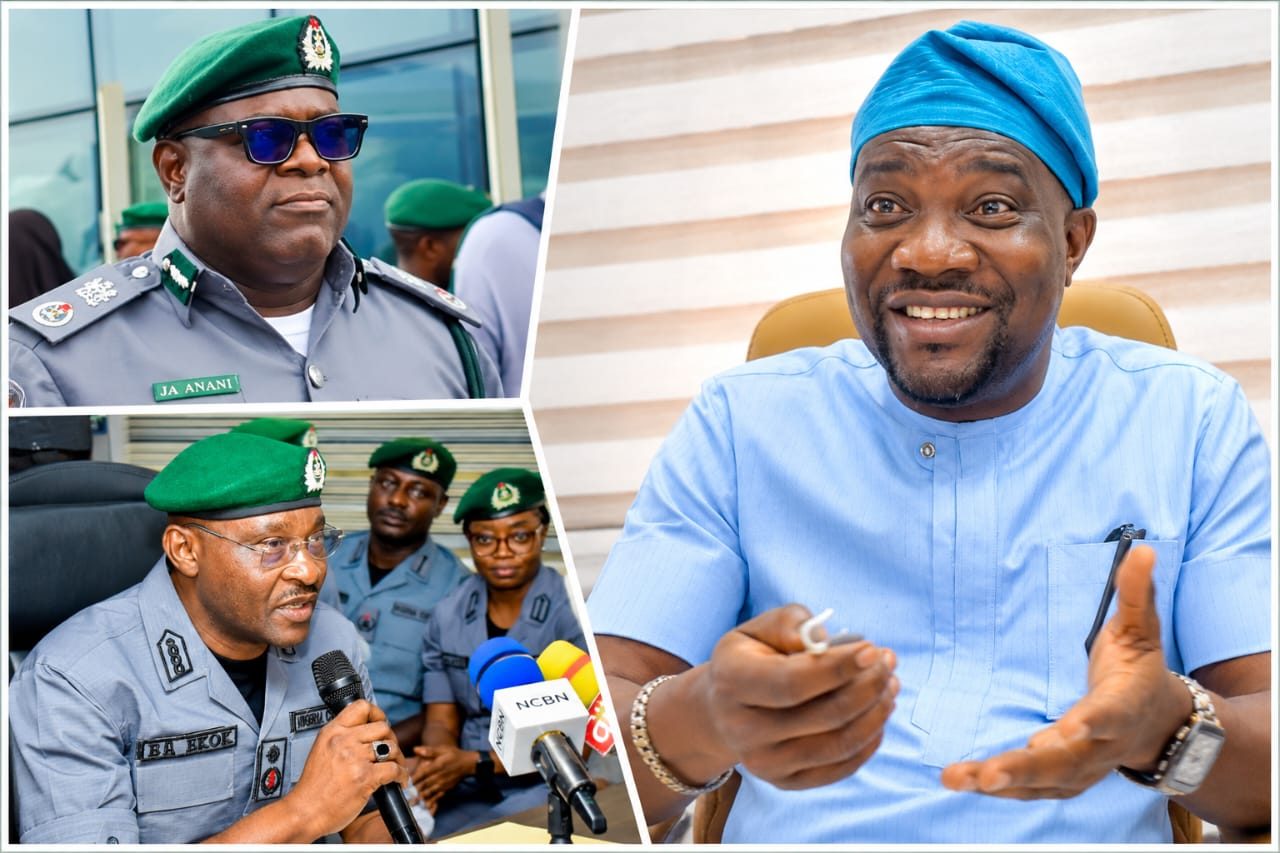
Cole congratulates Anani on promotion, welcomes Ekok as new Tin Can Customs Controller
Gloria Odion, Maritme Reporter
The Chairman of the Tin Can Island Chapter of the Association of Nigeria Licensed Customs Agents (ANLCA), Prince Olawale Cole, has congratulated the immediate past Customs Area Controller of Tin Can Island Port Command, Assistant Comptroller-General (ACG) Joseph Anani, on his promotion to the rank of Assistant Comptroller-General, while welcoming Deputy Comptroller Emmanuel Agbor Ekok as the new Acting Customs Area Controller of the command.
Cole described Anani’s elevation as a well-deserved recognition of his dedication, professionalism and contributions to the Nigeria Customs Service (NCS), noting that his tenure at Tin Can Island was characterised by cordial stakeholder relations and constructive engagement with port operators.
In a congratulatory message, the ANLCA chairman commended the newly promoted ACG for his accessible leadership style, openness to dialogue and willingness to engage licensed customs agents on issues affecting port operations and trade facilitation.
He said Anani’s commitment to stakeholder collaboration helped foster mutual understanding and cooperation between Customs officers and licensed customs agents, creating an enabling atmosphere for addressing operational challenges at the port.
Cole expressed confidence that Anani’s wealth of experience and professional expertise would continue to benefit the Nigeria Customs Service and the wider maritime industry in his new capacity.
He wished the former Tin Can Customs Controller success in his elevated position, describing his promotion as a source of pride to stakeholders who had worked with him during his tenure at the command.
The ANLCA chairman also congratulated Deputy Comptroller Emmanuel Agbor Ekok on his assumption of office as Acting Customs Area Controller of Tin Can Island Port Command, expressing optimism that his administration would consolidate existing stakeholder relationships and further improve operational efficiency.
Cole assured the new Acting Controller of the chapter’s readiness to sustain a productive working relationship with the command, particularly in advancing efficient port operations, facilitating legitimate trade and addressing challenges confronting customs agents and other port stakeholders.
He emphasised that effective collaboration between the Nigeria Customs Service and licensed customs agents remained essential to achieving faster cargo clearance, improving revenue generation and creating a more business-friendly port environment.
Cole urged Ekok to sustain regular consultations with stakeholders and maintain an open-door policy, especially in resolving operational concerns relating to cargo examination, customs valuation, documentation and clearance procedures.
He expressed the hope that the new Acting Controller would build on the achievements of his predecessor while introducing initiatives to strengthen stakeholder confidence, promote transparency and improve service delivery.
Cole reaffirmed the Tin Can Island Chapter of ANLCA’s commitment to supporting policies and initiatives that promote professionalism, trade facilitation, efficient port operations and the overall development of Nigeria’s maritime sector.
Customs
Seme Customs intercepts live olive ridley sea turtle, reaffirms commitment to combating wildlife trafficking
Gloria Odion, Maritme Reporter
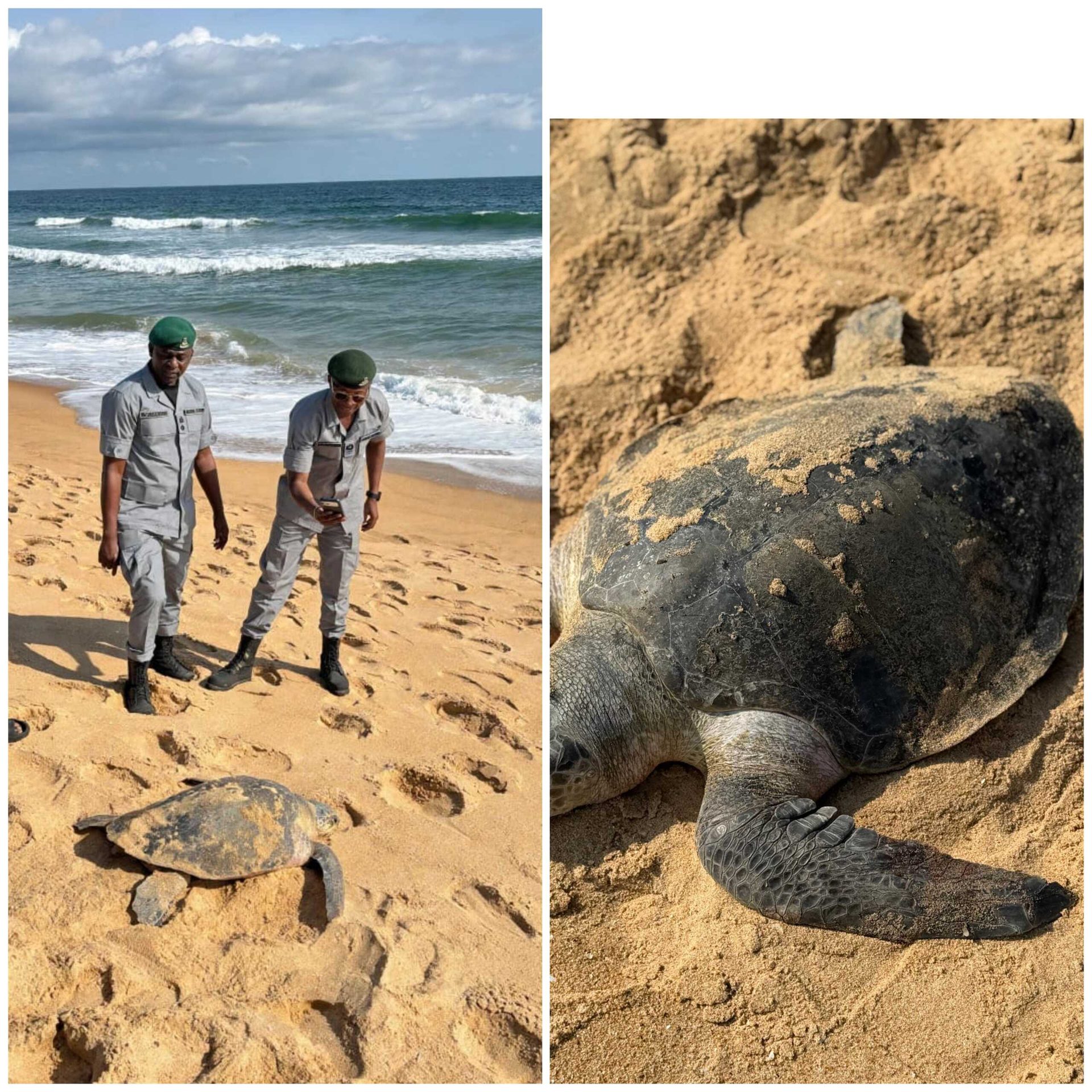
The Nigeria Customs Service (NCS), Seme Area Command, has recorded another significant achievement in its ongoing efforts to combat smuggling and protect endangered wildlife following the interception of a live Olive Ridley Sea Turtle along the Nigeria-Benin border.
The interception was made on Thursday, November 12, 2026, at about 10:30 p.m., during a routine patrol by officers along a footpath linking Nigeria and the Republic of Benin.
According to the Command, officers on patrol sighted a suspicious individual carrying a sack.
On noticing the approaching officers, the individual abandoned the sack and fled into a nearby bush, escaping arrest despite efforts by the patrol team to apprehend him.
A search of the abandoned sack led to the discovery of a live Pacific Ridley Sea Turtle, also known as the Olive Ridley Sea Turtle (Lepidochelys olivacea), concealed inside.
The animal was immediately rescued and placed in safe custody before being handed over to the appropriate wildlife authorities for professional care, rehabilitation and eventual release into its natural habitat in accordance with established conservation procedures.
Wildlife trafficking remains a major form of transnational organised crime, posing serious threats to biodiversity, ecological balance and environmental sustainability.
Sea turtles, particularly the Olive Ridley species, face increasing threats from illegal exploitation and trafficking for their meat, eggs, shells, traditional medicine and the exotic pet trade.
Such activities continue to undermine conservation efforts and threaten the survival of vulnerable wildlife species.
The Nigeria Customs Service recognises wildlife trafficking as a serious environmental offence and remains committed to supporting national and international efforts aimed at protecting endangered species and preserving the country’s natural heritage.
Nigeria is a signatory to the Convention on International Trade in Endangered Species of Wild Fauna and Flora (CITES), adopted in 1973 to ensure that international trade in wild animals and plants does not threaten their survival.
The country domesticated the Convention through the Endangered Species (Control of International Trade and Traffic) Act, Cap E9, Laws of the Federation of Nigeria, 2004, which prohibits unauthorised hunting, capture, possession, trade, importation and exportation of protected species.
Similarly, the Nigeria Customs Service Act, 2023, empowers the Service to enforce relevant laws and regulations governing international trade, including measures against smuggling and the illicit movement of endangered wildlife across the nation’s borders.
Speaking on the interception, the Acting Customs Area Controller, Seme Area Command, Deputy Comptroller of Customs Norman Olisah Alumanah, reaffirmed the Command’s determination to tackle wildlife trafficking and other forms of illegal cross-border activities.
He described the successful interception as a reflection of the vigilance, discipline and professionalism of officers, stressing that the Service would not allow Nigeria’s borders to become safe corridors for the illegal exploitation and trafficking of protected wildlife.
Alumanah expressed appreciation to the Comptroller-General of Customs, Bashir Adewale Adeniyi, PhD, MFR, DSM, fnipr, fniia, psc+, and the Management of the Service for providing the Command with improved logistics and operational equipment to strengthen its enforcement capacity.
He also called on residents of border communities and other stakeholders to support the Service with credible and timely information, emphasising that the fight against wildlife trafficking requires collective commitment and cooperation.
The Acting Controller warned smugglers, poachers and their collaborators to desist from activities capable of endangering wildlife and violating conservation laws.
He further disclosed that the Command had intensified patrols, surveillance and intelligence-gathering operations across its area of responsibility to prevent the illegal movement of prohibited goods and protected species.
He added that the Command would complement its enforcement activities with increased stakeholder engagement, public education and sensitisation on the importance of endangered species, their role in maintaining ecological balance and the legal consequences of their unauthorised exploitation and trade.
The Nigeria Customs Service, Seme Area Command, reiterated its commitment to its statutory responsibilities of revenue generation, suppression of smuggling, trade facilitation and border security, while strengthening its contribution to environmental protection and the preservation of Nigeria’s biodiversity for present and future generations.

 Headlines3 months ago
Oyetola presents three-year score card as blue economy industry revenue hits ₦1.83trn

 Customs2 months ago
FOU Zone ‘A’: Aliyu retires after ₦3.19bn revenue recovery, Afeni takes over

 Customs3 weeks ago
FOU Zone A: Afeni intensifies anti-smuggling operations, seizes N511.4m drugs, rescues eight pangolins

 Customs2 months ago
Nigeria, Benin Customs move to harmonise trans-border trade, establish joint border post at Seme-Krake

 Headlines3 weeks ago
Tension heightens at Osborne Foreshore Estate over alleged environmental breach by property developer

 Commentaries4 weeks ago
Beyond Shiny Tech: Why Africa’s smart ports must build plumbing before AI