Economy
Nigeria’s Oil exports face threat as US- Israel attack on Iran escalates, Strait of Hormuz blockade imminent

It links the Arabian/Persian Gulf, or just the Gulf, with the Gulf of Oman and the Arabian Sea beyond.
It is 33km (21 miles) wide at its narrowest point, with the shipping lane just 3km (2 miles) wide in either direction, making it vulnerable to attack.
Despite its narrow width, the channel accommodates the world’s largest crude carriers.
According to the US Energy Information Administration (EIA), about 20 million barrels of oil, worth about $500bn in annual global energy trade, transited through the Strait of Hormuz each day in 2024.The crude oil passing through the strait originates from Iran, Iraq, Kuwait, Qatar, Saudi Arabia and the UAE.
The strait also plays a critical role in the liquefied natural gas (LNG) trade.
On Saturday, February 28th, 2026, an official from the European Union told the Reuters news agency that vessels crossing the strait have been receiving very high frequency (VHF) transmissions from Iran’s elite Islamic Revolutionary Guard Corps (IRGC), saying “no ship is allowed to pass the Strait of Hormuz”.However, the EU official added, Iran has not officially closed the strait.
“Our ships will stay put for several days,” a top executive at a major trading desk told Reuters on condition of anonymity. Countries like Greece have also advised their vessels to avoid transiting through the waterway.
Any instability in this important maritime route could rattle economic stability worldwide.
The strait handles both oil and gas exports and imports.
Kuwait and the UAE import supplies sourced outside the Gulf, including shipments from the United States and West Africa.
The EIA estimated that in 2024, 84 percent of crude oil and condensate shipments transiting the strait headed to Asian markets.
A similar pattern appears in the gas trade, with 83 percent of LNG volumes moving through the Strait of Hormuz destined for Asian destinations.
China, India, Japan and South Korea accounted for a combined 69 percent intake of all crude oil and condensate flows through the strait last year. Their factories, transport networks and power grids depend on uninterrupted Gulf energy.
A spike in oil prices will impact countries such as China, India and several Southeast Asian nations.
How would the Strait’s closure impact oil prices?
According to Iranian state media, the country’s Supreme National Security Council must make the final decision to close the strait, and it has to be ratified by the government.But energy traders have been on high alert in recent weeks amid escalating tensions in the region – home to one of the largest reserves of oil and gas in the world.
Muyu Xu, senior crude oil analyst at Kpler, told reporters that since the war began on Saturday, there has been a sharp drop in vessel traffic through the strait.
“At the same time, the number of vessels idling on either side – in the Gulf of Oman and the Gulf – has surged, as shipowners grow increasingly concerned about maritime security risks following Tehran’s warning of a potential navigation closure,” he said.
“The Strait of Hormuz is critical to the global energy market, as roughly 30 percent of the world’s seaborne crude oil transits the waterway.
” In addition, nearly 20 percent of global jet fuel and about 16 percent of gasoline and naphtha flows also pass through the Strait,” Muyu said.
“On Sunday, March 1st, 2026, an oil tanker was struck off the coast of Oman, signalling a clear escalation of the conflict and a shift in targets from purely military facilities to energy assets.”
Shipping data showed that at least 150 tankers, including crude oil and liquefied natural gas vessels, have dropped anchor in open Gulf waters beyond the Strait of Hormuz.
The tankers were clustered in open waters off the coasts of major Gulf oil producers, including Iraq and Saudi Arabia, as well as LNG giant Qatar, according to the Reuters news agency estimates based on ship-tracking data from the MarineTraffic platform.
Moreover, on Sunday, March 1st, 2026,the United Kingdom Maritime Trade Operations (UKMTO) said it is aware of “significant military activity” in the Strait and said it has received a report of an incident two nautical miles north of Oman’s Kumzar, located in the Strait of Hormuz.
Muyu from Kpler said a broad range of energy infrastructure is now under threat. “This is expected to sharply intensify the oil price rally and could keep prices elevated for a sustained period, potentially longer than during last June’s conflict.”
Ali Vaez, director of the Iran project at the International Crisis Group, told Al Jazeera, “Closure of the Strait of Hormuz would disrupt roughly a fifth of globally traded oil overnight – and prices wouldn’t just spike, they would gap violently upward on fear alone.”
“The shock would reverberate far beyond energy markets, tightening financial conditions, fuelling inflation, and pushing fragile economies closer to recession in a matter of weeks,” he added.
When the US and Israel bombed Iran last June, there was no direct disruption to maritime activity in the region.
What does it mean for the global economy?
Any disruption to energy flows through Hormuz will also impact the global economy, driving up fuel and factory costs.Hamad Hussain, a climate and commodities economist at the United Kingdom-based firm Capital Economics, said that for the global economy, a sustained rise in oil prices would add upward pressure to inflation.
“If crude oil prices were to rise to $100 per barrel and remain at those levels for a while, that could add 0.6-0.7 percent to global inflation,” he said, noting that this would also lead to an increase in natural gas prices.
“This could slow the pace of monetary easing by major central banks, particularly in emerging markets, where policymakers tend to be more sensitive to swings in commodity prices,” he added.






Economy
NSW onboards over 12,000 users, processes 156,026 trade permits in six months as Phase 2 commmences

Funso OLOJO, Editor
The National Single Window (NSW) platform has processed 156,026 trade-related licences, permits and certificates since its launch on March 27, 2026, marking a significant milestone in Nigeria’s drive to digitise trade procedures and streamline cross-border cargo movement.
The platform has also attracted more than 12,000 importers, customs agents, shipping lines, airlines and freight forwarders, while recording an impressive 99.98 per cent uptime since the commencement of operations.
These figures were disclosed by the NSW project team led by Tola Fakolade during a stakeholder engagement with members of the press in Abuja on Tuesday October 13th, 2026 where it provided updates on the implementation of Phase 1 and preparations for the rollout of Phase 2.
The initiative is designed to establish a centralised digital platform through which traders can access trade-related regulatory services, reducing administrative bottlenecks, improving transparency and enhancing the efficiency of import and export procedures.
According to the project team, five government agencies have been fully onboarded on the platform, while more than 8,000 users have received training since operations commenced.
A breakdown of the licences and permits processed showed that the Standards Organisation of Nigeria (SON) accounted for 104,956 transactions, while the National Agency for Food and Drug Administration and Control (NAFDAC) processed 50,622.
The platform has also recorded significant progress in cargo manifest transmission, processing 3,964 air and sea cargo manifests since its launch.
Of this figure, 3,596 were air cargo manifests transmitted by 27 airlines, while 368 were sea cargo manifests transmitted by 56 shipping lines.
The team disclosed that all airlines and air cargo companies had been onboarded for the platform’s operations.
For sea cargo, however, 56 of the 88 shipping lines had so far been onboarded for manifest transmission.
The reported 99.98 per cent platform uptime, the team said, reflected the system’s operational stability and the growing adoption of the digital trade facilitation initiative.
Regulatory Processes Go Digital.
The project team further disclosed that the submission, processing and approval of import licences, permits and certificates for four key regulatory agencies had been fully implemented on the platform.
The agencies are NAFDAC, SON, the Nigeria Agricultural Quarantine Service (NAQS) and the National Environmental Standards and Regulations Enforcement Agency (NESREA).
Payments associated with the relevant import licences, permits and certificates are also being processed through the platform, further integrating regulatory approvals and payment procedures into a single digital environment.
The development is expected to simplify interactions between traders and regulatory agencies by reducing the need to navigate multiple administrative channels for trade documentation.
On the harmonisation of Harmonised System (HS) Codes, the team said rationalisation workshops had been conducted with relevant regulatory agencies, including the Nigeria Customs Service (NCS).
The harmonised codes are expected to be updated on both the NSW platform and the Customs Service’s B’Odogwu system by November 2026.
The harmonisation exercise is intended to promote consistency in the classification of goods, improve coordination between trade-related government agencies and minimise discrepancies in the processing of import and export transactions.
Meanwhile, the onboarding of the Nigerian Ports Authority (NPA) and the Nigerian Maritime Administration and Safety Agency (NIMASA) for Ships Entry Notice (SEN) submission is ongoing.
The service is scheduled to go live on November 16, 2026, marking another step towards integrating maritime regulatory processes into the national digital trade facilitation framework.
Phase 2 Targets Export Processes, Wider Agency Integration
Beyond the progress recorded under Phase 1, the NSW project team confirmed that implementation of Phase 2 had commenced, with delivery scheduled in stages between the fourth quarter of 2026 and the first quarter of 2027.
The second phase is expected to expand the platform’s scope beyond existing import-related processes to cover critical export documentation, additional regulatory approvals and a broader range of trade transactions.
Key components include export-related licences, permits and certificates; Forms NXP and NCX; export cargo manifests; Import Duty Exemption Certificates (IDEC); import and export permits for Free Trade Zones; and payments for export licences, permits and certificates.
The planned expansion is expected to deepen the digitalisation of Nigeria’s trade processes by bringing additional agencies and documentation requirements into a coordinated electronic system.
Under the rollout schedule, the first batch of agencies and services is expected to go live in the fourth quarter of 2026.
The batch comprises the Nigerian Export Promotion Council (NEPC); the Federal Produce Inspection Service (FPIS) and Registered Exporter System (REX) under the Federal Ministry of Industry, Trade and Investment; SON; NAFDAC; and the Nigerian Association of Chambers of Commerce, Industry, Mines and Agriculture (NACCIMA).
The second batch, scheduled for implementation in the first quarter of 2027, will involve the Central Bank of Nigeria (CBN), Nigeria Customs Service, NAQS, Federal Ministry of Livestock Development, Federal Ministry of Marine and Blue Economy, Nigeria Export Processing Zones Authority (NEPZA) and Federal Ministry of Finance.
The inclusion of these institutions is expected to extend the platform’s reach across key areas of export promotion, customs administration, agricultural inspection, financial regulation, marine and blue economy-related trade, and the management of export processing zones.
Testing and Training Ahead of Full Deployment
The project team said preparations for Phase 2 had progressed through several implementation stages, including current-state assessment, technology readiness assessment, future-state design and system customisation.
The remaining implementation activities include user acceptance testing, pilot testing and end-user training ahead of the scheduled go-live dates.
These processes are intended to ensure that the platform’s new functionalities meet operational requirements and that participating agencies and users are adequately prepared before deployment.
The phased implementation approach is expected to allow the project team to address technical and operational issues progressively while expanding the range of services available to stakeholders.
Phase 3 Projected for Late 2027
Looking beyond Phase 2, the team disclosed that Phase 3 of the NSW rollout was projected for implementation between the third and fourth quarters of 2027.
The third phase is expected to introduce additional trade and customs functionalities, including Customs Declaration submission, Form M application and approval, oil and gas-related processes, Advanced Risk Analytics and a Trade Visualisation System.
These proposed features are expected to broaden the platform’s operational coverage and strengthen the digital infrastructure supporting trade documentation, customs processes, risk assessment and trade data analysis.
The planned introduction of Advanced Risk Analytics and the Trade Visualisation System also points to a wider ambition to improve the use of data in trade monitoring and regulatory decision-making.
The stakeholder engagement in Abuja provided an opportunity for journalists to examine the project’s progress, obtain updates on implementation timelines and engage members of the project team on the platform’s operational performance and future expansion.
The NSW team encouraged stakeholders to continue using the platform and provided help desk contacts for users requiring technical support and assistance.
With Phase 1 recording substantial transaction volumes and preparations for the next stages underway, the project’s success will increasingly depend on the effective integration of participating agencies, the smooth onboarding of remaining stakeholders and the reliable delivery of planned digital services.
Economy
FOU A seizes N3.95bn worth of Illicit drugs, mercury, hands over to NDLEA, NESREA
Funso OLOJO, Editor
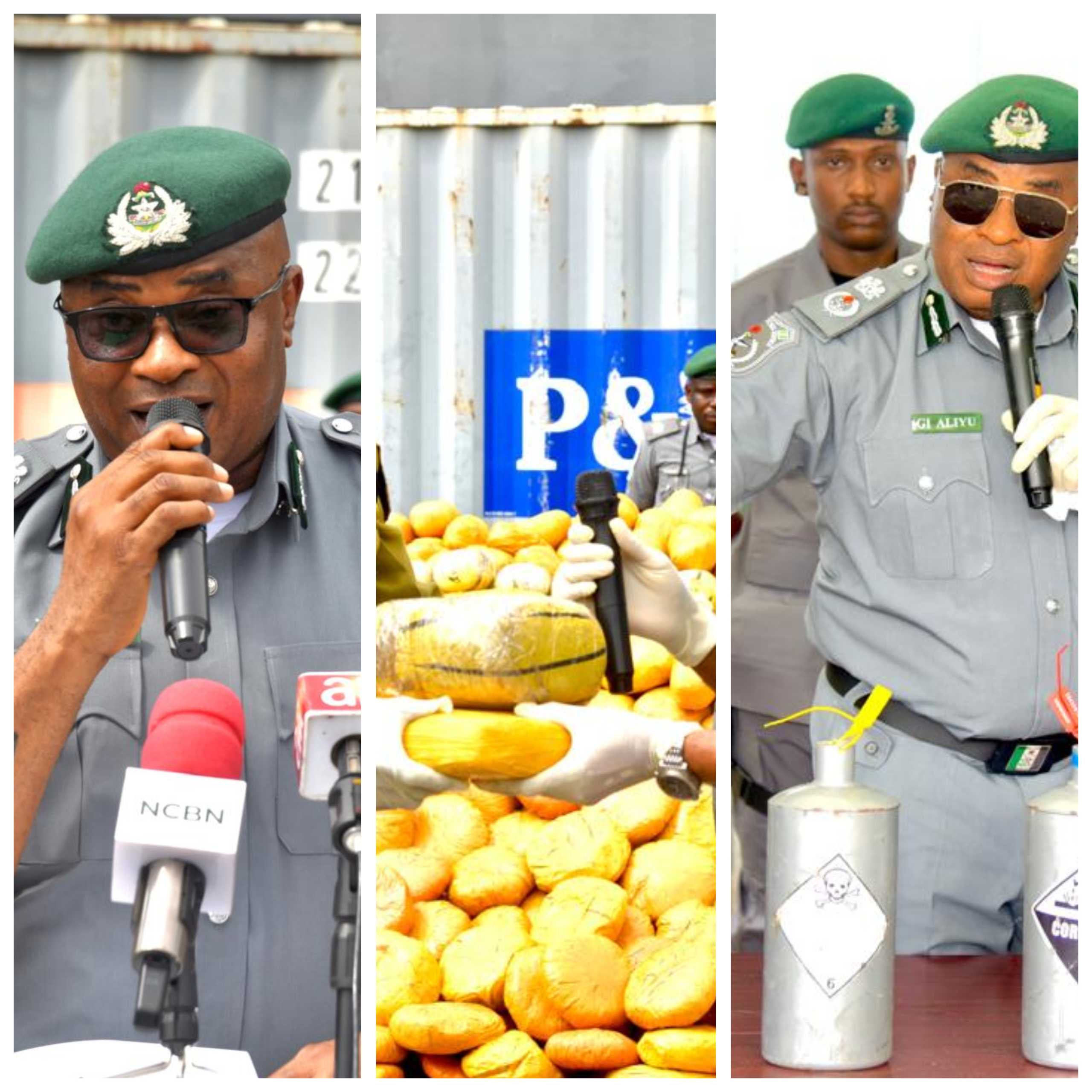
The Federal Operations Unit (FOU), Zone A of the Nigeria Customs Service (NCS), has intercepted illicit drugs and other prohibited substances with a combined duty-paid value of N3.951 billion along trans-border routes within its area of operations.
The seizures, which included thousands of parcels of cannabis, tramadol tablets, codeine syrup and crystal methamphetamine, were handed over to the National Drug Law Enforcement Agency (NDLEA) for further investigation and prosecution.
The Unit also seized four cylinders of high-grade mercury, weighing 34.5kg each, allegedly intended for use in illegal gold mining.
The mercury was subsequently handed over to the National Environmental Standards and Regulations Enforcement Agency (NESREA).
Addressing journalists at the Unit’s headquarters in Lagos on Thursday, September 3rd, 2026, the Controller of FOU Zone A, Comptroller Gambo Aliu, said the seizures were the outcome of intelligence-driven operations and sustained surveillance along the nation’s trans-border routes.
Among the narcotics seized were 5,669 parcels and 19 sacks of synthetic cannabis sativa weighing 3,116.9kg; three-and-a-half packs of ground cannabis (Skunk) weighing 3.45kg; two packs of granulated cannabis (Skunk) weighing 1kg; and 11 small packs of granulated cannabis weighing 0.35kg.
Others were 24 packets of Backwoods Russian Cream cigars weighing 0.5kg; 49 wraps of cannabis (Skunk) weighing 26.1kg; and one wrap of crystal methamphetamine weighing 0.35kg.
The Unit also intercepted 1,754 packs and 6,948 sachets of tramadol tablets in 225mg and 100mg variants, 1,200 Hypnox tablets of 1mg each, and 97 bottles of codeine syrup.
Comptroller Aliu said the latest enforcement operation was deliberately targeted at drug-trafficking syndicates operating within the Unit’s jurisdiction, stressing that the illicit movement of narcotics and other dangerous substances posed grave threats to public health, national security and the future of Nigerian youths.
He described the handover of the seized items to the relevant agencies as evidence of the growing operational synergy among government agencies in the fight against trans-border crime.
“Today’s event is a practical demonstration of the commitment of the Nigeria Customs Service to national security, public health, environmental safety and the economic well-being of Nigerians.
“It also reflects the importance of strategic partnership in the fight against smuggling and other forms of trans-border crime,” Aliu said.
According to him, the Customs Service would continue to strengthen the integrity of the nation’s supply chain while supporting the NDLEA in disrupting the movement of narcotics and other illicit goods across Nigeria’s borders.
“We are equally committed to providing relevant information and supporting further investigation whenever necessary,” he added.
Aliu explained that the formal transfer of the narcotics to the NDLEA would enable the agency to undertake the necessary forensic, investigative and prosecutorial processes in accordance with the law.
He added that the procedure would also ensure that the seized drugs were handled, stored and disposed of securely and professionally.
On the mercury seizure, the FOU Controller said its transfer to NESREA would enable the agency to take appropriate regulatory and environmental action, particularly given the use of mercury in illegal mining activities.
While assuring Nigerians that the crackdown on illicit traders and trans-border criminal networks would continue, Aliu said the Unit would simultaneously facilitate legitimate trade and sustain collaboration with sister agencies.
“I wish to commend the leadership and personnel of the NDLEA and NESREA for their cooperation and professionalism.
“I also appreciate the support of all sister security and regulatory agencies whose contributions continue to strengthen our collective efforts,” he said.
Aliu warned smugglers and criminal networks that the FOU Zone A would not relent in its enforcement responsibilities.
“Let me reiterate that the Federal Operations Unit will not relent in its responsibilities. We will continue to deploy intelligence-driven strategies, enhanced surveillance, effective patrols and robust enforcement operations to disrupt the activities of smugglers and criminal networks,” he declared.
Economy
Oyebamiji, ex- NIWA boss, promises economic boom for Osun residents as he targets Dagbolu Dry Port, Free Trade Zone to boost investment, jobs,SMEs
Funso Olojo Editor
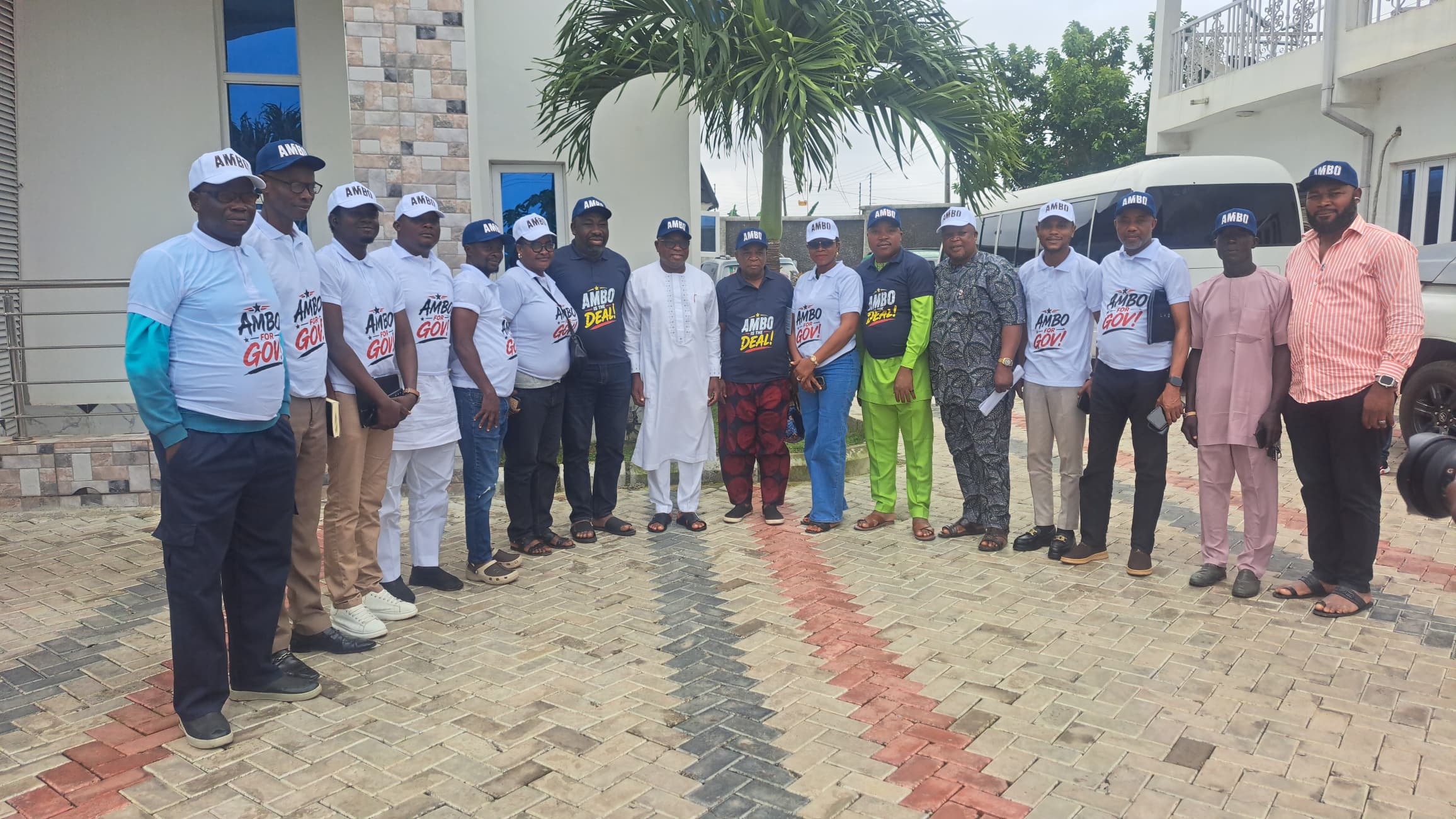
The All Progressives Congress (APC) governorship candidate for Osun State, Asiwaju Munirudeen Bola Oyebamiji, has pledged to revive key economic assets, including the Dagbolu Dry Port, Osun Free Trade Zone, Ido-Osun Airport, Osun-Osogbo Grove and Oba Hills National Park, as part of a comprehensive strategy to reposition the state as a leading investment, industrial and tourism destination.
Oyebamiji, a former Managing Director of the National Inland Waterways Authority (NIWA), made the pledge on Saturday, August 1st, 2026 while receiving members of the Coalition of Maritime Journalists of Nigeria during a courtesy visit to his campaign office in Osogbo.
The visit was facilitated by the Waterfront Boat Owners and Transporters Association of Nigeria (WABOTAN) in recognition of Oyebamiji’s contributions to the development of Nigeria’s inland waterways sector during his tenure at NIWA.
Addressing the journalists, the APC standard-bearer in the August 15th governorship election in Osun state,unveiled his Osun Prosperity Agenda, themed “A Pact for Growth, Inclusion and Lasting Development,” describing it as a practical blueprint for accelerating economic transformation, promoting inclusive governance and delivering sustainable development across the state.
He said unlocking the economic potential of strategic assets such as the Dagbolu Dry Port, Osun Free Trade Zone, Osun-Osogbo Grove, Oba Hills National Park and the Ido-Osun Airport would stimulate commerce, expand tourism, attract domestic and foreign investments, strengthen entrepreneurship and create sustainable employment opportunities for the people of Osun.
According to him, reviving the Dagbolu Dry Port and the Osun Free Trade Zone would improve trade facilitation, enhance logistics services and position Osun as a competitive industrial and export hub within Nigeria.
“We will resuscitate strategic economic assets that have the capacity to transform Osun’s economy, stimulate private sector investment and create wealth for our people,” Oyebamiji said.
On poverty reduction and workers’ welfare, the APC candidate promised targeted social intervention programmes for vulnerable citizens while ensuring prompt payment of salaries, improved working conditions and the restoration of dignity within the public service.
He also pledged to tackle unemployment through public works programmes, enterprise support initiatives and strategic investments capable of generating sustainable jobs, particularly for young people.
To attract more investments, Oyebamiji said his administration would strengthen the Osun State Investment Promotion Agency, develop industrial parks with modern infrastructure, improve the ease of doing business and position Osun among Nigeria’s most attractive investment destinations.
He further assured micro, small and medium enterprises (MSMEs) of improved access to microcredit, grants and business development services, while expanding entrepreneurship and empowerment programmes for youths and women.
On education and healthcare, Oyebamiji promised to modernise educational infrastructure, recruit and train teachers, strengthen technical and vocational education, expand apprenticeship programmes and upgrade healthcare facilities across the state.
He added that strategic partnerships would be leveraged to advance universal health coverage and improve access to quality healthcare for all residents.
Reaffirming his commitment, Oyebamiji said the Prosperity Agenda represents a covenant with the people of Osun to deliver economic growth, social inclusion and lasting development through prudent leadership, strategic investments and private sector-driven development.
Speaking earlier, President of WABOTAN, Comrade Tope Fajemirokun, described Oyebamiji as a tested and result-oriented administrator whose achievements at NIWA demonstrated his capacity for effective governance.
Fajemirokun expressed confidence that, under Oyebamiji’s leadership, Osun State could emerge as a major player in Nigeria’s marine and blue economy by harnessing its tourism assets, including the Osun-Osogbo Grove and Erin-Ijesha Waterfalls, to drive maritime tourism, investment and economic growth.

 Customs3 months ago
Customs releases final recruitment list for ASC II, ends nearly one-year wait for applicants
- Headlines3 months ago
As NRC recovers ₦200m stolen railway assets, Opeifa vows diligent prosecution of suspects
- Headlines2 months ago
Oyetola presents three-year score card as blue economy industry revenue hits ₦1.83trn
- Customs2 months ago
Apapa Customs sets new record of monthly revenue haul with ₦323bn collection in July
- Customs2 months ago
Apapa Customs sets new single-day revenue record with ₦28.1bn collection
- Customs3 months ago
Customs launches MIS file tracker at PTML in fresh digitalisation drive