
Headlines
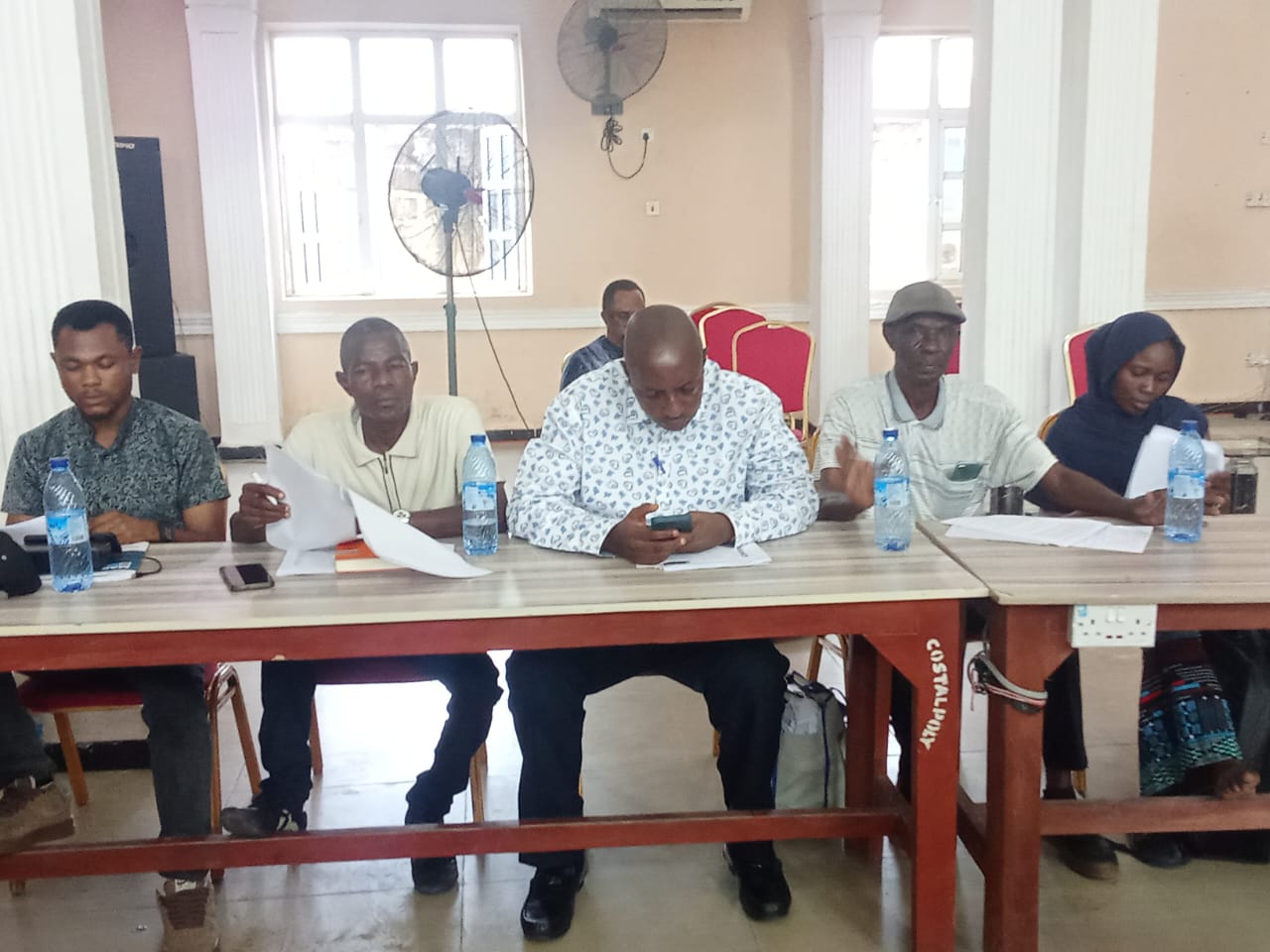
MARAN trains 20 members at shipping institute, pledges sustained capacity building
Gloria Odion, Maritme reporter
The Maritime Reporters Association of Nigeria (MARAN) has trained 20 of its members at the Chartered Institute of Shipping of Nigeria (CISN) in a renewed effort to deepen maritime journalists’ technical knowledge, strengthen professional competence and improve the quality of reporting on Nigeria’s shipping industry and emerging blue economy.
The Graduate Induction Training Programme, which ended on Saturday, October 10, 2026, exposed participants to the technical, regulatory, operational and environmental dimensions of the maritime industry.
Participants are expected to obtain a Postgraduate Diploma Certificate in Shipping upon successful completion of the programme.
The training covered critical areas, including maritime safety and security, integrated marine environment management, shipping and port management, cargo clearance procedures and documentation, as well as the marine and blue economy.
The initiative underscores MARAN’s determination to bridge the knowledge gap between maritime journalism and the technical realities of the shipping industry, equipping its members with the expertise required to report more accurately and analytically on developments across the sector.
Delivering the first lecture, a CISN lecturer, Mr Patrick Ambakederimo, examined the principles of maritime safety and security, highlighting their significance to efficient shipping operations, the protection of lives and property, and the sustainability of maritime activities.
He discussed the identification and management of risks associated with vessel operations, cargo handling and other maritime activities, emphasising the need for strict compliance with safety regulations, regular inspections, adequate crew training and effective emergency response mechanisms.
Participants were also exposed to the importance of intelligence sharing, effective surveillance, coordinated security operations and adherence to relevant international maritime security standards.
The lecture distinguished between maritime safety, which focuses on preventing accidents and operational hazards, and maritime security, which addresses deliberate threats, unlawful activities and other hostile acts within the maritime domain.
Another CISN lecturer, Mr Sunday Duru, delivered a lecture on integrated marine environment management, examining the need for coordinated strategies to protect marine and coastal ecosystems from the environmental pressures associated with shipping, port operations and coastal development.
Duru stressed the importance of collaboration among government agencies, maritime operators, environmental organisations, coastal communities and other stakeholders in addressing environmental challenges confronting the maritime industry.
He identified marine pollution, oil spills, improper waste disposal, plastic pollution and the degradation of coastal ecosystems as critical concerns requiring sustained attention.
He also highlighted the importance of environmental monitoring, pollution prevention, proper waste management and effective enforcement of environmental regulations in safeguarding Nigeria’s marine resources.
Other courses covered shipping and port management, cargo clearance procedures and documentation, and the marine and blue economy.
These sessions were designed to broaden participants’ understanding of the commercial and operational processes underpinning shipping and port activities, while exposing them to the economic opportunities available in fisheries, coastal tourism and other ocean-related industries.
Speaking on the initiative, MARAN President, Oluyinka Onigbinde, reaffirmed the association’s commitment to sustained capacity building as a strategy for producing a corps of maritime journalists equipped to report the industry with greater accuracy, depth and professionalism.
Onigbinde maintained that effective maritime journalism required more than the ability to gather information and write news reports, stressing that journalists must understand the policies, regulations, commercial transactions and operational processes that shape the industry.
According to him, a technically informed maritime press would be better positioned to interrogate policy decisions, scrutinise industry practices, hold stakeholders accountable and explain complex maritime issues to the public.
He said MARAN would sustain its professional development initiatives through strategic partnerships with maritime institutions, government agencies and private-sector operators, creating more opportunities for members to acquire specialised knowledge and practical industry experience.
The association, he added, would continue to explore training programmes that expose members to emerging trends in shipping, port operations, maritime security, international trade and the blue economy.
Onigbinde stressed that continuous professional development was essential to strengthening the credibility of maritime journalism and improving public understanding of the sector’s contribution to national economic growth.
He expressed optimism that the knowledge acquired by participants would translate into improved reporting, particularly in the coverage of port efficiency, shipping operations, maritime safety, environmental sustainability and government policies affecting the industry.
The training comes at a time when Nigeria is intensifying efforts to improve port competitiveness, strengthen maritime security, promote environmental sustainability and unlock the economic potential of its marine resources.
For MARAN, the programme represents an investment not only in the professional development of its members but also in the quality of public discourse on the maritime industry.
By equipping journalists with a deeper understanding of the sector’s technical and commercial realities, the association hopes to promote more informed reporting, strengthen accountability and enhance public appreciation of the maritime industry’s role in Nigeria’s economic development.

Customs
Customs suspends training of recruits over dispute with Federal Character Commission on recruitment exercise

Headlines
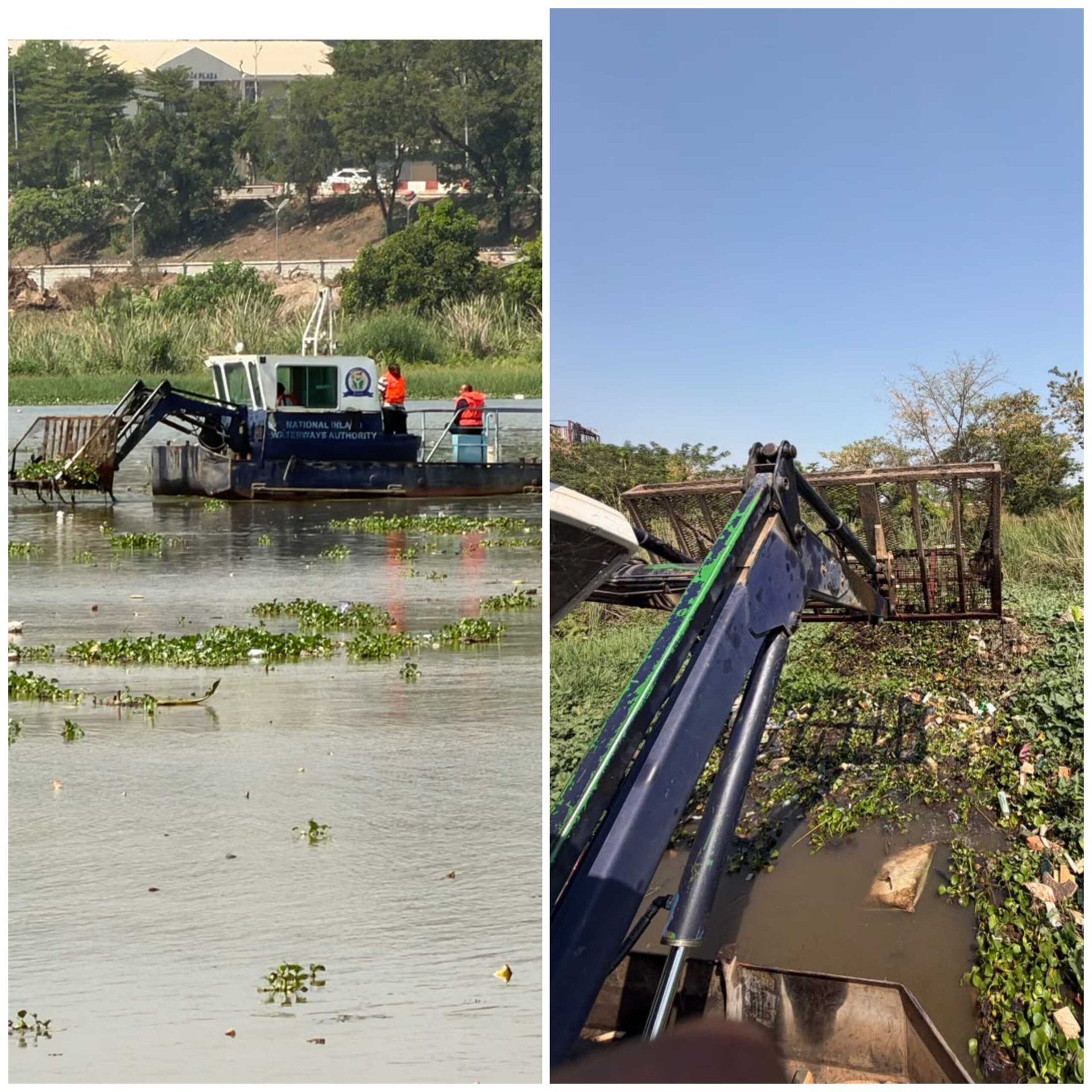
NIWA clears water hyacinth on Jabi Lake to boost navigation, tourism
Customs
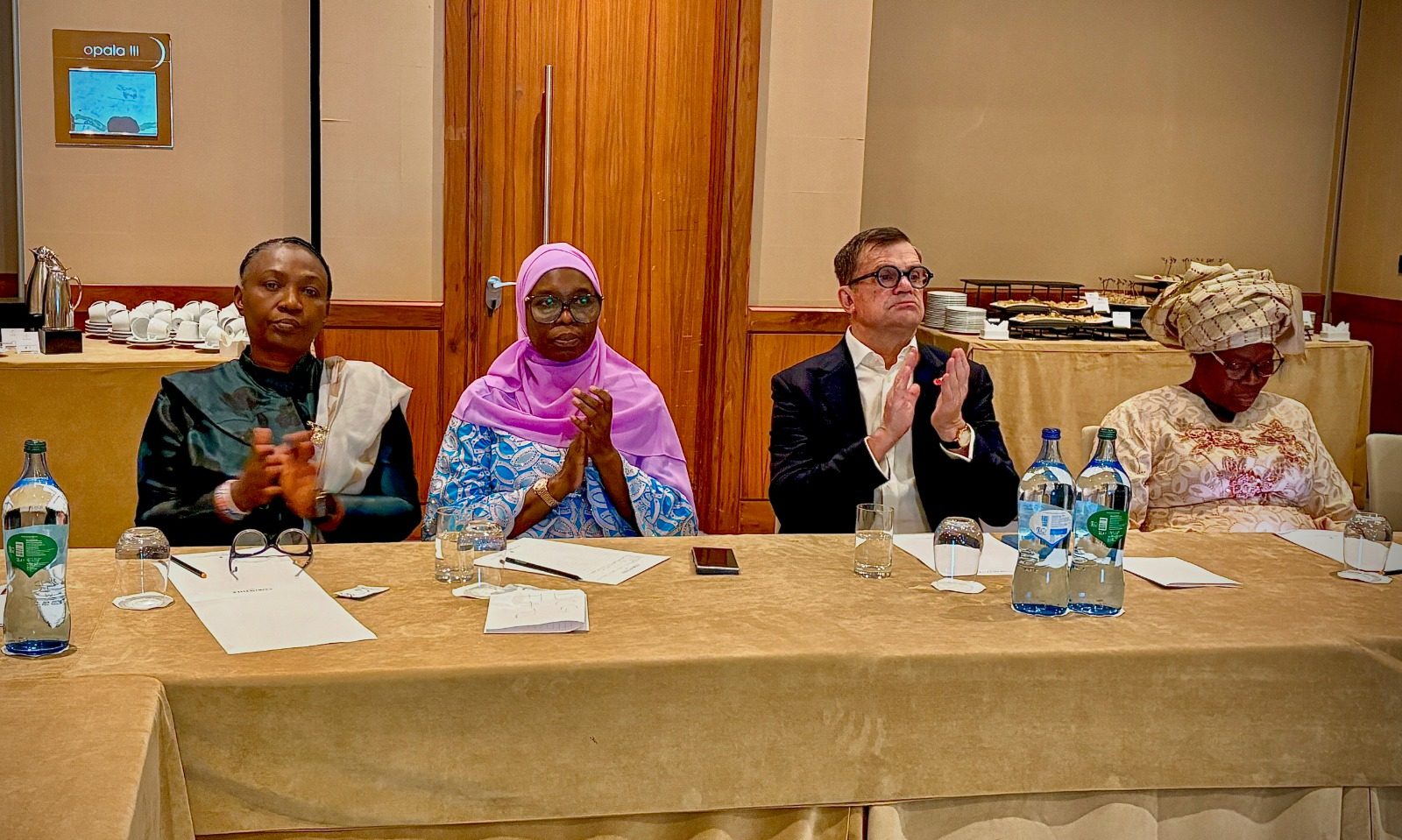
Customs reviews B’Odogwu system in Lisbon, targets faster cargo clearance, higher revenue

 Headlines3 months ago
Oyetola presents three-year score card as blue economy industry revenue hits ₦1.83trn

 Customs2 months ago
FOU Zone ‘A’: Aliyu retires after ₦3.19bn revenue recovery, Afeni takes over

 Customs3 weeks ago
FOU Zone A: Afeni intensifies anti-smuggling operations, seizes N511.4m drugs, rescues eight pangolins

 Customs2 months ago
Nigeria, Benin Customs move to harmonise trans-border trade, establish joint border post at Seme-Krake

 Headlines3 weeks ago
Tension heightens at Osborne Foreshore Estate over alleged environmental breach by property developer

 Commentaries4 weeks ago
Beyond Shiny Tech: Why Africa’s smart ports must build plumbing before AI