
Headlines
Blue Lagos, Partners commence five solar-powered borehole projects in Lagos riverine communities
Gloria Odion, reporter
The Blue Lagos Sustainability Initiative, in partnership with Uriel Construction Limited, has commenced the construction of five solar-powered boreholes across underserved riverine communities in Lagos State as part of efforts to improve access to safe water and promote sustainable community development.
The projects, sponsored by the Koh Pbat Campaign Team through Uriel Construction Limited, cover five communities across Badagry, Amuwo-Odofin, Ojo and Epe Local Government Areas.
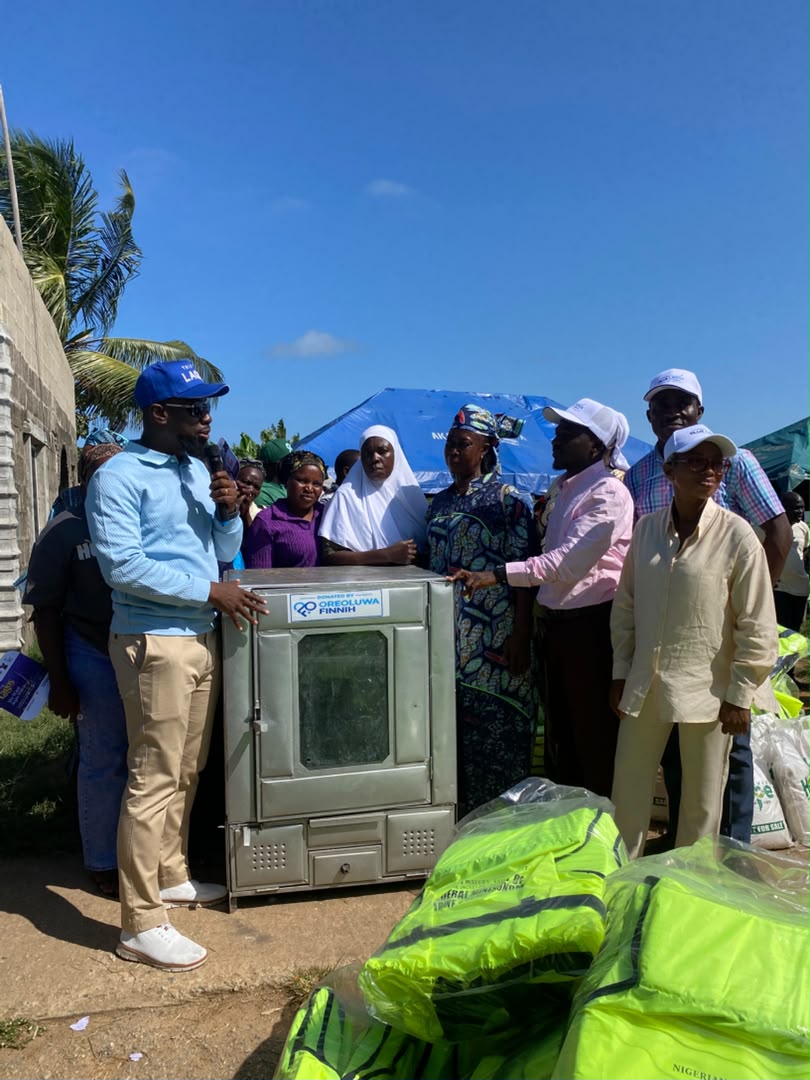
The development coincides with a multi-sectoral medical and humanitarian outreach organised by Blue Lagos at Ebute Ajagun, Iworo, in Badagry Local Government Area, where residents of neighbouring riverine communities received free medical services, food assistance, livelihood support and life jackets.
The interventions reflect the initiative’s commitment to addressing challenges confronting coastal and riverine communities, particularly limited access to healthcare, safe drinking water, livelihood opportunities and waterway safety.
The five solar-powered borehole projects are strategically located to improve access to reliable water supplies in underserved communities.
The beneficiary communities are:
– Seje Jegba, Badagry Local Government Area.
– Sagbonkodji, Amuwo-Odofin Local Government Area.
– Olomometa, Ojo Local Government Area.
– Agadangba, Ward C1, Epe Local Government Area.
– Igbo Apawa, Ward D1, Epe Local Government Area.
According to the initiative, the projects are expected to ease the difficulties residents face in accessing safe water for domestic use while improving sanitation, public health and household welfare.
The adoption of solar-powered systems is also expected to support sustainable water supply by reducing dependence on conventional electricity, particularly in communities where infrastructure challenges often affect access to essential services.
Access to safe water remains critical to public health, hygiene and overall living standards. The projects therefore represent an effort to complement immediate humanitarian assistance with infrastructure that can deliver lasting benefits to beneficiary communities.
In a related development, Blue Lagos has extended its community development interventions to Badagry through a multi-sectoral medical and humanitarian outreach held at Ebute Ajagun, Iworo.
The programme reached residents of Daddy Louis, Ajido, Etesa, Epe and Ebute Eleja, among other riverine communities, many of whom face geographical and infrastructural barriers to accessing basic healthcare and other essential services.
The outreach featured free medical services sponsored by the Medical and Safety Directorate of the Renewed Hope Ambassadors (RHA), alongside food palliatives donated by the RHA’s Humanitarian Affairs Directorate.
Residents also received fish-smoking kilns donated by the Special Adviser to the Governor on Sustainable Development Goals (SDGs), Dr Oreoluwa Finnih, to support local livelihoods.
In addition, the Lagos State Waterways Authority (LASWA) donated life jackets to promote safety among residents who rely on boats and other water transportation for fishing, commuting and other daily activities.
The distribution of life jackets forms part of broader efforts to encourage safer use of Lagos waterways, particularly among people whose livelihoods depend on water transportation.
Speaking on the interventions, the Team Lead of Blue Lagos, Mr Saheed Adesanya, reaffirmed the initiative’s commitment to promoting inclusive development by ensuring that residents of underserved coastal and riverine communities across Lagos State have access to essential services, humanitarian support and sustainable development opportunities, regardless of their geographical location.
Adesanya explained that the ongoing intervention in Badagry Local Government Area builds on previous community development initiatives carried out in several riverine communities across the state, including Sagbonkodji, Bishop Kodji, Takwa Bay and Ilado-Odo in Amuwo-Odofin, as well as Yegunda, Ito Omu, Isan, Oko-Abe, Ito Osun, Saga, Emina and Take Nla in Epe, among other locations.
He noted that these interventions reflect Blue Lagos’ broader commitment to addressing the developmental challenges confronting communities in hard-to-reach areas, particularly those with limited access to basic infrastructure, healthcare services, safe drinking water and other essential amenities.
According to him, the initiative adopts a community-centred approach that combines immediate humanitarian assistance with practical, long-term interventions aimed at improving public health, strengthening local livelihoods, enhancing waterway safety and promoting sustainable development.
He added that the approach is designed to address both the immediate needs of residents and the underlying challenges affecting their overall well-being.
Adesanya further emphasised the importance of partnerships in achieving meaningful and lasting development outcomes, noting that collaboration with organisations such as Uriel Construction Limited enables Blue Lagos to extend its reach and deliver interventions that respond to the specific needs of underserved communities.
He maintained that the initiative would continue to identify priority areas requiring intervention, engage relevant stakeholders and implement targeted projects that improve living conditions, expand access to essential services and create opportunities for inclusive growth across Lagos State.
He added that Blue Lagos remains committed to ensuring that residents of coastal and riverine communities are not left behind in the state’s development efforts, stressing that sustainable progress can only be achieved when the needs of all communities are recognised and addressed.
Blue Lagos acknowledged the support of its patron, Mr Oluwadamilola Emmanuel, Special Adviser to the Governor on Blue Economy, for his strategic engagement and contributions towards advancing the initiative’s objectives.
The initiative also commended LASWA for donating life jackets to improve safety among residents who depend on Lagos waterways.
It further recognised Dr Oreoluwa Finnih, Special Adviser to the Governor on Sustainable Development Goals, for supporting the medical outreach and donating fish-smoking kilns to promote livelihood development.
Special appreciation was extended to the Humanitarian Affairs Directorate of the Renewed Hope Ambassadors, under the leadership of Ms Bisola Olusanya, for providing food palliatives distributed during the outreach and other community interventions.
The Koh Pbat Campaign Team was also commended for sponsoring the five solar-powered borehole projects through Uriel Construction Limited, describing the contribution as an important step towards improving access to essential water infrastructure in underserved riverine communities.
Blue Lagos emphasised that sustained collaboration among government agencies, corporate organisations, humanitarian groups, development partners and community stakeholders is essential to expanding access to healthcare, safe water, economic opportunities and waterway safety.
As the initiative continues to extend its interventions across Badagry, Amuwo-Odofin, Ojo, Epe and other riverine areas of Lagos State, it reiterated its commitment to inclusive and sustainable development under its guiding principle: “No Community Is Left Behind.”

Headlines
Oyetola woos polish investors to Nigeria’s fisheries, aquaculture sectors
Gloria Odion Maritme, Reporter
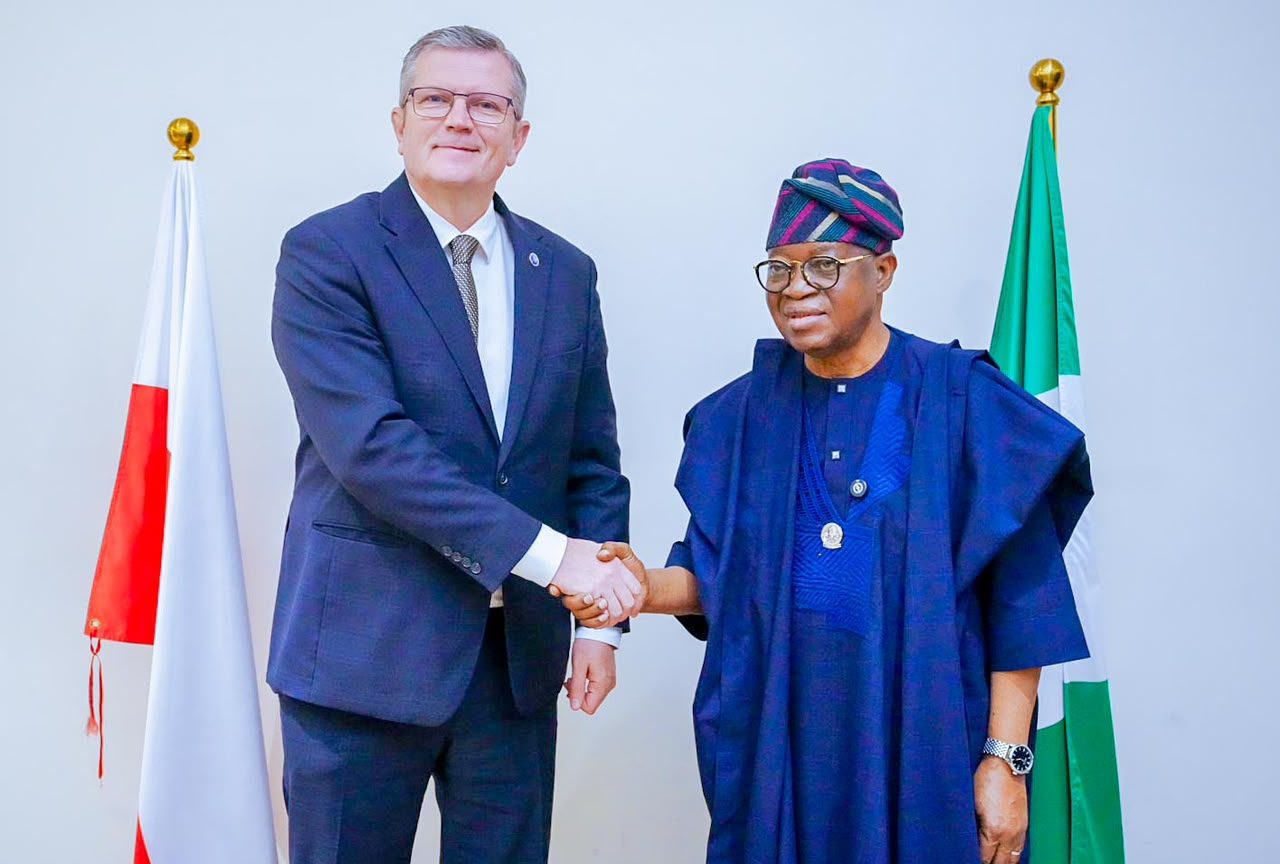
The Minister of Marine and Blue Economy, Dr Adegboyega Oyetola, has called on Polish investors to tap into the vast investment opportunities in Nigeria’s fisheries and aquaculture sectors, stressing that stronger economic cooperation between both countries could boost domestic production, create jobs and enhance national food security.
Oyetola made the call on Tuesday, November 24th, 2026, while delivering a goodwill message at the Polish-Nigerian Economic Forum held at the Lagos Continental Hotel, Lagos.
He described Nigeria’s marine and blue economy as a promising frontier for bilateral economic cooperation, urging Polish businesses to bring investment capital, modern technology, technical expertise and sustainable production systems into the country.
“I therefore wish to invite Polish investors, businesses and technical partners to take a closer look at Nigeria’s fisheries and aquaculture sector,” the minister said.
He identified fish production, processing, storage, cold-chain logistics, aquaculture technology, fish-feed production, equipment manufacturing and export development as areas offering significant investment opportunities.
According to him, investments across these value chains would expand domestic fish production, reduce Nigeria’s dependence on imports, generate employment, empower coastal communities and unlock greater economic value from the country’s aquatic resources.
“These investments can help boost local production, reduce fish import dependence, create employment, strengthen food security, empower coastal communities and generate significant economic value,” he stated.
Beyond fisheries and aquaculture, Oyetola commended the Polish Government for its support for Nigeria’s Port Modernisation Programme, describing the partnership as a demonstration of confidence in Nigeria’s economic prospects and a commitment to strengthening bilateral relations.
He said the collaboration would contribute to the development of efficient, modern and competitive maritime infrastructure, disclosing that the programme was scheduled for flag-off in Lagos on Wednesday, November 25, 2026.
The minister, however, emphasised the need to broaden Nigeria-Poland economic cooperation beyond port infrastructure to cover other strategic components of the marine and blue economy, particularly fisheries, aquaculture, marine technology and logistics.
“Our vision is to build a marine and blue economy that is productive, sustainable, resilient and investment driven,” he declared.
Oyetola expressed optimism that deeper economic relations between Nigeria and Poland would facilitate technology transfer, attract new investments and accelerate sustainable growth across Nigeria’s marine and blue economy.
He said sustained collaboration between the two countries could help unlock the enormous economic potential of Nigeria’s aquatic resources while positioning the country for greater participation in the global blue economy.
Customs
Customs dramatises officers’ operational hazards in 79-episode TV Series
Funso OLOJO, Editor
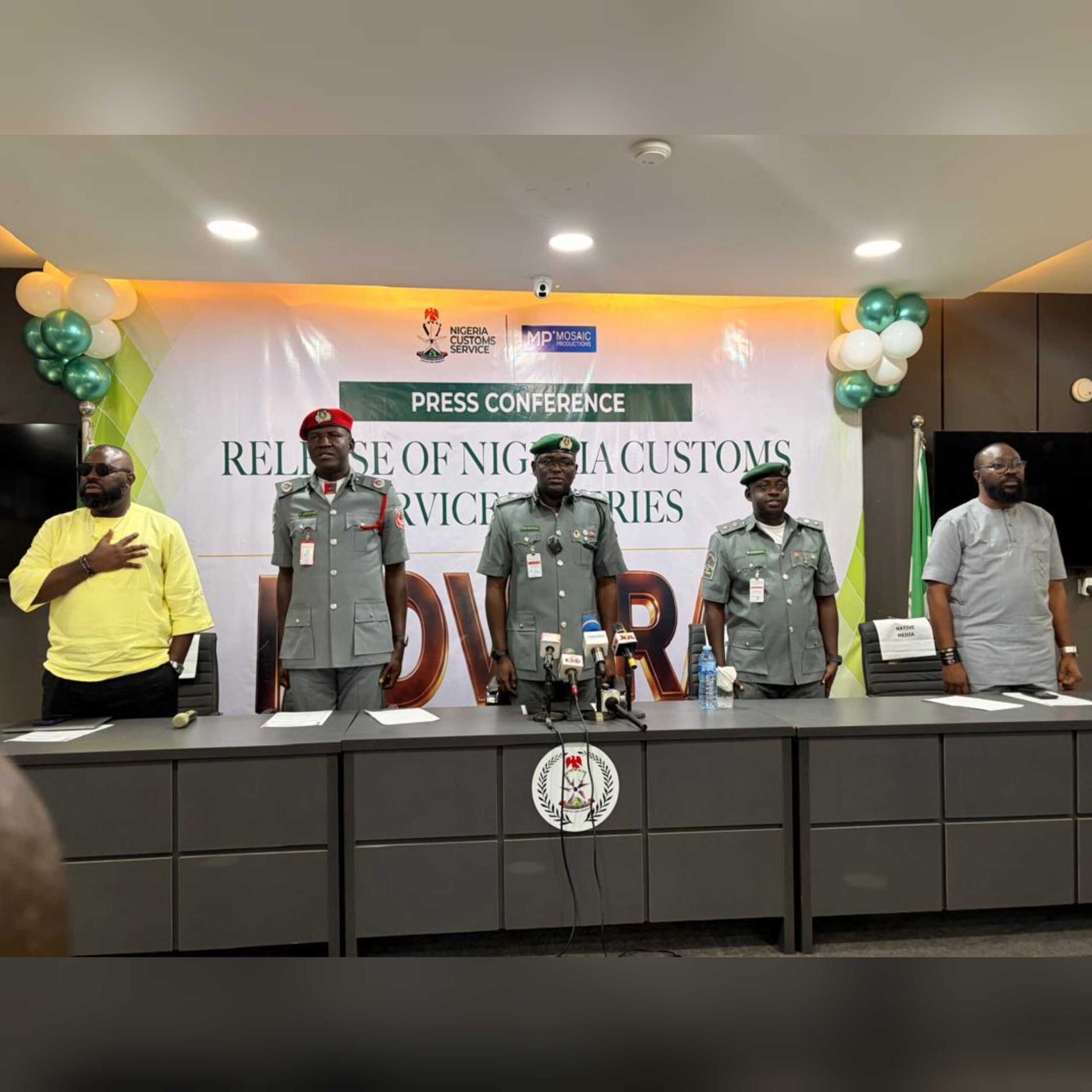
The dangerous world of smuggling, arms trafficking, drug cartels and the personal sacrifices of officers battling transnational criminal networks will take centre stage in a new 79-episode television drama series unveiled by the Nigeria Customs Service (NCS).
The series, titled Novara, is part of the Service’s efforts to give Nigerians a deeper understanding of the risks associated with Customs operations, showcase the human experiences behind the uniform and strengthen public engagement through creative storytelling.
Unveiled in Lagos on Tuesday, November 24th, 2026, the production is scheduled to premiere on Africa Magic Showcase on Thursday, January 7th, 2027.
Speaking at the unveiling, the National Public Relations Officer of the NCS, Abdullahi Aliyu Maiwada, described the initiative as a significant milestone in the Service’s strategic communication approach, marking a departure from conventional institutional messaging to the use of entertainment as a tool for public enlightenment.
He said Novara was conceived to educate, inform and entertain audiences while projecting the core values of integrity, courage, professionalism, patriotism, resilience and responsible service to the nation.
According to him, while the statutory responsibilities of the Service revolve around revenue generation, trade facilitation and border security, the human sacrifices and operational hazards associated with these duties are often overlooked or poorly understood by the public.
He noted that Customs officers routinely operate in difficult and dangerous environments, confront sophisticated transnational criminal networks and sometimes risk their lives to protect Nigeria’s economic interests and territorial integrity.
The drama, he explained, seeks to bring these realities to the screen by presenting Customs officers beyond their official identities as law enforcement personnel, portraying them as parents, spouses and members of society whose demanding professional responsibilities often take a toll on their family lives.
At the heart of Novara is the story of Pancha, a Customs officer torn between his family obligations and his professional commitment to protecting Nigeria against economic sabotage and transnational organised crime.
His assignment draws him into the dangerous operations of an organised criminal cartel involved in the smuggling of illicit drugs and arms into Nigeria.
The syndicate, headed by a notorious drug lord identified as Jambala, is said to operate in collaboration with a Mexican drug network with links to the United States.
As the criminal organisation expands its activities, Pancha and his colleagues in the Customs Intelligence Unit embark on a high-risk undercover operation to infiltrate, expose and dismantle the network.
But the mission comes at a heavy personal cost, placing his family in danger and testing his resolve to remain committed to national service.
Maiwada said the storyline explores the difficult choices officers must make in balancing professional obligations with family responsibilities, while exposing the wider dangers posed by drug trafficking, arms smuggling and other forms of transnational organised crime.
Beyond the dramatic storyline, the production also highlights the importance of intelligence-led operations, inter-agency collaboration and institutional vigilance in tackling emerging security threats.
The series brings together professionals from Nigeria’s film and television industry, with Agbode Ugo and Roger Oppen serving as producers.
Filmed in Lagos, Nigeria, and Los Angeles, United States, the production combines local storytelling with an international outlook, reflecting the cross-border dimensions of contemporary security and economic crimes.
The first season features actors including Topher Olowuya, Ray Adeka, Sharon Owojimi, Charles Okwong, Similayo Hassan and Iwande Osioma, among others.
It is directed by Daniel Oranyi and Ben Cheadika.
Maiwada disclosed that the 79-episode production is being released in two batches, with the first season comprising 39 episodes already completed and ready for broadcast, while the remaining 40 episodes are still in production.
Following its premiere on January 7th, 2027, new episodes will be aired every Tuesday and Friday at 9pm on Africa Magic Showcase.
He added that private screenings and preview engagements had already been organised in Lagos, Port Harcourt, Abuja and Kaduna ahead of the official television premiere.
Addressing questions about the financing of the project, the Customs spokesman said Novara was developed through a public-private partnership arrangement, stressing that the Service’s contribution was primarily in kind rather than through direct cash financing.
He explained that the NCS provided institutional support through access to operational facilities and relevant locations, personnel, costumes, uniforms, props and supporting actors drawn from its workforce.
On the production side, Mosaic Theater Production and Native Media provided professional expertise in script development, creative conceptualisation, filming and post-production.
Native Media also supplied camera and other technical production equipment, he added.
The Service said the arrangement demonstrated how public institutions could harness private-sector partnerships to execute impactful communication projects without bearing the entire financial burden of production.
It also acknowledged the contributions of corporate sponsors, including SIFAX Group, ASR Africa Foundation, BUA and Pacific Finance Group, among others.
Maiwada described the initiative as part of a deliberate repositioning of the Service’s strategic communication framework, arguing that public institutions must continually explore innovative ways of explaining their mandates and connecting with citizens.
He maintained that conventional communication channels, particularly the media, remained indispensable, but that creative storytelling offered an additional opportunity to translate complex institutional responsibilities into relatable and memorable experiences.
Through Novara, the NCS hopes to move public engagement beyond the familiar presentation of enforcement statistics, revenue figures, seizures and policy announcements to a more personal account of the men and women behind the uniform and the families who share the burden of their national assignments.
The initiative, he said, also aligns with the broader vision of the Comptroller-General of Customs, Bashir Adewale Adeniyi, to promote innovation, deepen stakeholder relationships and communicate the Service’s contributions to national development.
The NCS called on Nigerians, members of the international community, stakeholders in the maritime and trading sectors, security institutions and entertainment enthusiasts to watch the series when it premieres.
The Service expressed optimism that the production would deepen public appreciation of Customs operations and provide greater insight into the challenges associated with border management, anti-smuggling campaigns, trade facilitation and national security.
Customs
Adeniyi highlights role of effective communication in institutional success , operational efficiency
Gloria Odion Maritme Reporter
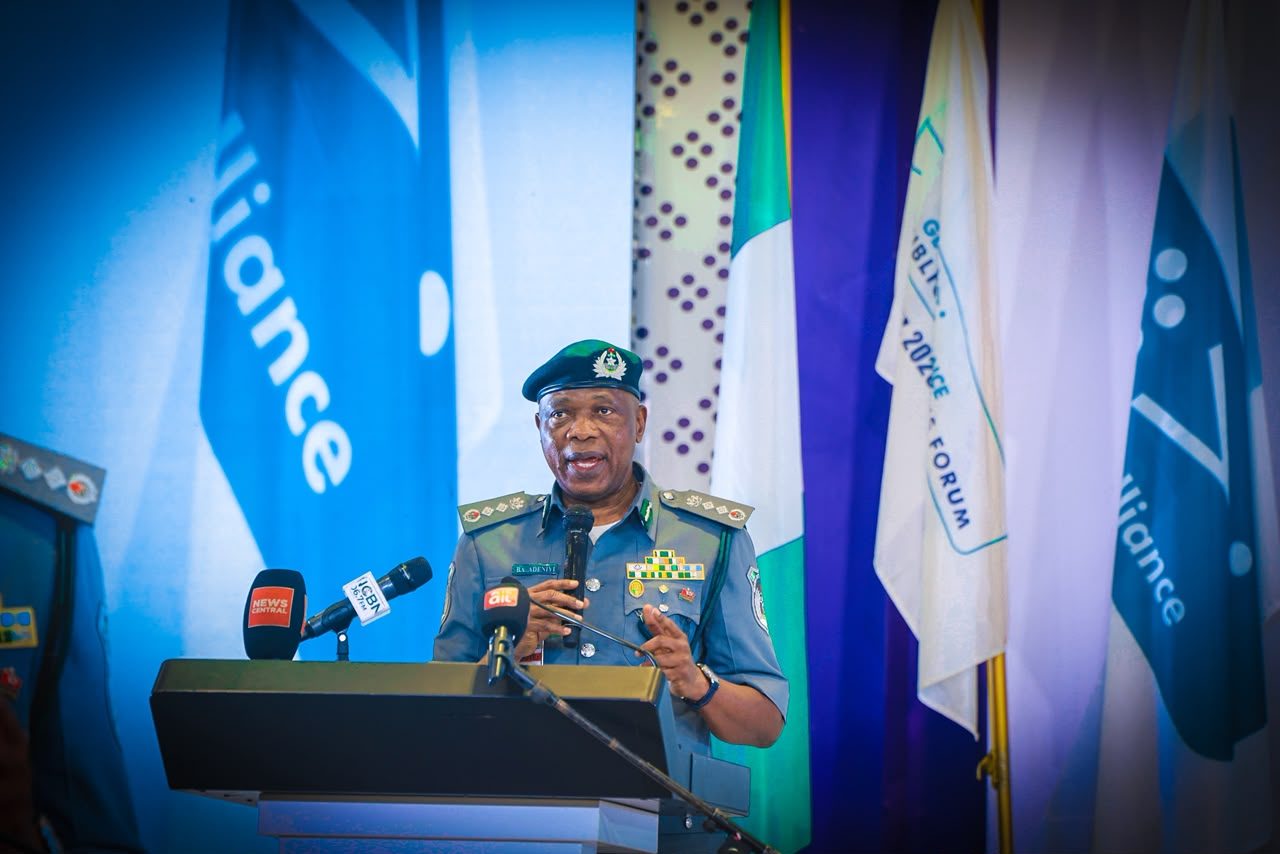
The Comptroller-General of Customs, Adewale Adeniyi, has called on public institutions to integrate effective communication into their decision making processes, warning that poorly communicated policies could undermine implementation and weaken public trust.
Adeniyi made the call on November 17th, 2026, at the World Public Relations Forum (WPRF) in Abuja, where he shared five key public relations lessons drawn from the Nigeria Customs Service’s (NCS) reform experience.
He stressed that the success or failure of institutional policies often depends not only on their objectives but also on how effectively they are communicated to stakeholders and the general public.
The Customs boss explained that an institution’s reputation is shaped by its everyday interactions with the public, noting that a rude officer at an airport, an unanswered complaint or a poorly managed encounter could influence public perception more than official statements and publicity campaigns.
Drawing from the Service’s ongoing reforms, Adeniyi outlined five key lessons for public relations professionals: communicating before implementing changes, telling the truth even when it is uncomfortable, verifying information before speaking, ensuring that promises align with actual results, and actively listening to stakeholders.
On the importance of communicating ahead of reforms, he cited the introduction of the B’Odogwu platform, which replaced the Nigerian Integrated Customs Information System (NICIS) II.
He explained that early engagement with importers, licensed customs agents, terminal operators and Customs officers, supported by helpdesks and a phased implementation strategy, helped improve stakeholders’ understanding and acceptance of the new platform.
He added that the initiative had also attracted recognition from the African Continental Free Trade Area (AfCFTA) Secretariat as a model for the continent.
Addressing the need for transparency, Adeniyi cited the Time Release Study, which revealed that cargo spent an average of about five days at Nigerian ports, with more than 90 per cent of the time spent idle.
According to him, making the findings public helped identify operational bottlenecks and demonstrate that delays in cargo clearance were not attributable to a single agency but involved multiple stakeholders across the port value chain.6
On the importance of verifying information before making public statements, the CGC referenced major enforcement operations, including the seizure of 844 rifles at Onne in June 2024, as well as the interception of 399 rifles from a Mitsubishi Delica vehicle and another 389 rifles aboard MV Vega.
He emphasised that accurate information, proper verification and effective inter-agency collaboration were essential to maintaining credibility, particularly when communicating sensitive enforcement activities.
“Communication must not be treated as an afterthought in institutional reforms; it must be part of the decision making process from the beginning. When people understand a policy’s purpose, they are more likely to support its implementation.
“For us in the Nigeria Customs Service, our experience has shown that effective communication, transparency, stakeholder engagement and listening are essential to building public trust and achieving sustainable reforms,” Adeniyi said.
The Customs chief further cited the Authorised Economic Operator (AEO) programme as a practical demonstration of how promoting compliance can enhance trade facilitation, accelerate cargo clearance and foster stronger collaboration between the Service and the private sector.
He disclosed that 51 companies had attained AEO status, with cargo clearance time reduced from 168 hours to 41 hours, while more than 200 other companies had also benefited from the programme.
Adeniyi concluded by urging public relations professionals to take their rightful place at the decision making table, stressing that communication alone cannot conceal poor institutional performance.
He maintained that an organisation’s relevance and reputation are ultimately determined by the relationship between what it says, what it does and the actual experiences of the people it serves.

 Headlines3 months ago
Oyetola presents three-year score card as blue economy industry revenue hits ₦1.83trn

 Customs2 months ago
FOU Zone ‘A’: Aliyu retires after ₦3.19bn revenue recovery, Afeni takes over

 Customs4 weeks ago
FOU Zone A: Afeni intensifies anti-smuggling operations, seizes N511.4m drugs, rescues eight pangolins

 Customs2 months ago
Nigeria, Benin Customs move to harmonise trans-border trade, establish joint border post at Seme-Krake

 Headlines3 weeks ago
Tension heightens at Osborne Foreshore Estate over alleged environmental breach by property developer
 Commentaries4 weeks ago
Beyond Shiny Tech: Why Africa’s smart ports must build plumbing before AI