
Headlines
NRC targets 10,000km rail network in five years, 20,000km long-term
-as Opeifa believes integrated transport system key to Nigeria’s economic competitiveness
Funso OLOJO Editor
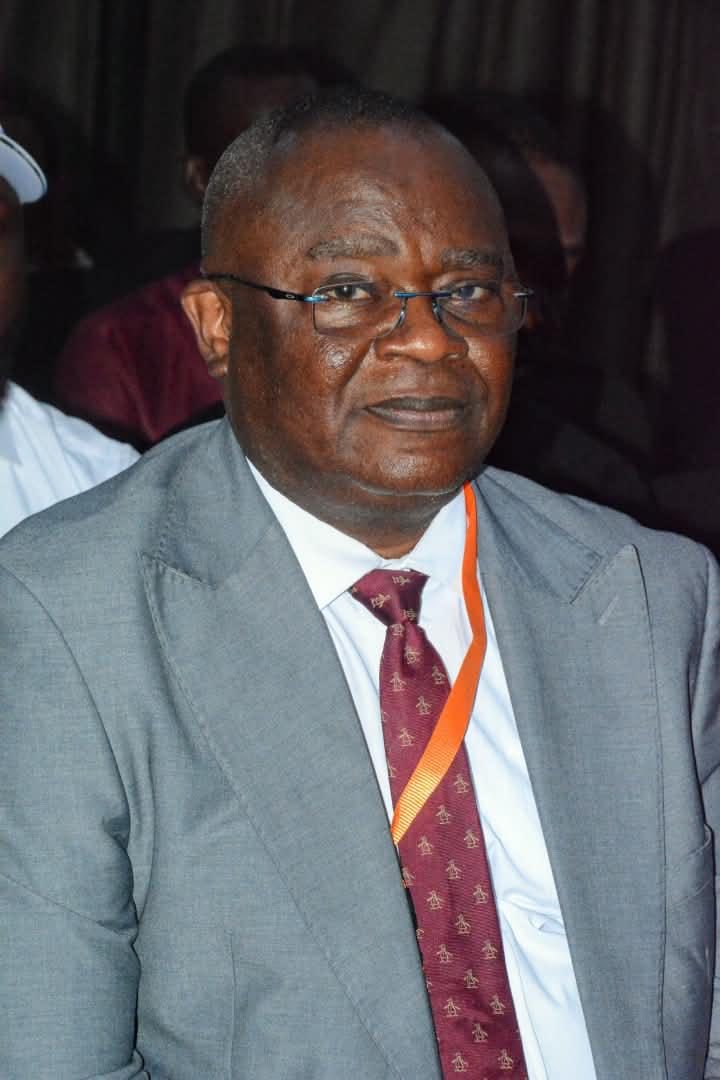
The Managing Director of the Nigerian Railway Corporation (NRC), Dr Kayode Opeifa, has identified an integrated transportation and logistics system as critical to strengthening Nigeria’s economic resilience, reducing the cost of doing business and enhancing the competitiveness of Nigerian products.
Opeifa said an efficient transport network that connects production centres, seaports, industrial clusters, inland terminals and consumption markets would significantly reduce logistics costs, improve trade and stimulate economic growth.
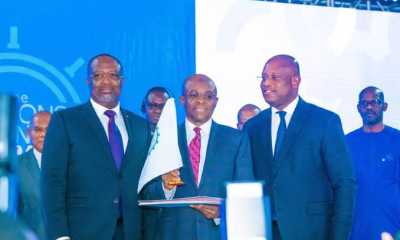
He made this submission while speaking on the theme, “Scaling the Future: Building a Resilient and Efficient Mobility and Logistics Ecosystem in Nigeria,” at the BusinessDay Mobility and Logistics Conference held at Four Points by Sheraton, Victoria Island, Lagos.
According to him, persistent inefficiencies in Nigeria’s transportation network contribute to congestion, rising logistics costs, delayed deliveries, declining productivity and higher prices of goods and services.
He argued that rail transportation must occupy a strategic position in the development of an integrated national transport system, noting that improved connectivity across the different modes of transportation would translate into greater economic efficiency and competitiveness.
The NRC boss explained that rail offers high-capacity solutions for long-distance passenger and freight transportation, reduces pressure on highways and provides an important connection between seaports, industrial centres, inland terminals and urban markets.
He stressed that road, rail, maritime and air transportation should operate as complementary components of a unified logistics network rather than competing alternatives.
“Rail should not be viewed as a competitor to road, maritime or air transportation, but each should continue to develop as complementary components of an effective integrated transport system,” he said.
He noted that while road transportation remained essential for cargo collection and last-mile delivery, maritime transport facilitated international trade, while inland terminals supported cargo handling and distribution. Rail, he added, provided the high-capacity link connecting these facilities with production and consumption centres.
Opeifa maintained that seamless coordination among the various transportation modes would reduce avoidable logistics expenses, facilitate regional commerce, improve access to markets and strengthen the competitiveness of Nigerian businesses.
Outlining the NRC’s strategic direction, the managing director highlighted the corporation’s track access policy, which allows private investors to explore opportunities in passenger and freight operations along the country’s railway corridors.
He also unveiled the corporation’s Vision 2:5:10:20, a strategic framework designed to optimise existing railway assets, revive viable dormant corridors, expand freight operations, deepen private-sector participation and progressively extend the national rail network.
Under the ambitious plan, the NRC is targeting an expansion of Nigeria’s railway network from approximately 4,000 kilometres to 10,000 kilometres within five years, with a long-term ambition of reaching about 20,000 kilometres.
“Our ambition is to consistently grow the networks from approximately 4,000 kilometres that we met, to 10,000 kilometres within five years and ultimately achieving about 20,000 kilometres over the long term.
“These are no doubt strategic targets that require sustained investment and implementation,” he said.
Opeifa identified the immediate priorities as improving the utilisation of the country’s two legacy narrow-gauge lines and three standard-gauge lines, restoring operational capacity, expanding freight services and strengthening connections between railway infrastructure, seaports and inland terminals.
He explained that maximising the performance of existing railway assets would provide a foundation for future expansion while improving the corporation’s capacity to support freight and passenger movement.
On ongoing and proposed railway infrastructure projects under President Bola Ahmed Tinubu’s administration, Opeifa disclosed that efforts were being made to extend the standard-gauge railway to Apapa Port and establish a connection to Tin Can Island Port.
The proposed connections, he said, were intended to improve cargo evacuation, reduce pressure on road infrastructure and strengthen the interface between Nigeria’s railway network and maritime trade facilities.
He further disclosed that the Kano-Maradi railway project was expected to be completed in 2027, while plans were underway for a central railway corridor linking the Warri-Itakpe line to Abuja.
According to him, the government also plans to commence construction of the Marina-Lekki railway line, alongside efforts to support the Kaduna-Kano inter-state train service and the proposed intra-state railway services of the Kano State Government.
He said the projects formed part of broader efforts to expand railway connectivity, improve passenger mobility and facilitate the movement of goods across the country.
Also speaking at the conference, the Director-General of the Africa Centre for Supply Chain (ACSC), Dr Obiora Madu, warned that small-scale businesses would continue to struggle unless Nigeria addressed the fragmentation and inefficiencies within its transportation and logistics networks.
Madu estimated that the country loses more than N3.6 trillion to inefficiencies and distortions in the transportation and logistics sector, arguing that an interconnected system would unlock significant economic opportunities.
“If we don’t get the logistics right, the small-scale businesses would not be optimised. We do not need digital islands, we do not need superlative infrastructure, what we need is connected systems,” he said.
He maintained that developing a resilient logistics ecosystem required more than the expansion of individual infrastructure components, stressing the importance of coordination, connectivity and the ability of the entire system to withstand disruptions.
Similarly, the Managing Director of JanksMay Global Services Ltd., Ifeanyi Onwuachu, identified persistent infrastructure deficits as a major constraint affecting small-scale operators in the logistics industry.
He said the difficulties confronting operators underscored the need for improved infrastructure and more efficient transportation connections to support business activities.
Earlier, in his welcome address, the Deputy Editor-in-Chief of BusinessDay, Dr Innocent Nna, described the Mobility and Logistics Conference as an important platform for examining persistent challenges in Nigeria’s logistics sector and exploring practical solutions.
Nna urged industry stakeholders to engage in constructive discussions on the gaps confronting the country’s transportation and logistics systems, with a view to identifying measures that would improve efficiency and strengthen the sector.
The conference brought together stakeholders across the transportation, logistics and business sectors to examine strategies for building an integrated, efficient and resilient mobility ecosystem capable of supporting economic growth and improving the competitiveness of Nigerian businesses.

Customs
Customs suspends training of recruits over dispute with Federal Character Commission on recruitment exercise

Headlines
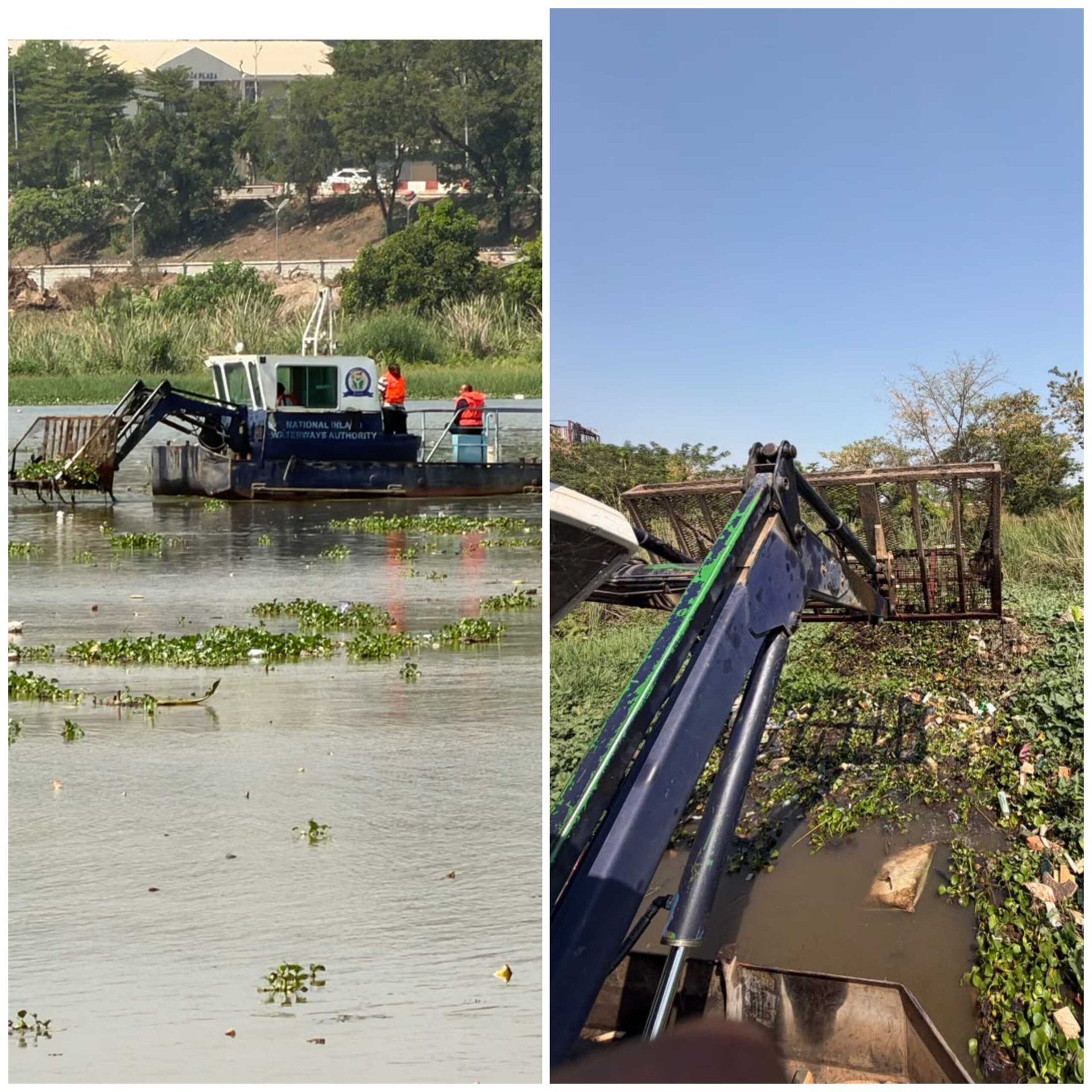
NIWA clears water hyacinth on Jabi Lake to boost navigation, tourism
Customs
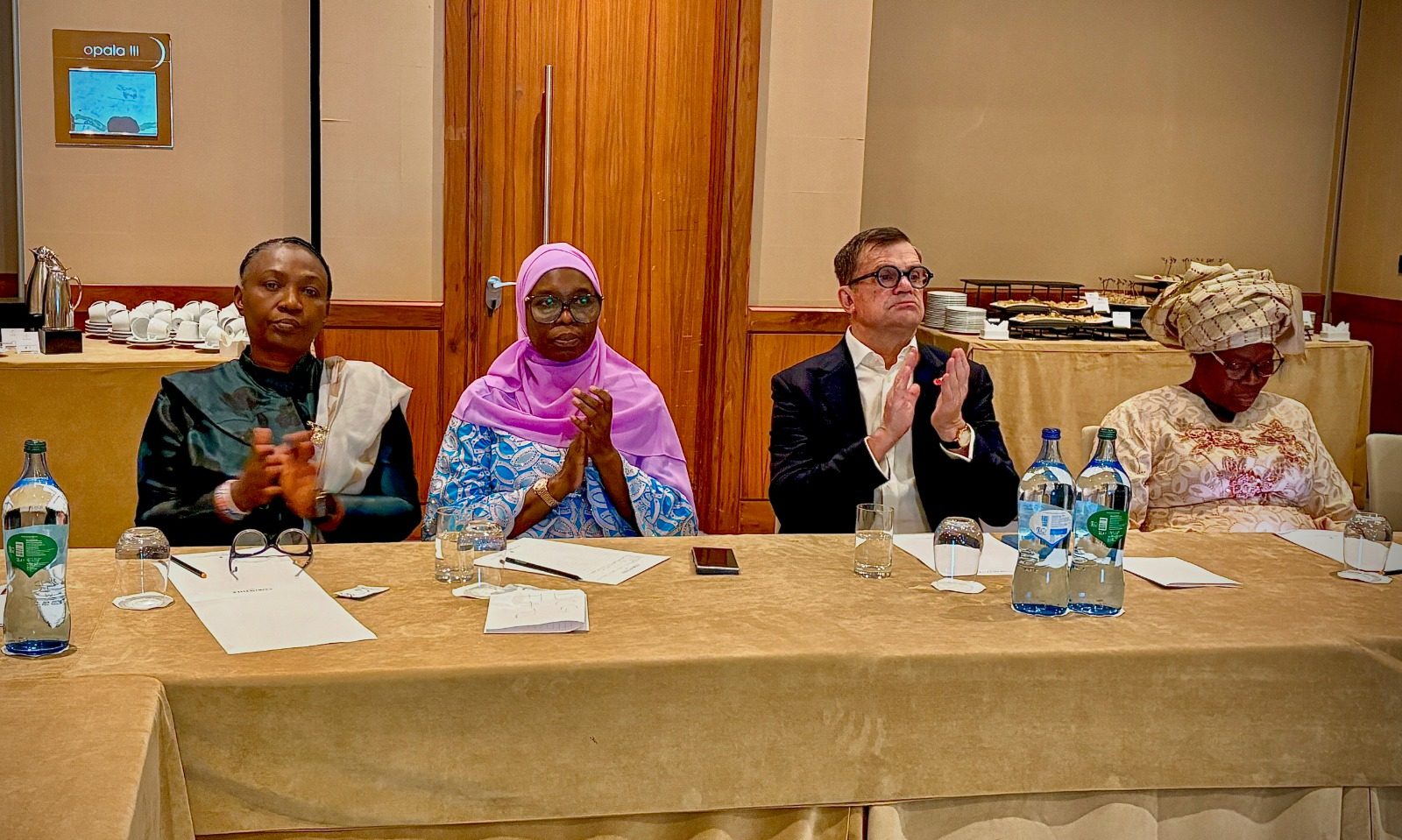
Customs reviews B’Odogwu system in Lisbon, targets faster cargo clearance, higher revenue

 Headlines3 months ago
Oyetola presents three-year score card as blue economy industry revenue hits ₦1.83trn
 Customs2 months ago
FOU Zone ‘A’: Aliyu retires after ₦3.19bn revenue recovery, Afeni takes over

 Customs3 weeks ago
FOU Zone A: Afeni intensifies anti-smuggling operations, seizes N511.4m drugs, rescues eight pangolins

 Customs2 months ago
Nigeria, Benin Customs move to harmonise trans-border trade, establish joint border post at Seme-Krake

 Headlines3 weeks ago
Tension heightens at Osborne Foreshore Estate over alleged environmental breach by property developer
 Commentaries4 weeks ago
Beyond Shiny Tech: Why Africa’s smart ports must build plumbing before AI