
Headlines
NIWA, Parts Central launch nationwide drive to clean up Nigeria’s waterways
–-target waste, pollution, boost navigation, fisheries and blue economy
Funso Olojo, Editor
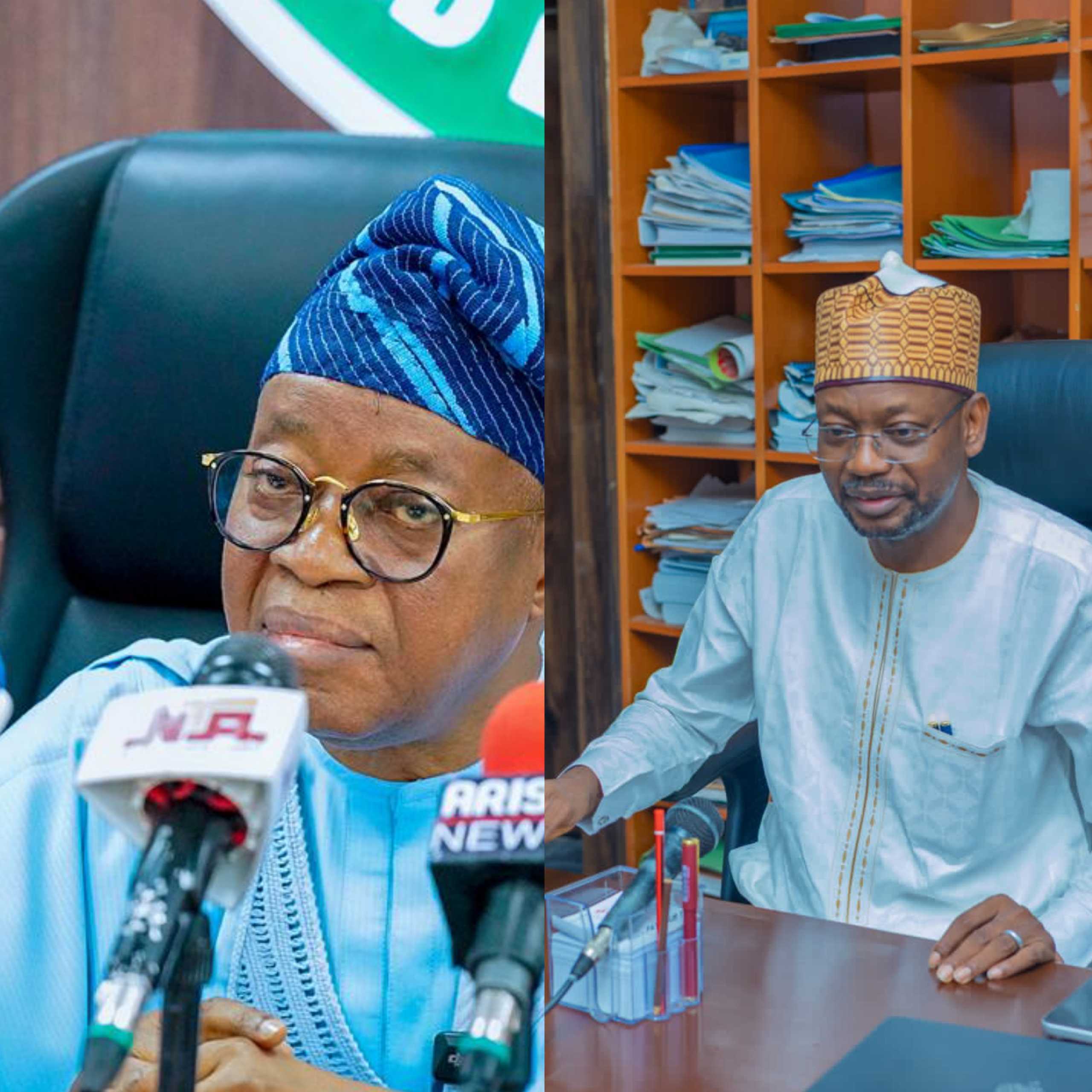
The National Inland Waterways Authority (NIWA), in partnership with Parts Central Limited, is set to launch a nationwide environmental initiative aimed at tackling pollution, indiscriminate waste disposal and debris choking Nigeria’s inland waterways.
The pioneering programme, which seeks to turn waste recovered from the waterways into economic value, is expected to simultaneously improve navigation, create employment, protect aquatic biodiversity and strengthen Nigeria’s fisheries economy.
Government officials and key private-sector stakeholders across the maritime sector have been invited to the official unveiling of the initiative scheduled for Tuesday, August 18th, 2026, at Bic Garden, Lagos.
The project was conceived under the leadership of the immediate past Managing Director of NIWA, Asiwaju Bola Oyebamiji, and represents an ambitious attempt to introduce a structured and sustainable approach to the management of waste across Nigeria’s inland waterway network.
The initiative will identify major sources of pollution and indiscriminate waste disposal, deploy organised systems for removing waste from the waterways and develop mechanisms for converting recovered waste into economic opportunities.
According to the promoters, the programme is designed not merely as a clean-up exercise but as an environmental and economic intervention capable of supporting communities that depend on the waterways for their livelihoods.
Beyond Cleaning the Waterways
A major objective of the programme is to improve the navigability of Nigeria’s inland waterways by removing debris and other pollution-related obstructions that impede the movement of boats and watercraft.
The initiative is also expected to contribute to the conservation of aquatic biodiversity, much of which remains poorly documented, while creating a cleaner and healthier environment for aquatic life.
Stakeholders believe that cleaner waterways could have significant implications for Nigeria’s fisheries sector, particularly communities whose livelihoods depend heavily on fishing and other water-based economic activities.
The project therefore places environmental sustainability at the centre of the broader economic development potential of Nigeria’s inland waterways.
Blue Economy Gets Fresh Push
The initiative aligns with the Federal Government’s emerging blue economy strategy, which seeks to move Nigeria’s maritime resources beyond their traditional use for transportation and exploit their wider economic potential.
The Minister of Marine and Blue Economy, Adegboyega Oyetola, has consistently advocated the strategic development of Nigeria’s inland waterways as important assets for economic diversification, employment creation and sustainable development.
The partnership between NIWA and Parts Central is expected to provide a practical pathway for translating some of these blue economy objectives into grassroots environmental and economic interventions.
Oyebamiji’s Legacy
The initiative also represents one of the major sustainability programmes associated with the tenure of Oyebamiji as Managing Director of NIWA.
Oyebamiji, who is now the All Progressives Congress (APC) governorship candidate in Osun State, had placed emphasis on improving the capacity and functionality of Nigeria’s inland waterways during his tenure.
The nationwide waterways clean-up programme is expected to build on that environmental and sustainability agenda by providing a structured framework for tackling one of the persistent challenges confronting inland water transportation and the wider aquatic ecosystem.
Stakeholders seek buy-in
In a joint statement, NIWA Lagos Area Manager, Engr. Sarat Braimah, and Managing Director of Parts Central Limited, Henry Olaoluwa Onifade, said the Lagos unveiling was designed to properly brief stakeholders on the initiative and secure their support for its implementation.
They stressed the importance of collaboration among government agencies, private-sector operators, waterfront communities, environmental stakeholders and other participants in the maritime ecosystem to achieve the objectives of the programme.
The partners said the success of the initiative would depend significantly on broad stakeholder participation and sustained commitment to responsible waste management.
With Nigeria’s inland waterways stretching across a vast network of rivers, creeks, lakes and navigable channels, the initiative is expected to provide a platform for a more coordinated national response to waterway pollution while unlocking new opportunities in waste recycling, environmental services, fisheries and other components of the blue economy.
The August 18 unveiling in Lagos will therefore mark the formal beginning of what the promoters envisage as a nationwide environmental intervention to make Nigeria’s inland waterways cleaner, safer, more navigable and economically productive.

Headlines
After Malabo: Dantsoho’s legacy and hard test ahead for West African ports
Monday Discourse with Ibrahim Nasiru
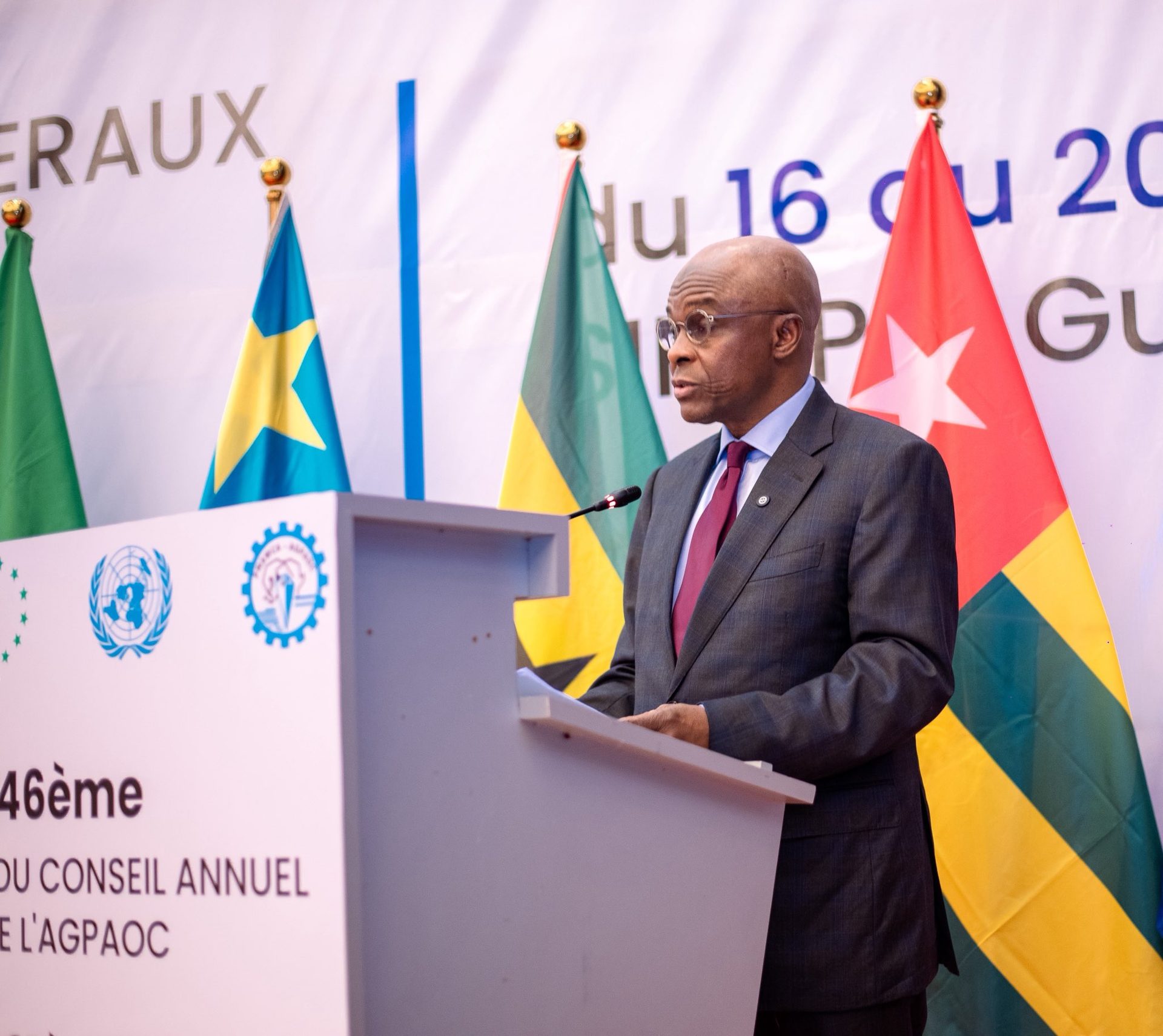
When the curtain fell on the 46th Annual Council Meeting and 21st Roundtable of Managing Directors of the Port Management Association of West and Central Africa (PMAWCA) in Sipopo, Malabo, Equatorial Guinea, one historic chapter closed and a harder test began.
After two eventful years as the first Nigerian President and Chairman of Council of PMAWCA, the Managing Director of the Nigerian Ports Authority (NPA), Dr. Abubakar Dantsoho, handed over the baton to Aly Koita, Director-General of the Autonomous Port of Conakry.
Representing 20 coastal countries and five landlocked nations, PMAWCA sits at the economic lifeline of over 400 million people.
Yet for decades, regional maritime bodies along the Gulf of Guinea were often criticized as polite talking shops where port chiefs met annually, read speeches, and returned home to the exact same bottlenecks.
Between November 2024 and November 2026, Dr. Dantsoho worked deliberately to change that culture—shifting PMAWCA from a ceremonial club into a reform-minded technical bloc.
What legacies did Dr. Dantsoho leave behind?
Dr. Dantsoho’s presidency stood on three practical pillars that reshaped both PMAWCA and Nigeria’s standing in global shipping:
Putting Digitalisation and Interoperability at the Centre:
Rather than treating technology as cosmetic window dressing, Dantsoho pushed the doctrine that modern ports win on turnaround time, lower cargo dwell time, and system interoperability.
By anchoring Nigeria’s own rollout of the Port Community System (PCS) and National Single Window alongside deeper regional data-sharing, he proved that West and Central African ports cannot afford fragmented, paper-heavy border clearance while global shipping lines automate.
Linking Port Efficiency to Maritime Security:
Hosting the Joint Gulf of Guinea Commission–PMAWCA Forum in Malabo underscored a vital truth: a modern port is useless if the sea lanes leading to it are unsafe or if subsea cables and offshore pipelines are vulnerable.
Bridging port operators with Gulf of Guinea security institutions elevated PMAWCA’s strategic relevance.
*Global Voice and Youth Capacity:
From elevating Africa’s voice within the International Association of Ports and Harbors (IAPH)—where he serves as Vice President for Africa to championing youth training through the PMAWCA Professional Training Centre in Cotonou, Dantsoho raised the association’s diplomatic weight in the international maritime comity of nations.
Dissecting the Malabo Message: Cooperation Over Cutthroat Rivalry
The core message emerging from the Malabo deliberations and communique is blunt and overdue: West and Central African ports must choose strategic collaboration over destructive rivalry.
For too long, neighbouring ports along the Nouakchott–Luanda coastline have viewed one another purely as competitors fighting for transshipment cargo—even as shippers across the sub-region suffer from high port charges, slow customs clearance, weak hinterland rail and road links, and expensive transit corridors.
Geopolitical disruptions in global shipping routes have recently diverted more vessel calls toward West and Central Africa.
Nigeria’s own port performance illustrates the scale of what is possible when capacity meets reform.
In Q1 2026 alone, Nigerian ports recorded an 83.1 percent surge in transshipment container volume alongside a sharp rise in total cargo throughput.
That momentum is a golden regional opportunity, yet it is also a stress test.
Ports operating near capacity with aging equipment and shallow drafts will lose diverted vessels to better-organized hubs unless regional standards improve together.
The Future of PMAWCA: Four Hard Tests for the New Leadership
As Conakry’s Aly Koita assumes the presidency, PMAWCA’s relevance in global shipping will not be judged by the warmth of its Malabo communique, but by four concrete benchmarks over the next two years:
Enforcing Accountability, Not Just Declarations:
In his parting charge in Malabo, Dr. Dantsoho proposed that a dedicated implementation progress report be tabled at the 47th Annual Council.
PMAWCA must adopt that discipline so member ports report measurable reductions in cargo dwell time and clearance costs rather than repeating old pledges.
.Seamless Customs and Hinterland Corridors
Digital single windows inside individual ports will fail if cargo still stalls for days at land borders or lacks efficient road and rail evacuation to the five landlocked member nations.
Green Ports and Climate Finance.
Global shipping is rapidly enforcing maritime decarbonisation rules.
As Dantsoho warned in Malabo, transitioning toward “green port” standards—shore power, clean marine fuels, and coastal erosion protection—is no longer optional; it is the ticket to accessing international climate and infrastructure finance.
Cybersecurity Resilience:
As West African ports digitize cargo clearance and vessel traffic management, they become prime targets for cyberattacks.
Shared regional cyber-defense protocols must become a core PMAWCA priority.
The Bottom Line
Dr. Abubakar Dantsoho leaves PMAWCA stronger, more visible, and better respected in global maritime circles than he met it.
Now, the association must prove that coastal solidarity across its 25 member states can lower the cost of doing business for ordinary traders, manufacturers, and consumers across West and Central Africa.
Ibrahim Nasiru, a public affairs analyst, writes from Abuja
Customs
Customs suspends training of recruits over dispute with Federal Character Commission on recruitment exercise
Headlines
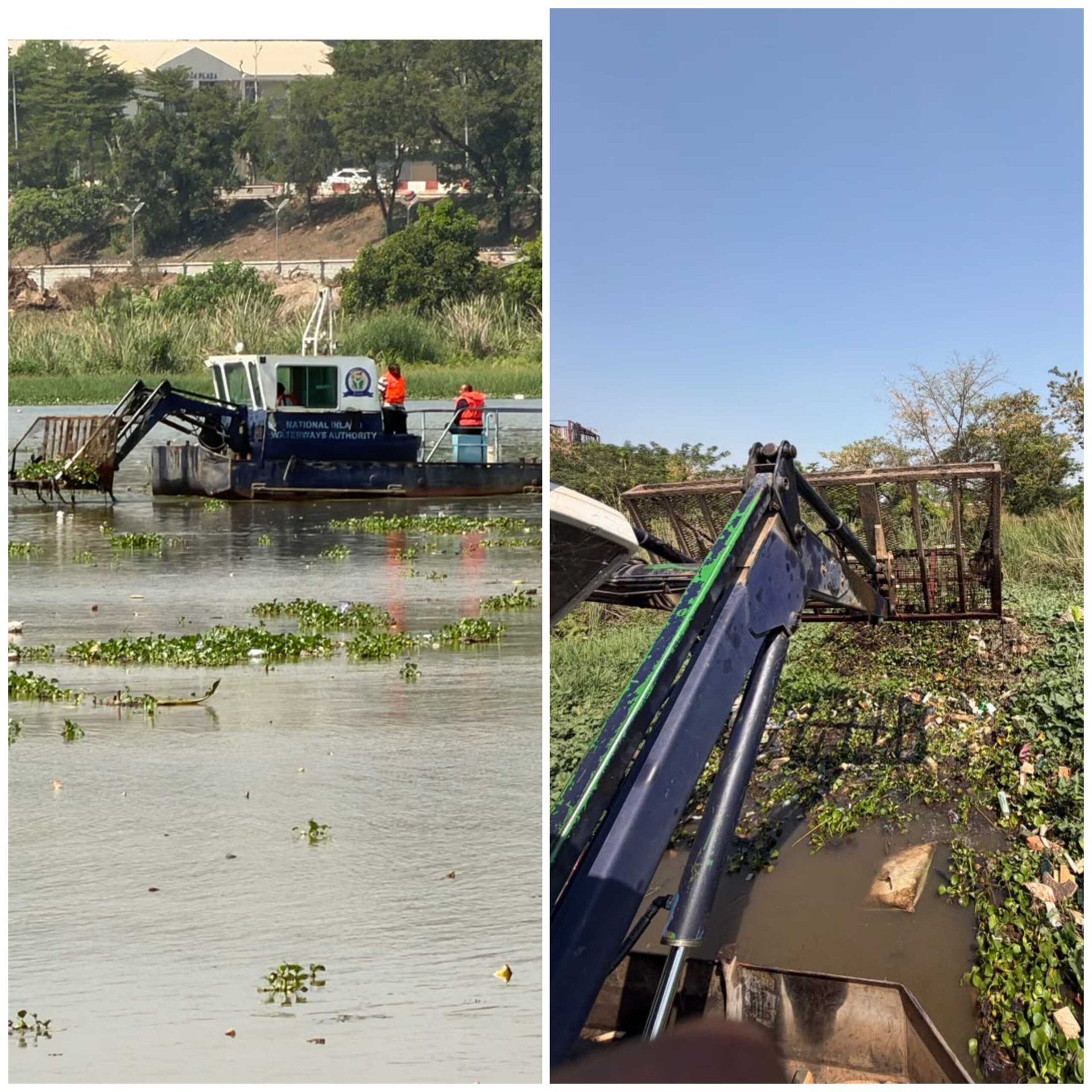
NIWA clears water hyacinth on Jabi Lake to boost navigation, tourism

 Headlines3 months ago
Oyetola presents three-year score card as blue economy industry revenue hits ₦1.83trn

 Customs2 months ago
FOU Zone ‘A’: Aliyu retires after ₦3.19bn revenue recovery, Afeni takes over

 Customs3 weeks ago
FOU Zone A: Afeni intensifies anti-smuggling operations, seizes N511.4m drugs, rescues eight pangolins

 Customs2 months ago
Nigeria, Benin Customs move to harmonise trans-border trade, establish joint border post at Seme-Krake

 Headlines3 weeks ago
Tension heightens at Osborne Foreshore Estate over alleged environmental breach by property developer
 Commentaries4 weeks ago
Beyond Shiny Tech: Why Africa’s smart ports must build plumbing before AI