Water Transport
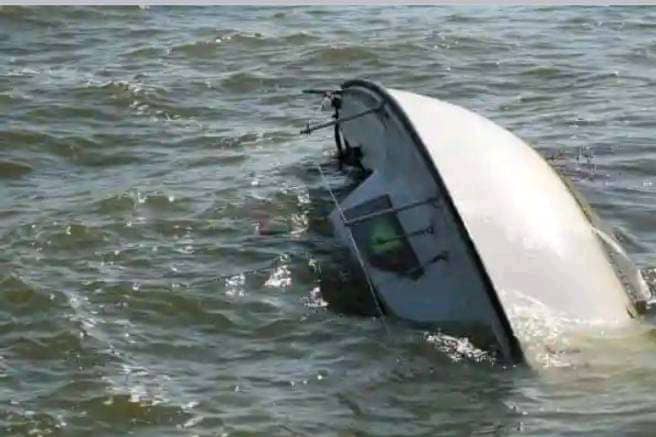
Another boat capsizes in Kogi as NIWA sends team to rescue missing passengers.



Headlines
NIWA, Parts Central launch nationwide drive to clean up Nigeria’s waterways

–-target waste, pollution, boost navigation, fisheries and blue economy
Funso Olojo, Editor
The National Inland Waterways Authority (NIWA), in partnership with Parts Central Limited, is set to launch a nationwide environmental initiative aimed at tackling pollution, indiscriminate waste disposal and debris choking Nigeria’s inland waterways.
The pioneering programme, which seeks to turn waste recovered from the waterways into economic value, is expected to simultaneously improve navigation, create employment, protect aquatic biodiversity and strengthen Nigeria’s fisheries economy.
Government officials and key private-sector stakeholders across the maritime sector have been invited to the official unveiling of the initiative scheduled for Tuesday, August 18th, 2026, at Bic Garden, Lagos.
The project was conceived under the leadership of the immediate past Managing Director of NIWA, Asiwaju Bola Oyebamiji, and represents an ambitious attempt to introduce a structured and sustainable approach to the management of waste across Nigeria’s inland waterway network.
The initiative will identify major sources of pollution and indiscriminate waste disposal, deploy organised systems for removing waste from the waterways and develop mechanisms for converting recovered waste into economic opportunities.
According to the promoters, the programme is designed not merely as a clean-up exercise but as an environmental and economic intervention capable of supporting communities that depend on the waterways for their livelihoods.
Beyond Cleaning the Waterways
A major objective of the programme is to improve the navigability of Nigeria’s inland waterways by removing debris and other pollution-related obstructions that impede the movement of boats and watercraft.
The initiative is also expected to contribute to the conservation of aquatic biodiversity, much of which remains poorly documented, while creating a cleaner and healthier environment for aquatic life.
Stakeholders believe that cleaner waterways could have significant implications for Nigeria’s fisheries sector, particularly communities whose livelihoods depend heavily on fishing and other water-based economic activities.
The project therefore places environmental sustainability at the centre of the broader economic development potential of Nigeria’s inland waterways.
Blue Economy Gets Fresh Push
The initiative aligns with the Federal Government’s emerging blue economy strategy, which seeks to move Nigeria’s maritime resources beyond their traditional use for transportation and exploit their wider economic potential.
The Minister of Marine and Blue Economy, Adegboyega Oyetola, has consistently advocated the strategic development of Nigeria’s inland waterways as important assets for economic diversification, employment creation and sustainable development.
The partnership between NIWA and Parts Central is expected to provide a practical pathway for translating some of these blue economy objectives into grassroots environmental and economic interventions.
Oyebamiji’s Legacy
The initiative also represents one of the major sustainability programmes associated with the tenure of Oyebamiji as Managing Director of NIWA.
Oyebamiji, who is now the All Progressives Congress (APC) governorship candidate in Osun State, had placed emphasis on improving the capacity and functionality of Nigeria’s inland waterways during his tenure.
The nationwide waterways clean-up programme is expected to build on that environmental and sustainability agenda by providing a structured framework for tackling one of the persistent challenges confronting inland water transportation and the wider aquatic ecosystem.
Stakeholders seek buy-in
In a joint statement, NIWA Lagos Area Manager, Engr. Sarat Braimah, and Managing Director of Parts Central Limited, Henry Olaoluwa Onifade, said the Lagos unveiling was designed to properly brief stakeholders on the initiative and secure their support for its implementation.
They stressed the importance of collaboration among government agencies, private-sector operators, waterfront communities, environmental stakeholders and other participants in the maritime ecosystem to achieve the objectives of the programme.
The partners said the success of the initiative would depend significantly on broad stakeholder participation and sustained commitment to responsible waste management.
With Nigeria’s inland waterways stretching across a vast network of rivers, creeks, lakes and navigable channels, the initiative is expected to provide a platform for a more coordinated national response to waterway pollution while unlocking new opportunities in waste recycling, environmental services, fisheries and other components of the blue economy.
The August 18 unveiling in Lagos will therefore mark the formal beginning of what the promoters envisage as a nationwide environmental intervention to make Nigeria’s inland waterways cleaner, safer, more navigable and economically productive.
Headlines
Boat Operators seek NIWA intervention over acute shortage of life jackets
Funso Olojo, Editor
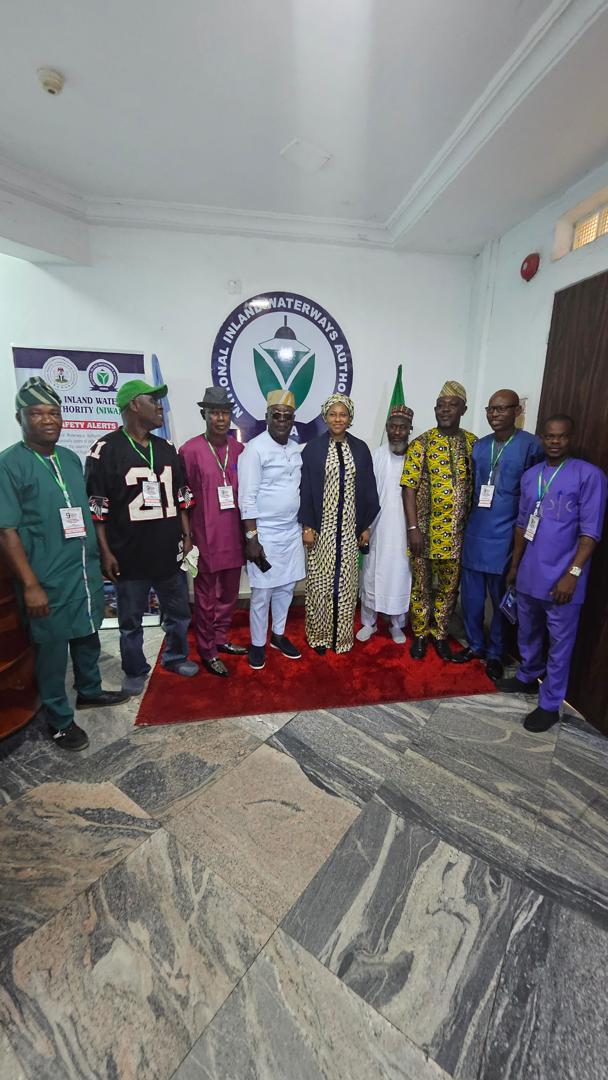
The Association of Tourist Boat Operators and Water Transporters of Nigeria (ATBOWATON), has appealed to the National Inland Waterways Authority (NIWA) to urgently address the acute shortage of life jackets across the country’s inland waterways, warning that the scarcity poses a serious threat to passenger and crew safety.
The appeal was made on Wednesday, July 29th, 2026, when the leadership and members of the association paid a courtesy visit to the NIWA Abuja Area/Liaison Office to congratulate the Acting Managing Director of the Authority, Alhaji Umar Yusuf Girei, and the Area Manager of the Abuja Area/Liaison Office, Mrs. Aisha Eri, on their recent appointments.
Speaking on behalf of the association, the National President of ATBOWATON, Dr. Gani Tarzan Balogun, commended NIWA for its sustained support to boat operators across the country, particularly its commitment to improving safety on Nigeria’s inland waterways.
He noted that the Authority’s safety initiatives have yielded positive results, especially in the South-West region, but stressed that the shortage of life jackets remains one of the most pressing challenges confronting operators.
According to him, the provision of adequate life jackets is essential to safeguarding passengers and crew members and should remain a top priority for the Authority.
Dr. Balogun also urged NIWA to intensify efforts to improve the navigability of inland waterways, noting that a more efficient water transport system would reduce pressure on the nation’s overstretched road network by providing commuters and cargo operators with a safer and more reliable alternative.
Responding, the Acting Managing Director of NIWA, Alhaji Umar Yusuf Girei, appreciated the association for the visit and congratulatory message.
He assured the delegation that the Authority had already begun addressing many of the concerns raised, explaining that several interventions were already underway before the visit.
Also speaking, the Area Manager of the NIWA Abuja Area/Liaison Office, Mrs. Aisha Eri, described the visit as timely and encouraging.
She urged members of ATBOWATON to deploy their wealth of experience towards the development of water transportation in the Federal Capital Territory, expressing confidence that their expertise would contribute significantly to strengthening safe and efficient inland water transport in the FCT.
Headlines
NIWA steps up waterways safety campaign as rainy season intensifies
Funso OLOJO, Editor
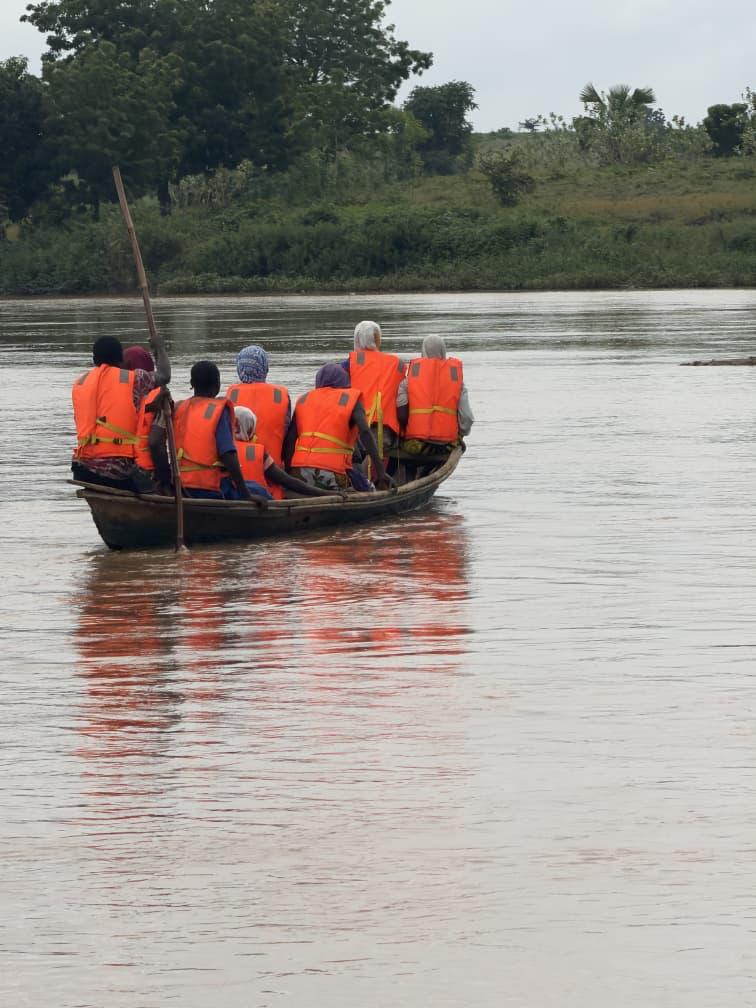
As the rainy season reaches its peak, bringing rising water levels, stronger currents and increased pollution, the National Inland Waterways Authority (NIWA) has intensified its waterways safety campaign by sensitising waterfront communities in the Federal Capital Territory (FCT) on safe navigation and environmental protection.
The NIWA Abuja Area/Liaison Office on Wednesday, July 29, 2026, conducted a Marine Safety and Environmental Protection Campaign at the Abaji Area Council, aimed at promoting safer water transportation and encouraging environmental stewardship among residents living in riverine communities.
The awareness programme reinforced the importance of adhering to safe navigation practices, proper use of safety equipment, and the collective responsibility of protecting Nigeria’s inland waterways from pollution and other environmental hazards.
The initiative aligns with the Renewed Hope Agenda of President Bola Ahmed Tinubu’s administration and supports the Federal Government’s policy of zero tolerance for water transport accidents and safety infractions.
Speaking during the campaign, the Area Manager of the Abuja Area/Liaison Office, Hajia Aisha Eri, expressed appreciation to the host communities for their cooperation and commitment to the exercise.
She reaffirmed NIWA’s determination to continue safeguarding the nation’s inland waterways while protecting the lives and livelihoods of those who depend on them.
Also speaking, the Emir of Kwali, HRH Alhaji Adamu Saba Aguma, commended NIWA for taking the safety enlightenment campaign to grassroots communities. He pledged the full support of traditional institutions in ensuring compliance with safety regulations and protecting the waterways.
Other traditional rulers, including the District Head of Kundu, John Dogole; the Sarkin Tungbufu, Mohammed Yusuf; the Sarkin Nassarawa, Ayahaya Nassarawa; the Sarkin Kutara, Musa Wabai; the Sarkin Kwago and Padama, Musa Alanana; and the Sarkin Kwakwa, Abdullahi Kwakwa, also lauded the initiative.
They expressed appreciation for the sensitisation programme and assured NIWA of their communities’ commitment to implementing the safety measures and environmental practices highlighted during the campaign.
The sensitisation exercise forms part of a nationwide directive by the Minister of Marine and Blue Economy, Adegboyega Oyetola, mandating sustained engagement with littoral communities to promote safety consciousness and reduce accidents on Nigeria’s inland waterways.
In line with the directive, the Acting Managing Director of NIWA, Alhaji Umar Yusuf Girei, has instructed all Area Offices nationwide to accord the campaign the highest priority as part of the Authority’s broader strategy to enhance waterways safety.
NIWA said the Abuja Area Office will extend the campaign to other waterfront communities within and around the FCT in the coming week as it continues efforts to promote safer inland water transportation during the peak of the rainy season.

 Customs2 months ago
Customs releases final recruitment list for ASC II, ends nearly one-year wait for applicants
- Headlines3 months ago
As NRC recovers ₦200m stolen railway assets, Opeifa vows diligent prosecution of suspects
- Customs3 months ago
Customs launches MIS file tracker at PTML in fresh digitalisation drive
- Customs2 months ago
Apapa Customs sets new record of monthly revenue haul with ₦323bn collection in July
- Customs2 months ago
Apapa Customs sets new single-day revenue record with ₦28.1bn collection
- Headlines1 month ago
Oyetola presents three-year score card as blue economy industry revenue hits ₦1.83trn