
Headlines
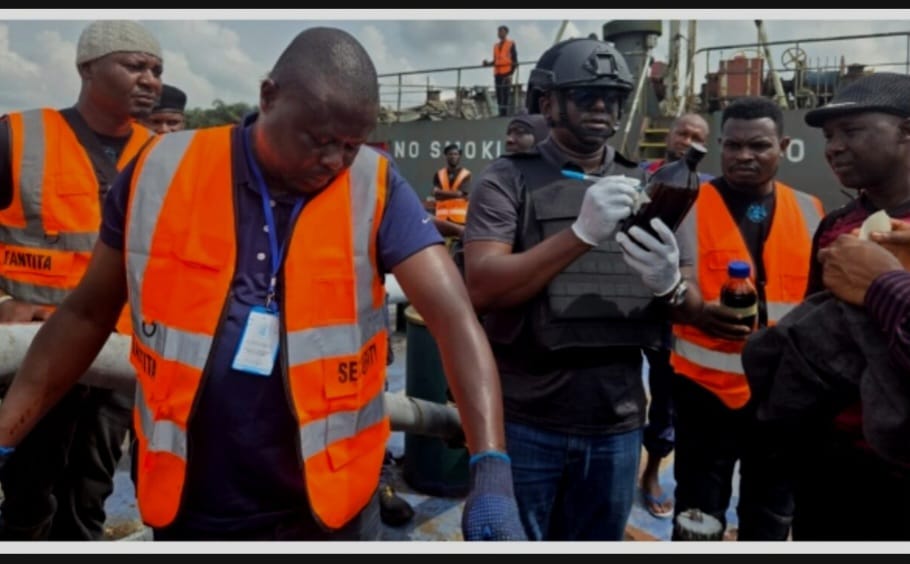
Tantita intercepts stolen crude on escort of Delta Marine Police, arrests four suspects

Headlines
MARAN trains 20 members at shipping institute, pledges sustained capacity building

Gloria Odion, Maritme reporter
The Maritime Reporters Association of Nigeria (MARAN) has trained 20 of its members at the Chartered Institute of Shipping of Nigeria (CISN) in a renewed effort to deepen maritime journalists’ technical knowledge, strengthen professional competence and improve the quality of reporting on Nigeria’s shipping industry and emerging blue economy.
The Graduate Induction Training Programme, which ended on Saturday, October 10, 2026, exposed participants to the technical, regulatory, operational and environmental dimensions of the maritime industry.
Participants are expected to obtain a Postgraduate Diploma Certificate in Shipping upon successful completion of the programme.
The training covered critical areas, including maritime safety and security, integrated marine environment management, shipping and port management, cargo clearance procedures and documentation, as well as the marine and blue economy.
The initiative underscores MARAN’s determination to bridge the knowledge gap between maritime journalism and the technical realities of the shipping industry, equipping its members with the expertise required to report more accurately and analytically on developments across the sector.
Delivering the first lecture, a CISN lecturer, Mr Patrick Ambakederimo, examined the principles of maritime safety and security, highlighting their significance to efficient shipping operations, the protection of lives and property, and the sustainability of maritime activities.
He discussed the identification and management of risks associated with vessel operations, cargo handling and other maritime activities, emphasising the need for strict compliance with safety regulations, regular inspections, adequate crew training and effective emergency response mechanisms.
Participants were also exposed to the importance of intelligence sharing, effective surveillance, coordinated security operations and adherence to relevant international maritime security standards.
The lecture distinguished between maritime safety, which focuses on preventing accidents and operational hazards, and maritime security, which addresses deliberate threats, unlawful activities and other hostile acts within the maritime domain.
Another CISN lecturer, Mr Sunday Duru, delivered a lecture on integrated marine environment management, examining the need for coordinated strategies to protect marine and coastal ecosystems from the environmental pressures associated with shipping, port operations and coastal development.
Duru stressed the importance of collaboration among government agencies, maritime operators, environmental organisations, coastal communities and other stakeholders in addressing environmental challenges confronting the maritime industry.
He identified marine pollution, oil spills, improper waste disposal, plastic pollution and the degradation of coastal ecosystems as critical concerns requiring sustained attention.
He also highlighted the importance of environmental monitoring, pollution prevention, proper waste management and effective enforcement of environmental regulations in safeguarding Nigeria’s marine resources.
Other courses covered shipping and port management, cargo clearance procedures and documentation, and the marine and blue economy.
These sessions were designed to broaden participants’ understanding of the commercial and operational processes underpinning shipping and port activities, while exposing them to the economic opportunities available in fisheries, coastal tourism and other ocean-related industries.
Speaking on the initiative, MARAN President, Oluyinka Onigbinde, reaffirmed the association’s commitment to sustained capacity building as a strategy for producing a corps of maritime journalists equipped to report the industry with greater accuracy, depth and professionalism.
Onigbinde maintained that effective maritime journalism required more than the ability to gather information and write news reports, stressing that journalists must understand the policies, regulations, commercial transactions and operational processes that shape the industry.
According to him, a technically informed maritime press would be better positioned to interrogate policy decisions, scrutinise industry practices, hold stakeholders accountable and explain complex maritime issues to the public.
He said MARAN would sustain its professional development initiatives through strategic partnerships with maritime institutions, government agencies and private-sector operators, creating more opportunities for members to acquire specialised knowledge and practical industry experience.
The association, he added, would continue to explore training programmes that expose members to emerging trends in shipping, port operations, maritime security, international trade and the blue economy.
Onigbinde stressed that continuous professional development was essential to strengthening the credibility of maritime journalism and improving public understanding of the sector’s contribution to national economic growth.
He expressed optimism that the knowledge acquired by participants would translate into improved reporting, particularly in the coverage of port efficiency, shipping operations, maritime safety, environmental sustainability and government policies affecting the industry.
The training comes at a time when Nigeria is intensifying efforts to improve port competitiveness, strengthen maritime security, promote environmental sustainability and unlock the economic potential of its marine resources.
For MARAN, the programme represents an investment not only in the professional development of its members but also in the quality of public discourse on the maritime industry.
By equipping journalists with a deeper understanding of the sector’s technical and commercial realities, the association hopes to promote more informed reporting, strengthen accountability and enhance public appreciation of the maritime industry’s role in Nigeria’s economic development.
Customs
MACI hails Customs’ anti-corruption framework, demands full implementation
Funso OLOJO, Editor
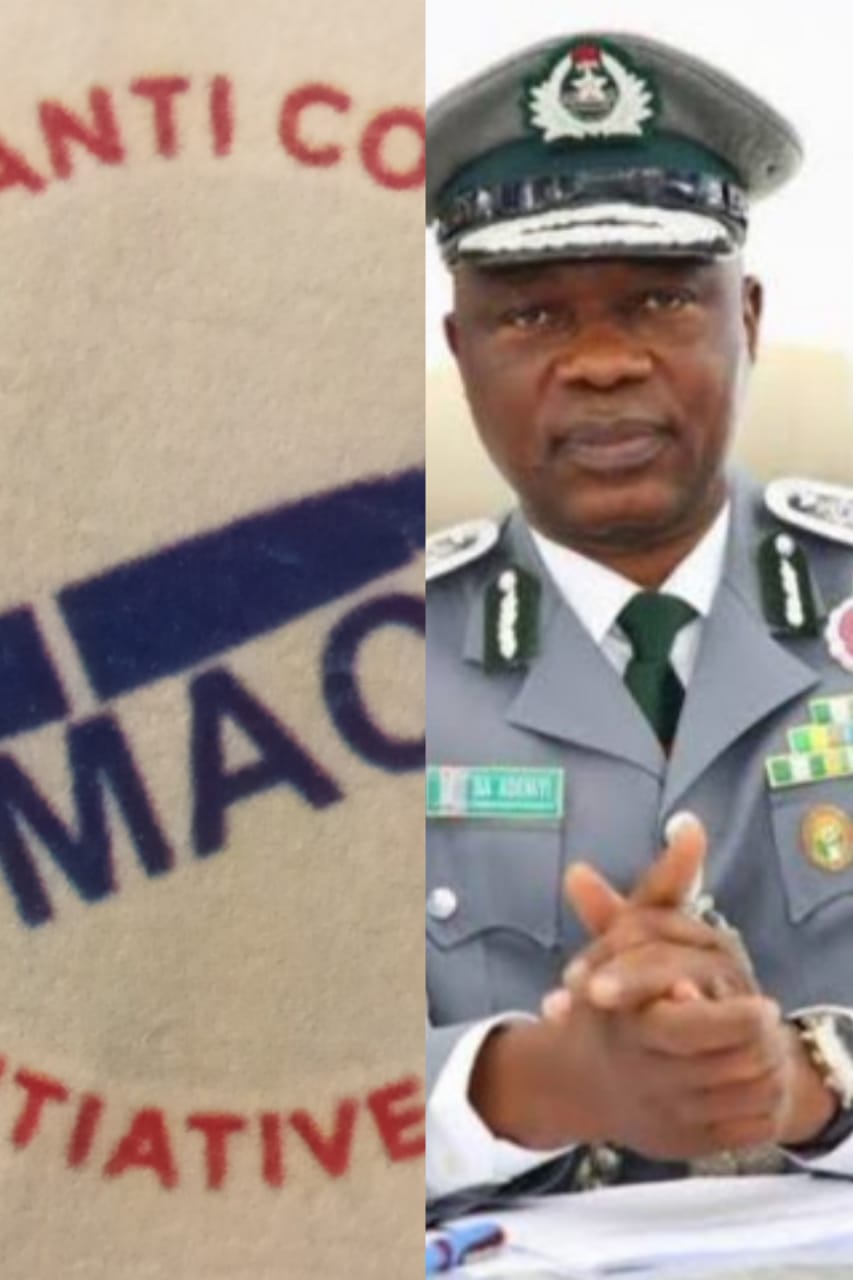
The Media Anti-Corruption Initiative (MACI) has applauded the Comptroller-General of Customs, Adewale Adeniyi, for introducing a comprehensive anti-corruption framework aimed at identifying institutional vulnerabilities, strengthening internal controls and promoting integrity across the operations of the Nigeria Customs Service (NCS).
The initiative, which MACI described as a significant milestone in the fight against corruption within the Service, is anchored on three key documents signed by the Customs chief: the Standard Operating Procedure (SOP) for Internal Corruption Risk Analysis and Mapping (ICRAM), the ICRAM Handbook and the Integrity Action Plan (IAP).
In a statement jointly signed by MACI President, Funso Olojo, and Project Coordinator, Lod Onyeji, the organisation described the development as a “pivotal moment in the fight against corruption within the Nigeria Customs Service.”
Mr Olojo, who commended the initiative of the Customs, noted that the stance of the agency on corruption is in alignment with the aims and objectives of MACI which is an advocate for corruption- free society.
The signing ceremony, held on October 6th, 2026, at the NCS Headquarters in Abuja, also witnessed the inauguration of the ICRAM Steering Committee, which is responsible for identifying, assessing and mapping corruption risks across the Service’s operations.
According to the statement, the framework represents a proactive institutional approach to tackling corruption by identifying vulnerabilities in Customs processes and establishing measures to prevent abuse of office, improve accountability and strengthen public confidence in the Service.
The Comptroller-General, Adeniyi, disclosed that the framework was developed in collaboration with the World Customs Organisation (WCO) and partner administrations, including His Majesty’s Revenue and Customs (HMRC) of the United Kingdom.
He explained that the documents provide practical guidance for Customs officers operating at seaports, land borders and airports, equipping them with procedures and controls designed to promote integrity, transparency and accountability in the discharge of their responsibilities.
MACI noted that the introduction of the framework followed a pilot programme conducted across seven Customs Commands and Units, covering 66 processes spanning regulatory activities, core Customs operations and support functions.
The exercise culminated in the development of a comprehensive Integrity Action Plan containing 101 action items and 295 sub-actions designed to address identified corruption risks and strengthen institutional safeguards.
Key measures outlined in the plan include increased automation and improved audit trails, stronger supervisory mechanisms, clearer accountability structures, effective segregation of duties, regular staff rotations and targeted training programmes.
The framework also seeks to strengthen controls governing interactions between Customs officers and stakeholders, an area considered critical to reducing opportunities for corrupt practices and improving compliance with established procedures.
MACI commended the Customs leadership for adopting a risk-based approach to corruption prevention, noting that identifying and addressing institutional weaknesses before they are exploited is essential to building a transparent and accountable public institution.
The organisation, however, stressed that the effectiveness of the initiative would ultimately depend on the consistent implementation of the prescribed measures across all commands and operational units of the Service.
It therefore urged Customs management, officers, stakeholders and relevant partner institutions to support the full implementation of the framework to ensure that the initiative delivers measurable improvements in institutional integrity.
MACI expressed confidence that effective implementation of the ICRAM framework and Integrity Action Plan would strengthen internal controls, reduce corruption risks, promote ethical conduct and enhance public trust in the Nigeria Customs Service.
The organisation emphasised that the new framework should not merely remain a collection of policy documents but should translate into tangible changes in operational practices, staff conduct and the overall culture of accountability within the Service.
Headlines
NIMASA flaunts automation process of Nigerian ship registry at 2- day webinar with stakeholders
Funso OLOJO Editor
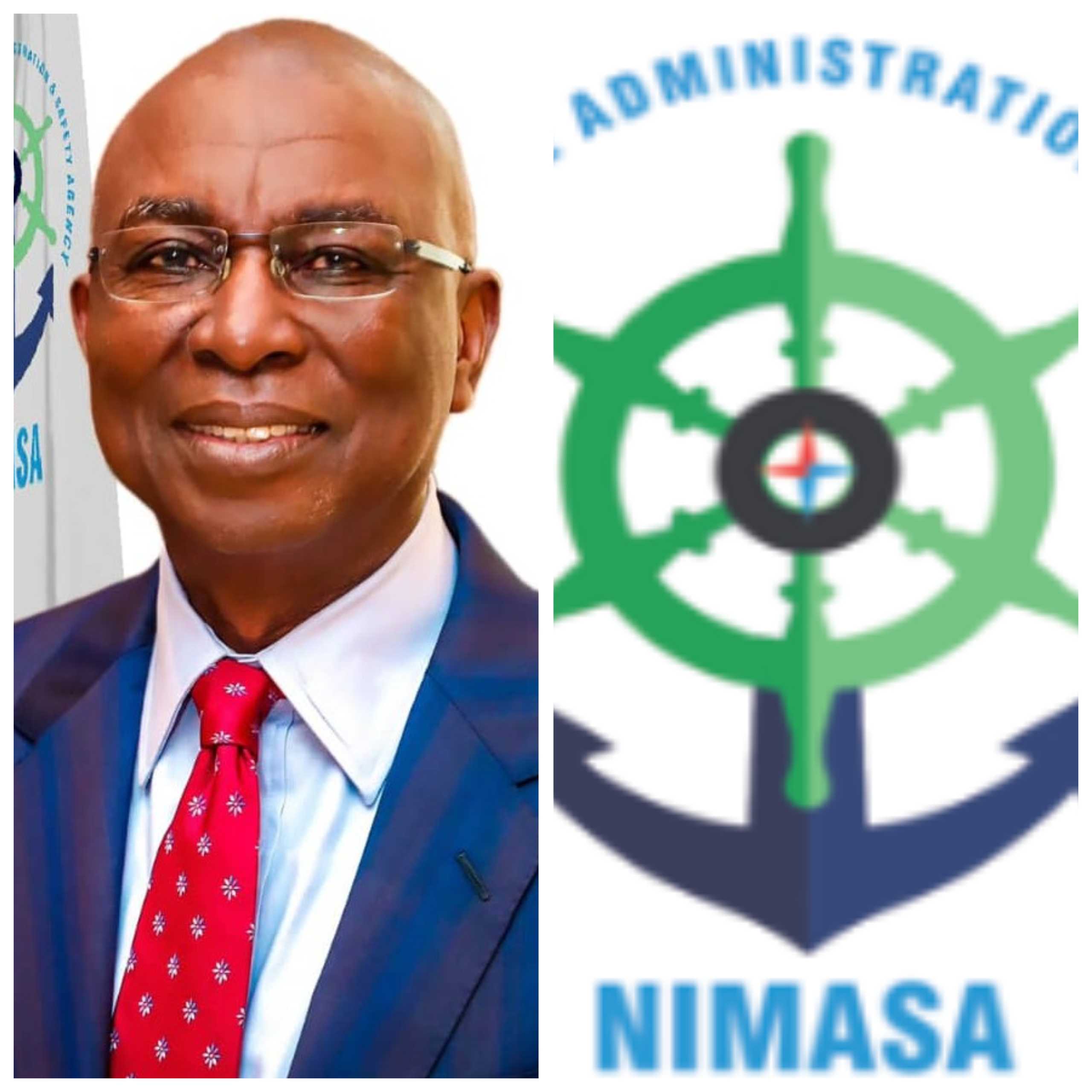
The Nigerian Maritime Administration and Safety Agency (NIMASA) will host a two-part stakeholder webinar on October 6 and 8, 2026, to showcase the ongoing automation of the Nigerian Ship Registry as part of efforts to modernise ship registration services and enhance the competitiveness of the Nigerian flag.
The webinars will provide shipowners, operators, maritime professionals, financial institutions, insurers and other stakeholders with insights into the new digital registration platform and its potential to significantly improve the speed, transparency and efficiency of ship registration and related services.
The automated system is designed to enable 24/7 access to registration services, streamline application and approval processes, and facilitate faster issuance of electronic certificates, thereby reducing administrative delays associated with conventional paper-based procedures.
A key feature of the platform is its capacity to provide secure, real-time tracking of ship mortgages and related registry transactions. This will strengthen transparency and provide greater visibility for stakeholders, including financial institutions and other parties involved in vessel financing.
The automation initiative is also expected to make interaction with the Nigerian Ship Registry more seamless for local and international shipowners, while improving the Agency’s ability to deliver efficient, responsive and globally competitive flag-state services.
Speaking on the initiative, the Director-General/Chief Executive Officer of NIMASA, Dr Dayo Mobereola, said the automation of the Ship Registry was part of the Agency’s broader commitment to transforming the Nigerian flag and creating an enabling environment for increased participation in the global shipping industry.
“The automation of the Nigerian Ship Registry represents a significant step in our commitment to providing efficient, transparent and globally competitive services to shipowners and other maritime stakeholders.
“Our objective is to make the Nigerian flag more accessible, responsive and attractive through technology-driven processes that meet international standards,” Mobereola declared.
The ongoing user-testing phase is focused on validating the platform’s functionality, security and user experience ahead of its official deployment.
NIMASA said the webinars would also provide an opportunity for stakeholders to understand the platform, experience its key features and provide feedback as the Agency moves towards full implementation.
The Agency is inviting shipowners, ship managers, maritime professionals, financial institutions, insurers, legal practitioners, classification societies and other interested stakeholders to participate in the webinars.

 Customs3 months ago
Customs releases final recruitment list for ASC II, ends nearly one-year wait for applicants
- Headlines3 months ago
As NRC recovers ₦200m stolen railway assets, Opeifa vows diligent prosecution of suspects
- Customs3 months ago
Customs launches MIS file tracker at PTML in fresh digitalisation drive
- Customs2 months ago
Apapa Customs sets new record of monthly revenue haul with ₦323bn collection in July
- Headlines1 month ago
Oyetola presents three-year score card as blue economy industry revenue hits ₦1.83trn
- Customs2 months ago
Apapa Customs sets new single-day revenue record with ₦28.1bn collection