Connect with us

Headlines

Hope rises for stable power as Tinubu approves N3.3 trillion payment plan to stabilise electricity supply

Funso OLOJO Editor 
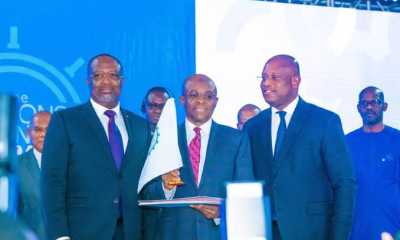
The hope to end the epileptic power supply and guarantee reliable electricity in the country has received a big boost when President Bola Ahmed Tinubu approved the sum of N3. 3 trillion pay plan to finally settle the outstanding debts under the Presidential Power Sector Financial Reforms Programme.
In a statement on Sunday, April 5th, 2026 and signed by Bayo Onanuga, the Special Adviser to the President on Information and Strategy, the debt repayment plan followed the final review of the legacy debts that have beset the power sector for more than a decade.
“The long-standing debts accumulated between February 2015 and March 2025. Following verification, ₦3.3 trillion has been agreed as a full and final settlement, ensuring a fair and transparent resolution.
“Implementation has begun, with 15 power plants signing settlement agreements totalling ₦2.3 trillion.
“The Federal Government has already raised ₦501 billion to fund these payments. Out of the amount, N223 billion has been disbursed, with further payments underway.
“What this means for Nigerians: With payments reaching the power value chain, generation will be more stable. With power plants supported, electricity reliability will improve.
“And as the sector stabilises, more investment, more jobs, and better service will follow.
“This programme is not just about settling legacy debts. It is about restoring confidence across the power sector — ensuring gas suppliers are paid, power plants can keep running, and the system begins to work more reliably,” explained Olu Arowolo-Verheijen, Special Adviser on Energy to President Tinubu.
“It is part of a broader set of reforms already underway — including better metering and service-based tariffs that link what you pay to the quality of electricity you receive.
“The government is also prioritising power supply to businesses, industries, and small enterprises — because reliable electricity is critical to creating jobs, supporting livelihoods, and growing the economy.
“The goal is simple: more reliable power for homes, stronger support for businesses, and a system that works better for all Nigerians,” she added.
President Tinubu has commended all stakeholders who supported efforts to resolve the legacy issues in the power sector. He has also confirmed that the next phase (Series II) will begin this quarter.
Nigeria has been in the vice grip of epileptic power supply due to debt dispute between the Federal government and the electricity vendors who claimed the government was owing them a huge amount of money, attributing the dip in power generation to lack of gas supply to the power plants as they were owing the supplies of gas.
Continue Reading
Click to comment

Leave a Reply

Your email address will not be published. Required fields are marked *

Headlines

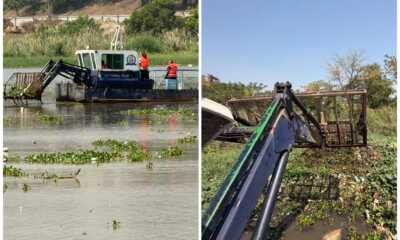
NIWA clears water hyacinth on Jabi Lake to boost navigation, tourism
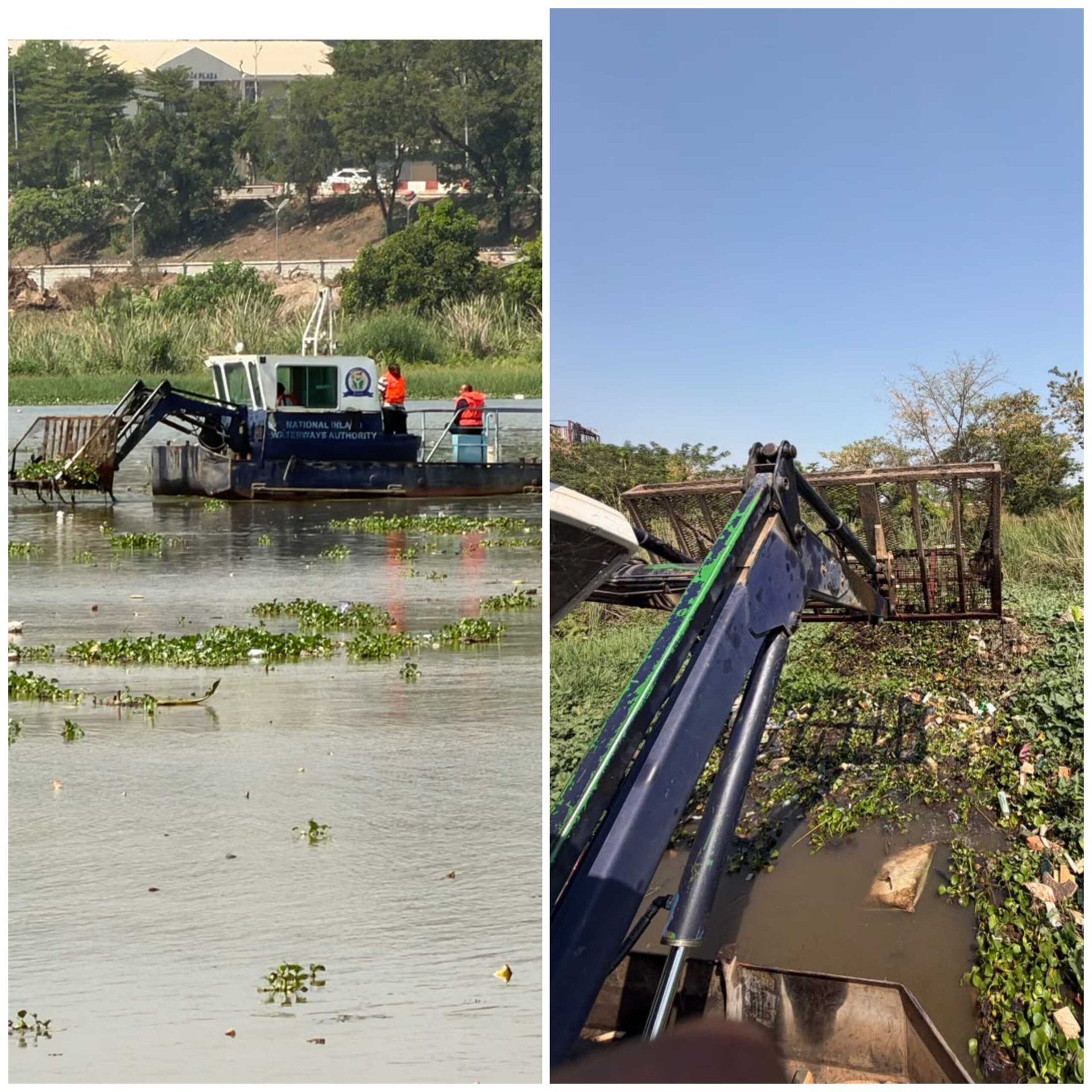
Water hyacinth clearance exercise on Jabi Lake
Funso OLOJO, Editor 
The National Inland Waterways Authority (NIWA) has launched a major water hyacinth clearance operation on Jabi Lake, Abuja, in a renewed effort to restore the water body’s navigability, improve its environmental condition and sustain tourism and recreational activities around the popular waterfront.
The exercise, which commenced on Monday, November 17, 2026, is designed to tackle the proliferation of water hyacinth, an invasive aquatic weed that poses a threat to safe navigation, undermines the aesthetic appeal of the lake and disrupts water-based recreational activities.
The operation is being coordinated and closely supervised by NIWA’s Abuja Area Manager, Hajia Aisha Eri, who said considerable progress had been recorded in removing the invasive vegetation and restoring the lake to a condition conducive to boating and other recreational activities.
Eri’s direct involvement in the exercise reflects the Authority’s determination to translate its environmental sustainability commitments into practical interventions that promote safe inland water transportation, protect aquatic environments and unlock the tourism potential of Nigeria’s inland waterways.
The ongoing operation has also received the attention of NIWA’s Acting Managing Director, Mr. Umar Yusuf Girei, who visited the site to underscore the Authority’s commitment to effective waterway management, environmental protection and the development of inland waterfront destinations.
Girei explained that the clearance exercise formed part of NIWA’s broader strategy to reclaim waterways, improve navigational channels and reduce safety risks associated with the uncontrolled spread of invasive aquatic vegetation.
“NIWA remains steadfast in reclaiming our waterways for safe human navigation. By clearing these invasive weeds, the Authority is opening up unobstructed channels and drastically reducing the risk of marine accidents, ensuring that commerce, transportation and tourism around hubs like Jabi Lake remain smooth, reliable and secure,” Girei said
Beyond restoring the lake’s navigability, the intervention is expected to enhance its environmental quality, improve its attractiveness to tourists and create a more conducive environment for boating, leisure and other waterfront activities.
Jabi Lake is one of Abuja’s prominent recreational destinations, attracting visitors and supporting businesses that depend on water-based leisure and tourism.
The unchecked spread of water hyacinth, however, can obstruct navigation, compromise the lake’s appearance and undermine its potential as a sustainable tourism destination.
The clearance exercise therefore represents an important intervention in protecting the economic and recreational value of the water body.
NIWA reiterated its commitment to maintaining cleaner, safer and more navigable inland waterways across the country, stressing that effective waterway management remains critical to the growth of inland water transportation, environmental sustainability and Nigeria’s emerging blue economy.
Continue Reading

Customs

Customs reviews B’Odogwu system in Lisbon, targets faster cargo clearance, higher revenue
Gloria Odion Maritime Reporter 
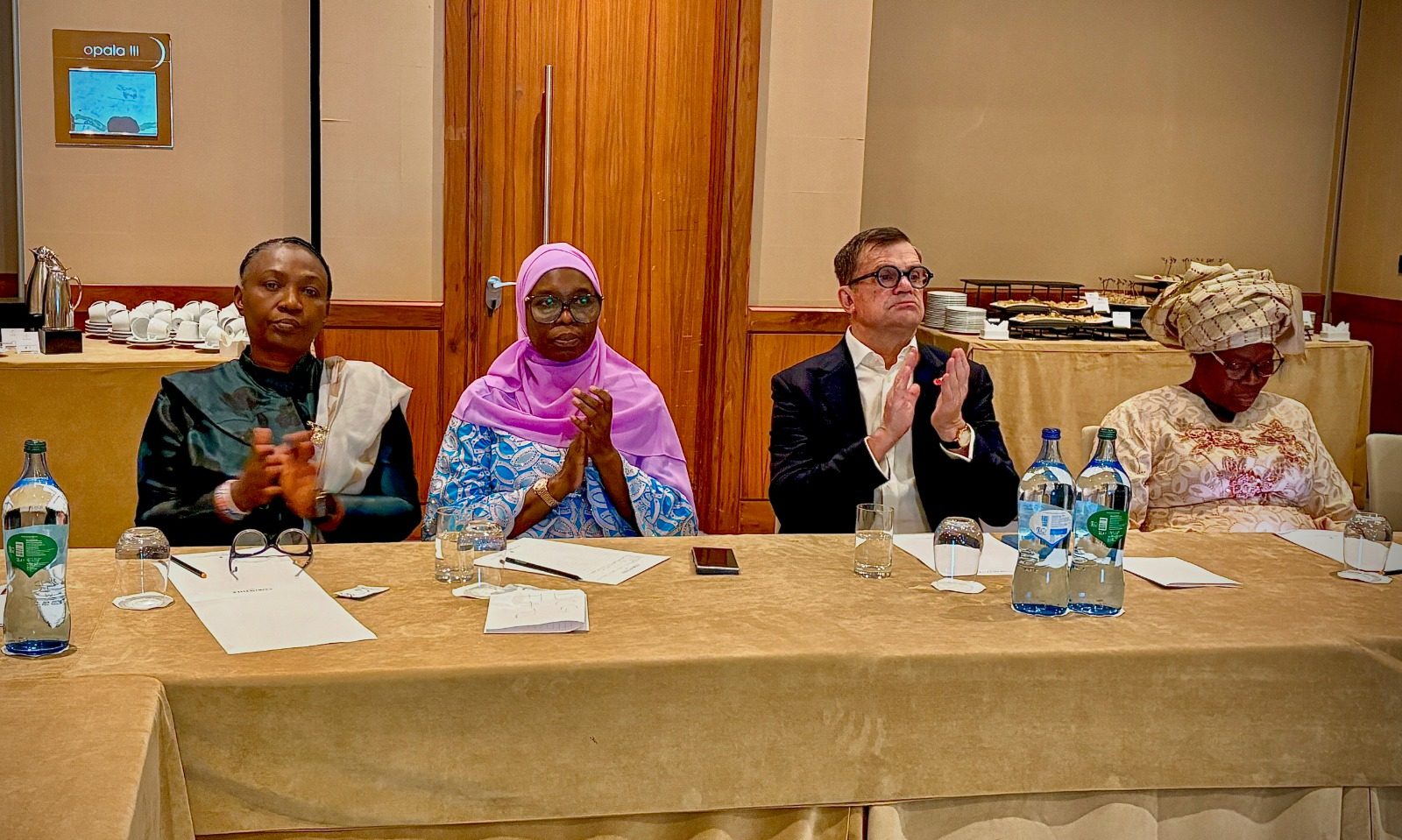
The Nigeria Customs Service (NCS) has concluded a three-day strategic review of its B’Odogwu Unified Customs Management System in Lisbon, Portugal, with a series of resolutions designed to address operational bottlenecks, accelerate cargo clearance, strengthen cargo tracking and optimise revenue collection.
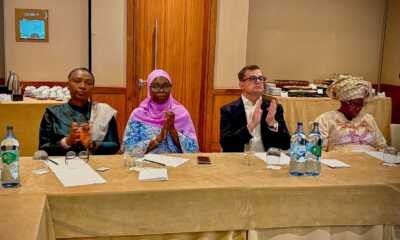
The workshop, held from November 9 to 11, 2026, at the Corinthia Hotel, brought together senior NCS management and officers, Trade Modernisation Project Limited (TMPL) and CB-XP representatives to assess the system’s performance, identify implementation gaps and develop a roadmap for improving its efficiency.
The review focused on consolidating the gains recorded since the introduction of B’Odogwu while addressing technical and operational challenges affecting its deployment across Customs commands.
Speaking at the opening ceremony on November 9, the Deputy Comptroller-General of Customs in charge of ICT Modernisation, Oluyomi Adebakin, commended the Comptroller-General of Customs, Adewale Adeniyi, for his commitment to technological innovation and capacity development within the Service.
The Managing Director of TMPL, Jummai Umar-Ajijola, who represented the company’s Chairman, Saleh Ahmadu, disclosed that the B’Odogwu platform had attracted the attention of the African Continental Free Trade Area (AfCFTA) Secretariat, reflecting its growing relevance to regional trade facilitation.
She added that improvements to the system had contributed to increased revenue generation and strengthened the Customs revenue ecosystem.
Umar-Ajijola said the workshop provided an opportunity to develop a concrete roadmap for consolidating the achievements recorded over the past three years and identifying priorities for the next phase of the project.
“We are to work to find a concrete plan not only to consolidate but to build a change roadmap going forward at the assessment of the three years so far,” she said.
She also commended the NCS Public Relations Unit for its consistent communication and reporting on the project.
Among the major resolutions reached was the upgrading of the Electronic Cargo Tracking System (ECTS), alongside measures to strengthen bond and transit management, automate Customs Procedure Code approvals and streamline the processing of import, export, re-importation and transit declarations.
Participants also agreed on the need to harmonise Customs Procedure Code nomenclature to promote uniformity, operational efficiency and accountability across Customs operations.
On cargo monitoring, the workshop considered plans to integrate the upgraded ECTS with B’Odogwu and replace 200 obsolete electronic seals with 2,000 newly procured units.
The proposed improvements also include individual container tracking for applicable transit declarations, enhanced bond registration and validation processes, and tighter monitoring of bonded cargo movements to curb diversion and other transit-related infractions.
In another major area of deliberation, participants examined the proposed integration of B’Odogwu with the Nigeria Export Processing Zones Authority (NEPZA), as well as improvements to the Transire Processing System.
The workshop further identified the need to upgrade the platform’s reporting dashboard, search filters and Harmonised System (HS) Code search functionality to make information retrieval and transaction monitoring more efficient.
Other proposed enhancements include providing access to previously processed declarations, improving the monitoring of procedure code applications, introducing system alerts to reduce processing errors and incorporating Time Release Study requirements into the platform.
The resolutions also addressed operational procedures, with participants reviewing Standard Operating Procedures (SOPs) for Bond Management, Transire Commands and Export Commands to ensure conformity with the Nigeria Customs Service Act 2023.
To strengthen project governance and prevent unauthorised system changes, the workshop resolved that all requests for modifications to B’Odogwu must undergo review and receive approval from the Officer in Charge of the Project Management Office before deployment.
Participants also reviewed the project’s communication plan, emphasising the importance of stronger engagement with stakeholders to ensure effective implementation and wider acceptance of the system.
At the closing ceremony on November 11, the Deputy Comptroller-General of Customs in charge of Finance, Administration and Technical Services (FATS), Kikelomo Adeola, stressed the importance of translating the workshop’s resolutions into measurable operational improvements.
The closing session featured a presentation by the Customs Area Controller, Comptroller Murtala Mu’azu, while the Chairman of CB-XP, Edward Bowen, delivered goodwill remarks.
To ensure effective implementation, specific responsibilities were assigned to relevant NCS and TMPL units, with the expectation that the agreed technical and operational interventions would translate into improved system performance.
The Lisbon review marks another phase in the NCS’s efforts to strengthen digital Customs administration through B’Odogwu, with the ultimate objective of reducing cargo clearance delays, improving transparency, tightening cargo monitoring and enhancing revenue optimisation.
Continue Reading

Customs

Cole congratulates Anani on promotion, welcomes Ekok as new Tin Can Customs Controller
Gloria Odion, Maritme Reporter

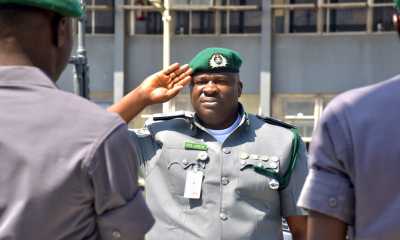
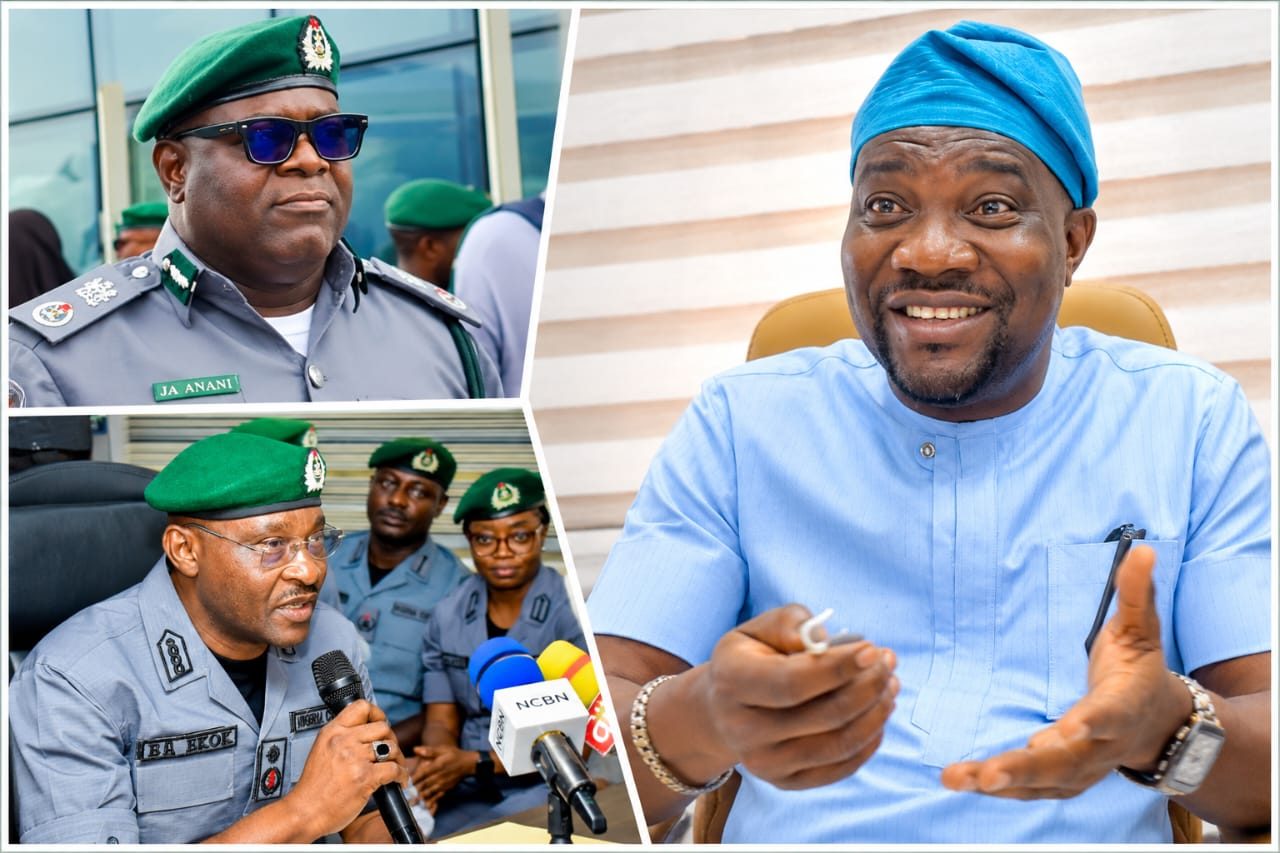
The Chairman of the Tin Can Island Chapter of the Association of Nigeria Licensed Customs Agents (ANLCA), Prince Olawale Cole, has congratulated the immediate past Customs Area Controller of Tin Can Island Port Command, Assistant Comptroller-General (ACG) Joseph Anani, on his promotion to the rank of Assistant Comptroller-General, while welcoming Deputy Comptroller Emmanuel Agbor Ekok as the new Acting Customs Area Controller of the command.

Cole described Anani’s elevation as a well-deserved recognition of his dedication, professionalism and contributions to the Nigeria Customs Service (NCS), noting that his tenure at Tin Can Island was characterised by cordial stakeholder relations and constructive engagement with port operators.

In a congratulatory message, the ANLCA chairman commended the newly promoted ACG for his accessible leadership style, openness to dialogue and willingness to engage licensed customs agents on issues affecting port operations and trade facilitation.

He said Anani’s commitment to stakeholder collaboration helped foster mutual understanding and cooperation between Customs officers and licensed customs agents, creating an enabling atmosphere for addressing operational challenges at the port.

Cole expressed confidence that Anani’s wealth of experience and professional expertise would continue to benefit the Nigeria Customs Service and the wider maritime industry in his new capacity.

He wished the former Tin Can Customs Controller success in his elevated position, describing his promotion as a source of pride to stakeholders who had worked with him during his tenure at the command.

The ANLCA chairman also congratulated Deputy Comptroller Emmanuel Agbor Ekok on his assumption of office as Acting Customs Area Controller of Tin Can Island Port Command, expressing optimism that his administration would consolidate existing stakeholder relationships and further improve operational efficiency.

Cole assured the new Acting Controller of the chapter’s readiness to sustain a productive working relationship with the command, particularly in advancing efficient port operations, facilitating legitimate trade and addressing challenges confronting customs agents and other port stakeholders.

He emphasised that effective collaboration between the Nigeria Customs Service and licensed customs agents remained essential to achieving faster cargo clearance, improving revenue generation and creating a more business-friendly port environment.

Cole urged Ekok to sustain regular consultations with stakeholders and maintain an open-door policy, especially in resolving operational concerns relating to cargo examination, customs valuation, documentation and clearance procedures.

He expressed the hope that the new Acting Controller would build on the achievements of his predecessor while introducing initiatives to strengthen stakeholder confidence, promote transparency and improve service delivery.

Cole reaffirmed the Tin Can Island Chapter of ANLCA’s commitment to supporting policies and initiatives that promote professionalism, trade facilitation, efficient port operations and the overall development of Nigeria’s maritime sector.

Continue Reading

Trending