
Headlines
Afolabi seeks investment-focused approach to global conflict prevention
Funso OLOJO, Editor
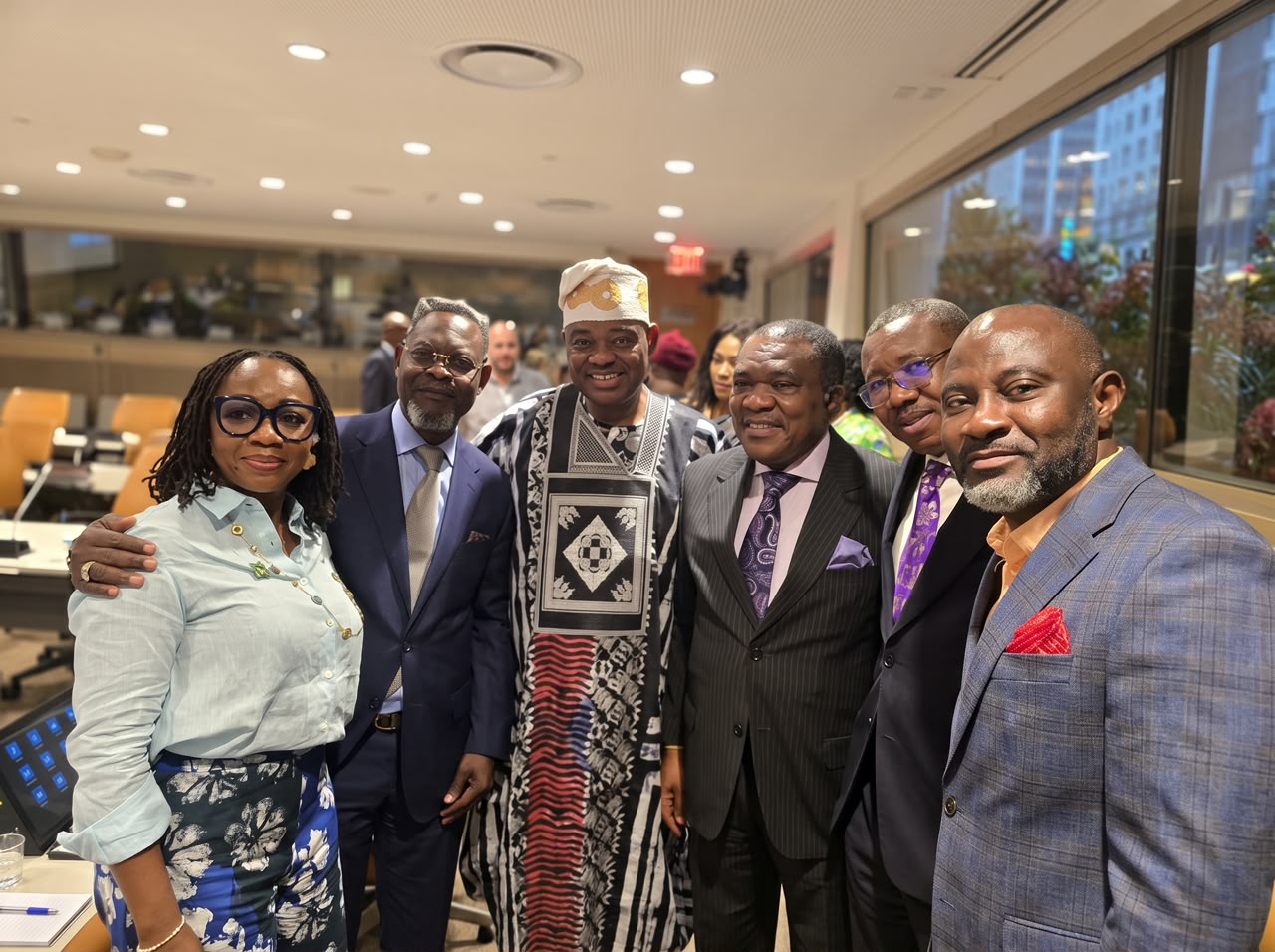
Chairman of SIFAX Group, Dr Taiwo Afolabi, has called for a fundamental shift in the global approach to conflict prevention, urging world leaders to make economic investment, infrastructure development and job creation central to efforts to build lasting peace.
Afolabi said preventing conflicts should not be limited to diplomatic interventions after crises had erupted, but must also address the economic and social conditions that make communities and nations vulnerable to instability.
He made the call in New York, United States, while speaking at the United Nations General Assembly High-Level Global Executive Roundtable on Diplomacy, Multilateralism and Conflict Resolution.
According to him, the growing combination of geopolitical tensions, economic uncertainty, climate pressures, inequality and declining public confidence in institutions requires a coordinated global response that combines preventive diplomacy with sustainable development and economic inclusion.
He argued that peace and economic prosperity were mutually reinforcing, stressing that investment could create the opportunities and shared interests necessary for more stable societies.
“Peace creates the environment for investment, investment creates opportunity, and opportunity strengthens the foundations of peace,” he said.
Afolabi said the link between peace and development was particularly significant for Africa, where infrastructure deficits, limited access to financing, trade barriers and inadequate economic opportunities continue to constrain development.
He called for an investment-driven approach to Africa’s peacebuilding efforts, with greater attention to transport infrastructure, ports, energy, technology, manufacturing, agriculture, healthcare, education and human capital development.
“Africa’s peacebuilding agenda must be accompanied by an investment agenda. We need investment in transport infrastructure, ports, energy, technology, manufacturing, agriculture, healthcare, education and human capital,” he said.
The SIFAX Group chairman also called for stronger regional value chains and improved connectivity across African economies, arguing that the successful implementation of the African Continental Free Trade Area (AfCFTA) would require investments extending beyond the signing of trade agreements.
According to him, efficient infrastructure, logistics networks, digital systems, access to finance and sustained political cooperation would be critical to translating AfCFTA into tangible economic opportunities for Africans.
“Trade and connectivity can create shared interests among nations. The success of AfCFTA depends not only on trade agreements but on infrastructure, efficient logistics, digital systems, financing and political cooperation.”
Afolabi further highlighted the role of the private sector in building economic connections that can foster cooperation among communities, businesses and countries.
Drawing from SIFAX Group’s operations spanning maritime, logistics, aviation, financial services, oil and gas and hospitality, he said infrastructure and connectivity should be viewed beyond their commercial value and recognised as instruments of broader economic development and social stability.
He explained that efficient logistics systems could connect producers to markets, manufacturers to consumers and businesses to international value chains while strengthening economic links between countries.
“A functioning logistics system can connect farmers to markets, manufacturers to consumers, businesses to international value chains and countries to one another,” he said.
He added that such economic connections could create shared interests and incentives for cooperation, making infrastructure and investment important components of a comprehensive global peacebuilding strategy.
Afolabi’s intervention places the private sector and economic development at the centre of the wider international conversation on diplomacy, multilateralism and conflict prevention, particularly in developing regions where economic exclusion and infrastructure gaps remain significant challenges.

Customs
Customs suspends training of recruits over dispute with Federal Character Commission on recruitment exercise

Headlines
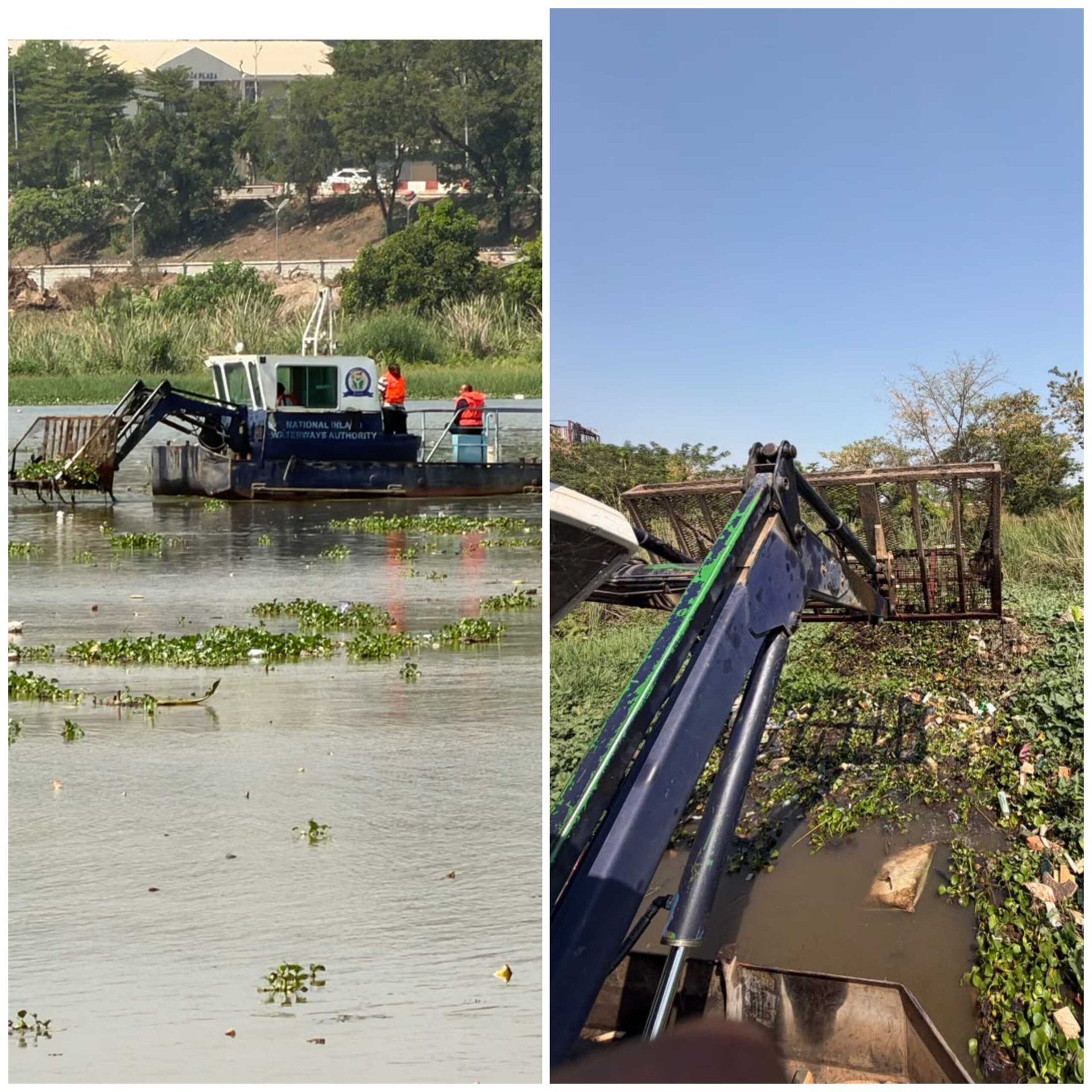
NIWA clears water hyacinth on Jabi Lake to boost navigation, tourism
Customs
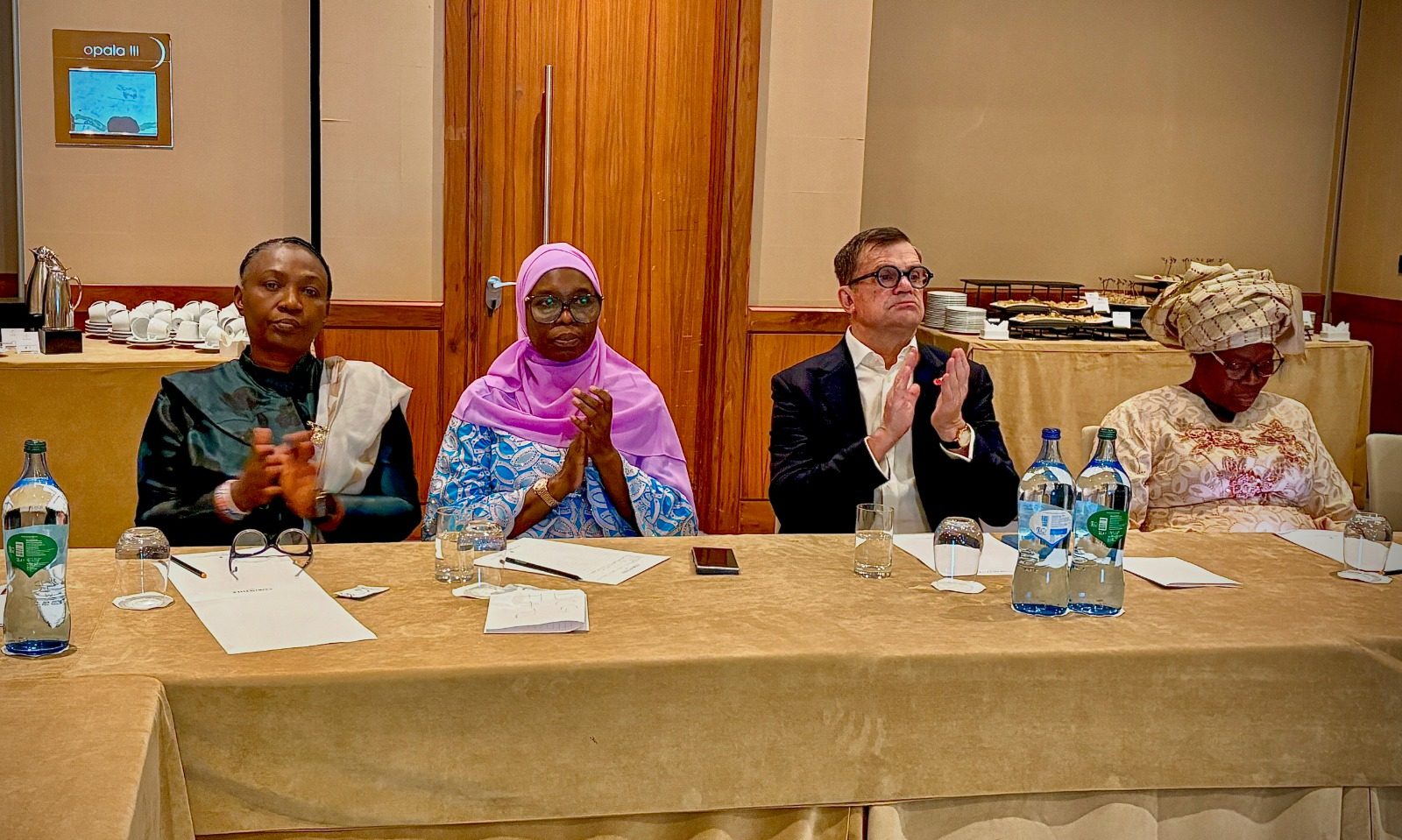
Customs reviews B’Odogwu system in Lisbon, targets faster cargo clearance, higher revenue

 Headlines3 months ago
Oyetola presents three-year score card as blue economy industry revenue hits ₦1.83trn

 Customs2 months ago
FOU Zone ‘A’: Aliyu retires after ₦3.19bn revenue recovery, Afeni takes over

 Customs3 weeks ago
FOU Zone A: Afeni intensifies anti-smuggling operations, seizes N511.4m drugs, rescues eight pangolins

 Customs2 months ago
Nigeria, Benin Customs move to harmonise trans-border trade, establish joint border post at Seme-Krake

 Headlines3 weeks ago
Tension heightens at Osborne Foreshore Estate over alleged environmental breach by property developer

 Commentaries4 weeks ago
Beyond Shiny Tech: Why Africa’s smart ports must build plumbing before AI