
Headlines
TikTok unveils election integrity measures ahead of Nigeria’s 2027 general elections
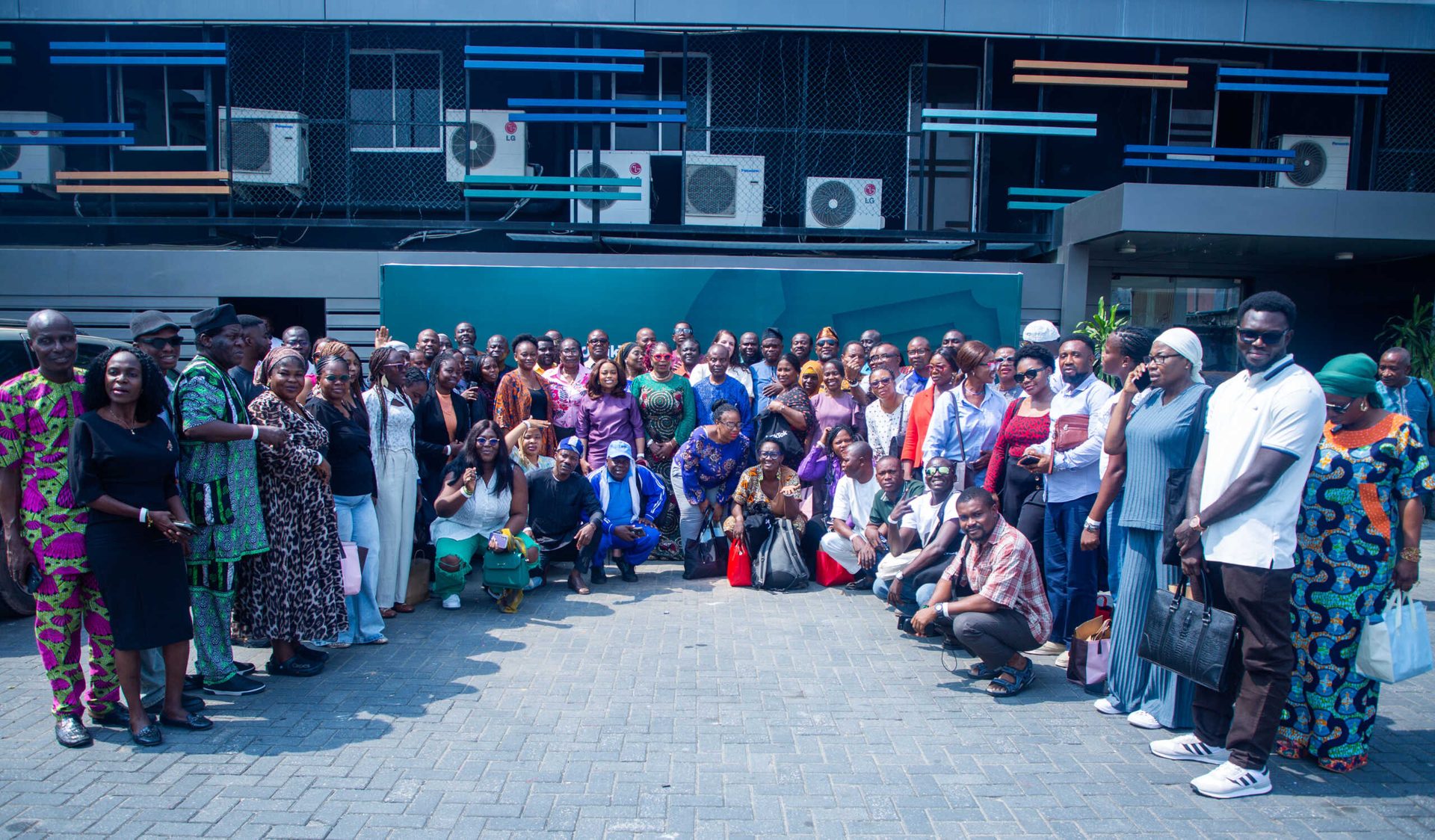
–Trains over 300 journalists across states such as Lagos, Ogun, Oyo, FCT
– partners INEC, NUJ, Code for Africa to combat misinformation
Funso OLOJO,Editor
As Nigeria prepares for the 2027 general elections scheduled for January 16th, 2026, TikTok has unveiled a range of measures to safeguard election integrity, combat misinformation and ensure that users have access to credible electoral information.
The measures include strengthened platform security, collaboration with the Independent National Electoral Commission (INEC), partnerships with media organisations and independent fact-checkers, as well as specialised monitoring of election-related content.
TikTok said its preparations were being coordinated by a dedicated election task force comprising experts in platform integrity, cybersecurity, deceptive behaviour, misinformation and election integrity.
The team works alongside advanced content moderation technologies and local language moderators to identify and address harmful content, enforce the platform’s Community Guidelines and protect its Nigerian community.
The initiative, according to the company, builds on its experience managing platform integrity during more than 300 elections worldwide and forms part of its year-round commitment to providing users with a safe and authentic digital environment.
Lorenzo Andreozzi, TikTok’s Global Integrity Programs Lead, said protecting the integrity of civic discourse required sustained collaboration among technology platforms, electoral authorities, independent fact-checkers and civil society organisations.
He noted that TikTok was deepening its partnerships with INEC, independent fact-checkers and organisations such as DUBAWA to ensure that its interventions reflected local realities and addressed the specific challenges confronting Nigeria’s information environment.
Training journalists for responsible election reporting
As part of its efforts to strengthen information integrity, TikTok is collaborating with the Nigeria Union of Journalists (NUJ) and Code for Africa to train more than 300 media professionals across Lagos, Abuja, Ogun and Oyo states.
The capacity-building initiative is designed to improve journalists’ understanding of digital platforms, responsible content creation, information verification and emerging trends in online journalism.
Vice Chairman of the NUJ Lagos State Council, Comrade Philip Nwosu, described the training as timely, particularly as the country approaches another general election.
He said journalists had a significant responsibility to provide accurate, credible and responsible information during elections, adding that the initiative would equip media professionals with the knowledge and skills required for effective election coverage.
Nwosu reaffirmed the union’s commitment to continuous professional development and raising standards in journalism.
Election Centre to provide verified electoral information
In another major intervention, TikTok has partnered with INEC and DUBAWA, a West African independent fact-checking organisation, to introduce an in-app Election Centre.
The digital resource is designed to provide users with reliable information about voting procedures, important electoral dates and other relevant aspects of the election process.
It will also offer guidance on identifying misinformation, helping voters distinguish credible electoral information from misleading content circulating online.
The Election Centre further links users to an artificial intelligence (AI) media literacy hub, which provides guidance on identifying AI-generated content, responsible use of AI and TikTok’s measures for promoting transparency in AI experiences.
Victoria-Eta Messie, INEC’s Director of Voter Education and Publicity, said access to credible electoral information was essential to voter awareness and understanding of the electoral process.
She noted that the commission was committed to engaging different communities, particularly young people, who constitute a significant segment of the voting population.
According to her, the initiative would contribute to efforts to counter harmful misinformation, disinformation and fake news during the electoral process.
Tougher measures against election misinformation
TikTok said it would continue removing content that violates its policies on election misinformation, including false claims about voting procedures and accounts impersonating politicians or established news organisations.
Where election-related claims cannot immediately be verified, the platform may apply unverified information labels, caution users against sharing such content and restrict its recommendation on the For You feed.
The company also works with more than 20 fact-checking organisations accredited by the International Fact-Checking Network (IFCN) globally, while Code for Africa supports its fact-checking efforts in Nigeria.
These independent organisations help assess the accuracy of claims circulating on the platform, providing feedback that informs content moderation and enforcement of TikTok’s Community Guidelines.
The company disclosed that between April and June 2026, it removed more than 210,000 videos for violating its policies on civic and election integrity, misinformation and harmful AI-generated content.
More than 99 per cent of the videos were reportedly removed before users reported them.
TikTok also said it was strengthening its capacity to detect and dismantle deceptive networks, including fake accounts and coordinated activities designed to manipulate public debate.
AI safeguards, political advertising restrictions
Beyond content moderation, TikTok said it had introduced additional transparency measures to address the growing influence of artificial intelligence on digital information.
The platform requires AI-generated content to be labelled and deploys tools such as its creator AI-generated content disclosure feature, Content Credentials through the Coalition for Content Provenance and Authenticity (C2PA), and invisible watermarking technology.
Since introducing its AI-generated content labelling tools, more than five billion videos have reportedly been labelled through its technologies.
Government and political accounts are also subject to additional security requirements, including mandatory two-step verification.
On political advertising, TikTok maintained its prohibition on paid political advertisements, including paid creator promotions for politicians and political parties.
Political accounts are also restricted from accessing monetisation features, although official electoral management bodies are permitted to advertise essential voter information, including registration procedures, polling arrangements and voting participation details.
The platform said these restrictions were intended to prevent its advertising and monetisation systems from being used to influence political outcomes.
Nigeria takedowns highlight enforcement efforts
TikTok also highlighted its enforcement record in Nigeria, citing its Community Guidelines Enforcement Reports for the second quarter of 2026.
According to the company, more than four million videos were removed in Nigeria during the period for violating its Community Guidelines.
Of these, 98 per cent were removed before users reported them, while 91.7 per cent were taken down within 24 hours.
The figures, it said, demonstrate its investment in proactive content moderation and efforts to maintain a safer digital environment.
As political activities and election-related conversations gather momentum ahead of the 2027 polls, TikTok said it would continue strengthening its safeguards, working with relevant Nigerian institutions and making reliable electoral information accessible to users.
The company maintained that protecting election integrity required sustained investment, local partnerships and collective responsibility, particularly as digital platforms increasingly shape public conversations and voter engagement.





Customs
Customs reviews B’Odogwu system in Lisbon, targets faster cargo clearance, higher revenue
Customs
Cole congratulates Anani on promotion, welcomes Ekok as new Tin Can Customs Controller
Gloria Odion, Maritme Reporter
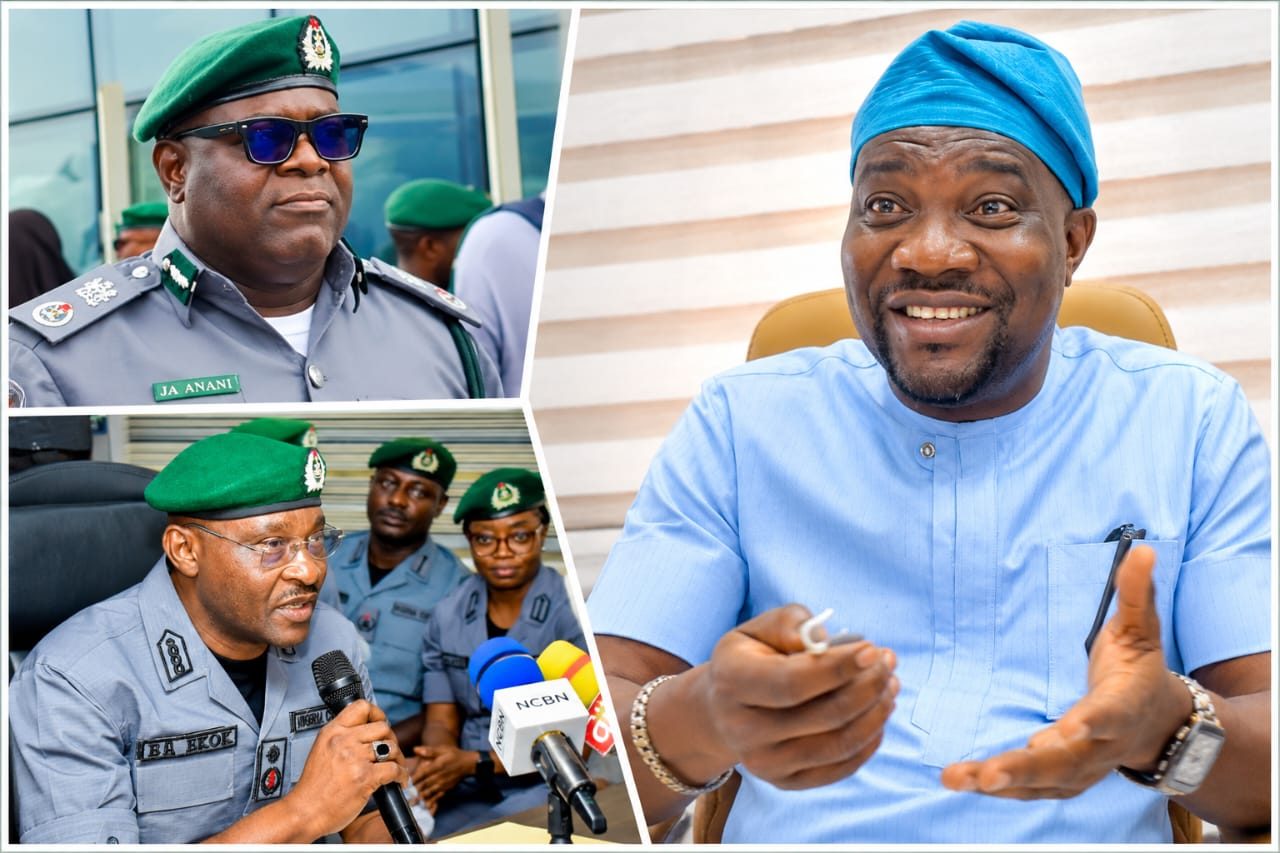
The Chairman of the Tin Can Island Chapter of the Association of Nigeria Licensed Customs Agents (ANLCA), Prince Olawale Cole, has congratulated the immediate past Customs Area Controller of Tin Can Island Port Command, Assistant Comptroller-General (ACG) Joseph Anani, on his promotion to the rank of Assistant Comptroller-General, while welcoming Deputy Comptroller Emmanuel Agbor Ekok as the new Acting Customs Area Controller of the command.
Cole described Anani’s elevation as a well-deserved recognition of his dedication, professionalism and contributions to the Nigeria Customs Service (NCS), noting that his tenure at Tin Can Island was characterised by cordial stakeholder relations and constructive engagement with port operators.
In a congratulatory message, the ANLCA chairman commended the newly promoted ACG for his accessible leadership style, openness to dialogue and willingness to engage licensed customs agents on issues affecting port operations and trade facilitation.
He said Anani’s commitment to stakeholder collaboration helped foster mutual understanding and cooperation between Customs officers and licensed customs agents, creating an enabling atmosphere for addressing operational challenges at the port.
Cole expressed confidence that Anani’s wealth of experience and professional expertise would continue to benefit the Nigeria Customs Service and the wider maritime industry in his new capacity.
He wished the former Tin Can Customs Controller success in his elevated position, describing his promotion as a source of pride to stakeholders who had worked with him during his tenure at the command.
The ANLCA chairman also congratulated Deputy Comptroller Emmanuel Agbor Ekok on his assumption of office as Acting Customs Area Controller of Tin Can Island Port Command, expressing optimism that his administration would consolidate existing stakeholder relationships and further improve operational efficiency.
Cole assured the new Acting Controller of the chapter’s readiness to sustain a productive working relationship with the command, particularly in advancing efficient port operations, facilitating legitimate trade and addressing challenges confronting customs agents and other port stakeholders.
He emphasised that effective collaboration between the Nigeria Customs Service and licensed customs agents remained essential to achieving faster cargo clearance, improving revenue generation and creating a more business-friendly port environment.
Cole urged Ekok to sustain regular consultations with stakeholders and maintain an open-door policy, especially in resolving operational concerns relating to cargo examination, customs valuation, documentation and clearance procedures.
He expressed the hope that the new Acting Controller would build on the achievements of his predecessor while introducing initiatives to strengthen stakeholder confidence, promote transparency and improve service delivery.
Cole reaffirmed the Tin Can Island Chapter of ANLCA’s commitment to supporting policies and initiatives that promote professionalism, trade facilitation, efficient port operations and the overall development of Nigeria’s maritime sector.
Headlines
At PMAWCA, Dantsoho seeks stronger regional port cooperation to cut cargo costs, delays
Funso OLOJO, Editor
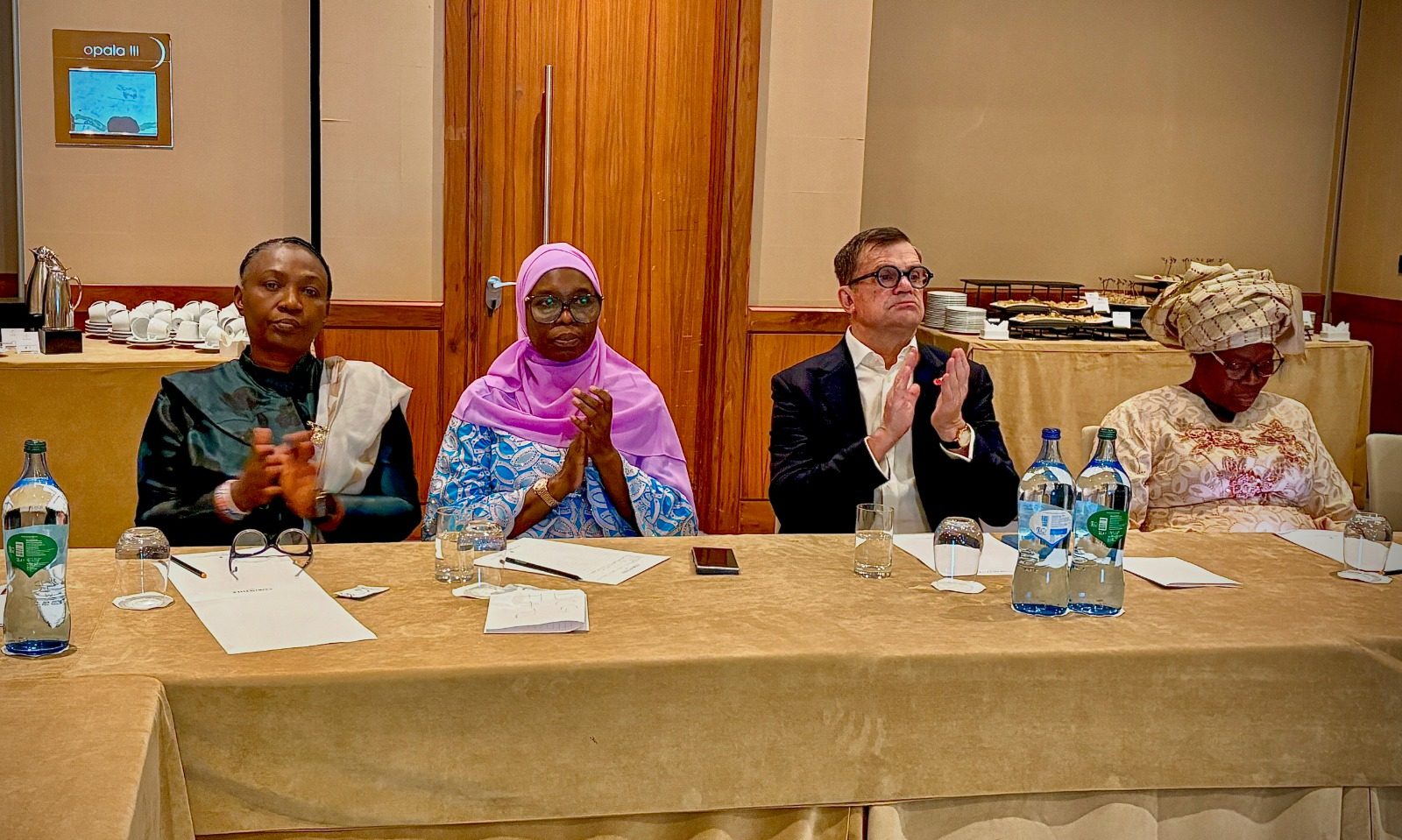
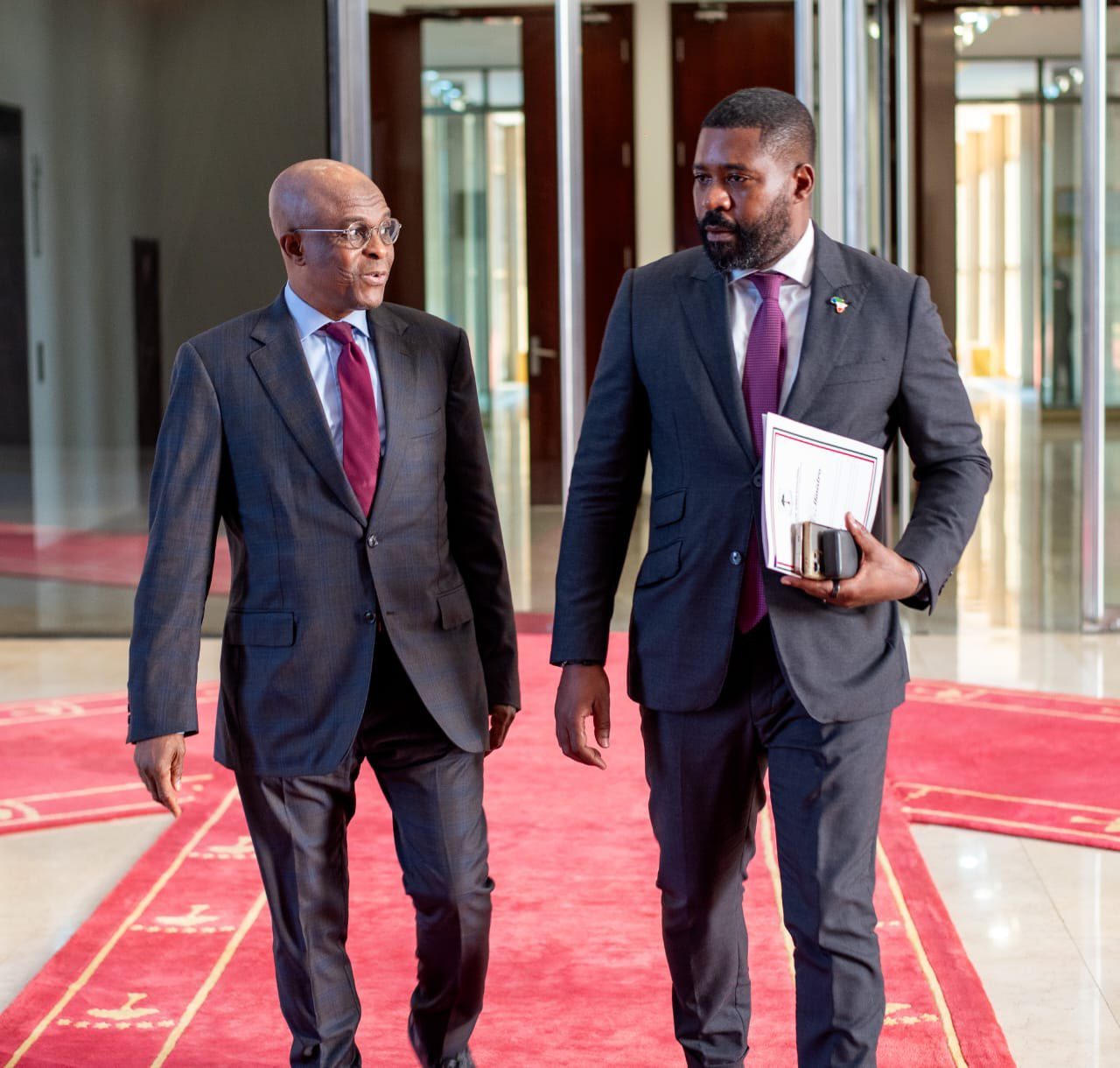
The President of the Port Management Association of West and Central Africa (PMAWCA), Dr Abubakar Dantsoho, has called for stronger collaboration among ports in the region to reduce cargo clearance delays, lower logistics costs and enhance the competitiveness of West and Central African economies.
Dantsoho, who is also the Managing Director of the Nigerian Ports Authority (NPA), made the call at the opening ceremony of PMAWCA’s 46th Annual Council and Joint Gulf of Guinea Commission-PMAWCA Forum in Sipopo, Malabo, Equatorial Guinea.
He urged port authorities across the region to embrace strategic cooperation rather than destructive competition, stressing that shared challenges in the maritime industry required collective solutions and coordinated regional action.
According to him, stronger partnerships among ports would improve operational efficiency, strengthen logistics resilience and ensure that the economic benefits of maritime trade extend beyond coastal countries to landlocked nations that depend on efficient seaports and transport corridors.
He noted that the Atlantic coastline stretching from Mauritania to Angola serves about 20 coastal countries, while five landlocked countries—Mali, Burkina Faso, Niger, Chad and the Central African Republic—rely heavily on the efficiency of the region’s ports and inland transport networks.
Illustrating the far-reaching economic implications of port inefficiencies, Dantsoho said the consequences of congestion at any port were ultimately borne by businesses, consumers and markets across the hinterland.
“When a single port along our coast suffers congestion, it is a household or a market in Bamako, Niamey, N’Djamena, or Bangui that bears the cost,” he said.
The PMAWCA president acknowledged that West and Central African ports had witnessed significant transformation over the past decade, driven by investments in deep-water terminals, public-private port concessions and the deployment of modern infrastructure.
However, he warned that persistent structural bottlenecks continued to undermine the region’s ability to compete effectively in global maritime trade.
He identified prolonged cargo dwell times, high port charges, expensive inland transportation and inadequate interoperability between customs administrations and port operations as major obstacles to efficient regional trade.
“Cargo dwell times remain excessively long across too many terminals, and high port and corridor transit costs continue to inflate the final price of consumer and industrial goods,” he observed.
He also expressed concern that despite the introduction of single-window platforms in several countries, customs and operational procedures remained poorly integrated, both among neighbouring ports and between seaports and hinterland administrations.
Dantsoho further highlighted inadequate financing for dredging, infrastructure maintenance and equipment renewal as constraints requiring urgent attention, noting that the investment needs of regional ports frequently exceeded their internal financing capacities.
Beyond these longstanding challenges, he warned that geopolitical disruptions along major international shipping routes were creating fresh pressures and opportunities for ports along the West and Central African coastline.
He explained that changes in global shipping patterns had redirected maritime traffic and increased vessel calls in the region, presenting an opportunity for African ports to attract additional cargo and strengthen their positions in international trade.
However, he cautioned that the increased traffic could place further strain on port infrastructure already operating close to capacity.
The PMAWCA president also identified climate change, rising sea levels, coastal erosion, maritime decarbonisation requirements and escalating cybersecurity threats as emerging challenges that port authorities must urgently prepare to confront.
He particularly warned that the global transition towards cleaner shipping could reshape established maritime routes and determine which ports remain attractive to international shipping lines.
“Moreover, the maritime decarbonisation regulations currently taking shape at the International Maritime Organization will soon redraw global shipping routes and ports of call. Any port that fails to prepare for this energy transition risks being bypassed altogether,” he said.
On digitalisation, Dantsoho acknowledged its importance in improving port efficiency and service delivery but cautioned that increasing dependence on digital systems also exposed port operations to sophisticated cyber threats.
“Finally, rapid digitalisation, while indispensable, exposes our operations to sophisticated cyber threats that we can no longer afford to underestimate,” he said.
He stressed the need for regional port authorities to pursue a coordinated approach to infrastructure development, operational reforms, digital integration and environmental sustainability to position West and Central African ports as more competitive gateways for international trade.

 Headlines3 months ago
Oyetola presents three-year score card as blue economy industry revenue hits ₦1.83trn
 Customs2 months ago
FOU Zone ‘A’: Aliyu retires after ₦3.19bn revenue recovery, Afeni takes over

 Customs3 weeks ago
FOU Zone A: Afeni intensifies anti-smuggling operations, seizes N511.4m drugs, rescues eight pangolins

 Customs2 months ago
Nigeria, Benin Customs move to harmonise trans-border trade, establish joint border post at Seme-Krake

 Headlines2 weeks ago
Tension heightens at Osborne Foreshore Estate over alleged environmental breach by property developer
 Commentaries3 weeks ago
Beyond Shiny Tech: Why Africa’s smart ports must build plumbing before AI