Connect with us

Customs

Ember months:  Lagos ports record low cargo clearance activities 

—as cash crunch hits importers 
The Eyewitness reporter
The usual frenzied tempo in goods clearance during the ember months has disappeared from the Lagos ports due to a cash crunch among importers.
Usually this time of ember months, there is always high frequency of clearance of goods at the ports by importers and their agents but such enthusiasm has considerably waned as fewer numbers of importers who could surmount the economic hardship coupled with the astronomical increase in Customs dues and tariffs are able to take their goods out of the port.
Curiously, the customs commands are posting huge revenues amidst this tight fiscal policy of the government.
For example, the Apapa Customs command, the flagship Command of the service which accounts for about two third of the annual revenue of the service, last week announced the revenue of N790.630billion within the first 9 months of the year(January- September).
The Area Controller of the command, Comptroller Yusuf Malanta Ibrahim promised that the command will likely gross a trillion naira in revenue at the end of the year.
Then where does this huge revenue come from amidst sluggish clearing activities at the ports?
It was gathered that the recent increase in the Customs exchange rate by the federal government boosted the monthly earnings of the customs.
It could be recalled that for yet another time in September, the Customs exchange rate was jerked up from $409 to $422.3, an increment of $13.3.
Comptroller Yusuf, while confirming the impact of the increase in the customs exchange rate on the revenue profile of the command, also declared that the increment has a negative impact on the clearing activities.
“The increment in the customs exchange rate has also led to an increase in our revenue” the Apapa Customs chief declared.
He however confessed that the increase in the exchange rate was an additional overhead cost for importers.
“It is an unexpected increase”
Explaining why the hustle and bustle in clearing activities during the ember months are lacking this year, Comptroller Yusuf said importers are hit by a cash crunch as they could not even procure loans from the banks to clear their goods.
” The increase in the exchange rate has become another overhead cost for importers as it is unexpected.
“Prediction of the market is becoming increasingly difficult for the to make.
“However, it depends on the market response.
” If the market forces respond positively to the increase, it is fine, if it doesn’t, that’s another challenge.
“That is where a good businessman will sit down and make an informed analysis between the operating environment and corporate environment where he operates” Comptroller Yusuf declared.
He however said that the cargo is there at the Port but the rate of clearing them is slow.
“The pressure is on the cargothrouput . The cargo is there.
”When you look at the Port, there is so much cargo but the issue is importers are finding it difficult to clear these cargoes because of lack of funds.
” They find it difficult to obtain loans from the banks to clear them, they are finding it difficult to get the right response from the market forces.
”Some of them have to clear part of their cargo, sell them to get money and use the amount to clear the rest of the cargo.
”This is why the cargo clearance exercise is lower now in this ember months as against other previous ember months
because importers lack funds to carry out this clearing process” the Apapa Customs command boss explained.
Conversely, the customs commands are grossing more revenue because, according to Comptroller Yusuf, the men and officers of the command are tirelessly committed to ensuring that all revenue leakages are mitigated as well as sustaining the level of compliance by importers and other stakeholders in the clearance value chain.
Continue Reading
Click to comment

Leave a Reply

Your email address will not be published. Required fields are marked *

Customs

Customs suspends training of recruits over dispute with Federal Character Commission on recruitment exercise 

Gloria Odion, Maritme Reporter 
The Nigeria Customs Service (NCS) has temporarily suspended training activities at its two training colleges following concerns raised by the Federal Character Commission (FCC) over the ongoing recruitment exercise.
The suspension is intended to allow both institutions to undertake further consultations and resolve issues arising from the recruitment process through dialogue and mutual understanding.
The decision followed engagements between the Commission and a delegation of the NCS, during which both institutions reaffirmed their commitment to resolving the concerns through constructive dialogue, sustained engagement and institutional collaboration.
The Comptroller-General of Customs, Bashir Adewale Adeniyi,reiterated the Service’s commitment to maintaining cordial relations with relevant government institutions and addressing concerns in the overall interest of the nation.
Adeniyi acknowledged the constitutional responsibility of the FCC in promoting national unity, fairness and equitable representation in public service appointments.
He stressed the importance of the Commission’s mandate in advancing inclusiveness and ensuring adherence to the principles of federal character in public sector recruitment and appointments.
The Customs Service also reaffirmed its longstanding relationship with the Commission, expressing confidence that ongoing consultations would provide an effective platform for addressing the issues raised and arriving at a mutually acceptable resolution.
Both institutions reiterated their commitment to promoting fairness, national cohesion and effective public service delivery.
The NCS further restated its commitment, under the leadership of the Comptroller-General and his management team, to upholding accountability, transparency and institutional responsibility.
It assured that it would continue to engage relevant government institutions, strengthen inter-agency cooperation and pursue resolutions that reinforce public confidence, promote national unity and support the effective discharge of its statutory responsibilities.
Continue Reading

Customs

Customs reviews B’Odogwu system in Lisbon, targets faster cargo clearance, higher revenue
Gloria Odion Maritime Reporter 
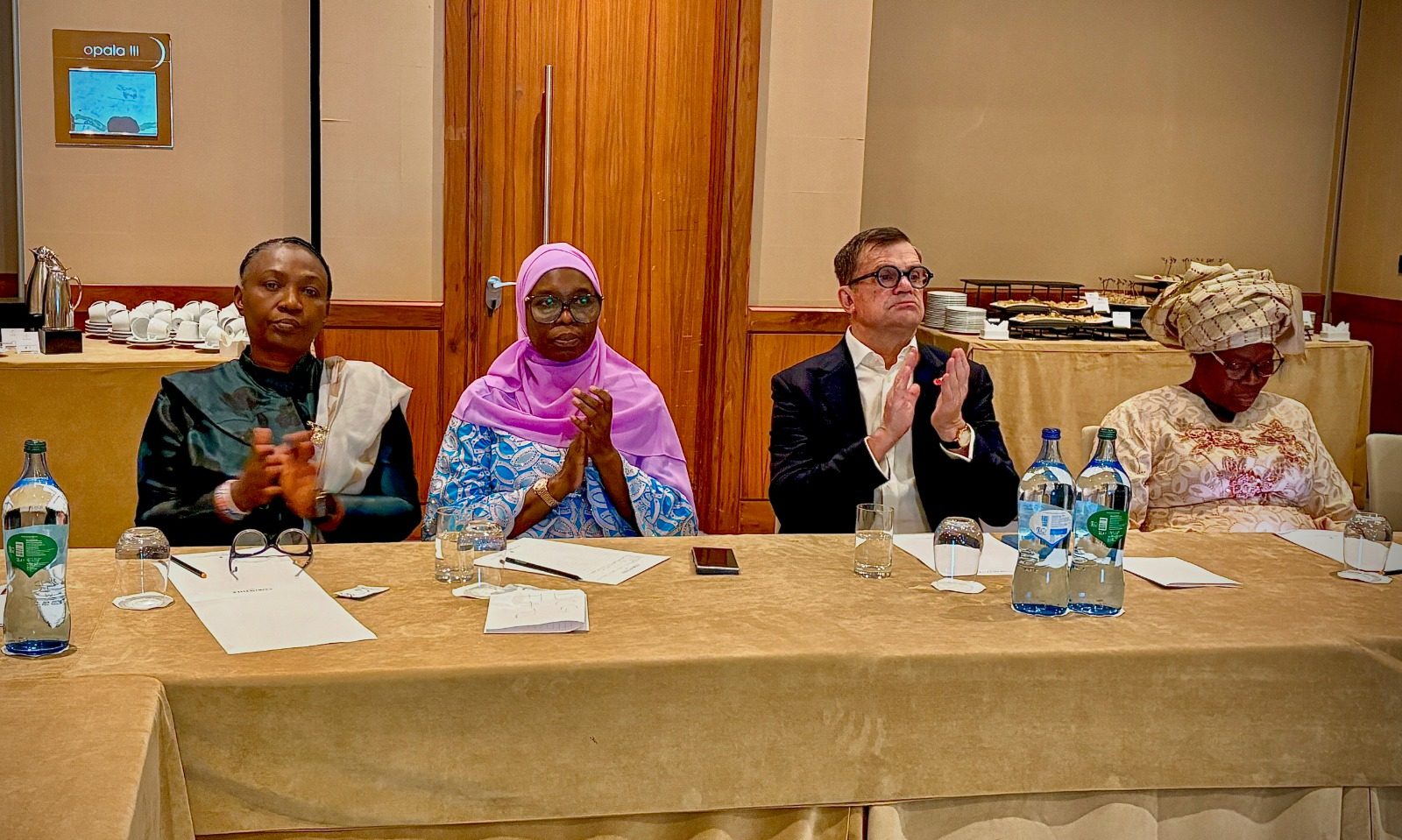
The Nigeria Customs Service (NCS) has concluded a three-day strategic review of its B’Odogwu Unified Customs Management System in Lisbon, Portugal, with a series of resolutions designed to address operational bottlenecks, accelerate cargo clearance, strengthen cargo tracking and optimise revenue collection.
The workshop, held from November 9 to 11, 2026, at the Corinthia Hotel, brought together senior NCS management and officers, Trade Modernisation Project Limited (TMPL) and CB-XP representatives to assess the system’s performance, identify implementation gaps and develop a roadmap for improving its efficiency.
The review focused on consolidating the gains recorded since the introduction of B’Odogwu while addressing technical and operational challenges affecting its deployment across Customs commands.
Speaking at the opening ceremony on November 9, the Deputy Comptroller-General of Customs in charge of ICT Modernisation, Oluyomi Adebakin, commended the Comptroller-General of Customs, Adewale Adeniyi, for his commitment to technological innovation and capacity development within the Service.
The Managing Director of TMPL, Jummai Umar-Ajijola, who represented the company’s Chairman, Saleh Ahmadu, disclosed that the B’Odogwu platform had attracted the attention of the African Continental Free Trade Area (AfCFTA) Secretariat, reflecting its growing relevance to regional trade facilitation.
She added that improvements to the system had contributed to increased revenue generation and strengthened the Customs revenue ecosystem.
Umar-Ajijola said the workshop provided an opportunity to develop a concrete roadmap for consolidating the achievements recorded over the past three years and identifying priorities for the next phase of the project.
“We are to work to find a concrete plan not only to consolidate but to build a change roadmap going forward at the assessment of the three years so far,” she said.
She also commended the NCS Public Relations Unit for its consistent communication and reporting on the project.
Among the major resolutions reached was the upgrading of the Electronic Cargo Tracking System (ECTS), alongside measures to strengthen bond and transit management, automate Customs Procedure Code approvals and streamline the processing of import, export, re-importation and transit declarations.
Participants also agreed on the need to harmonise Customs Procedure Code nomenclature to promote uniformity, operational efficiency and accountability across Customs operations.
On cargo monitoring, the workshop considered plans to integrate the upgraded ECTS with B’Odogwu and replace 200 obsolete electronic seals with 2,000 newly procured units.
The proposed improvements also include individual container tracking for applicable transit declarations, enhanced bond registration and validation processes, and tighter monitoring of bonded cargo movements to curb diversion and other transit-related infractions.
In another major area of deliberation, participants examined the proposed integration of B’Odogwu with the Nigeria Export Processing Zones Authority (NEPZA), as well as improvements to the Transire Processing System.
The workshop further identified the need to upgrade the platform’s reporting dashboard, search filters and Harmonised System (HS) Code search functionality to make information retrieval and transaction monitoring more efficient.
Other proposed enhancements include providing access to previously processed declarations, improving the monitoring of procedure code applications, introducing system alerts to reduce processing errors and incorporating Time Release Study requirements into the platform.
The resolutions also addressed operational procedures, with participants reviewing Standard Operating Procedures (SOPs) for Bond Management, Transire Commands and Export Commands to ensure conformity with the Nigeria Customs Service Act 2023.
To strengthen project governance and prevent unauthorised system changes, the workshop resolved that all requests for modifications to B’Odogwu must undergo review and receive approval from the Officer in Charge of the Project Management Office before deployment.
Participants also reviewed the project’s communication plan, emphasising the importance of stronger engagement with stakeholders to ensure effective implementation and wider acceptance of the system.
At the closing ceremony on November 11, the Deputy Comptroller-General of Customs in charge of Finance, Administration and Technical Services (FATS), Kikelomo Adeola, stressed the importance of translating the workshop’s resolutions into measurable operational improvements.
The closing session featured a presentation by the Customs Area Controller, Comptroller Murtala Mu’azu, while the Chairman of CB-XP, Edward Bowen, delivered goodwill remarks.
To ensure effective implementation, specific responsibilities were assigned to relevant NCS and TMPL units, with the expectation that the agreed technical and operational interventions would translate into improved system performance.
The Lisbon review marks another phase in the NCS’s efforts to strengthen digital Customs administration through B’Odogwu, with the ultimate objective of reducing cargo clearance delays, improving transparency, tightening cargo monitoring and enhancing revenue optimisation.
Continue Reading

Customs

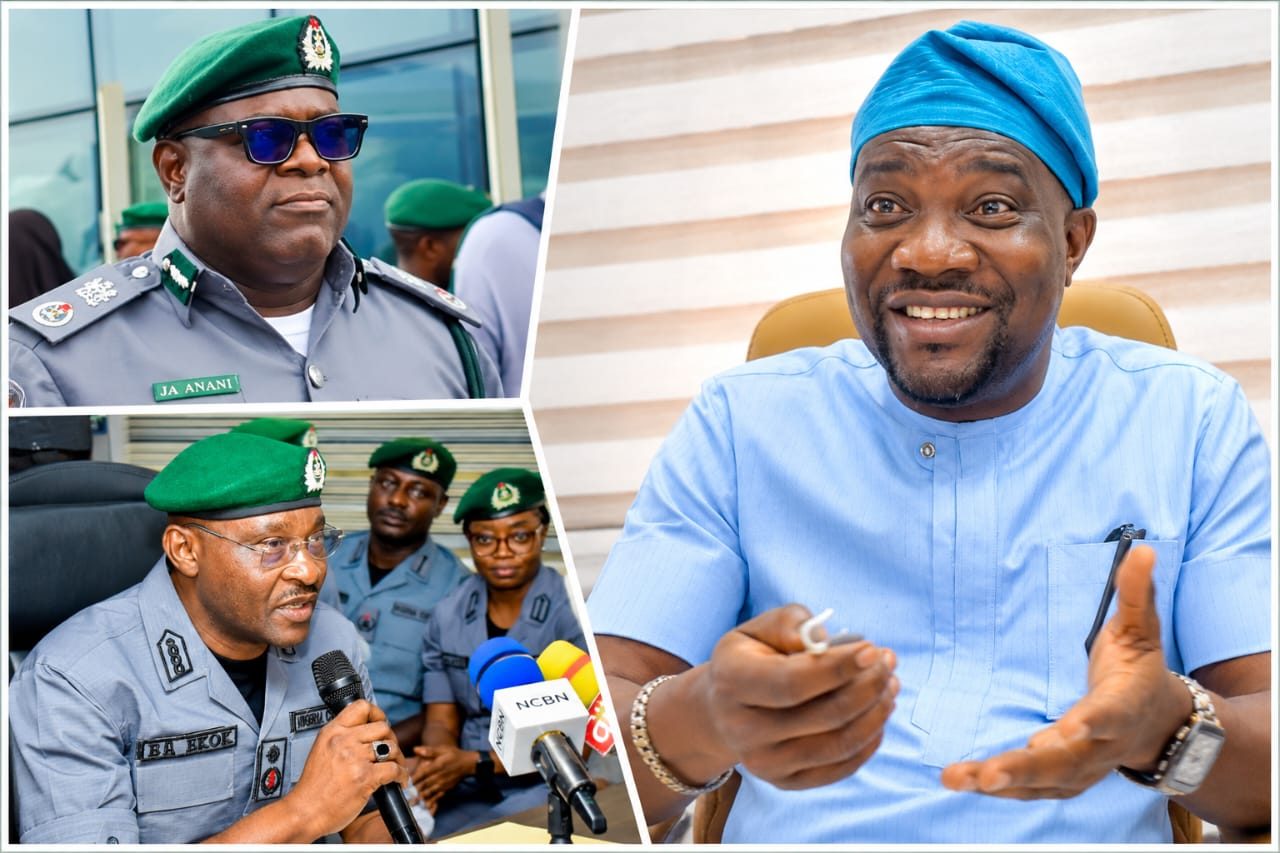
Cole congratulates Anani on promotion, welcomes Ekok as new Tin Can Customs Controller
Gloria Odion, Maritme Reporter

The Chairman of the Tin Can Island Chapter of the Association of Nigeria Licensed Customs Agents (ANLCA), Prince Olawale Cole, has congratulated the immediate past Customs Area Controller of Tin Can Island Port Command, Assistant Comptroller-General (ACG) Joseph Anani, on his promotion to the rank of Assistant Comptroller-General, while welcoming Deputy Comptroller Emmanuel Agbor Ekok as the new Acting Customs Area Controller of the command.

Cole described Anani’s elevation as a well-deserved recognition of his dedication, professionalism and contributions to the Nigeria Customs Service (NCS), noting that his tenure at Tin Can Island was characterised by cordial stakeholder relations and constructive engagement with port operators.

In a congratulatory message, the ANLCA chairman commended the newly promoted ACG for his accessible leadership style, openness to dialogue and willingness to engage licensed customs agents on issues affecting port operations and trade facilitation.

He said Anani’s commitment to stakeholder collaboration helped foster mutual understanding and cooperation between Customs officers and licensed customs agents, creating an enabling atmosphere for addressing operational challenges at the port.

Cole expressed confidence that Anani’s wealth of experience and professional expertise would continue to benefit the Nigeria Customs Service and the wider maritime industry in his new capacity.

He wished the former Tin Can Customs Controller success in his elevated position, describing his promotion as a source of pride to stakeholders who had worked with him during his tenure at the command.

The ANLCA chairman also congratulated Deputy Comptroller Emmanuel Agbor Ekok on his assumption of office as Acting Customs Area Controller of Tin Can Island Port Command, expressing optimism that his administration would consolidate existing stakeholder relationships and further improve operational efficiency.

Cole assured the new Acting Controller of the chapter’s readiness to sustain a productive working relationship with the command, particularly in advancing efficient port operations, facilitating legitimate trade and addressing challenges confronting customs agents and other port stakeholders.

He emphasised that effective collaboration between the Nigeria Customs Service and licensed customs agents remained essential to achieving faster cargo clearance, improving revenue generation and creating a more business-friendly port environment.

Cole urged Ekok to sustain regular consultations with stakeholders and maintain an open-door policy, especially in resolving operational concerns relating to cargo examination, customs valuation, documentation and clearance procedures.

He expressed the hope that the new Acting Controller would build on the achievements of his predecessor while introducing initiatives to strengthen stakeholder confidence, promote transparency and improve service delivery.

Cole reaffirmed the Tin Can Island Chapter of ANLCA’s commitment to supporting policies and initiatives that promote professionalism, trade facilitation, efficient port operations and the overall development of Nigeria’s maritime sector.

Continue Reading

Trending