
Headlines
Ibom Deep Seaport: From paper approvals to real action

Monday Discourse with Nasiru Ibrahim
The Nigerian maritime media space is currently buzzing with triumphant headlines regarding President Bola Tinubu’s recent “approval” of the Ibom Deep Seaport project in Akwa Ibom State. To the casual observer, this announcement signals the dawn of a new infrastructural era.
Predictably, however, maritime historians, logistics experts, and industry critics have quickly pulled out the archives.
They are rightly pointing out that the Federal Executive Council (FEC) granted this exact project its Final Business Case approval six years ago, on December 16, 2020, under the administration of Muhammadu Buhari.
This retrospective reality check raises immediate, uncomfortable questions for stakeholders: What exactly is new here?
Is this latest declaration just another round of recurring political packaging designed to score cheap points during a high-profile presidential weekend in Uyo?
Or is there a genuine, structural shift taking place beneath the surface of the standard public relations machinery?
To understand this development correctly, we must look past the celebratory press releases and separate the administrative conception of a national infrastructural asset from its actual executive activation.
When the Buhari administration granted FEC approval in late 2020, it successfully established the legal, regulatory, and structural framework for the port under a Public-Private Partnership (PPP) model. It gave the project its baseline legitimacy.
However, as veterans of the Nigerian maritime sector know all too well, administrative approvals do not dredge channels, certificates do not construct breakwaters, and gazettes do not build berths.
For the past six years, the ambitious $4.6 billion megaproject remained thoroughly trapped in an agonizing bureaucratic deadlock.
It lacked the crucial executive push, inter-ministerial synchronization, and specific sovereign financial guarantees required to move the preferred international bidders and concessionaires from the comfort of the boardroom to the physical reality of the Atlantic coastline.
What occurred during the President’s visit to Uyo on Friday, November 6, 2026, was not a mere repetition of the 2020 approval.
It was the critical, long awaited unblocking of the project’s sovereign financing arrangements and federal regulatory clearances.
By responding directly to Governor Umo Eno’s strategic, cross-party appeal, the presidency effectively transitioned the Ibom Deep Seaport from a dusty, dormant file of “past approvals” into an active, high-priority federal execution layout.
The overarching lesson here is a bitter truth that has defined Nigeria’s maritime history for decades: getting a multi-billion-dollar project approved on paper in Abuja is only half the battle.
The real, defining victory lies in securing the executive willpower to trigger the underlying financial and logistics mechanisms.
Former President Buhari gave the project its formal birth certificate in 2020; President Tinubu has just handed it an aggressive mobilization order.
However, this is precisely where the political theater must end and rigorous structural engineering must begin.
The federal greenlight from Abuja has been secured, but the actual burden of execution has now shifted entirely away from the federal capital.
The weight of history and the ultimate success of this asset are now firmly in the court of two critical entities: the Nigerian Ports Authority (NPA) and the Akwa Ibom State Government.
If this renewed momentum is to avoid the graveyard of unfulfilled Nigerian infrastructure dreams, both parties must immediately collaborate on three non-negotiable operational pillars.
First, they must aggressively lock down the financial commitments of the preferred international concessionaire, ensuring that the 60% private equity investment is formally signed off and liquid.
The Akwa Ibom State Government’s 40% stake can only yield fruit if the private capital is fully mobilized to the site.
Second, the technical teams must instantly accelerate engineering reviews to take full advantage of the site’s most valuable asset: its enviable 18.2-meter natural draft channel.
This deep draft is specifically designed to welcome modern, heavy-set New Panamax vessels that currently bypass Nigeria for neighboring West African ports. Synchronizing the port master plan with immediate capital dredging schedules is paramount.
Third, and perhaps most critical, the landward logistics network cannot be ignored. A deep seaport is only as efficient as its evacuation corridors.
The Akwa Ibom State Government must move with speed to dualize the access road networks and map out future rail connections to link the port directly into the national commercial grid, preventing the nightmarish gridlocks that have crippled the Lagos ports for generation.
Without rapid, transparent, and aggressive operational tracking on these fronts, this new presidential directive will stall. The federal signatures have dried, and the political speeches are over.
If the NPA and the Akwa Ibom leadership drag their feet in the coming months, this mobilization order will simply slip back into the archives of historical disappointments.
The boardroom politics are settled; it is time for the engineers to take over the coastline.
Ibrahim Nasir, a public affairs analyst, writes from Abuja






Headlines
SON joins NESS technical committee, set to boost non-oil exports
Gloria Odion,Maritme reporter
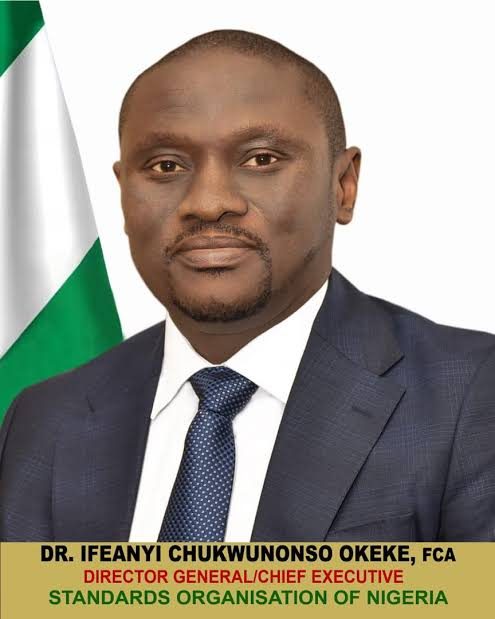
The Standards Organisation of Nigeria (SON) has secured a place on the Technical Committee of the Nigerian Export Supervision Scheme (NESS), a development expected to strengthen export quality assurance, improve regulatory coordination and enhance the competitiveness of Nigerian products in international markets.
SON, in a statement issued by its management, said its approval as a member of the committee was a significant recognition of its statutory responsibility for ensuring the quality, safety and conformity of products manufactured in Nigeria, particularly those destined for export markets.
The organisation said its inclusion would strengthen the integration of export conformity assessment into Nigeria’s trade framework, while facilitating the incorporation of its Export Certificate Programme (SONEXCAP) into the National Single Window (NSW).
According to the agency, the development would also promote closer collaboration among government institutions responsible for export supervision, reduce regulatory bottlenecks and improve the efficiency of export certification processes.
SON described the development as more than institutional recognition, noting that it would help position Nigerian products to compete more effectively in the global marketplace, strengthen international confidence in Made-in-Nigeria goods and support the Federal Government’s drive to diversify the economy through non-oil exports.
The organisation maintained that credible standards, product certification and conformity assessment were critical to overcoming barriers to international trade and ensuring that Nigerian exporters meet the technical and quality requirements of destination markets.
Our correspondent reports that the Nigerian Export Supervision Scheme was established under the Pre-shipment Inspection of Exports Act of 1996 to provide a framework for the inspection and supervision of goods exported from Nigeria.
Under the scheme, export goods are subjected to inspection by government-appointed inspection agents before shipment to ensure compliance with applicable requirements.
The scheme’s scope was subsequently expanded in 2007 to cover additional export products, reinforcing the government’s regulatory framework for monitoring the quality and standards of goods leaving the country.
SON’s entry into the NESS Technical Committee is therefore expected to strengthen the technical dimension of export supervision by bringing the country’s standards and conformity assessment regulator more directly into the decision-making process.
The development also comes against the backdrop of the Federal Government’s efforts to expand non-oil exports, improve trade facilitation and leverage the National Single Window as a platform for streamlining import and export documentation.
With SON’s participation, stakeholders expect improved alignment between product certification, export inspection and other regulatory procedures, potentially reducing duplication and making the export process more predictable for Nigerian businesses.
- The effective integration of SONEXCAP into the National Single Window is also expected to improve transparency, facilitate information exchange among relevant agencies and ease exporters’ access to certification services.
For Nigeria’s non-oil export ambitions to translate into sustainable foreign exchange earnings and stronger economic diversification, stakeholders have consistently emphasised the need for internationally recognised standards, efficient regulatory institutions and a seamless export clearance process.
SON’s inclusion in the NESS Technical Committee is expected to contribute to these objectives by strengthening quality assurance at the export stage and improving the credibility of Nigerian products in international markets.
Headlines
AMANO unveils 2026 National Convention, seeks actionable reforms in maritime sector
Gloria Odion, Maritme reporter
The Alumni of the Maritime Academy of Nigeria, Oron (AMANO), has unveiled its 2026 National Convention, calling for actionable reforms, stronger regulatory efficiency and effective policy implementation to improve Nigeria’s maritime industry.
The three-day event, scheduled for November 12 to 14, 2026, at the Lagos Oriental Hotel, Victoria Island, Lagos, will bring together policymakers, regulators, industry operators and international maritime experts to address critical challenges confronting the sector.
Tagged AMANO Convention 2026, the event is themed, “From Policy to Practice: Executing Maritime Excellence Through Professional Capability and Real-World Results.”
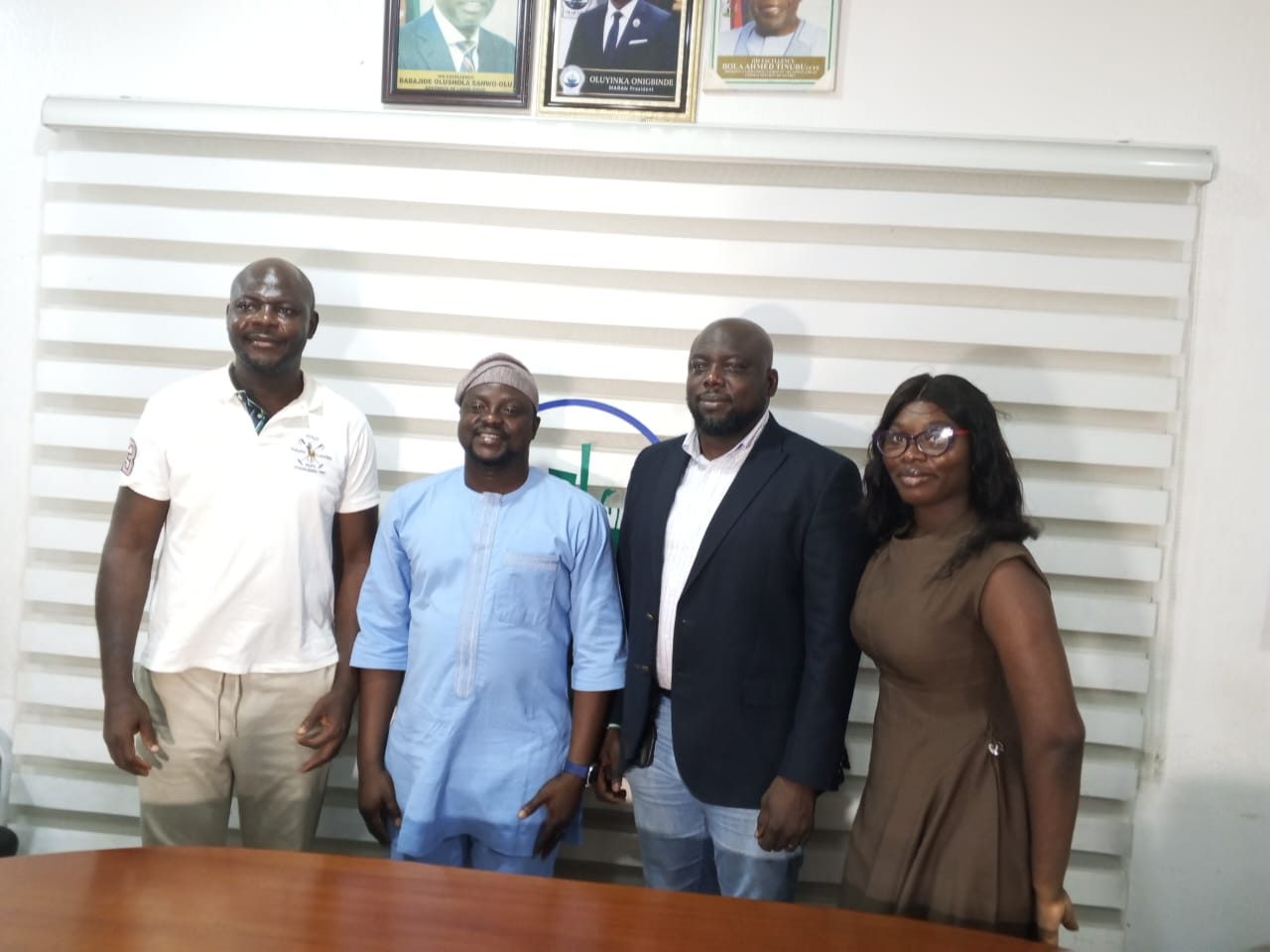
Speaking during the media unveiling, AMANO President, Mr Emmanuel Maiguwa, said the convention was designed to bridge the gap between policy formulation and implementation, stressing the need for practical measures that would translate government initiatives into measurable industry achievements.
He noted that despite the introduction of important frameworks, including the National Policy on Marine and Blue Economy and reforms in port operations and seafarers’ development, effective implementation remained a major challenge.
Maiguwa said the convention would provide a platform for stakeholders to examine existing policies, identify regulatory and operational gaps and develop recommendations capable of strengthening maritime administration and industry competitiveness.
He added that AMANO would leverage the professional experience of its members across shipping, port management, marine engineering, oil and gas, navigation and maritime law to contribute to sustainable industry development.
Chairman of the Convention Planning Committee, Chief Jonathan Agassi, said the event would address practical challenges affecting the efficiency, growth and international competitiveness of Nigeria’s maritime sector.
Agassi identified vessel registration and ownership transfer as critical areas requiring urgent reforms.
He cited the experience of a Nigerian shipowner who reportedly spent eight months completing the registration and ownership transfer of a vessel under the Nigerian flag, compared with two weeks for another vessel registered under the Marshall Islands flag.
He said the disparity raised serious questions about administrative efficiency and regulatory bottlenecks, adding that the convention would provide an opportunity for industry operators to examine such challenges and propose workable solutions.
The convention will focus on two major discussion areas considered essential to maritime development.
The first session, “From Policy to Practice: Implementing IMO Standards with Measurable National Results and a Stronger Compliance Culture,” will examine how Nigeria can translate its commitments to international maritime conventions into effective national implementation, improved regulatory compliance and measurable industry performance.
The second session, “Human Element at Sea and Ashore: Turning Training Policies into Competence and Performance,” will focus on strengthening maritime education, training and certification to produce competent professionals capable of improving safety and operational efficiency.
According to the organisers, both sessions are expected to generate specific recommendations identifying implementation priorities, responsible institutions and measurable performance indicators. The outcome will be documented and presented to relevant government authorities and industry stakeholders.
Nigeria’s Minister of Marine and Blue Economy, Dr Adegboyega Oyetola, CON, and President of the World Maritime University, Mr Maximo Mejia, are expected to attend as Special Guests of Honour.
Other speakers include IMO Consultant and former Nigerian representative at the International Maritime Organization, Mr William Azuh, and Deputy General Manager, Marine, TotalEnergies, Mr Larry Amaraibi.
The panel will feature Secretary-General of the Abuja MoU on Port State Control for West and Central Africa, Capt. Sunday Umoren; Director-General of the Nigerian Chamber of Shipping, Mrs Vivian Chimezie-Azubuike; Managing Director of STARZS Investment Company Limited, Mrs Iroghama Ogbeifun; and Executive Director, Technical and Operations, Tantita Security Services Nigeria Limited, Capt. Warredi Enisuoh, who will moderate the discussion.
AMANO has called on shipping companies, terminal operators, oil and gas firms, logistics providers, financial institutions, maritime training institutions and other industry stakeholders to participate as delegates, partners and sponsors.
The association also identified opportunities for collaboration in professional development, cadet training, industrial placements and graduate recruitment through its Cadet Work Experience Scheme (CWES).
Maiguwa stressed that the convention would go beyond speeches and deliberations, noting that its recommendations would be forwarded to relevant authorities for consideration and implementation.
He maintained that stronger institutional collaboration, professional competence and the commitment to translate policies into practical results were essential to building a competitive and sustainable Nigerian maritime industry.
Customs
Customs processes 9,195 PAARs, 99,839 SGDs in two months

—generates ₦1.42trn revenue, records $752.85m export value, highlights anti-money laundering drive
Funso OLOJO, Editor
The Nigeria Customs Service (NCS) processed 9,195 Pre-Arrival Assessment Reports (PAARs) and 99,839 Single Goods Declarations (SGDs) between September and October 2026, while generating a combined revenue of ₦1.42 trillion, underscoring its growing role in trade facilitation, revenue mobilisation and border security.
The figures, which reflect the Service’s operational performance over the two-month period, were disclosed at a joint security press briefing organised at the National Counter Terrorism Centre (NCTC), under the Office of the National Security Adviser (ONSA), on Thursday, November 5, 2026.
Speaking at the briefing, the National Public Relations Officer of the Service, Deputy Comptroller Abdullahi Aliyu Maiwada, said the performance demonstrated Customs’ sustained commitment to streamlining trade processes through efficient documentation, digital interventions and stronger collaboration with stakeholders across the trade value chain.
A breakdown of the figures showed that the Service processed 2,102 PAARs in September and 7,093 in October, bringing the total to 9,195 within the period.
Similarly, 48,832 SGDs were processed in September, while 51,007 were recorded in October, representing a combined 99,839 declarations.
Revenue collection also maintained an upward trajectory, rising from ₦697.84 billion in September to ₦722.91 billion in October. The two-month collection amounted to ₦1.42 trillion, specifically ₦1,420,751,629,260.44.
The figures highlight the Service’s dual responsibility of facilitating legitimate international trade while strengthening revenue collection through improved compliance, efficient cargo documentation and enhanced operational procedures.
Beyond import processing and revenue generation, the NCS reported significant growth in export trade facilitation, particularly at the Lilypond Export Command.
The Command recorded an export value of $752.85 million in the third quarter of 2026, compared with $586.15 million in the corresponding period of 2025.
The performance represents an increase of approximately 22.14 per cent, pointing to the growing contribution of export activities and the impact of measures introduced to facilitate non-oil exports.
The development reinforces the importance of Customs’ role in supporting Nigeria’s export diversification agenda by improving documentation, reducing procedural bottlenecks and facilitating the movement of locally produced goods to international markets.
On the enforcement front, the Service recorded seizures of prohibited and restricted items with a combined Duty Paid Value exceeding ₦8.1 billion during the period under review.
The interceptions covered several categories of prohibited and restricted goods, including illicit drugs, pharmaceutical products, other prohibited items and petroleum products.
The NCS said it continued to work with relevant regulatory and security agencies to ensure the appropriate handling and disposition of seized items, reinforcing its commitment to protecting the nation’s economic and security interests.
A major highlight of the briefing was the Service’s ongoing efforts to strengthen its capacity to combat money laundering and the financing of terrorism through cross-border trade.
The NCS disclosed that it was participating in a four-week World Customs Organisation (WCO) Mentoring Mission inaugurated on October 19, 2026, and scheduled to run until November 13, 2026.
The engagement is designed to strengthen the capacity of Customs officers to identify, investigate and address trade-based money laundering and other illicit financial activities associated with international trade.
As part of the programme, the Service held engagements with six relevant agencies between October 27 and 29, including the Economic and Financial Crimes Commission (EFCC), the Nigeria Financial Intelligence Unit (NFIU) and the National Counter Terrorism Centre.
The inter-agency engagements are expected to strengthen intelligence sharing, improve institutional coordination and deepen collaboration in tracking suspicious financial transactions linked to cross-border trade.
The Service also highlighted its transition to an electronic currency declaration platform, describing the initiative as part of broader efforts to improve transparency, strengthen monitoring and enhance the detection of illicit financial flows across Nigeria’s borders.
The digital platform is expected to support more effective monitoring of currency movements and reinforce Customs’ contribution to the country’s anti-money laundering and counter-financing of terrorism framework.
The Service also highlighted its contribution to environmental protection and the fight against illegal wildlife trafficking.
During the period under review, six live pangolins were rescued in separate operations in Ogun State. Three were intercepted by the Ogun I Area Command, while another three were rescued by the Federal Operations Unit (FOU), Zone A.
The rescued animals were subsequently handed over to the Green Fingers Wildlife Conservation Initiative for appropriate care and rehabilitation.
The intervention, according to the Service, was in line with Nigeria’s obligations under the Convention on International Trade in Endangered Species of Wild Fauna and Flora (CITES).
The rescue operations underscore the expanding responsibilities of the NCS beyond conventional revenue collection and anti-smuggling activities to include environmental protection, wildlife conservation and the disruption of illegal international wildlife trade.
Taken together, the two-month performance figures and enforcement interventions illustrate the Service’s expanding operational mandate, encompassing trade facilitation, revenue mobilisation, export promotion, border security, financial crime prevention and environmental protection.

 Headlines2 months ago
Oyetola presents three-year score card as blue economy industry revenue hits ₦1.83trn

 Customs3 months ago
Apapa Customs sets new single-day revenue record with ₦28.1bn collection
 Customs3 months ago
Apapa Customs sets new record of monthly revenue haul with ₦323bn collection in July
 Customs1 month ago
FOU Zone ‘A’: Aliyu retires after ₦3.19bn revenue recovery, Afeni takes over

 Customs1 week ago
FOU Zone A: Afeni intensifies anti-smuggling operations, seizes N511.4m drugs, rescues eight pangolins

 Customs2 months ago
Nigeria, Benin Customs move to harmonise trans-border trade, establish joint border post at Seme-Krake