
Headlines
NAGAFF passes vote of confidence on Dantsoho, spurns calls for NPA MD’s removal
Gloria Odion Maritme Reporter
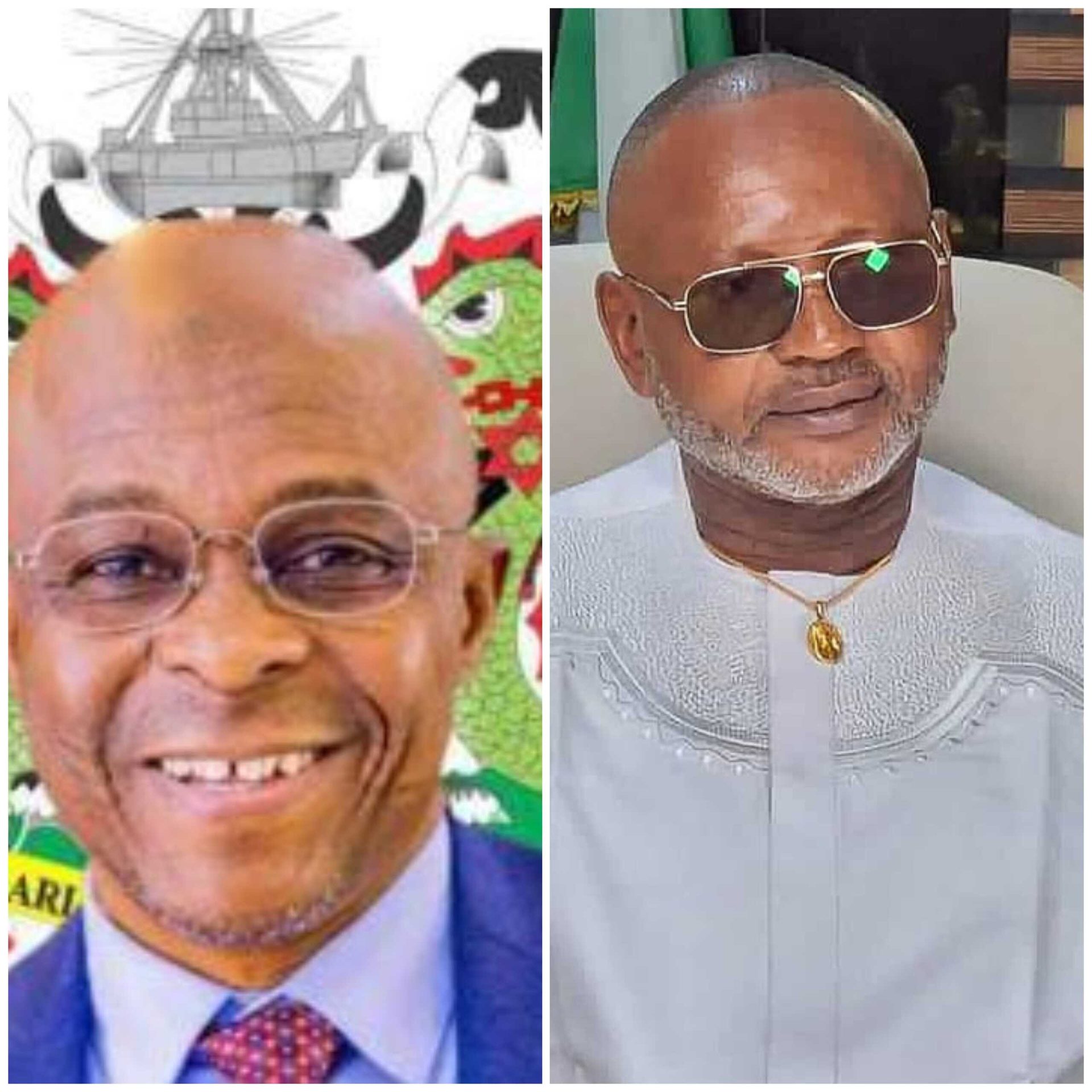
The National Association of Government Approved Freight Forwarders (NAGAFF) has condemned calls by a faceless coalition for the removal of the Managing Director of the Nigerian Ports Authority (NPA), Dr Abubakar Dantsoho, describing the allegations against him as misleading and self-serving.
The association said the demand was an attempt to undermine ongoing reforms and the progress being recorded in Nigeria’s port system under Dantsoho’s leadership.
NAGAFF expressed concern that at a time when stakeholders across the maritime value chain were beginning to witness improvements in port infrastructure, digital transformation, investment attraction and operational efficiency, some groups had chosen to disregard these developments and promote narratives that did not reflect the realities of the industry.
The association stated that Dantsoho had demonstrated leadership, professionalism and commitment to advancing President Bola Ahmed Tinubu’s Renewed Hope Agenda in the maritime sector.
NAGAFF maintained that the current NPA management had recorded measurable achievements within a relatively short period, contrary to the allegations made by the coalition.
Among the milestones highlighted by the association was the commencement of the long awaited port modernisation and rehabilitation programme covering Apapa, Tin Can Island, Rivers, Onne, Warri and Calabar ports, with more than $1 billion earmarked for reconstruction and infrastructure renewal.
The association described the initiative as one of the most comprehensive port rehabilitation efforts in decades, noting that it was expected to address critical infrastructure deficiencies and improve operational efficiency across the nation’s seaports.
NAGAFF also cited progress in strategic port expansion projects, including Snake Island Port, Badagry Deep Seaport and Ondo Deep Seaport, alongside other maritime infrastructure initiatives designed to increase Nigeria’s cargo-handling capacity and strengthen its competitiveness in global trade.
It further highlighted Nigeria’s integration into the International Port Community Systems Association (IPCSA) as a significant step towards implementing the National Single Window project.
According to the association, the initiative is expected to reduce bureaucratic bottlenecks, enhance transparency and accelerate cargo clearance processes through improved coordination among relevant agencies.
The association also pointed to ongoing port automation and digitalisation initiatives aimed at making Nigerian ports more efficient, investor friendly and globally competitive.
Other achievements identified by NAGAFF include improved cargo throughput and trade performance, enhanced stakeholder engagement, and stronger collaboration among government agencies, terminal operators, freight forwarders, shipping companies and investors.
The association said these efforts were helping to address longstanding industry challenges while positioning Nigerian ports to support the African Continental Free Trade Area (AfCFTA) and the Federal Government’s broader blue economy objectives.
NAGAFF maintained that the developments represented tangible progress that should not be dismissed by what it described as politically motivated campaigns and anonymous accusations.
The association further noted that many of the challenges raised by the coalition, including port congestion, infrastructure deficits, concession related issues and logistics bottlenecks, had existed for several years before the current NPA management assumed office.
It described expectations that Dantsoho should completely resolve decades of structural deficiencies within a short period as unrealistic and unfair.
NAGAFF argued that the current management had demonstrated the willingness and capacity to confront these challenges through practical reforms, strategic investments and sustained engagement with industry stakeholders.
The association said the ongoing initiatives deserved recognition and support rather than criticism that could undermine efforts to reposition Nigeria’s port system.
Consequently, NAGAFF has passed a strong vote of confidence in Dantsoho and the current management of the Nigerian Ports Authority.
The association urged President Bola Ahmed Tinubu to disregard what it described as distractions from faceless groups and remain committed to supporting public officials working to deliver on the administration’s reform agenda.
It maintained that leadership should be assessed based on performance, arguing that Dantsoho had demonstrated the qualities of a visionary maritime administrator through initiatives in port modernisation, digital transformation, infrastructure development and investment promotion.
NAGAFF said the current management had laid a foundation for positioning Nigeria as a leading maritime hub in Africa.
The association therefore rejected the call for Dantsoho’s removal, stressing that the maritime sector needed continuity, stability and sustained support for ongoing reforms rather than disruptions arising from allegations it described as unverified.
It urged stakeholders genuinely committed to the growth of Nigeria’s maritime industry to support measurable progress and constructive reforms instead of campaigns capable of derailing the sector’s development.

Headlines
FG commences ₦1.45trn Lagos Ports upgrade, targets 20,000 jobs
Funso OLOJO, Editor
The Federal Government has commenced a ₦1.45 trillion modernisation of the Lagos Port Complex, Apapa, and Tin Can Island Port, in a major infrastructure intervention aimed at creating at least 20,000 jobs, reducing cargo clearance time to 48 hours and restoring Nigeria’s competitiveness as a leading maritime hub in Africa.
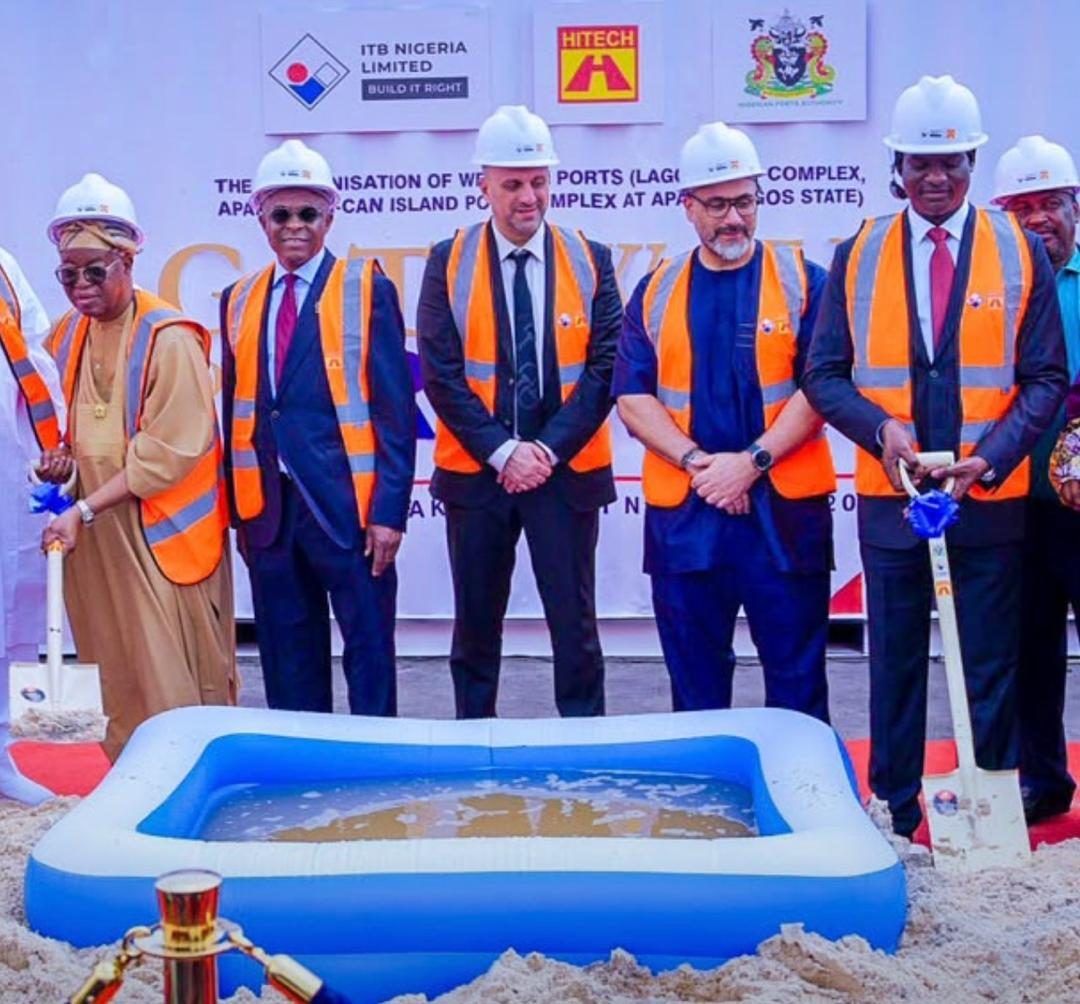
The project, valued at £746 million, was formally flagged off on Wednesday, November 25th, 2026,with a groundbreaking ceremony at Tin Can Island Port performed by the Minister of Marine and Blue Economy, Adegboyega Oyetola.
The ambitious port renewal programme is designed to address decades of infrastructure deterioration, improve cargo handling efficiency, reduce logistics costs and strengthen Nigeria’s capacity to accommodate rising trade volumes and the demands of modern international shipping.
Speaking at the ceremony, Oyetola said the modernisation had become imperative in view of the widening mismatch between Nigeria’s expanding economy and the limited capacity of its existing port infrastructure.
He said Apapa and Tin Can Island ports, which have served as the country’s principal gateways for international trade for decades, could no longer adequately meet the demands of a rapidly growing economy and the changing requirements of global maritime commerce.
The minister recalled that Apapa Port was established in 1913, while Tin Can Island Port was commissioned in 1977, at a time when Nigeria’s population stood at about 67.2 million, annual trade was approximately $17 billion and cargo throughput was 8.11 million metric tonnes.
Today, he said, Nigeria’s population has increased to about 240 million, annual merchandise trade has exceeded $100 billion, while cargo throughput has surged to 129.3 million metric tonnes.
According to Oyetola, the scale of economic expansion makes comprehensive port modernisation unavoidable if Nigeria is to retain its position in regional and international trade.
He warned that failure to upgrade the facilities could result in the diversion of Nigerian-bound cargo to neighbouring countries whose ports have undergone significant infrastructure improvements.
“The cost of inaction is far greater than the cost of modernisation. Nigeria will not surrender its competitive advantage,” the minister declared.
Oyetola said the Federal Government was determined to position the Lagos ports to attract more direct calls by international shipping lines, expand transshipment opportunities and establish Nigeria as a preferred gateway for trade under the African Continental Free Trade Area.
He disclosed that cargo dwell time at Nigerian ports had historically ranged between 10 and 18 days, compared with three to five days at leading international ports.
The prolonged cargo clearance period, he said, had contributed to congestion, demurrage and storage charges estimated to cost the Nigerian economy about $4 billion annually.
The modernisation programme is expected to reverse the trend through the rehabilitation of quay walls and berths, dredging of navigation channels, improvement of port access facilities, installation of modern cargo-handling equipment and deployment of more efficient, digitally enabled operational systems.
Oyetola said the project would generate at least 20,000 direct and indirect jobs across construction, engineering, dredging, logistics, transportation, port operations and other related sectors.
Beyond employment creation, he said, the upgraded facilities would improve the competitiveness of Nigerian exporters by reducing delivery delays and lowering logistics costs.
The minister identified agricultural produce, processed foods, solid minerals, manufactured goods, textiles and petrochemical products as among the export commodities expected to benefit from improved port infrastructure and operational efficiency.
He said the modernisation would provide Nigerian businesses with more reliable access to international markets while supporting the Federal Government’s efforts to diversify the economy and expand non-oil exports.
Acknowledging that construction activities could temporarily affect port operations, Oyetola said measures had been put in place to ensure that cargo movement and business activities continued with minimal disruption.
He disclosed that he had approved the establishment of an Inter-Ministerial Committee comprising the Federal Ministry of Marine and Blue Economy, the Nigerian Ports Authority (NPA) and the Nigeria Ports Economic Regulatory Agency.
The committee, he said, would develop a Port Business Continuity and Cargo Flow Management Plan to coordinate construction activities, vessel scheduling, cargo evacuation, truck traffic and the deployment of alternative ports and transportation channels where necessary.
The minister stressed that the government was conscious of the importance of the Lagos ports to Nigeria’s economy and would ensure that the modernisation programme did not undermine the flow of trade during implementation.
He said the project represented a strategic investment in the country’s maritime future, adding that modern, efficient and competitive ports were essential to economic growth, industrial development, job creation and Nigeria’s ambition to become a major player in African and global trade.
Headlines
Oyetola woos polish investors to Nigeria’s fisheries, aquaculture sectors
Gloria Odion Maritme, Reporter
The Minister of Marine and Blue Economy, Dr Adegboyega Oyetola, has called on Polish investors to tap into the vast investment opportunities in Nigeria’s fisheries and aquaculture sectors, stressing that stronger economic cooperation between both countries could boost domestic production, create jobs and enhance national food security.
Oyetola made the call on Tuesday, November 24th, 2026, while delivering a goodwill message at the Polish-Nigerian Economic Forum held at the Lagos Continental Hotel, Lagos.
He described Nigeria’s marine and blue economy as a promising frontier for bilateral economic cooperation, urging Polish businesses to bring investment capital, modern technology, technical expertise and sustainable production systems into the country.
“I therefore wish to invite Polish investors, businesses and technical partners to take a closer look at Nigeria’s fisheries and aquaculture sector,” the minister said.
He identified fish production, processing, storage, cold-chain logistics, aquaculture technology, fish-feed production, equipment manufacturing and export development as areas offering significant investment opportunities.
According to him, investments across these value chains would expand domestic fish production, reduce Nigeria’s dependence on imports, generate employment, empower coastal communities and unlock greater economic value from the country’s aquatic resources.
“These investments can help boost local production, reduce fish import dependence, create employment, strengthen food security, empower coastal communities and generate significant economic value,” he stated.
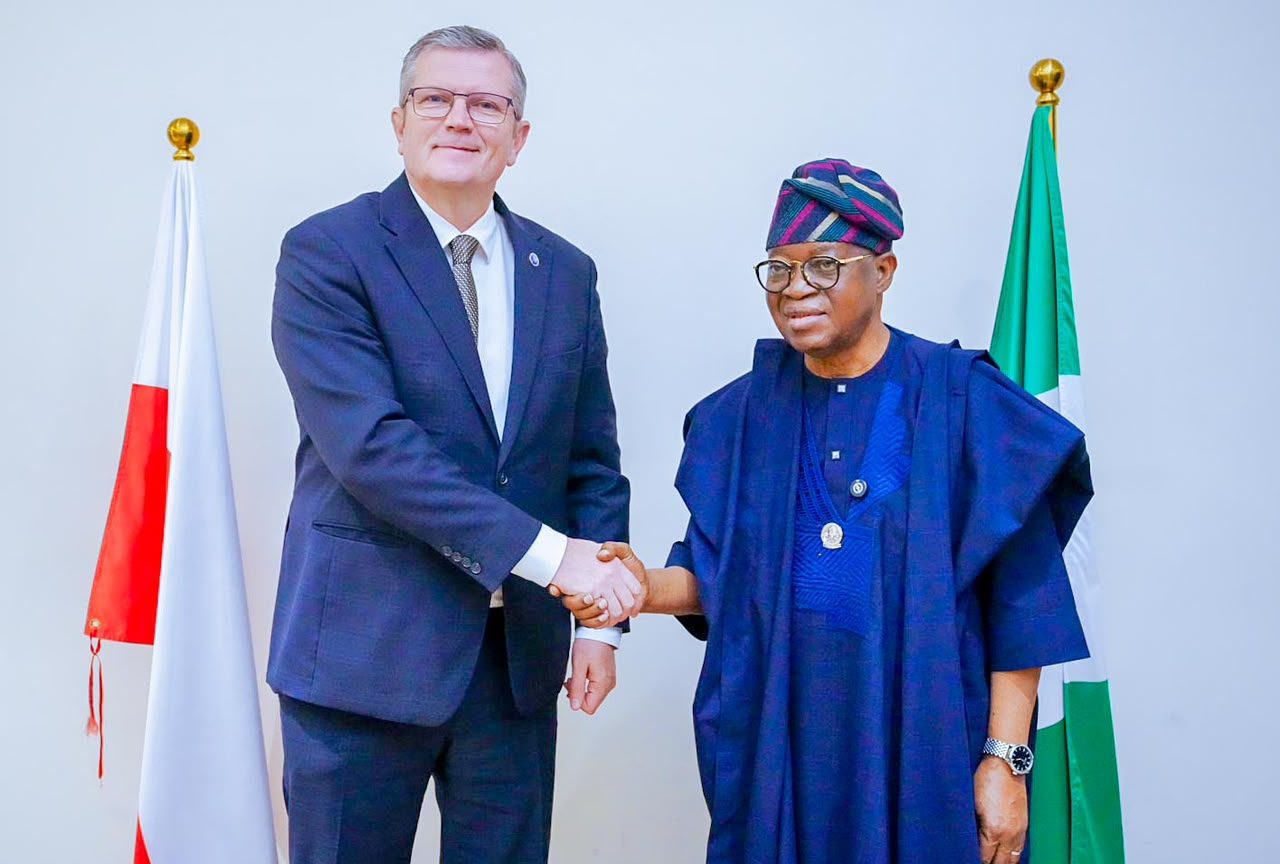
Beyond fisheries and aquaculture, Oyetola commended the Polish Government for its support for Nigeria’s Port Modernisation Programme, describing the partnership as a demonstration of confidence in Nigeria’s economic prospects and a commitment to strengthening bilateral relations.
He said the collaboration would contribute to the development of efficient, modern and competitive maritime infrastructure, disclosing that the programme was scheduled for flag-off in Lagos on Wednesday, November 25, 2026.
The minister, however, emphasised the need to broaden Nigeria-Poland economic cooperation beyond port infrastructure to cover other strategic components of the marine and blue economy, particularly fisheries, aquaculture, marine technology and logistics.
“Our vision is to build a marine and blue economy that is productive, sustainable, resilient and investment driven,” he declared.
Oyetola expressed optimism that deeper economic relations between Nigeria and Poland would facilitate technology transfer, attract new investments and accelerate sustainable growth across Nigeria’s marine and blue economy.
He said sustained collaboration between the two countries could help unlock the enormous economic potential of Nigeria’s aquatic resources while positioning the country for greater participation in the global blue economy.
Customs
Customs dramatises officers’ operational hazards in 79-episode TV Series
Funso OLOJO, Editor
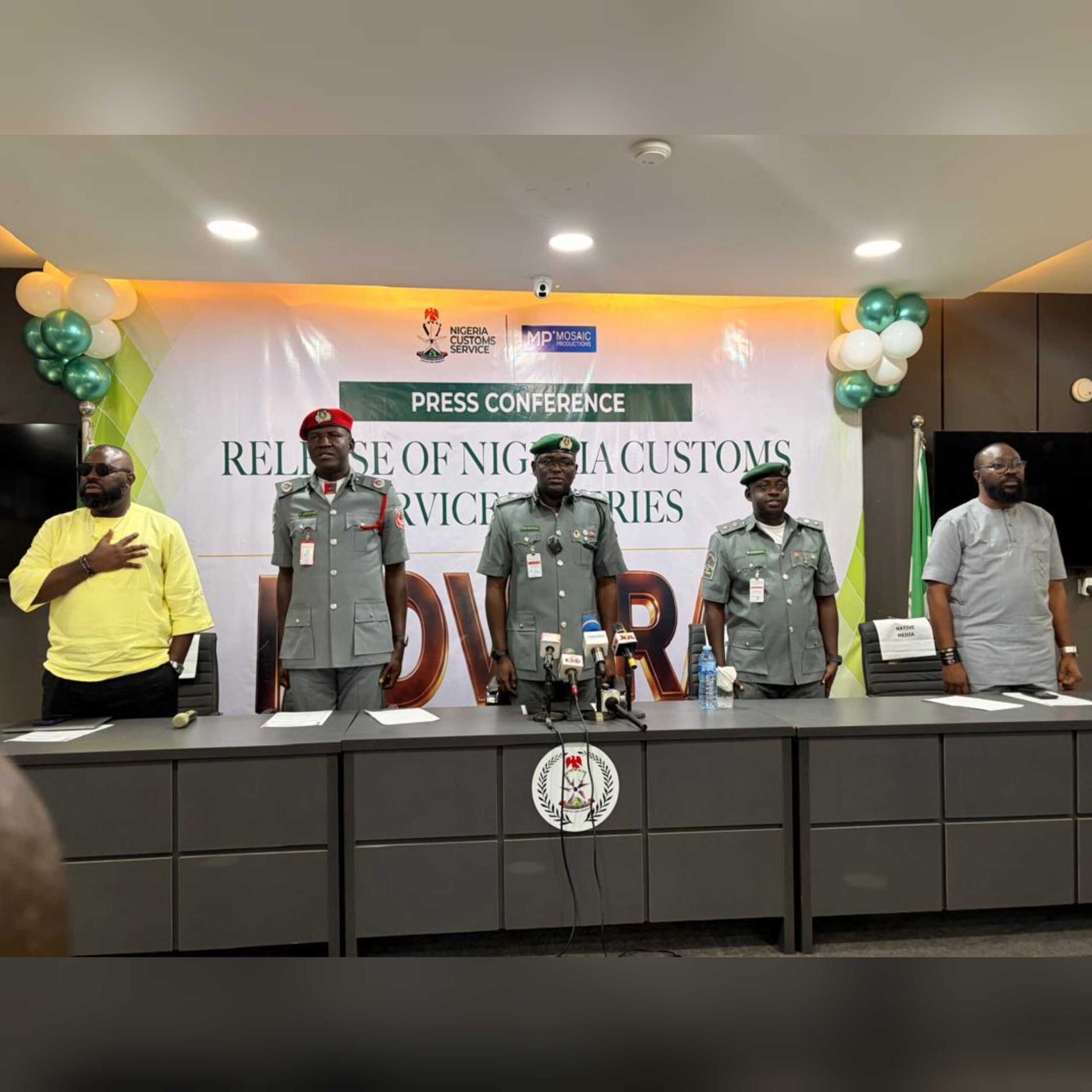
The dangerous world of smuggling, arms trafficking, drug cartels and the personal sacrifices of officers battling transnational criminal networks will take centre stage in a new 79-episode television drama series unveiled by the Nigeria Customs Service (NCS).
The series, titled Novara, is part of the Service’s efforts to give Nigerians a deeper understanding of the risks associated with Customs operations, showcase the human experiences behind the uniform and strengthen public engagement through creative storytelling.
Unveiled in Lagos on Tuesday, November 24th, 2026, the production is scheduled to premiere on Africa Magic Showcase on Thursday, January 7th, 2027.
Speaking at the unveiling, the National Public Relations Officer of the NCS, Abdullahi Aliyu Maiwada, described the initiative as a significant milestone in the Service’s strategic communication approach, marking a departure from conventional institutional messaging to the use of entertainment as a tool for public enlightenment.
He said Novara was conceived to educate, inform and entertain audiences while projecting the core values of integrity, courage, professionalism, patriotism, resilience and responsible service to the nation.
According to him, while the statutory responsibilities of the Service revolve around revenue generation, trade facilitation and border security, the human sacrifices and operational hazards associated with these duties are often overlooked or poorly understood by the public.
He noted that Customs officers routinely operate in difficult and dangerous environments, confront sophisticated transnational criminal networks and sometimes risk their lives to protect Nigeria’s economic interests and territorial integrity.
The drama, he explained, seeks to bring these realities to the screen by presenting Customs officers beyond their official identities as law enforcement personnel, portraying them as parents, spouses and members of society whose demanding professional responsibilities often take a toll on their family lives.
At the heart of Novara is the story of Pancha, a Customs officer torn between his family obligations and his professional commitment to protecting Nigeria against economic sabotage and transnational organised crime.
His assignment draws him into the dangerous operations of an organised criminal cartel involved in the smuggling of illicit drugs and arms into Nigeria.
The syndicate, headed by a notorious drug lord identified as Jambala, is said to operate in collaboration with a Mexican drug network with links to the United States.
As the criminal organisation expands its activities, Pancha and his colleagues in the Customs Intelligence Unit embark on a high-risk undercover operation to infiltrate, expose and dismantle the network.
But the mission comes at a heavy personal cost, placing his family in danger and testing his resolve to remain committed to national service.
Maiwada said the storyline explores the difficult choices officers must make in balancing professional obligations with family responsibilities, while exposing the wider dangers posed by drug trafficking, arms smuggling and other forms of transnational organised crime.
Beyond the dramatic storyline, the production also highlights the importance of intelligence-led operations, inter-agency collaboration and institutional vigilance in tackling emerging security threats.
The series brings together professionals from Nigeria’s film and television industry, with Agbode Ugo and Roger Oppen serving as producers.
Filmed in Lagos, Nigeria, and Los Angeles, United States, the production combines local storytelling with an international outlook, reflecting the cross-border dimensions of contemporary security and economic crimes.
The first season features actors including Topher Olowuya, Ray Adeka, Sharon Owojimi, Charles Okwong, Similayo Hassan and Iwande Osioma, among others.
It is directed by Daniel Oranyi and Ben Cheadika.
Maiwada disclosed that the 79-episode production is being released in two batches, with the first season comprising 39 episodes already completed and ready for broadcast, while the remaining 40 episodes are still in production.
Following its premiere on January 7th, 2027, new episodes will be aired every Tuesday and Friday at 9pm on Africa Magic Showcase.
He added that private screenings and preview engagements had already been organised in Lagos, Port Harcourt, Abuja and Kaduna ahead of the official television premiere.
Addressing questions about the financing of the project, the Customs spokesman said Novara was developed through a public-private partnership arrangement, stressing that the Service’s contribution was primarily in kind rather than through direct cash financing.
He explained that the NCS provided institutional support through access to operational facilities and relevant locations, personnel, costumes, uniforms, props and supporting actors drawn from its workforce.
On the production side, Mosaic Theater Production and Native Media provided professional expertise in script development, creative conceptualisation, filming and post-production.
Native Media also supplied camera and other technical production equipment, he added.
The Service said the arrangement demonstrated how public institutions could harness private-sector partnerships to execute impactful communication projects without bearing the entire financial burden of production.
It also acknowledged the contributions of corporate sponsors, including SIFAX Group, ASR Africa Foundation, BUA and Pacific Finance Group, among others.
Maiwada described the initiative as part of a deliberate repositioning of the Service’s strategic communication framework, arguing that public institutions must continually explore innovative ways of explaining their mandates and connecting with citizens.
He maintained that conventional communication channels, particularly the media, remained indispensable, but that creative storytelling offered an additional opportunity to translate complex institutional responsibilities into relatable and memorable experiences.
Through Novara, the NCS hopes to move public engagement beyond the familiar presentation of enforcement statistics, revenue figures, seizures and policy announcements to a more personal account of the men and women behind the uniform and the families who share the burden of their national assignments.
The initiative, he said, also aligns with the broader vision of the Comptroller-General of Customs, Bashir Adewale Adeniyi, to promote innovation, deepen stakeholder relationships and communicate the Service’s contributions to national development.
The NCS called on Nigerians, members of the international community, stakeholders in the maritime and trading sectors, security institutions and entertainment enthusiasts to watch the series when it premieres.
The Service expressed optimism that the production would deepen public appreciation of Customs operations and provide greater insight into the challenges associated with border management, anti-smuggling campaigns, trade facilitation and national security.

 Headlines3 months ago
Oyetola presents three-year score card as blue economy industry revenue hits ₦1.83trn

 Customs2 months ago
FOU Zone ‘A’: Aliyu retires after ₦3.19bn revenue recovery, Afeni takes over

 Customs3 months ago
Nigeria, Benin Customs move to harmonise trans-border trade, establish joint border post at Seme-Krake

 Customs4 weeks ago
FOU Zone A: Afeni intensifies anti-smuggling operations, seizes N511.4m drugs, rescues eight pangolins

 Headlines4 weeks ago
Tension heightens at Osborne Foreshore Estate over alleged environmental breach by property developer
 Commentaries1 month ago
Beyond Shiny Tech: Why Africa’s smart ports must build plumbing before AI