
Headlines
400, 000 Pilipino seafarers may lose jobs over poor maritime safety standards.


Earlier in 2022, the EMSA specified that the training and certification in Philippine maritime education institutions fell short of guidelines mandated by the International Convention on Standards of Training, Certification and Watchkeeping for Seafarers.
The European Commission will ultimately decide the seafarers’ fate following the EMSA audit.
The Philippines could also end up being excluded from the International Maritime Organization’s “white list” of countries with seafarer employability.
Celia Dejond, press officer for the European Commission said that in case a withdrawal decision is adopted, existing seafarers’ certificates would only be recognized until they expire.
“Since the Philippine’s reply to the audit findings was very extensive, the European Commission services assisted by experts are still carefully analyzing it with the intention to finalize the process with a final decision possible by end of first quarter 2023,” said Dejond.
EMSA is charged with reducing the risks of maritime accidents, marine pollution from ships and loss of human lives at seaImage.
“It is so important that the country passes the European regulatory requirements. If we don’t, I fear that international companies will no longer hire from the Philippines,” said Fermin.
Nicanor Castro has crossed the waters of the globe for more than two decades. He’s been hearing about the European regulatory warnings for years and fears the possibility of suddenly not being allowed to sail.
“It shouldn’t have come to this if the government had taken the warnings seriously and acted sooner,” Castro said.
During a hearing in the Philippine Senate in October, Migrant Workers Assistant Secretary Jerome Pampolina warned that 2022 is the final year marked by EMSA for compliance and warned of a “domino effect” on other related maritime industries.
In November, Philippine President Ferdinand Marcos Jr. met with European Union transport officials in Belgium and assured them that the government is committed to addressing the flagged deficiencies and complying with European regulations.
Officials insist the government has taken consistent measures to improve maritime training and education and has significantly reduced the number of audit findings over the years.
“We have taken considerable efforts to show the country’s compliance with international standards, such as policy revisions and issuing standards and guidelines which are aligned with outcomes-based education,” Cindy Benitez-Jaro, executive director of the Commission on Higher Education, declared.
The Philippines could end up being excluded from the International Maritime Organization’s ‘whitelist
“As for expectations, we are always hoping for the best,” he said.
Labor rights groups have slammed the government response as “Band-Aid solutions.”
“The government has depended on private educational institutions to provide maritime education, but has not provided them with sufficient subsidies to upgrade their facilities to align with international standards,” said Edwin Dela Cruz, who oversees seafarer concerns for rights group Migrante International.
“The government makes so much money from seafarers. They need to at least provide them with up-to-date training and not stopgap measures.”
The Philippines is the world’s largest provider of seafarers.
An estimated 380,000 Filipino seafarers, or over a quarter of all global merchant shipping crew members, are deployed on domestic or foreign-flagged shipping vessels.
Figures from the Philippine Central Bank show that in 2021, Filipino seafarers sent home an estimated $6.54 billion (€6.15 billion) in remittances.
Filipino seafarers were among those most impacted by pandemic-related lockdowns, border closures and lack of international flights which left hundreds of thousands of seafarers stranded at sea, unable to be replaced or repatriated.
At the height of the pandemic in 2020, about 50,000 Filipino seafarers had been brought back home. According to government data, the deployment of seafarers has only begun to return to normal last year.
“Seafarers — including Filipinos — have already suffered a lot during COVID. Further employment difficulties are not really what they need,” Jan Hoffmann, head of trade logistics at the United Nations Conference on Trade and Development, said.

Headlines
May Day: Mobereola salutes maritime workers for passion, dedication to building virile industry
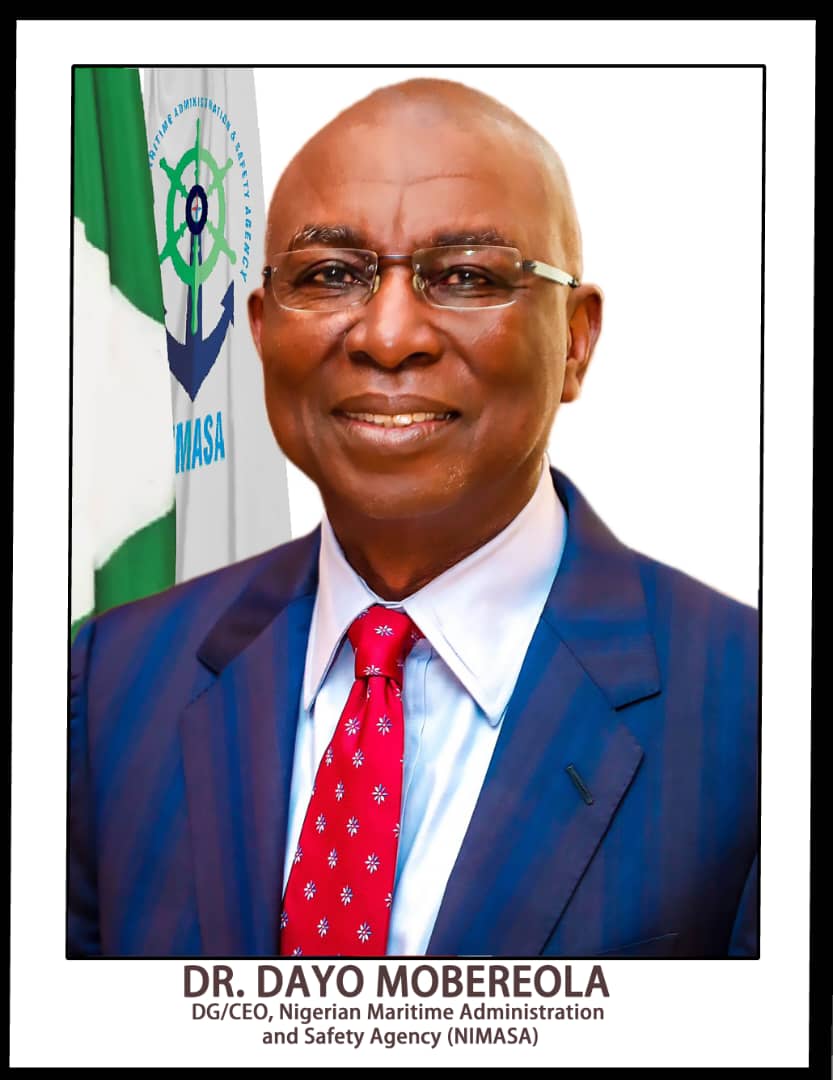
Gloria Odion, Maritime reporter
“Thank you for your dedication and invaluable contributions”.
He emphasized that as a regulator, the Agency remains committed to its oversight function of regulating maritime labour activities in the industry in line with extant instruments and the expectations of the theme of the 2026 Workers’ Day, which focuses on safety, dignity and productivity.
Customs
Kaila, Seme Customs CAC, seeks collaboration with stakeholders to achieve seemless trade along border corridor

Headlines
Opeifa decries encroachment on NRC properties across the country

-

 Headlines3 months ago
FIFA sends Nigeria’s Super Eagles to 2026 World Cup, awards boardroom scoreline of 3 goals to nil against DR Congo
-

 Aviation3 months ago
Why we increased cargo tariff at Airports– FAAN
-
 Aviation3 months ago
Tension de-escalates at Lagos Airport as FAAN, Cargo agents reach truce over new tariff
-

 Aviation3 months ago
Freight forwarders warn FAAN’s new charges regime could cripple airport operations
-
Aviation3 months ago
FAAN, freight forwarders in stand- off over new tariff regime at Lagos Airport
-

 Business3 months ago
National Single Window goes live in March, 2026