Connect with us

Headlines

IMO seeks safe  passage corridors to evacuate 100 stranded ships in Ukraine 

IMO’s Secretary-General, Kitack Lim
The International Maritime Organisation( IMO)  on Friday was seeking a  safe maritime corridor to enable about 100 merchant ships and their crews stuck in the Black Sea and the Sea of Azov to sail away without the risk of being hit.

Russia’s military took control of waterways when it invaded Ukraine on Feb. 24, in what Moscow calls a “special operation”.

Ukrainian maritime officials have told Reuters fighting has left around 100 foreign-flagged vessels and hundreds of mariners stranded in Ukrainian ports.

Last week, a seafarer was killed at the Ukrainian port of Olvia after a missile struck his Bangladesh-flagged cargo ship. Projectiles have hit four other vessels in recent days with one sunk.

The UN’s International Maritime Organization (IMO) convened a virtual meeting on Thursday and Friday to discuss the escalating situation.

A statement afterward said the IMO’s Secretary-General, Kitack Lim “indicated his commitment to take immediate action to realise the blue safe maritime corridor with the cooperation and collaboration of the relevant parties, including littoral states”.

It said a maritime corridor would “allow the safe evacuation of seafarers and ships from the high-risk and affected areas in the Black Sea and the Sea of Azov to a safe place”.

Ukraine has accused the Russian military of targeting Olvia port facilities in a missile strike, while Russia’s embassy in Dhaka said last week the circumstances of the incident involving the Bangladesh ship were “being established”.

 Russia denies deliberately targeting civilians.

The IMO meeting was held with its Council, which consists of 40 member countries who are elected for two years.

 Non-Council member states such as Ukraine were able to make statements.

The IMO statement said the council “deplored the attacks of the Russian Federation aimed at commercial vessels, their seizures, including search-and-rescue vessels”.

The Council separately demanded that Russia “cease its unlawful activities to ensure the safety and welfare of seafarers and the security of international shipping and the marine environment in all affected areas”.

Russia’s IMO representatives could not be immediately reached for comment on Friday.

Continue Reading
Click to comment

Leave a Reply

Your email address will not be published. Required fields are marked *

Customs

Customs suspends training of recruits over dispute with Federal Character Commission on recruitment exercise 

Gloria Odion, Maritme Reporter 
The Nigeria Customs Service (NCS) has temporarily suspended training activities at its two training colleges following concerns raised by the Federal Character Commission (FCC) over the ongoing recruitment exercise.
The suspension is intended to allow both institutions to undertake further consultations and resolve issues arising from the recruitment process through dialogue and mutual understanding.
The decision followed engagements between the Commission and a delegation of the NCS, during which both institutions reaffirmed their commitment to resolving the concerns through constructive dialogue, sustained engagement and institutional collaboration.
The Comptroller-General of Customs, Bashir Adewale Adeniyi,reiterated the Service’s commitment to maintaining cordial relations with relevant government institutions and addressing concerns in the overall interest of the nation.
Adeniyi acknowledged the constitutional responsibility of the FCC in promoting national unity, fairness and equitable representation in public service appointments.
He stressed the importance of the Commission’s mandate in advancing inclusiveness and ensuring adherence to the principles of federal character in public sector recruitment and appointments.
The Customs Service also reaffirmed its longstanding relationship with the Commission, expressing confidence that ongoing consultations would provide an effective platform for addressing the issues raised and arriving at a mutually acceptable resolution.
Both institutions reiterated their commitment to promoting fairness, national cohesion and effective public service delivery.
The NCS further restated its commitment, under the leadership of the Comptroller-General and his management team, to upholding accountability, transparency and institutional responsibility.
It assured that it would continue to engage relevant government institutions, strengthen inter-agency cooperation and pursue resolutions that reinforce public confidence, promote national unity and support the effective discharge of its statutory responsibilities.
Continue Reading

Headlines

NIWA clears water hyacinth on Jabi Lake to boost navigation, tourism
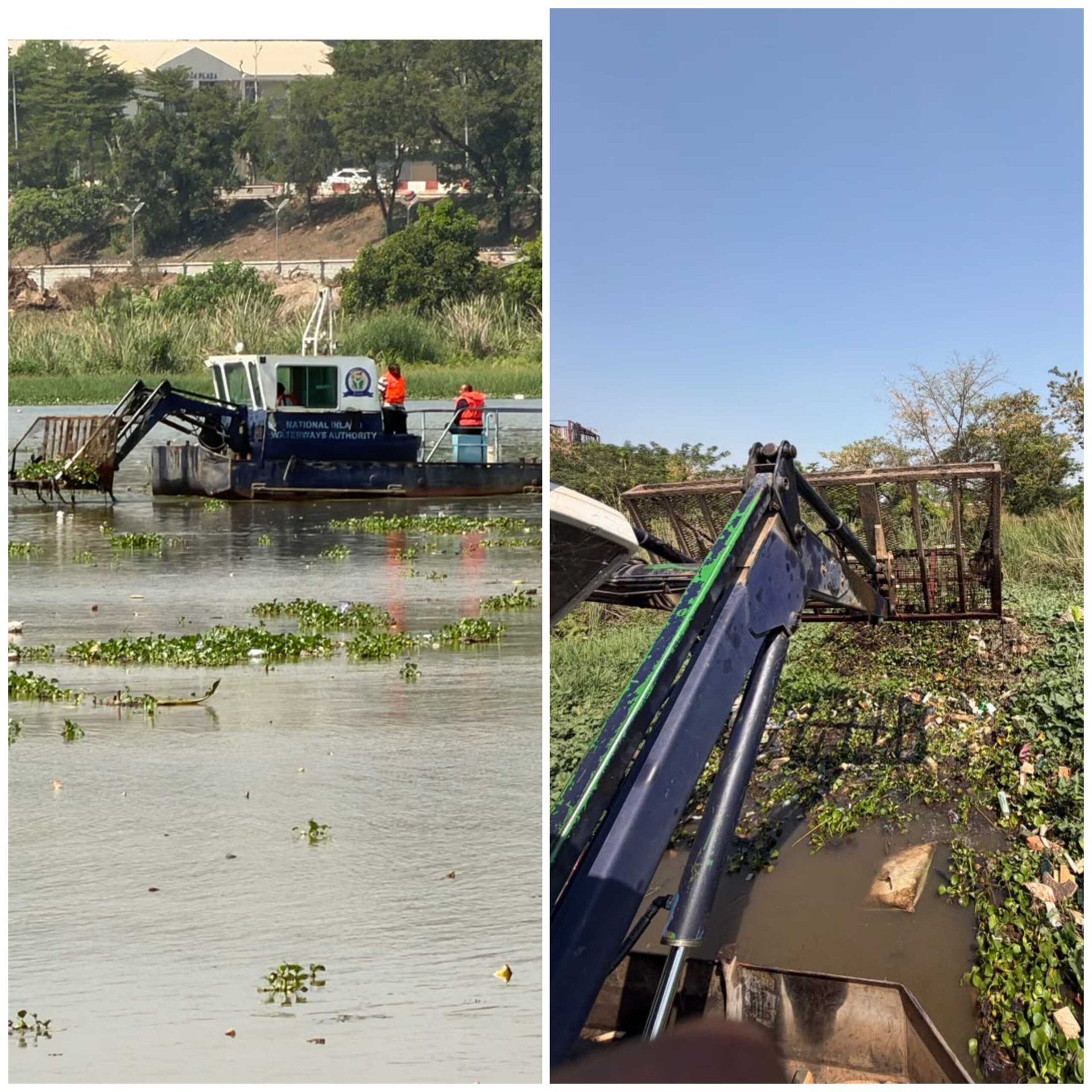
Water hyacinth clearance exercise on Jabi Lake
Funso OLOJO, Editor 
The National Inland Waterways Authority (NIWA) has launched a major water hyacinth clearance operation on Jabi Lake, Abuja, in a renewed effort to restore the water body’s navigability, improve its environmental condition and sustain tourism and recreational activities around the popular waterfront.
The exercise, which commenced on Monday, November 17, 2026, is designed to tackle the proliferation of water hyacinth, an invasive aquatic weed that poses a threat to safe navigation, undermines the aesthetic appeal of the lake and disrupts water-based recreational activities.
The operation is being coordinated and closely supervised by NIWA’s Abuja Area Manager, Hajia Aisha Eri, who said considerable progress had been recorded in removing the invasive vegetation and restoring the lake to a condition conducive to boating and other recreational activities.
Eri’s direct involvement in the exercise reflects the Authority’s determination to translate its environmental sustainability commitments into practical interventions that promote safe inland water transportation, protect aquatic environments and unlock the tourism potential of Nigeria’s inland waterways.
The ongoing operation has also received the attention of NIWA’s Acting Managing Director, Mr. Umar Yusuf Girei, who visited the site to underscore the Authority’s commitment to effective waterway management, environmental protection and the development of inland waterfront destinations.
Girei explained that the clearance exercise formed part of NIWA’s broader strategy to reclaim waterways, improve navigational channels and reduce safety risks associated with the uncontrolled spread of invasive aquatic vegetation.
“NIWA remains steadfast in reclaiming our waterways for safe human navigation. By clearing these invasive weeds, the Authority is opening up unobstructed channels and drastically reducing the risk of marine accidents, ensuring that commerce, transportation and tourism around hubs like Jabi Lake remain smooth, reliable and secure,” Girei said
Beyond restoring the lake’s navigability, the intervention is expected to enhance its environmental quality, improve its attractiveness to tourists and create a more conducive environment for boating, leisure and other waterfront activities.
Jabi Lake is one of Abuja’s prominent recreational destinations, attracting visitors and supporting businesses that depend on water-based leisure and tourism.
The unchecked spread of water hyacinth, however, can obstruct navigation, compromise the lake’s appearance and undermine its potential as a sustainable tourism destination.
The clearance exercise therefore represents an important intervention in protecting the economic and recreational value of the water body.
NIWA reiterated its commitment to maintaining cleaner, safer and more navigable inland waterways across the country, stressing that effective waterway management remains critical to the growth of inland water transportation, environmental sustainability and Nigeria’s emerging blue economy.
Continue Reading

Customs

Customs reviews B’Odogwu system in Lisbon, targets faster cargo clearance, higher revenue
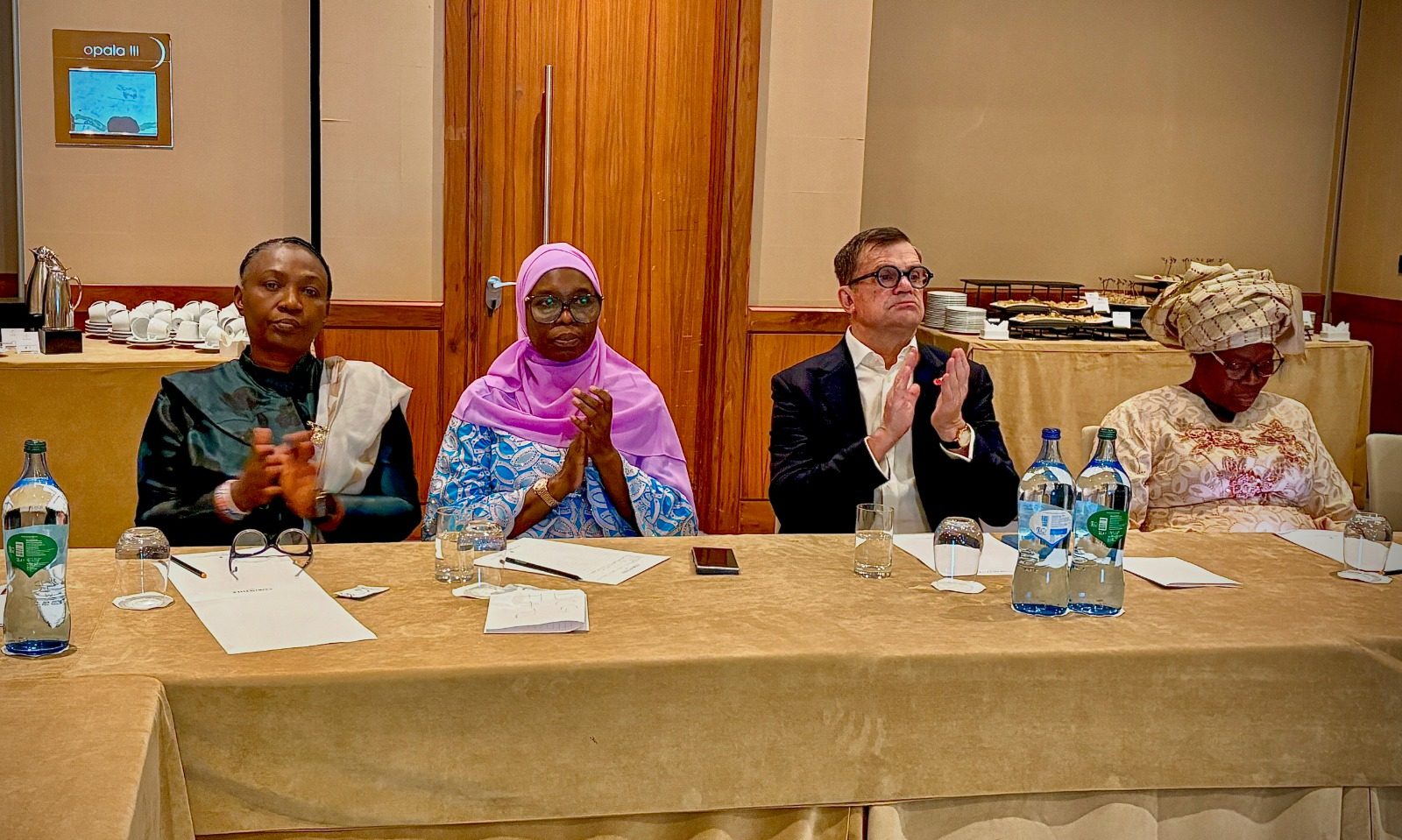
Gloria Odion Maritime Reporter 
The Nigeria Customs Service (NCS) has concluded a three-day strategic review of its B’Odogwu Unified Customs Management System in Lisbon, Portugal, with a series of resolutions designed to address operational bottlenecks, accelerate cargo clearance, strengthen cargo tracking and optimise revenue collection.
The workshop, held from November 9 to 11, 2026, at the Corinthia Hotel, brought together senior NCS management and officers, Trade Modernisation Project Limited (TMPL) and CB-XP representatives to assess the system’s performance, identify implementation gaps and develop a roadmap for improving its efficiency.
The review focused on consolidating the gains recorded since the introduction of B’Odogwu while addressing technical and operational challenges affecting its deployment across Customs commands.
Speaking at the opening ceremony on November 9, the Deputy Comptroller-General of Customs in charge of ICT Modernisation, Oluyomi Adebakin, commended the Comptroller-General of Customs, Adewale Adeniyi, for his commitment to technological innovation and capacity development within the Service.
The Managing Director of TMPL, Jummai Umar-Ajijola, who represented the company’s Chairman, Saleh Ahmadu, disclosed that the B’Odogwu platform had attracted the attention of the African Continental Free Trade Area (AfCFTA) Secretariat, reflecting its growing relevance to regional trade facilitation.
She added that improvements to the system had contributed to increased revenue generation and strengthened the Customs revenue ecosystem.
Umar-Ajijola said the workshop provided an opportunity to develop a concrete roadmap for consolidating the achievements recorded over the past three years and identifying priorities for the next phase of the project.
“We are to work to find a concrete plan not only to consolidate but to build a change roadmap going forward at the assessment of the three years so far,” she said.
She also commended the NCS Public Relations Unit for its consistent communication and reporting on the project.
Among the major resolutions reached was the upgrading of the Electronic Cargo Tracking System (ECTS), alongside measures to strengthen bond and transit management, automate Customs Procedure Code approvals and streamline the processing of import, export, re-importation and transit declarations.
Participants also agreed on the need to harmonise Customs Procedure Code nomenclature to promote uniformity, operational efficiency and accountability across Customs operations.
On cargo monitoring, the workshop considered plans to integrate the upgraded ECTS with B’Odogwu and replace 200 obsolete electronic seals with 2,000 newly procured units.
The proposed improvements also include individual container tracking for applicable transit declarations, enhanced bond registration and validation processes, and tighter monitoring of bonded cargo movements to curb diversion and other transit-related infractions.
In another major area of deliberation, participants examined the proposed integration of B’Odogwu with the Nigeria Export Processing Zones Authority (NEPZA), as well as improvements to the Transire Processing System.
The workshop further identified the need to upgrade the platform’s reporting dashboard, search filters and Harmonised System (HS) Code search functionality to make information retrieval and transaction monitoring more efficient.
Other proposed enhancements include providing access to previously processed declarations, improving the monitoring of procedure code applications, introducing system alerts to reduce processing errors and incorporating Time Release Study requirements into the platform.
The resolutions also addressed operational procedures, with participants reviewing Standard Operating Procedures (SOPs) for Bond Management, Transire Commands and Export Commands to ensure conformity with the Nigeria Customs Service Act 2023.
To strengthen project governance and prevent unauthorised system changes, the workshop resolved that all requests for modifications to B’Odogwu must undergo review and receive approval from the Officer in Charge of the Project Management Office before deployment.
Participants also reviewed the project’s communication plan, emphasising the importance of stronger engagement with stakeholders to ensure effective implementation and wider acceptance of the system.
At the closing ceremony on November 11, the Deputy Comptroller-General of Customs in charge of Finance, Administration and Technical Services (FATS), Kikelomo Adeola, stressed the importance of translating the workshop’s resolutions into measurable operational improvements.
The closing session featured a presentation by the Customs Area Controller, Comptroller Murtala Mu’azu, while the Chairman of CB-XP, Edward Bowen, delivered goodwill remarks.
To ensure effective implementation, specific responsibilities were assigned to relevant NCS and TMPL units, with the expectation that the agreed technical and operational interventions would translate into improved system performance.
The Lisbon review marks another phase in the NCS’s efforts to strengthen digital Customs administration through B’Odogwu, with the ultimate objective of reducing cargo clearance delays, improving transparency, tightening cargo monitoring and enhancing revenue optimisation.
Continue Reading

Trending