Headlines
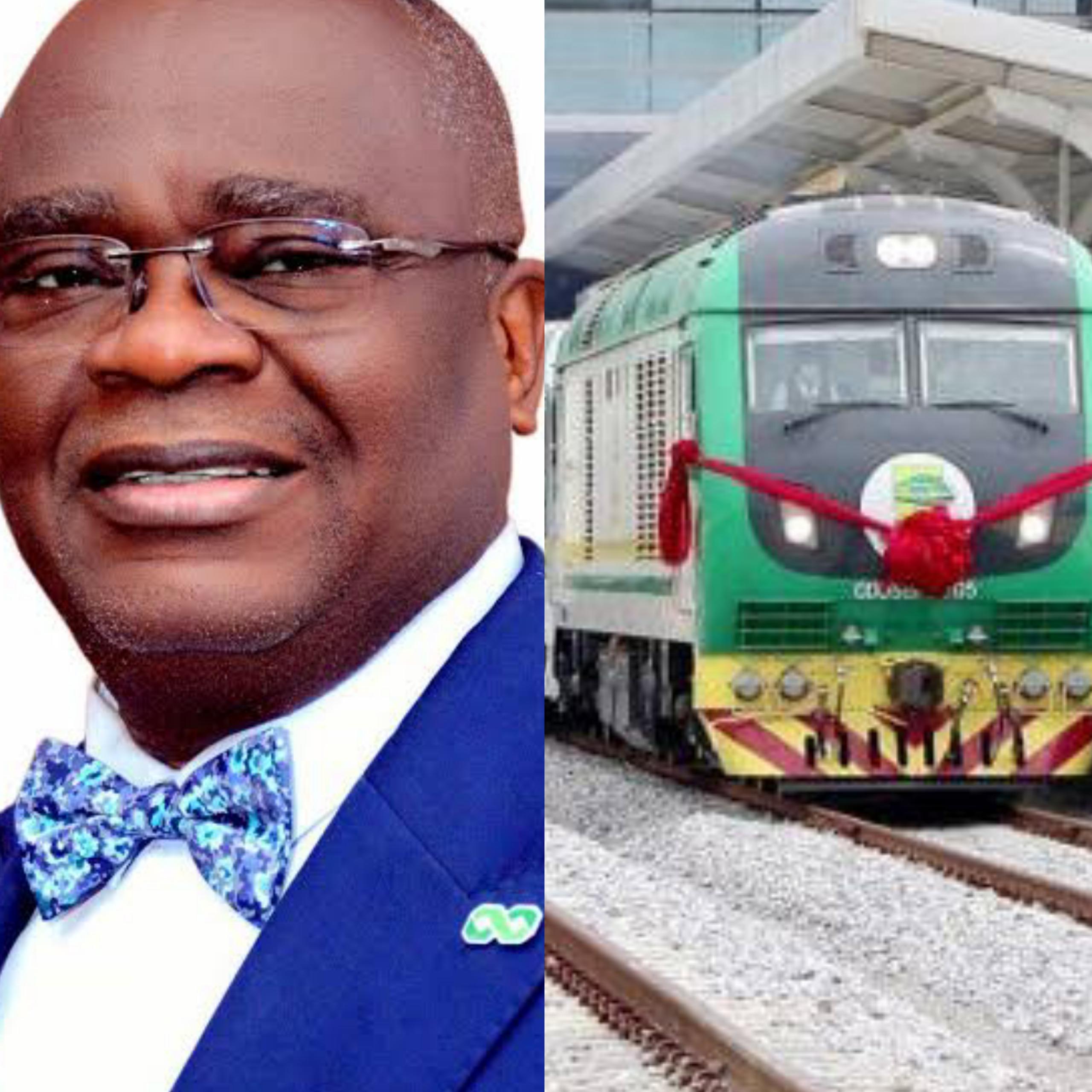
NRC suspends Warri- Itakpe train service over operational concerns

Headlines
MACI partners ICPC to deepen anti-corruption campaign in Maritime industry
Gloria ODION, Maritime Reporter
The Media Anti-Corruption Initiatives (MACI) has forged a strategic partnership with the Independent Corrupt Practices and Other Related Offences Commission (ICPC) to strengthen media-driven efforts to promote transparency, accountability and ethical conduct in Nigeria.
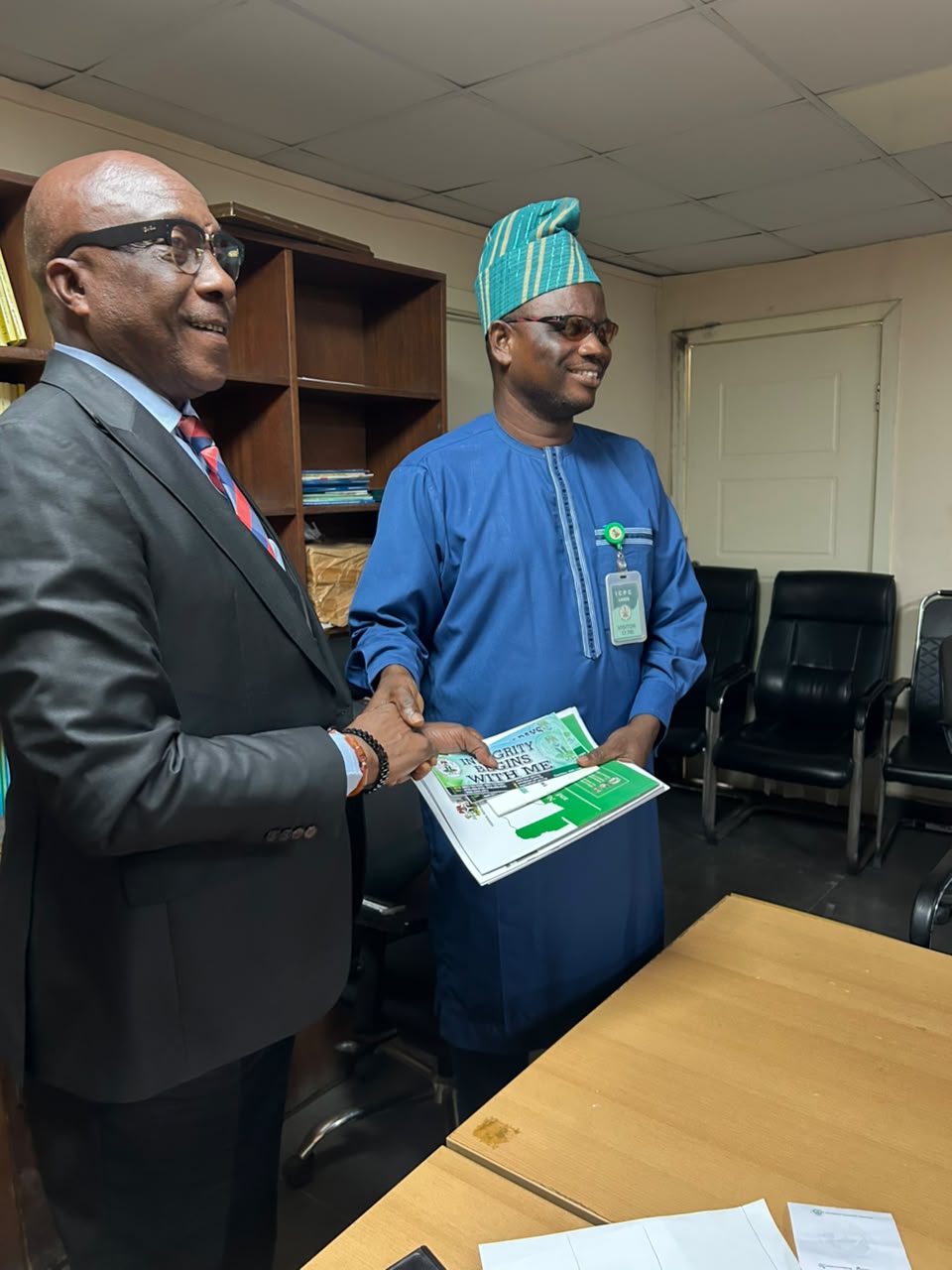
The partnership was sealed on Tuesday, September 15, 2026, when a seven-member MACI delegation, led by its National President, Mr Funso Olojo, paid a courtesy visit to the Resident Anti-Corruption Commissioner, Lagos Zonal Office, Mr Chukwurah Alexander, at the ICPC’s Lagos office.
Receiving the delegation, Alexander described the media as a critical partner in the ICPC’s public enlightenment and corruption-prevention mandate under Section 6 of the ICPC Act, 2000.
He commended MACI for its commitment to discouraging public participation in corrupt practices and expressed optimism that stronger collaboration between the media and the Commission would deepen public awareness and prevention efforts.
The meeting focused on developing a structured collaboration framework that would reposition the fight against corruption from a predominantly reactive approach to a more preventive and citizen-driven campaign.
Among the areas identified for collaboration are strengthening the strategic role of the media in anti-corruption advocacy and public reorientation, aligning media initiatives with the prevention-focused provisions of the ICPC mandate, and promoting global best practices in anti-corruption communication.
The stakeholders also discussed the need to distinguish between general information and actionable intelligence in investigative reporting, while promoting responsible reporting that can support legitimate anti-corruption investigations.
Other areas of proposed collaboration include continuous training and capacity building for journalists on anti-corruption reporting, development of a framework for data sharing between the ICPC and MACI to facilitate fact-based journalism, and the organisation of joint mobile and community-targeted sensitisation campaigns.
Speaking during the engagement, MACI National President, Olojo, reaffirmed the organisation’s determination to support the ICPC’s anti-corruption mandate through responsible and ethical journalism.
Olojo said citizens must be actively involved if Nigeria is to achieve the kind of society envisioned by its people.
“If we must achieve the Nigeria of our dream, the people must be actively involved,” he said.
He described the ICPC as a key coordinating institution within Nigeria’s anti-corruption architecture and pledged MACI’s continued commitment to using the media to promote integrity, accountability and responsible citizenship.
The MACI delegation comprised Olojo, LOD Onyeji, Tunde Ojudun, John Iwori, Abba Collins, Esther Komolafe and Ruth Sunday.
MACI is a non-governmental organisation committed to promoting ethical journalism, accountability and citizen participation in the fight against corruption.
Headlines
US lifting of 12-year condition of entry imposed on Nigeria excites foreign shipping companies

By Funso OLOJO, Editor
The United States Coast Guard’s (USCG) decision to lift the 12-year Condition of Entry (CoE) imposed on vessels calling at Nigerian ports has elicited strong positive reactions from international shipping companies operating in Nigeria, with the carriers describing the development as a major boost to the country’s maritime security credentials and trade prospects.
The shipping lines said the removal of the restriction could improve Nigeria’s image in the international shipping community, facilitate more direct maritime connections with the United States and create fresh opportunities for importers, exporters and shipping operators.
The USCG had imposed the enhanced security regime on vessels that had called at Nigerian ports and were subsequently destined for the United States.
Its removal, according to industry operators, signals growing confidence in the security of Nigeria’s maritime environment after 12 years of additional security requirements.
Reacting to the development, Maersk, one of the world’s largest shipping companies, said the US decision could further strengthen Nigeria’s position in global shipping and encourage carriers to consider expanding their operations.
The Terminal Planning Lead, West Africa, Srijesh Subramanian, described the development as “a welcome move”, saying it would benefit both importers and exporters.
“This is a welcome move which will enable better trade both for the importers as well as the exporters because we have quite a lot of exports going on, lots of Nigerians in the US.
“Shipping companies will be a little more bold in their expansion plans for the future. With the US removal of the Condition of Entry (COE), it is saying that Nigeria looks more like a safer environment than previously perceived,” he said.
Subramanian said the lifting of the restriction reflected improved international confidence in Nigeria’s maritime security, urging the relevant authorities to sustain the gains.
Also reacting, the Nigeria Director of Ocean Network Express (ONE), Stefan Pedersen, congratulated Nigeria on the development, although he noted that the company currently has no direct services between Nigeria and the United States.
“Congratulations to Nigeria on the lifting of the Condition of Entry. It shows the work that NIMASA has been doing all these years has actually paid off, so that is good,” Pedersen said.
According to him, while ONE was not directly affected by the restriction because it does not currently operate direct US services, its removal could make direct trade between Nigeria and the United States easier.
“At the moment ONE does not have any direct sailings to and from the US, so we are not really impacted by this. I’m certain that it would make direct trade with the US through the ports easier.
“When restrictions go away, it usually improves trade, so for our colleagues in the industry that have direct sailings to the US, it’s going to make it easier for them,” he added.
Pacific International Lines (PIL) also welcomed the development, saying it would positively affect Nigeria’s image as a serious maritime country.
The Managing Director of PIL, Ugo Opiah, said the US decision had a significant reputational implication for Nigeria.
“I think it’s a very good one in terms of the image. Of course, the US is categorized as one of, let’s say, the big brother of the world, and most times if you do qualify for things that concern the US, then you are seen as a high-integrity player.
“So for Nigeria, with this being lifted after the number of years that it had been on us, it does give a good sign that we have upped our game in terms of anything to do with security in the maritime industry,” he said.
For Mediterranean Shipping Company (MSC), the lifting of the restriction could have a more direct operational impact because of its extensive global network and services connecting major ports, including those in the United States.
The Vessel and Terminal Coordinator for MSC, Adesina Omoparuwa, said the restriction had previously necessitated trans-shipment arrangements for some cargo moving between Nigeria and the US.
“Because of this restriction, we have to do some trans-shipments. We do not have direct services to the US like we have now in China.
“Basically, China’s service that we have now, we didn’t have them before. We have to go through trans-shipment ports, but now with this development, it will give us more direct service from the US and opportunities for people that are doing business from the US to come directly down to Nigeria,” Omoparuwa said.
The lifting of the Condition of Entry on vessels that have visited Nigerian ports within their last five port calls and are destined for the United States brings to an end a 12-year regime of enhanced security requirements for such vessels.
The development is also expected to have implications beyond maritime security, particularly for shipping connectivity, cargo routing and Nigeria-US trade.
For industry operators, the removal of the restriction could reduce operational complications associated with additional security requirements and trans-shipment, while creating a more favourable environment for direct shipping services.
The development also represents a significant milestone in the Federal Government’s efforts to strengthen maritime security, improve port competitiveness and restore confidence in Nigeria’s position within the global maritime industry.
However, the reactions from the shipping companies also underline the importance of sustaining the security improvements that led to the US decision, as continued compliance with international maritime security standards will remain critical to Nigeria’s ability to attract more direct shipping services and deepen its participation in global trade.
Customs
NCS offers employment to 3,852 candidates as 2025 recruitment exercise ends
By Gloria Odion, Maritime Reporter
The Nigeria Customs Service (NCS) has concluded its 2025 recruitment exercise, offering employment to 3,852 successful candidates after more than one year of screening and assessment.
The recruitment exercise, which began with a newspaper advertisement on December 27, 2024, was initially designed to fill 3,927 vacancies across various cadres of the Service.
The exercise attracted a staggering 573,500 applications, out of which 286,697 candidates were shortlisted after the initial screening.
Following several phases of rigorous screening, the number was eventually reduced to 3,853 candidates, with 3,852 candidates completing the final screening and being offered employment.
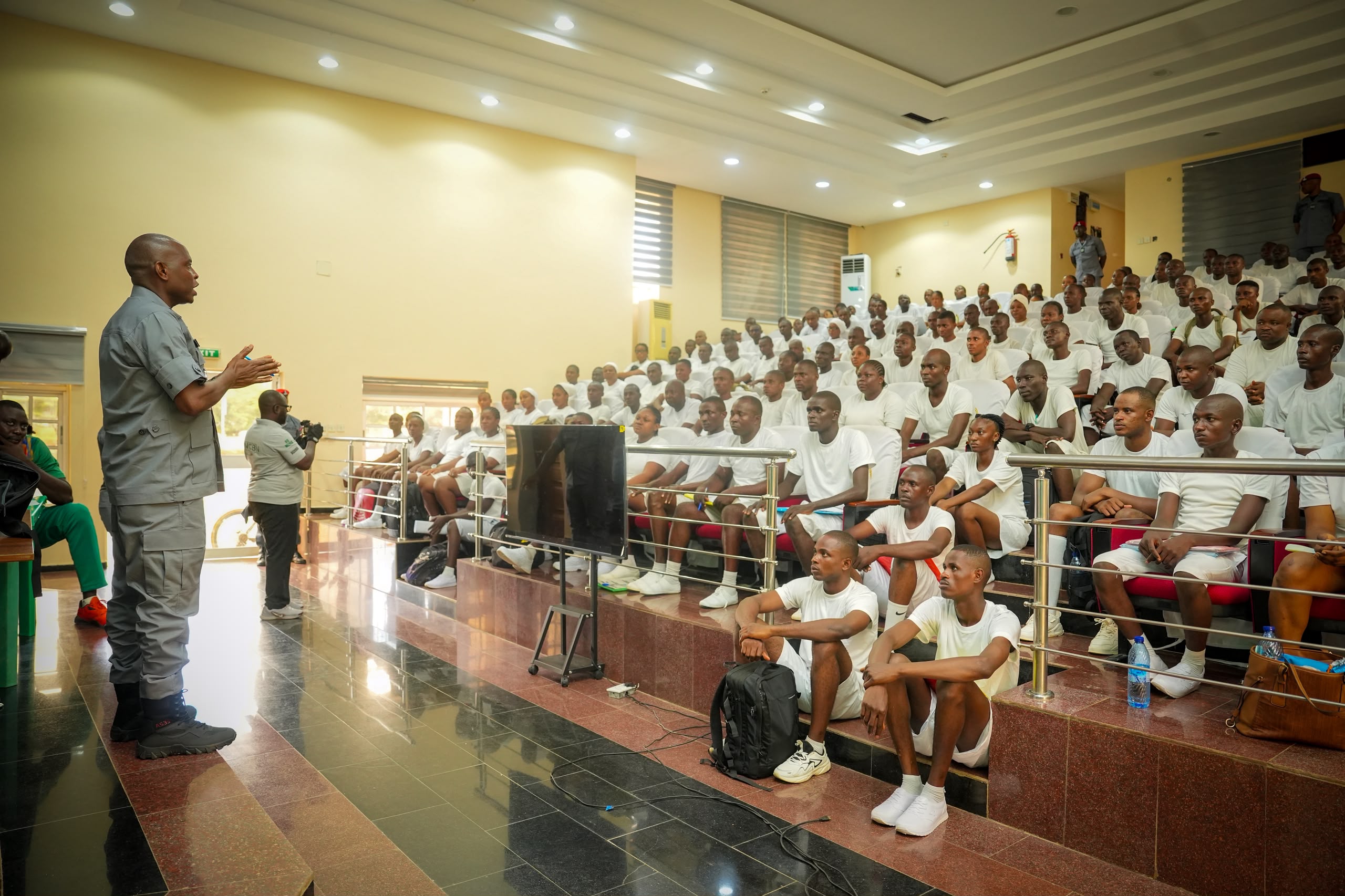
The final stage of the exercise was conducted at the Training and Doctrine Command (TRADOC), Gwagwalada, Abuja, where candidates across the different cadres underwent documentation, physical fitness assessment and medical screening.
The two-week final screening exercise, which commenced on Monday, September 7, 2026, ended on Saturday, September 19, 2026.
It covered candidates shortlisted for the Assistant Superintendent of Customs II (ASCII), Inspectorate and Customs Assistant cadres.
The screening was conducted in batches to ensure an orderly process, reduce congestion and improve the overall experience of candidates.
Speaking on the outcome of the exercise, the Assistant Comptroller-General of Customs in charge of Human Resource Development, Frank Onyeka, said the Service had introduced measures to address challenges identified during the earlier stages of the exercise and improve the efficiency of the final screening.
“We have put measures in place to reduce congestion and ensure a smoother process this week. The gaps identified last week have been addressed, and we do not expect them to recur this week,” Onyeka said.
He also stressed the need for discipline, responsibility and strict compliance with established procedures throughout the recruitment process.
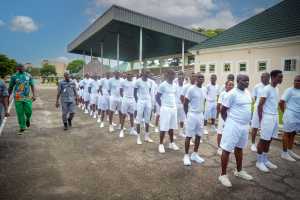
Also speaking, the Deputy Comptroller of Customs and member of the coordinating team, Adamu Musa, said the exercise recorded significant improvements, with nearly 3,000 candidates screened without any casualty.
According to him, one of the major innovations introduced into the process was the use of personalised screening forms containing candidates’ records from the various stages of the assessment.
“Any candidate that has been shortlisted has a form designed especially for him, unlike in the past where you come, they issue you a form, and then some people along the way go and even change some of the records.
“These forms come with the candidates’ records, including their names and details for sports, medical, documentation, and the checklist of required items. So, once the candidate comes, you just verify what you already have from the system,” Musa explained.
He said the introduction of the personalised forms had helped to strengthen the integrity of the process and reduce the possibility of manipulation of candidates’ records.
Musa further underscored the importance of continuous manpower development in strengthening the capacity of the Service to effectively discharge its responsibilities in national security, border protection, trade facilitation and other statutory functions.
He noted that the expanding responsibilities of the Customs Service made it imperative to continually improve the quality, competence and preparedness of its workforce.
According to him, candidates were assessed against established recruitment criteria, including age, physical fitness and drug screening.
He explained that candidates who tested positive for prohibited substances, exceeded the prescribed age limit or were found to have physical conditions capable of affecting their ability to perform assigned duties could be disqualified, subject to the final decision of the Service management.
Musa also advised candidates and members of the public to rely only on recruitment information published through the official Nigeria Customs Service website and verified social media platforms.
He warned against relying on unverified messages or individuals claiming to possess privileged information about the recruitment exercise, stressing that such channels could expose unsuspecting candidates to fraudulent activities.
The completion of the recruitment exercise marks a major step in the Customs Service’s efforts to expand and strengthen its human resource base, while ensuring that new personnel are selected through a structured, transparent and merit-based process.

 Customs2 months ago
Customs releases final recruitment list for ASC II, ends nearly one-year wait for applicants
- Headlines2 months ago
As NRC recovers ₦200m stolen railway assets, Opeifa vows diligent prosecution of suspects
- Customs3 months ago
Nigeria Customs prepares 100 Deputy Comptrollers for leadership roles with strategic refresher course
- Headlines3 months ago
NPA unveils multi-agency task force to tackle resurgent port access gridlock
- Commentaries3 months ago
The NIMASA claim of 150 percent salary raise for Nigerian Seafarers : A fiction or reality?
- Headlines3 months ago
NIMASA unveils digital portal to fast track Seafarers’ discharge book processing