
Commentaries
The 150 percent increase in Seafarers’ wages: Can NIMASA break foreign stranglehold on Nigeria’s waters?
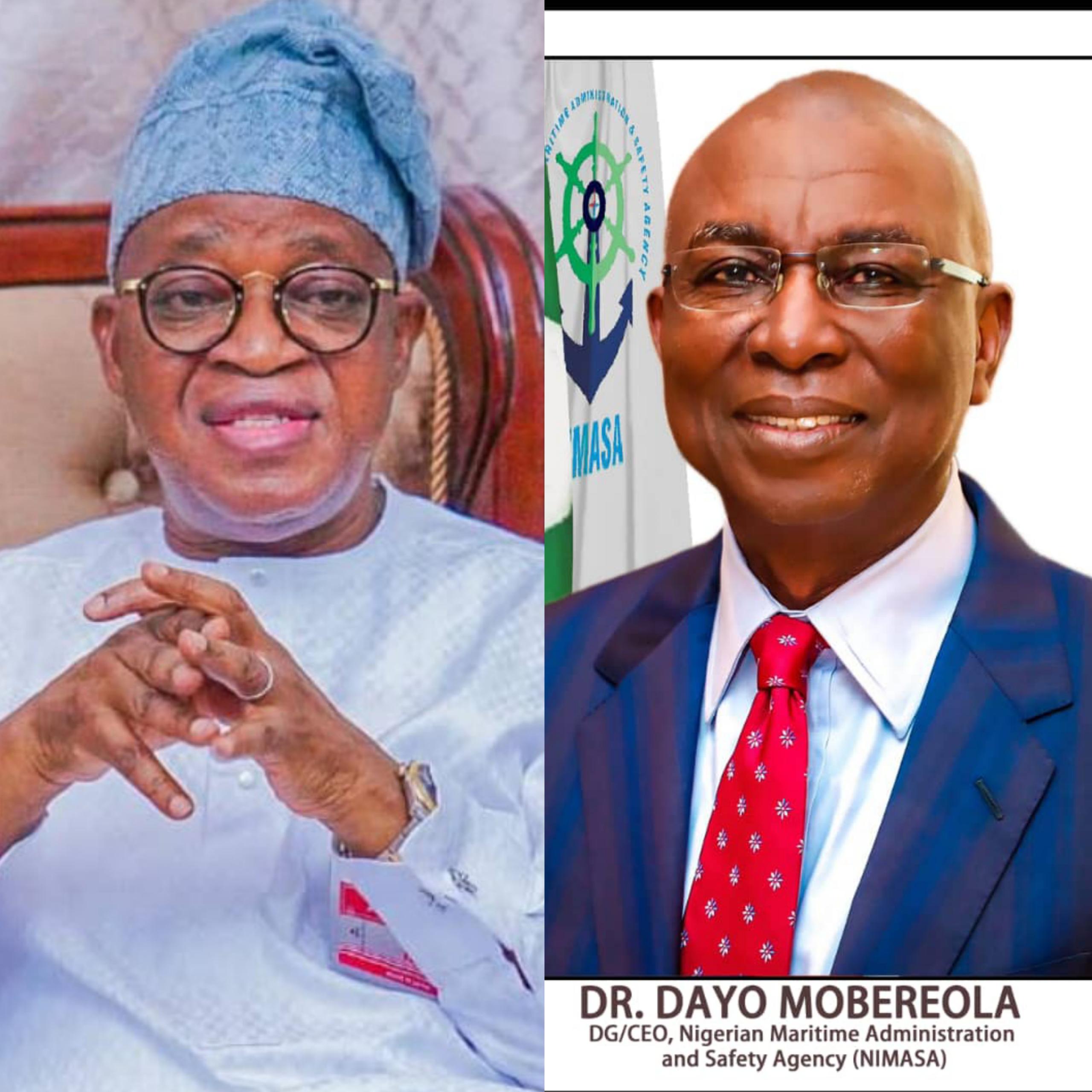
The Monday Discourse with Ibrahim Nasiru
During the recent Day of the Seafarer celebrations, a major policy bombshell dropped that sent shockwaves through the maritime industry.
The Nigerian Maritime Administration and Safety Agency (NIMASA) announced a massive 150% wage increase for local seafarers.
By integrating international maritime standards into local contracts, the government is finally attempting to address a long-standing injustice: the systemic underpayment of the men and women who keep our maritime trade afloat.
On paper, it looks like an incredible victory for labour and a massive step forward for the thousands of young cadets who have gone through the Nigerian Seafarers Development Programme (NSDP).
But as any seasoned observer of Nigerian policy knows, a wage increase on paper means absolutely nothing if you do not possess a job to earn it.
The uncomfortable reality is that a 150% salary boost is completely useless if local shipping companies are priced out of the market, or if foreign vessels continue to dominate our territorial waters.
Nigeria passed the Coastal and Inland Shipping (Cabotage) Act way back in 2003 with a very clear, patriotic objective: domestic coastal trade was supposed to be reserved strictly for Nigerian-owned, Nigerian-built, and Nigerian-crewed vessels.
It was designed to build local capacity and ensure that our wealth stayed within our borders.
Yet, over two decades later, the spirit of that law is routinely violated every single day. The maritime sector has structural friction that cannot be solved by simply adjusting a salary scale.
The biggest culprit here is the infamous cabotage waiver system. For years, international shipping lines have exploited regulatory loopholes to secure endless ministerial waivers.
These waivers allow foreign-flagged ships with entirely foreign crews to operate freely in our domestic waters, moving cargo between Lagos, Onne, and Port Harcourt.
They claim that local capacity does not exist, using that excuse to completely bypass local seafarers. As a result, highly qualified Nigerian captains, engineers, and cadets are left stranded on shore, watching foreign mariners take the jobs that legally belong to citizens.
This creates a brutal, double-edged sword for the Minister of Marine and Blue Economy, Adegboyega Oyetola, and the leadership at NIMASA. If they strictly enforce the new 150% wage scale without aggressively shutting down the illegal waiver pipeline, they will accidentally make Nigerian seafarers even less competitive.
Foreign shipowners will simply argue that local labour has become too expensive, giving them more incentive to lobby for waivers and bring in their own crews.
If this modernization plan is going to be anything more than a political talking point, the government must find the raw regulatory spine to enforce the law.
Enforcement is where our institutional bottlenecks always lie. It is easy to hold a press conference and celebrate a new minimum wage agreement.
It is an entirely different ballgame to deploy interceptor boats, audit shipping manifests, and fine multi-national shipping giants that refuse to hire local mariners.
The stakes are far too high for half-measures. We are currently trying to reposition Nigeria as the dominant maritime hub for West Africa under the African Continental Free Trade Area (AfCFTA).
You cannot build a maritime empire by relying exclusively on foreign labour and foreign capital.
A 150 percent raise is a beautiful, necessary acknowledgment of the value of our seafarers. But the real test of this policy will not be judged by the signatures on the new collective bargaining agreement.
It will be decided by whether the government possesses the political will to completely crush the waiver cartel, protect local shipping lines, and ensure that when a vessel sails through Nigerian waters, it is a Nigerian hand resting on the helm.
Chief Ibrahim Nasiru,a Public Affairs analyst,writes from Abuja






Commentaries
Beyond Shiny Tech: Why Africa’s smart ports must build plumbing before AI
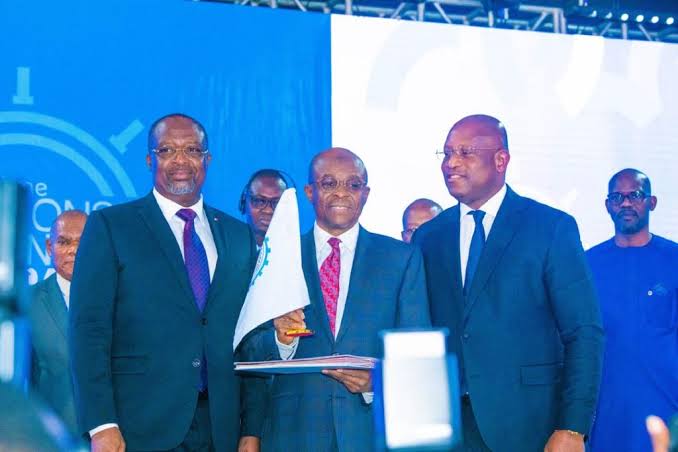
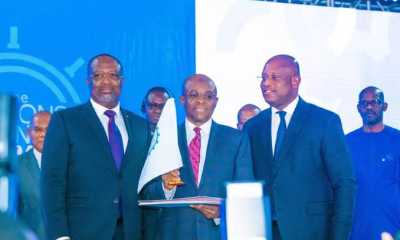
Monday Discourse with Ibrahim Nasiru
At the African Ports Conference (COPAF 2026) in Casablanca, Morocco, the Managing Director of the Nigerian Ports Authority (NPA), Dr. Abubakar Dantsoho, dropped a piece of unvarnished realism that should govern all future maritime discourse on the continent.
Speaking on the theme of artificial intelligence and cybersecurity, Dantsoho issued a vital warning: African ports must establish effective, uncompromised digital foundations before they rush to deploy artificial intelligence (AI).
In an era where public officials routinely weaponize trendy buzzwords like “AI,” “Big Data,” and “Smart Governance” to perform administrative progress, Dantsoho’s perspective is a refreshing return to structural logic.
Smart ports, he rightly argued, must be measured by tangible operational realities—faster vessel turnaround times, shorter cargo dwell times, lower costs, and watertight revenue accounting—not by the sheer volume of technology purchases.
The numbers coming out of Nigeria’s maritime sector suggest that getting the basic digital foundations right yields immediate economic dividends.
The deployment of foundational tools like the “Eto” truck call-up system, alongside initial frameworks for the Port Community System, catalyzed a staggering 24.8 per cent increase in Nigeria’s cargo throughput.
This foundational digitisation is precisely why the World Bank’s Container Port Performance Index recently recorded strong upward trajectory rankings for both the Tin Can Island and Apapa Ports.
But as Nigeria embarks on its massive $1 billion Lagos ports modernization program, we must face the hard, structural truth that lies beneath these celebratory statistics.
Digitisation is not merely about software procurement; it is about political will and institutional harmonization.
For over a decade, Nigeria’s biggest maritime bottleneck has not been a lack of computers, but the fierce, territorial resistance from various state agencies refusing to plug into a single, unified data ledger.
A “Smart Port” cannot exist in a vacuum where customs, immigration, terminal operators, and security agencies run isolated, analogue silos designed to preserve bureaucratic fiefdoms and rent-seeking opportunities.
If the $1 billion modernization fund is spent buying sophisticated AI predictive maintenance tools and automated vessel planning systems while the National Single Window remains structurally sabotaged by agency politics, we will simply end up with a highly automated system that accelerates corruption and bottlenecks.
You cannot run a predictive AI algorithm on data that is manually altered or hidden by a human clearing agent at the wharf.
Dantsoho is entirely correct: we must build the digital plumbing before we chase the AI crown.
Going into 2027, the yardstick for evaluating the NPA’s modernization program must not be the number of smart cameras or automated gates installed.
The true metric of success will be the complete, legally enforced integration of all port stakeholders into a single data ecosystem.
Until the data flows seamlessly and transparently from the vessel to the final exit gate without human friction, any talk of an “AI-driven smart port” is mere window dressing.
We must fix the foundations first, or watch a billion dollars clear out into the ocean of unfulfilled potential.
Ibrahim Nasiru, a public affairs analyst, writes from Abuja.
Commentaries
Choking in Apapa, idle in Calabar: Fixing Nigeria’s one-sided maritime system
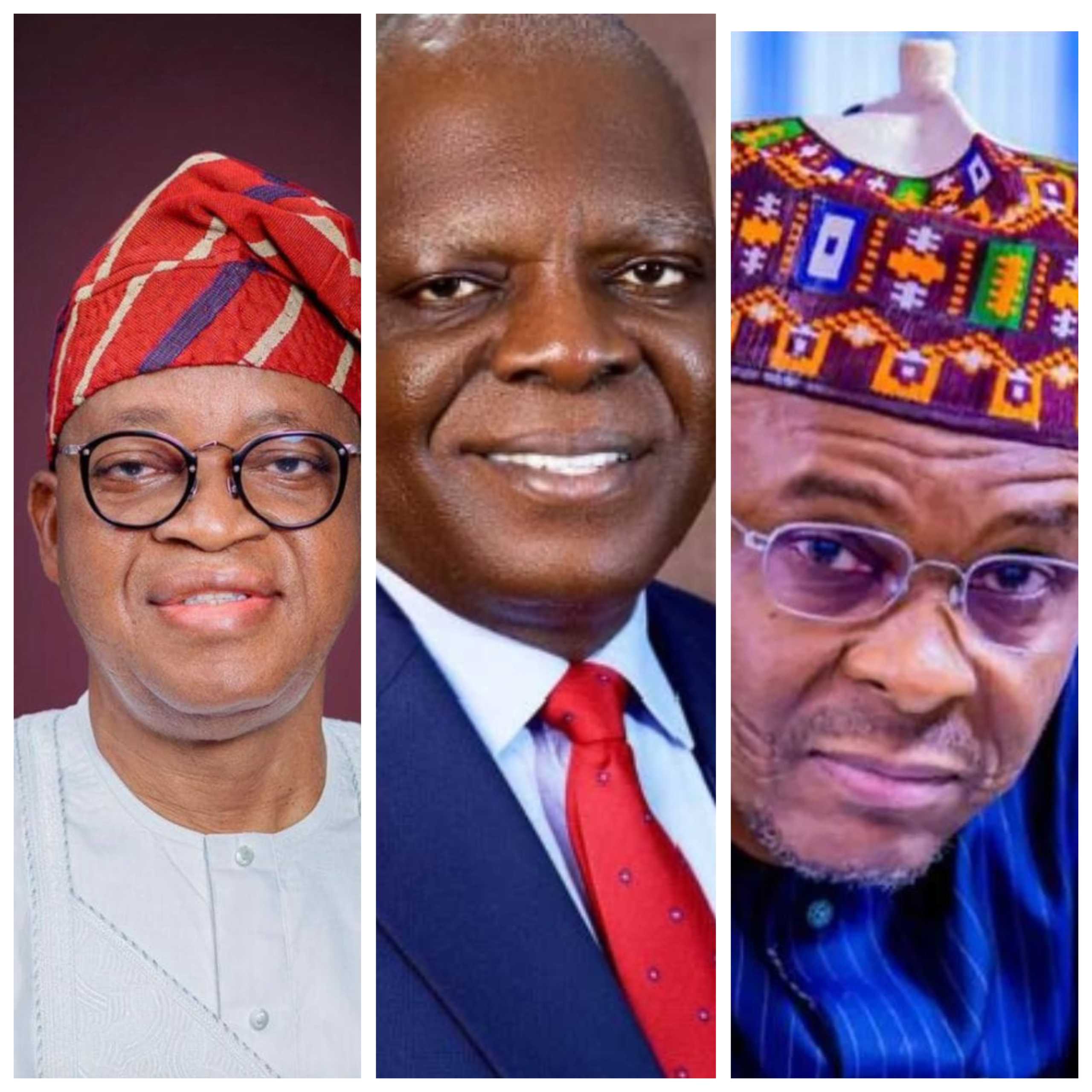
Monday Discourse with Ibrahim Nasiru
For decades, Nigeria has been doing something completely upside down with its maritime business
We have over 850 kilometers of beautiful coastline, yet we force almost all our international trade to squeeze through just two choked locations: Apapa and Tin Can Island in Lagos.
The result? Nightmare traffic jams, crazy demurrage fees, and local businesses dying because their goods are trapped at sea for weeks.
But from what we saw at the World Maritime Day celebration in Lagos, a real, common-sense change might finally be on the horizon.
The Minister of Marine and Blue Economy, Adegboyega Oyetola, laid out a very clear plan under the theme, “From Policy to Practice: Powering Maritime Excellence.” ,
He promised that the government is fully committed to modernizing ports outside Lagos—specifically Onne, Warri, and Calabar—while building new deep seaports in places like Ondo, Ibom, and Bonny.
He also unveiled a big drive to train young Nigerian sailors to global standards so they can compete for jobs anywhere in the world.
As an analyst who looks at the actual numbers, this is where we need to pay close attention.
The ministry has already scored some big wins. Getting the United States Coast Guard to lift its long-standing security restrictions on ships coming from Nigeria is a massive deal.
It means fewer delays, lower shipping insurance costs, and cheaper goods for ordinary Nigerians when those savings drop down the supply chain.
Also, moving our local fish production from 1.1 million to 1.4 million metric tonnes shows that things are actually moving.
However, during her keynote presentation at the event, maritime expert, Mrs. Mfon Ekong Usoro, hit the nail on the head.
She reminded stakeholders that Nigeria’s maritime future depends entirely on moving from sound paperwork to actual, visible results.
Let’s tell ourselves the home truth: the real success of Oyetola’s ministry will not be judged by the fine speeches or brilliant policies presented at luxury hotels.
It will be judged by how quickly we can break the monopoly of the Lagos ports.
Opening up the eastern and southern ports is no longer just a good idea; it is a matter of economic survival.
When you make Onne, Warri, and Calabar fully functional, you instantly bring life back to regional economies, create thousands of local jobs, and make things cheaper for tens of millions of citizens living outside the South-West.
But a port is completely useless if you cannot get goods out of it. You cannot run a modern port if you rely only on heavy trucks fighting broken roads.
Oyetola’s ministry must work hand-in-hand with the Ministry of Transport. We need to see working rail lines laid straight into the ports of Onne and Calabar, connecting them directly to Inland Dry Ports like Baro and Onitsha.
Also, the government must use the new Nigerian Ports Economic Regulatory Agency(NPERA) Act to completely crush the official corruption, crazy hidden charges, and delays that have historically scared international shipping lines away from our eastern ports.
The roadmap is there, and the international community is already noticing through the lifted US security restrictions.
Now, the federal government needs the political muscle to build the rail and road connections to back it up.
It is time to move from policy to practice, open up our eastern waterways, and let the whole country breathe.
Ibrahim Nasiru, a public affairs analyst, writes from Abuja
Commentaries
The Olokola Conundrum: DP World, Dangote, and ghosts of Nigeria’s contractual sanctity
Monday Discourse with Ibrahim Nasiru
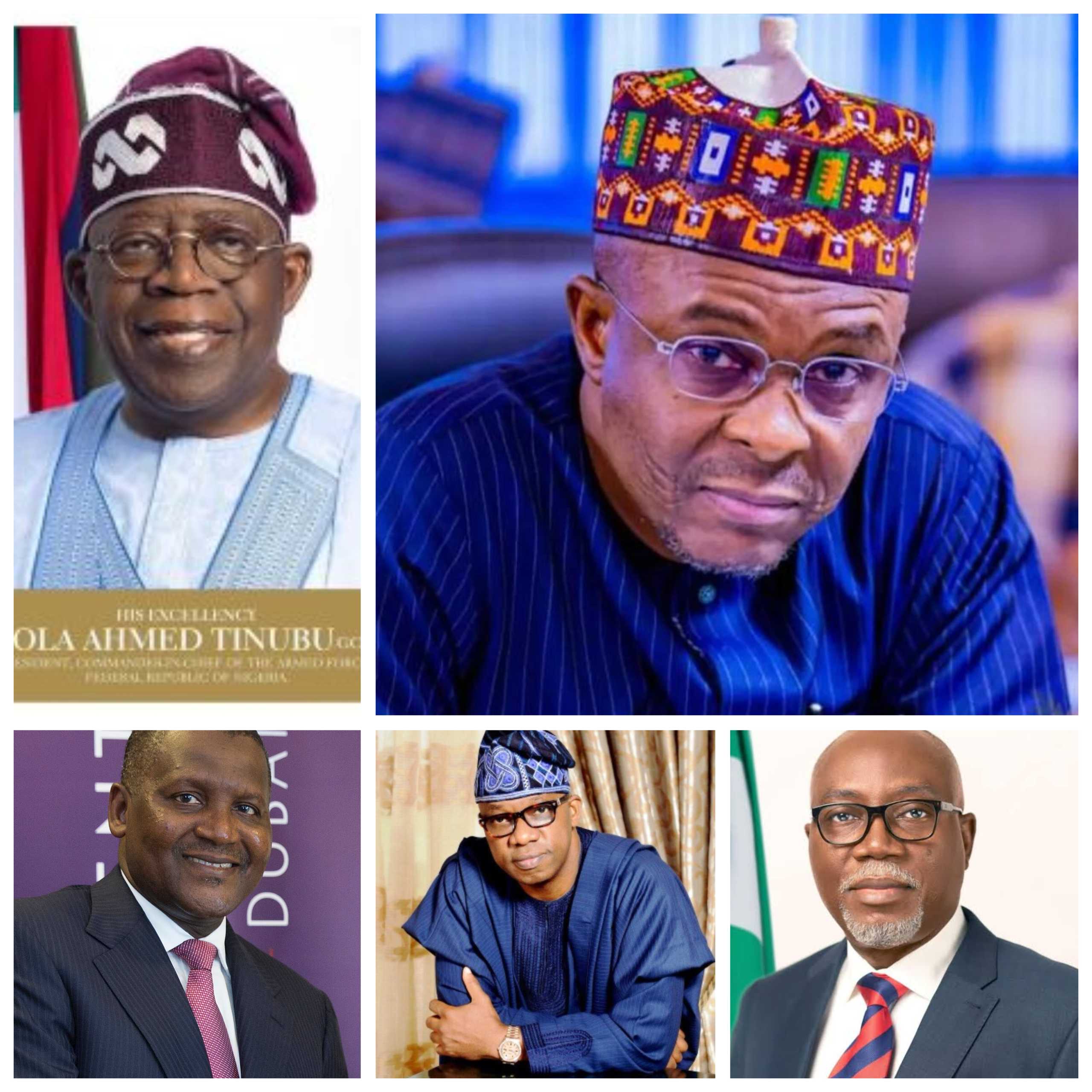
The Ogun State Government’s recent signing of a $7 billion Memorandum of Understanding (MoU) in Paris with Dubai’s DP World has been loudly celebrated by state publicists as a monumental triumph for foreign direct investment.
The ambitious agreement aims to develop the Gateway Deep Sea Port and the Blue Marine Special Economic Zone within the strategic Olokola axis.
However, to seasoned watchers of Nigeria’s industrial policy and maritime concessions, this fresh diplomatic foray triggers a profound sense of deja vu.
By overlapping a fresh international agreement onto a maritime asset where the Dangote Group still holds an active, multi-billion naira partnership and controlling stake, the current administration is navigating a legal and political minefield.
The Olokola project is not a blank canvas; it is a highly contested zone haunted by historical policy reversals and unresolved sovereign commitments.
To understand the volatile structural foundations of Olokola, one must revisit its ambitious inception in 2004.
Conceived under the visionary yet politically fraught collaboration between former Governor Gbenga Daniel of Ogun State and the late Governor Olusegun Agagu of Ondo State, the Olokola Free Trade Zone was designed to be the ultimate crown jewel of Nigeria’s maritime and energy independence.
It attracted an elite, multi-billion dollar investment profile, headlined by the ill-fated Olokola Liquefied Natural Gas (OKLNG) project, backed by global giants including the NNPC, Shell, Chevron, and the BG Group.
Yet, despite its peerless economic blueprint, the entire enterprise famously collapsed under the weight of inter-state political rivalries, bureaucratic paralysis, and sudden federal policy shifts.
When international oil companies pulled out due to a lack of institutional guarantees, local conglomerates like the Dangote Group stepped in to secure strategic stakes, preserving the asset’s industrial viability for the future.
Bypassing this historical footprint without a clean legal resolution is an invitation to systemic friction.
Therefore, the current strategy of double tracking agreements over the exact same geographical and maritime asset represents a dangerous institutional risk.
While the state’s aggressive drive to unlock the economic potential of the Ogun coastline and expand the nation’s blue economy is highly commendable, courting a Middle Eastern maritime giant like DP World while ignoring an existing domestic investor creates severe legal vulnerabilities.
In global shipping and port development, international operators look for absolute clarity regarding terminal operations, land titles, and concession limits
You cannot sustainably attract premium global capital by exposing them to immediate, multi-billion naira litigation from entrenched domestic players who have already sunk enormous resources into the zone’s foundational layout.
International project financiers and global port operators do not just look at shiny executive MoUs signed in European capitals; they look closely at local title security, asset de-risking, and a host state’s history of respecting contract sanctity.
If Nigeria is to successfully position its emerging seaports as competitive hubs within the West African sub-region, it must learn to operate under the global standard of a landlord port model where rights are clearly defined and legally unassailable.
Overlapping political promises only serve to drive away serious developers and delay actual infrastructure delivery.
The global investment community is watching how Nigeria treats its premier industrial actors, and any sign of flip-flopping on contractual terms acts as a major red flag for foreign direct investment.
Ultimately, if Ogun State truly wants the Olokola Deep Seaport to transition from a twenty year boardroom dream into a world class maritime reality, it must aggressively clear its legal debts first.
The administration must pivot away from performative international signings and sit down at a transparent renegotiation table to cleanly buy out or harmonize interests with the Dangote Group.
Failing to do so will ensure that this $7 billion UAE deal suffers the exact same paralyzing fate as the 2004 OKLNG blueprint.
In the high stakes theater of global infrastructure, true economic growth is built on the unyielding sanctity of existing laws and contracts—not on the shifting sands of political expediency.
Ibrahim Nasiru, a public affairs analyst, writes from Abuja

 Headlines2 months ago
Oyetola presents three-year score card as blue economy industry revenue hits ₦1.83trn

 Customs2 months ago
Apapa Customs sets new single-day revenue record with ₦28.1bn collection

 Customs2 months ago
Apapa Customs sets new record of monthly revenue haul with ₦323bn collection in July
 Customs3 months ago
NCS intercepts container concealing pump-action rifle parts, seizes ₦373.8m worth of cannabis products at Tincan Port
 Customs3 months ago
FG exempts CNG, electric vehicles from Customs duty, VAT

 Customs4 weeks ago
FOU Zone ‘A’: Aliyu retires after ₦3.19bn revenue recovery, Afeni takes over