Connect with us

Customs

Nigeria set to integrate its customs operations with SIGMAT to ease transit goods within West African countries.

The Eyewitness Reporter
The Nigeria Customs Service has indicated its readiness to integrate its operations into the Interconnected System for the Management of Goods in Transit (SIGMAT) for ease of transit of goods within the Central and West African countries.
SIGMAT is an electronic platform connecting national Customs systems to share data on transit operations.
The objective is to secure, simplify and speed up the flow of commercial goods in transit, especially those coming from seaports and destined for land-locked countries.

Unlike other Customs procedures, which happen in one place, transit requires an exchange of information from at least three areas, namely where the transit was initiated, at the borders, and where it terminates.

In West Africa, the process requires a transit declaration to be registered at the border of each country until the cargo reaches its destination.

With SIGMAT, Customs administrations in West Africa are moving away from manual and paper-based transit procedures by connecting their computer systems.

A transit declaration is registered in the departure country, and a copy of it is sent electronically to the computer systems of the transit and destination countries to warn of the arrival of the goods.

At borders, trucks are not required to wait for a new Customs declaration; the same declaration is used during the entire process.

Customs officers at the border, or at the destination office, then confirm the arrival of the goods in their computer system and confirmation is sent electronically to the departure country.

As the Customs administrations involved in the project use three different types of automated Customs systems, an interface had to be built to allow for this exchange of information, and standardized messages – in terms of structure and data format – had to be developed.


While the Customs Administrations of Benin, Burkina Faso, Côte d’Ivoire, Ghana, Guinea, Mali, Niger, Senegal and Togo are already in the loop, Nigeria is still missing.
However, the decision of the Nigeria Customs to join the regional electronic platform was one of the high points of the visit the Acting  Comptroller General of Customs, Wale Adeniyi, to his counterpart in the Republic of Benin Monday, July 24th, 2023.
During the visit, the Nigerian Customs entourage led by Adeniyi, made a strategic engagement with the Customs administration of Benin where issues of common interests were discussed.
During the visit, the two Customs chiefs engaged with stakeholders from both countries and their concerns were identified and effectively considered.
Notable among the concerns is the request to review the possibilities of reopening the border, as well as addressing the issue of administrative charges.
According to Adeniyi, the visit is to deepen collaborations in mutually positive areas.
 “The objective of the visit is for us to review friendship with the customs administration of Benin and also to deepen collaborations in areas of common interest”.
“I saw the attention that was given to the port of Cotonou, the progress that is being made in reducing clearance time, ensuring that there is no congestion at the Port and, more importantly, using technology to drive operations of the Customs Administration”, he said.
“The attempt which Benin Customs has done towards trade facilitation is something that Nigeria Customs will also be doing particularly to look at where we can use our processes to reduce the cost and time of doing business”, he explained.
At the end of the meeting, a joint communique signed by the two delegations read as follows:
The continuation of efforts to promote the ECOWAS trade liberalization scheme and the facilitation of the movement of goods and community products in particular;
 Facilitation of the issue of Laisse passe for a short stay in one of the countries of means of transport registered in the other country;
 The removal of barriers and other obstacles to legitimate trade and the establishment of Customs units when the traffic justifies it;
Strict compliance with transit rules,harmonization of the list of products prohibited by the two countries;
Strengthening the fight against cross-border crime through cooperation, intelligence sharing and the pooling of resources;
Holding meetings twice a year to discuss matters of common interest;
 The reactivation of the joint committee for monitoring trade and transit relations
The revival of consultation frameworks of border customs units with the active participation of the private sector;
– Promoting good relations with border populations, professionalism and tax compliance and securing the international supply chain.
Before the departure of the Nigeria Customs delegation to the neighbouring country, Adeniyi and his entourage had a private meeting with the President of the Republic of Benin, Mr. Patrice TALON, where he expressed his desire to initiate a new turning point marked by close collaboration in all areas.


Continue Reading
Click to comment

Leave a Reply

Your email address will not be published. Required fields are marked *

Customs

Customs suspends training of recruits over dispute with Federal Character Commission on recruitment exercise 

Gloria Odion, Maritme Reporter 
The Nigeria Customs Service (NCS) has temporarily suspended training activities at its two training colleges following concerns raised by the Federal Character Commission (FCC) over the ongoing recruitment exercise.
The suspension is intended to allow both institutions to undertake further consultations and resolve issues arising from the recruitment process through dialogue and mutual understanding.
The decision followed engagements between the Commission and a delegation of the NCS, during which both institutions reaffirmed their commitment to resolving the concerns through constructive dialogue, sustained engagement and institutional collaboration.
The Comptroller-General of Customs, Bashir Adewale Adeniyi,reiterated the Service’s commitment to maintaining cordial relations with relevant government institutions and addressing concerns in the overall interest of the nation.
Adeniyi acknowledged the constitutional responsibility of the FCC in promoting national unity, fairness and equitable representation in public service appointments.
He stressed the importance of the Commission’s mandate in advancing inclusiveness and ensuring adherence to the principles of federal character in public sector recruitment and appointments.
The Customs Service also reaffirmed its longstanding relationship with the Commission, expressing confidence that ongoing consultations would provide an effective platform for addressing the issues raised and arriving at a mutually acceptable resolution.
Both institutions reiterated their commitment to promoting fairness, national cohesion and effective public service delivery.
The NCS further restated its commitment, under the leadership of the Comptroller-General and his management team, to upholding accountability, transparency and institutional responsibility.
It assured that it would continue to engage relevant government institutions, strengthen inter-agency cooperation and pursue resolutions that reinforce public confidence, promote national unity and support the effective discharge of its statutory responsibilities.
Continue Reading

Customs

Customs reviews B’Odogwu system in Lisbon, targets faster cargo clearance, higher revenue
Gloria Odion Maritime Reporter 
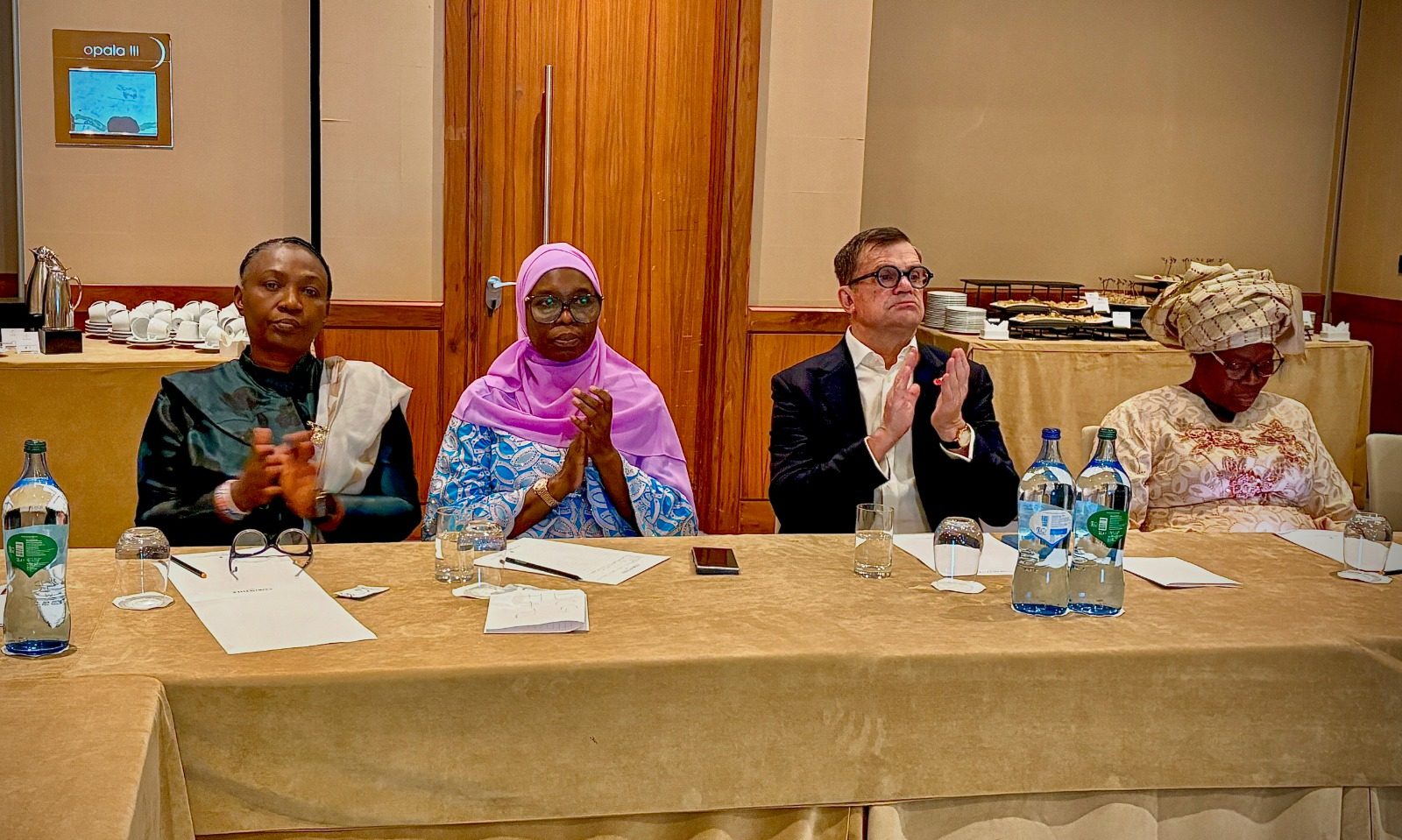
The Nigeria Customs Service (NCS) has concluded a three-day strategic review of its B’Odogwu Unified Customs Management System in Lisbon, Portugal, with a series of resolutions designed to address operational bottlenecks, accelerate cargo clearance, strengthen cargo tracking and optimise revenue collection.
The workshop, held from November 9 to 11, 2026, at the Corinthia Hotel, brought together senior NCS management and officers, Trade Modernisation Project Limited (TMPL) and CB-XP representatives to assess the system’s performance, identify implementation gaps and develop a roadmap for improving its efficiency.
The review focused on consolidating the gains recorded since the introduction of B’Odogwu while addressing technical and operational challenges affecting its deployment across Customs commands.
Speaking at the opening ceremony on November 9, the Deputy Comptroller-General of Customs in charge of ICT Modernisation, Oluyomi Adebakin, commended the Comptroller-General of Customs, Adewale Adeniyi, for his commitment to technological innovation and capacity development within the Service.
The Managing Director of TMPL, Jummai Umar-Ajijola, who represented the company’s Chairman, Saleh Ahmadu, disclosed that the B’Odogwu platform had attracted the attention of the African Continental Free Trade Area (AfCFTA) Secretariat, reflecting its growing relevance to regional trade facilitation.
She added that improvements to the system had contributed to increased revenue generation and strengthened the Customs revenue ecosystem.
Umar-Ajijola said the workshop provided an opportunity to develop a concrete roadmap for consolidating the achievements recorded over the past three years and identifying priorities for the next phase of the project.
“We are to work to find a concrete plan not only to consolidate but to build a change roadmap going forward at the assessment of the three years so far,” she said.
She also commended the NCS Public Relations Unit for its consistent communication and reporting on the project.
Among the major resolutions reached was the upgrading of the Electronic Cargo Tracking System (ECTS), alongside measures to strengthen bond and transit management, automate Customs Procedure Code approvals and streamline the processing of import, export, re-importation and transit declarations.
Participants also agreed on the need to harmonise Customs Procedure Code nomenclature to promote uniformity, operational efficiency and accountability across Customs operations.
On cargo monitoring, the workshop considered plans to integrate the upgraded ECTS with B’Odogwu and replace 200 obsolete electronic seals with 2,000 newly procured units.
The proposed improvements also include individual container tracking for applicable transit declarations, enhanced bond registration and validation processes, and tighter monitoring of bonded cargo movements to curb diversion and other transit-related infractions.
In another major area of deliberation, participants examined the proposed integration of B’Odogwu with the Nigeria Export Processing Zones Authority (NEPZA), as well as improvements to the Transire Processing System.
The workshop further identified the need to upgrade the platform’s reporting dashboard, search filters and Harmonised System (HS) Code search functionality to make information retrieval and transaction monitoring more efficient.
Other proposed enhancements include providing access to previously processed declarations, improving the monitoring of procedure code applications, introducing system alerts to reduce processing errors and incorporating Time Release Study requirements into the platform.
The resolutions also addressed operational procedures, with participants reviewing Standard Operating Procedures (SOPs) for Bond Management, Transire Commands and Export Commands to ensure conformity with the Nigeria Customs Service Act 2023.
To strengthen project governance and prevent unauthorised system changes, the workshop resolved that all requests for modifications to B’Odogwu must undergo review and receive approval from the Officer in Charge of the Project Management Office before deployment.
Participants also reviewed the project’s communication plan, emphasising the importance of stronger engagement with stakeholders to ensure effective implementation and wider acceptance of the system.
At the closing ceremony on November 11, the Deputy Comptroller-General of Customs in charge of Finance, Administration and Technical Services (FATS), Kikelomo Adeola, stressed the importance of translating the workshop’s resolutions into measurable operational improvements.
The closing session featured a presentation by the Customs Area Controller, Comptroller Murtala Mu’azu, while the Chairman of CB-XP, Edward Bowen, delivered goodwill remarks.
To ensure effective implementation, specific responsibilities were assigned to relevant NCS and TMPL units, with the expectation that the agreed technical and operational interventions would translate into improved system performance.
The Lisbon review marks another phase in the NCS’s efforts to strengthen digital Customs administration through B’Odogwu, with the ultimate objective of reducing cargo clearance delays, improving transparency, tightening cargo monitoring and enhancing revenue optimisation.
Continue Reading

Customs

Cole congratulates Anani on promotion, welcomes Ekok as new Tin Can Customs Controller
Gloria Odion, Maritme Reporter

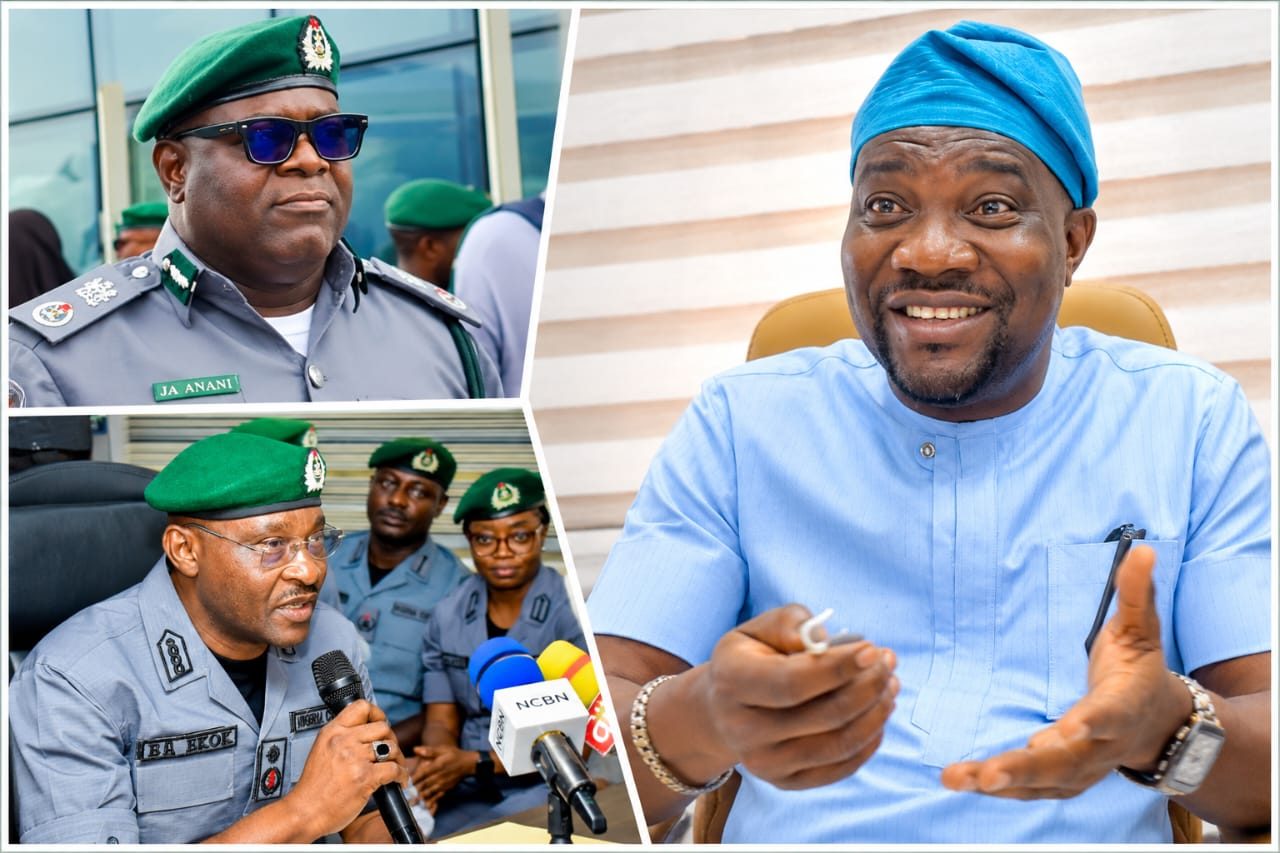
The Chairman of the Tin Can Island Chapter of the Association of Nigeria Licensed Customs Agents (ANLCA), Prince Olawale Cole, has congratulated the immediate past Customs Area Controller of Tin Can Island Port Command, Assistant Comptroller-General (ACG) Joseph Anani, on his promotion to the rank of Assistant Comptroller-General, while welcoming Deputy Comptroller Emmanuel Agbor Ekok as the new Acting Customs Area Controller of the command.

Cole described Anani’s elevation as a well-deserved recognition of his dedication, professionalism and contributions to the Nigeria Customs Service (NCS), noting that his tenure at Tin Can Island was characterised by cordial stakeholder relations and constructive engagement with port operators.

In a congratulatory message, the ANLCA chairman commended the newly promoted ACG for his accessible leadership style, openness to dialogue and willingness to engage licensed customs agents on issues affecting port operations and trade facilitation.

He said Anani’s commitment to stakeholder collaboration helped foster mutual understanding and cooperation between Customs officers and licensed customs agents, creating an enabling atmosphere for addressing operational challenges at the port.

Cole expressed confidence that Anani’s wealth of experience and professional expertise would continue to benefit the Nigeria Customs Service and the wider maritime industry in his new capacity.

He wished the former Tin Can Customs Controller success in his elevated position, describing his promotion as a source of pride to stakeholders who had worked with him during his tenure at the command.

The ANLCA chairman also congratulated Deputy Comptroller Emmanuel Agbor Ekok on his assumption of office as Acting Customs Area Controller of Tin Can Island Port Command, expressing optimism that his administration would consolidate existing stakeholder relationships and further improve operational efficiency.

Cole assured the new Acting Controller of the chapter’s readiness to sustain a productive working relationship with the command, particularly in advancing efficient port operations, facilitating legitimate trade and addressing challenges confronting customs agents and other port stakeholders.

He emphasised that effective collaboration between the Nigeria Customs Service and licensed customs agents remained essential to achieving faster cargo clearance, improving revenue generation and creating a more business-friendly port environment.

Cole urged Ekok to sustain regular consultations with stakeholders and maintain an open-door policy, especially in resolving operational concerns relating to cargo examination, customs valuation, documentation and clearance procedures.

He expressed the hope that the new Acting Controller would build on the achievements of his predecessor while introducing initiatives to strengthen stakeholder confidence, promote transparency and improve service delivery.

Cole reaffirmed the Tin Can Island Chapter of ANLCA’s commitment to supporting policies and initiatives that promote professionalism, trade facilitation, efficient port operations and the overall development of Nigeria’s maritime sector.

Continue Reading

Trending