
Commentaries
National Single Window: Beyond analogue horizon

Tomorrow on Monday Discourse with Nasiru Ibrahim, my National Single Window series Part Four drops: ‘The Green Port Imperative: Beyond the Analogue Horizon.’
True automation cannot stop at front-end software like the new B’Odogwu Customs System.
It must extend to the hard, physical operations on the ground.
You cannot claim to build a modern maritime gateway while thousands of diesel-guzzling trucks remain trapped in manual bottlenecks along the Apapa and Tin Can access corridors.
Tomorrow, we look past the paper declarations and audit the raw infrastructure execution required to save our maritime future.
Lock your dials on this platform: The clock is ticking.

Commentaries
The CVFF Controversy: Why war of words won’t buy Nigerian ships
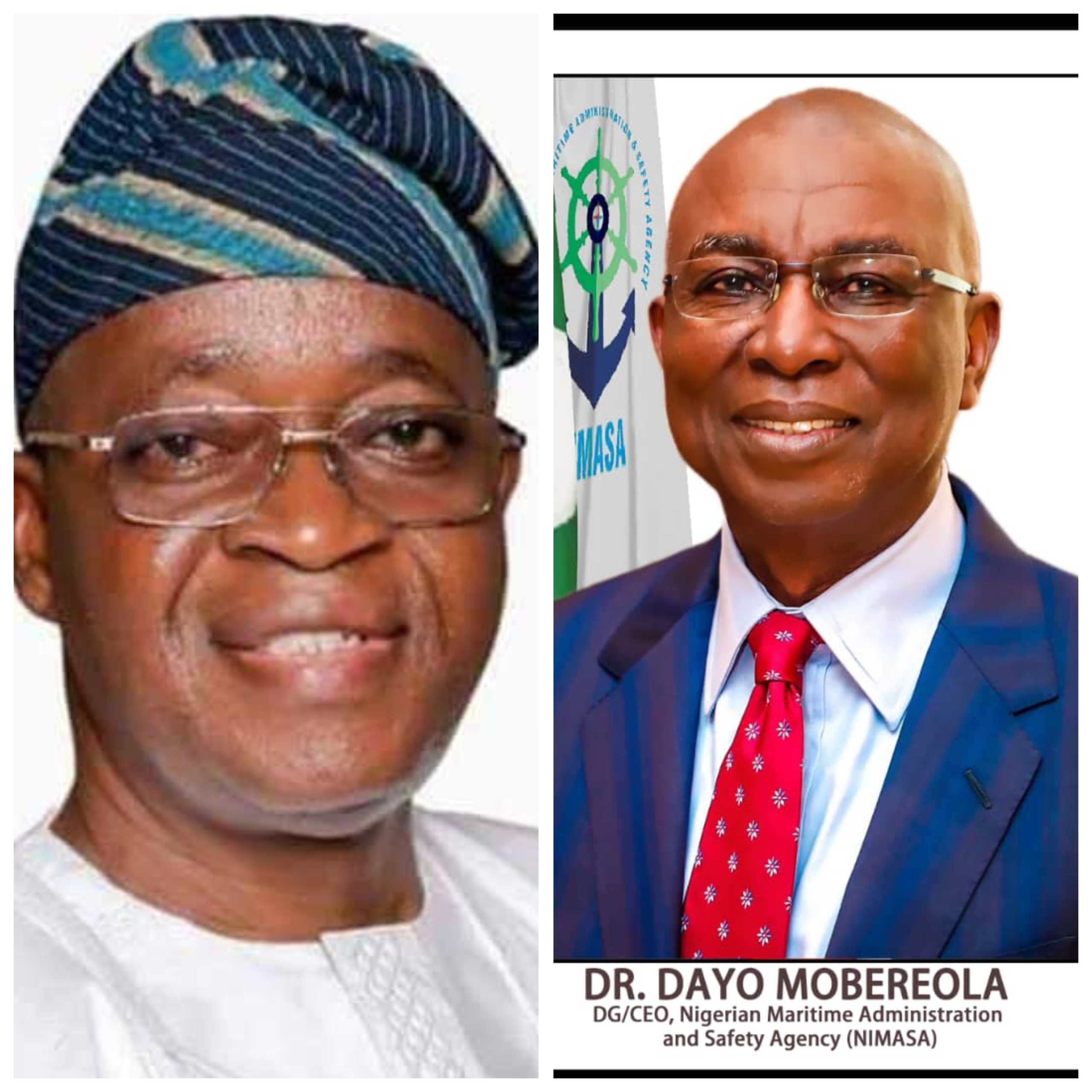
Monday Discourse with Ibrahim Nasiru
The ongoing conversation regarding the disbursement of the Cabotage Vessel Financing Fund (CVFF) to indigenous shipping owners has taken a dramatic and highly confusing turn.
For over twenty years, local shipowners have looked forward to this fund as the critical lifeline that would finally allow Nigerians to own high-capacity vessels, dominate our own coastal waters, and stop foreign ships from taking over our maritime economy.
But while the bureaucracy delayed, the narrative became deeply fractured.
The maritime industry was recently rocked by a shocking revelation from former NIMASA Director-General ,Temisan Omatseye, at the 2026 Shipping Correspondents Association of Nigeria (SCAN) Summit.
Omatseye exposed what he described as a legacy structural error, claiming that dollar receipts collected from local operators were historically swept and converted into Naira by the Accountant-General’s office to chase higher domestic interest rates.
In a swift and aggressive counter-response dated November 1, 2026, the current Director-General of NIMASA, Dr. Dayo Mobereola, flatly dismissed the claims.
Mobereola insisted that there has been absolutely no conversion of the dollar-denominated component of the fund, asserting that all USD contributions remain fully intact within the Central Bank of Nigeria (CBN).
This public clash between a former helmsman and the current leadership creates a massive transparency crisis.
In the global maritime industry, shipping assets are priced strictly in US Dollars. If Omatseye’s account of past historical conversion is true, then a massive portion of the fund’s purchasing power has vapourized due to the recent steep devaluation of the Naira.
If Mobereola’s denial is correct, then the full $700 million value remains intact.
To settle this confusion once and for all, the Ministry of Marine and Blue Economy must move beyond mere press statements.
The government must immediately open its financial records and publish the certified CBN account balances of the CVFF.
Stakeholders deserve an independent audit, not a war of words.
Meanwhile, the long-awaited application portal launched by the Ministry continues to run straight into a banking brick wall.
Out of nearly a hundred applications, disbursements remain stalled because Primary Lending Institutions (PLIs) are demanding rigid credit terms, strict 15% cash equity, and long-term cargo guarantees.
As leaders within the Nigerian Indigenous Ship-owners Association (NISA) and the Shipowners Association of Nigeria (SOAN) have long lamented, many local shipowners are already heavily indebted, with their existing assets trapped by AMCON.
Demanding heavy cash equity and unachievable bank conditions to access their own contributed funds is simply setting local operators up to fail.
What does this portend for Nigeria?
Foreign vessels will continue to dominate our coastal waters, taking away billions of dollars in freight capital, while our youth lose out on thousands of seafaring jobs.
Minister Adegboyega Oyetola and NIMASA must stop the endless circular arguments. The government must immediately engage genuine indigenous shipowners, simplify the rigid banking rules, and provide full account transparency.
Our blue economy cannot float on a sea of endless delays and conflicting balance sheets. It is time to let Nigerian shipowners see the books, access the funds, and secure our waters.
Ibrahim Nasiru, a public affairs analyst, writes from Abuja
Commentaries
Beyond Shiny Tech: Why Africa’s smart ports must build plumbing before AI
Monday Discourse with Ibrahim Nasiru
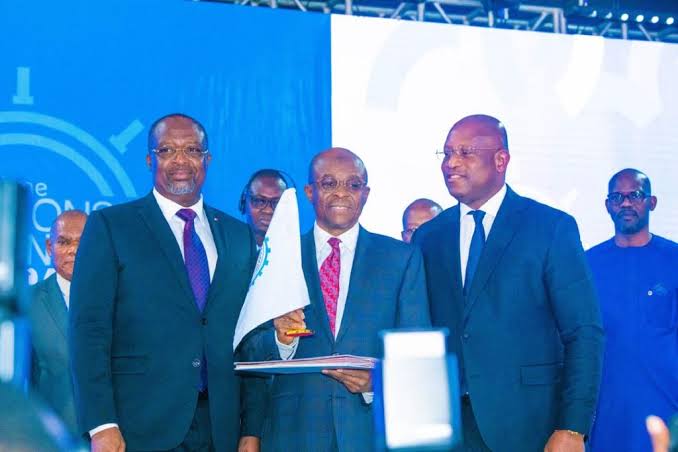
At the African Ports Conference (COPAF 2026) in Casablanca, Morocco, the Managing Director of the Nigerian Ports Authority (NPA), Dr. Abubakar Dantsoho, dropped a piece of unvarnished realism that should govern all future maritime discourse on the continent.
Speaking on the theme of artificial intelligence and cybersecurity, Dantsoho issued a vital warning: African ports must establish effective, uncompromised digital foundations before they rush to deploy artificial intelligence (AI).
In an era where public officials routinely weaponize trendy buzzwords like “AI,” “Big Data,” and “Smart Governance” to perform administrative progress, Dantsoho’s perspective is a refreshing return to structural logic.
Smart ports, he rightly argued, must be measured by tangible operational realities—faster vessel turnaround times, shorter cargo dwell times, lower costs, and watertight revenue accounting—not by the sheer volume of technology purchases.
The numbers coming out of Nigeria’s maritime sector suggest that getting the basic digital foundations right yields immediate economic dividends.
The deployment of foundational tools like the “Eto” truck call-up system, alongside initial frameworks for the Port Community System, catalyzed a staggering 24.8 per cent increase in Nigeria’s cargo throughput.
This foundational digitisation is precisely why the World Bank’s Container Port Performance Index recently recorded strong upward trajectory rankings for both the Tin Can Island and Apapa Ports.
But as Nigeria embarks on its massive $1 billion Lagos ports modernization program, we must face the hard, structural truth that lies beneath these celebratory statistics.
Digitisation is not merely about software procurement; it is about political will and institutional harmonization.
For over a decade, Nigeria’s biggest maritime bottleneck has not been a lack of computers, but the fierce, territorial resistance from various state agencies refusing to plug into a single, unified data ledger.
A “Smart Port” cannot exist in a vacuum where customs, immigration, terminal operators, and security agencies run isolated, analogue silos designed to preserve bureaucratic fiefdoms and rent-seeking opportunities.
If the $1 billion modernization fund is spent buying sophisticated AI predictive maintenance tools and automated vessel planning systems while the National Single Window remains structurally sabotaged by agency politics, we will simply end up with a highly automated system that accelerates corruption and bottlenecks.
You cannot run a predictive AI algorithm on data that is manually altered or hidden by a human clearing agent at the wharf.
Dantsoho is entirely correct: we must build the digital plumbing before we chase the AI crown.
Going into 2027, the yardstick for evaluating the NPA’s modernization program must not be the number of smart cameras or automated gates installed.
The true metric of success will be the complete, legally enforced integration of all port stakeholders into a single data ecosystem.
Until the data flows seamlessly and transparently from the vessel to the final exit gate without human friction, any talk of an “AI-driven smart port” is mere window dressing.
We must fix the foundations first, or watch a billion dollars clear out into the ocean of unfulfilled potential.
Ibrahim Nasiru, a public affairs analyst, writes from Abuja.
Commentaries
Choking in Apapa, idle in Calabar: Fixing Nigeria’s one-sided maritime system
Monday Discourse with Ibrahim Nasiru
For decades, Nigeria has been doing something completely upside down with its maritime business
We have over 850 kilometers of beautiful coastline, yet we force almost all our international trade to squeeze through just two choked locations: Apapa and Tin Can Island in Lagos.
The result? Nightmare traffic jams, crazy demurrage fees, and local businesses dying because their goods are trapped at sea for weeks.
But from what we saw at the World Maritime Day celebration in Lagos, a real, common-sense change might finally be on the horizon.
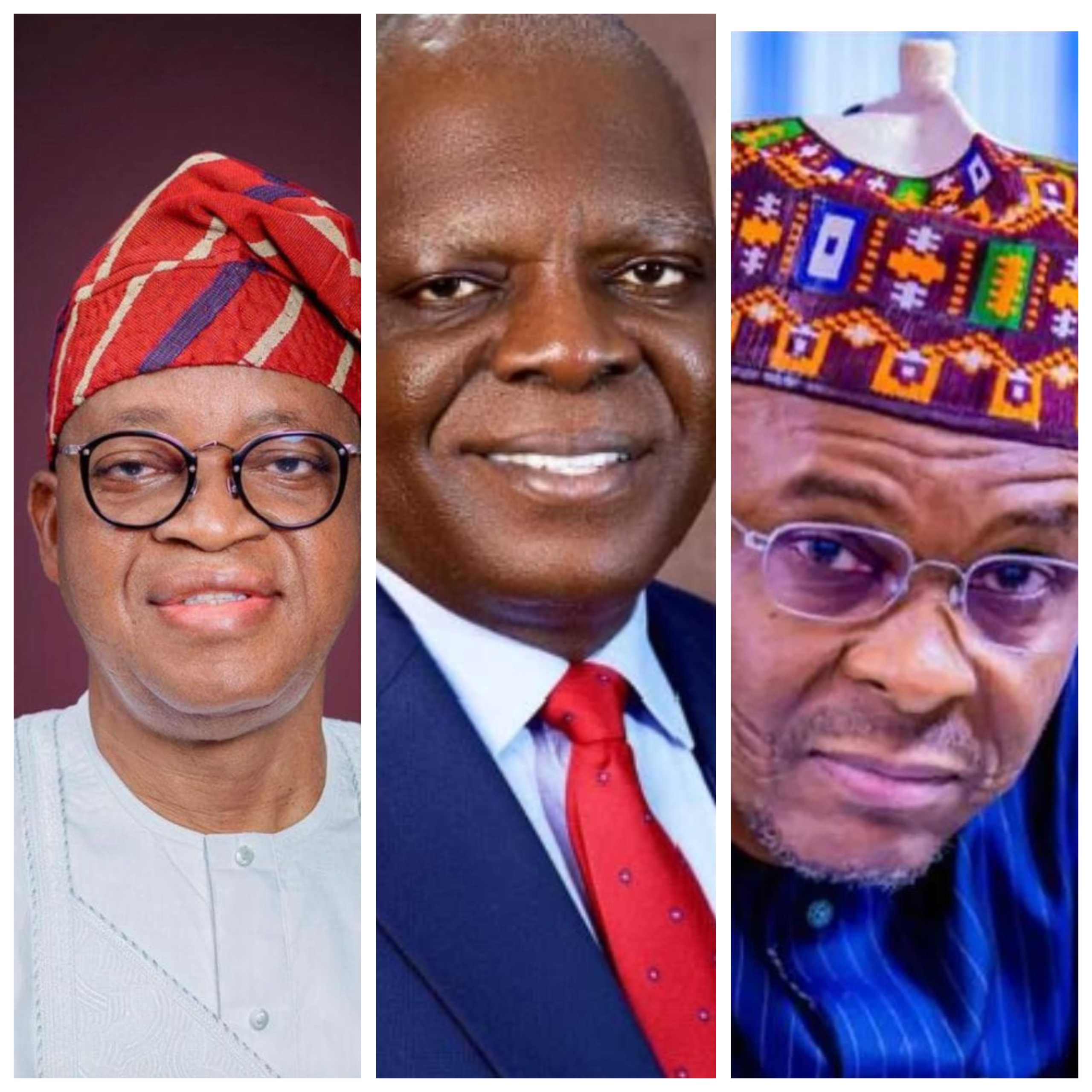
The Minister of Marine and Blue Economy, Adegboyega Oyetola, laid out a very clear plan under the theme, “From Policy to Practice: Powering Maritime Excellence.” ,
He promised that the government is fully committed to modernizing ports outside Lagos—specifically Onne, Warri, and Calabar—while building new deep seaports in places like Ondo, Ibom, and Bonny.
He also unveiled a big drive to train young Nigerian sailors to global standards so they can compete for jobs anywhere in the world.
As an analyst who looks at the actual numbers, this is where we need to pay close attention.
The ministry has already scored some big wins. Getting the United States Coast Guard to lift its long-standing security restrictions on ships coming from Nigeria is a massive deal.
It means fewer delays, lower shipping insurance costs, and cheaper goods for ordinary Nigerians when those savings drop down the supply chain.
Also, moving our local fish production from 1.1 million to 1.4 million metric tonnes shows that things are actually moving.
However, during her keynote presentation at the event, maritime expert, Mrs. Mfon Ekong Usoro, hit the nail on the head.
She reminded stakeholders that Nigeria’s maritime future depends entirely on moving from sound paperwork to actual, visible results.
Let’s tell ourselves the home truth: the real success of Oyetola’s ministry will not be judged by the fine speeches or brilliant policies presented at luxury hotels.
It will be judged by how quickly we can break the monopoly of the Lagos ports.
Opening up the eastern and southern ports is no longer just a good idea; it is a matter of economic survival.
When you make Onne, Warri, and Calabar fully functional, you instantly bring life back to regional economies, create thousands of local jobs, and make things cheaper for tens of millions of citizens living outside the South-West.
But a port is completely useless if you cannot get goods out of it. You cannot run a modern port if you rely only on heavy trucks fighting broken roads.
Oyetola’s ministry must work hand-in-hand with the Ministry of Transport. We need to see working rail lines laid straight into the ports of Onne and Calabar, connecting them directly to Inland Dry Ports like Baro and Onitsha.
Also, the government must use the new Nigerian Ports Economic Regulatory Agency(NPERA) Act to completely crush the official corruption, crazy hidden charges, and delays that have historically scared international shipping lines away from our eastern ports.
The roadmap is there, and the international community is already noticing through the lifted US security restrictions.
Now, the federal government needs the political muscle to build the rail and road connections to back it up.
It is time to move from policy to practice, open up our eastern waterways, and let the whole country breathe.
Ibrahim Nasiru, a public affairs analyst, writes from Abuja

 Headlines2 months ago
Oyetola presents three-year score card as blue economy industry revenue hits ₦1.83trn

 Customs3 months ago
Apapa Customs sets new single-day revenue record with ₦28.1bn collection
 Customs3 months ago
Apapa Customs sets new record of monthly revenue haul with ₦323bn collection in July
 Customs1 month ago
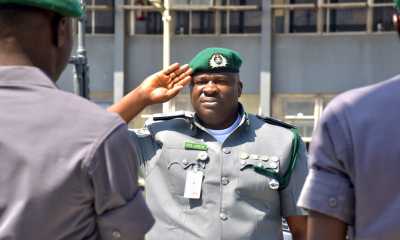
FOU Zone ‘A’: Aliyu retires after ₦3.19bn revenue recovery, Afeni takes over

 Customs1 week ago
FOU Zone A: Afeni intensifies anti-smuggling operations, seizes N511.4m drugs, rescues eight pangolins

 Customs2 months ago
Nigeria, Benin Customs move to harmonise trans-border trade, establish joint border post at Seme-Krake