
Headlines
Oyetola chides NIMASA over slow pace of CVFF disbursement process
— as only one of 20 applications forwarded to PLIs awaits final approval
Funso OLOJO, Editor
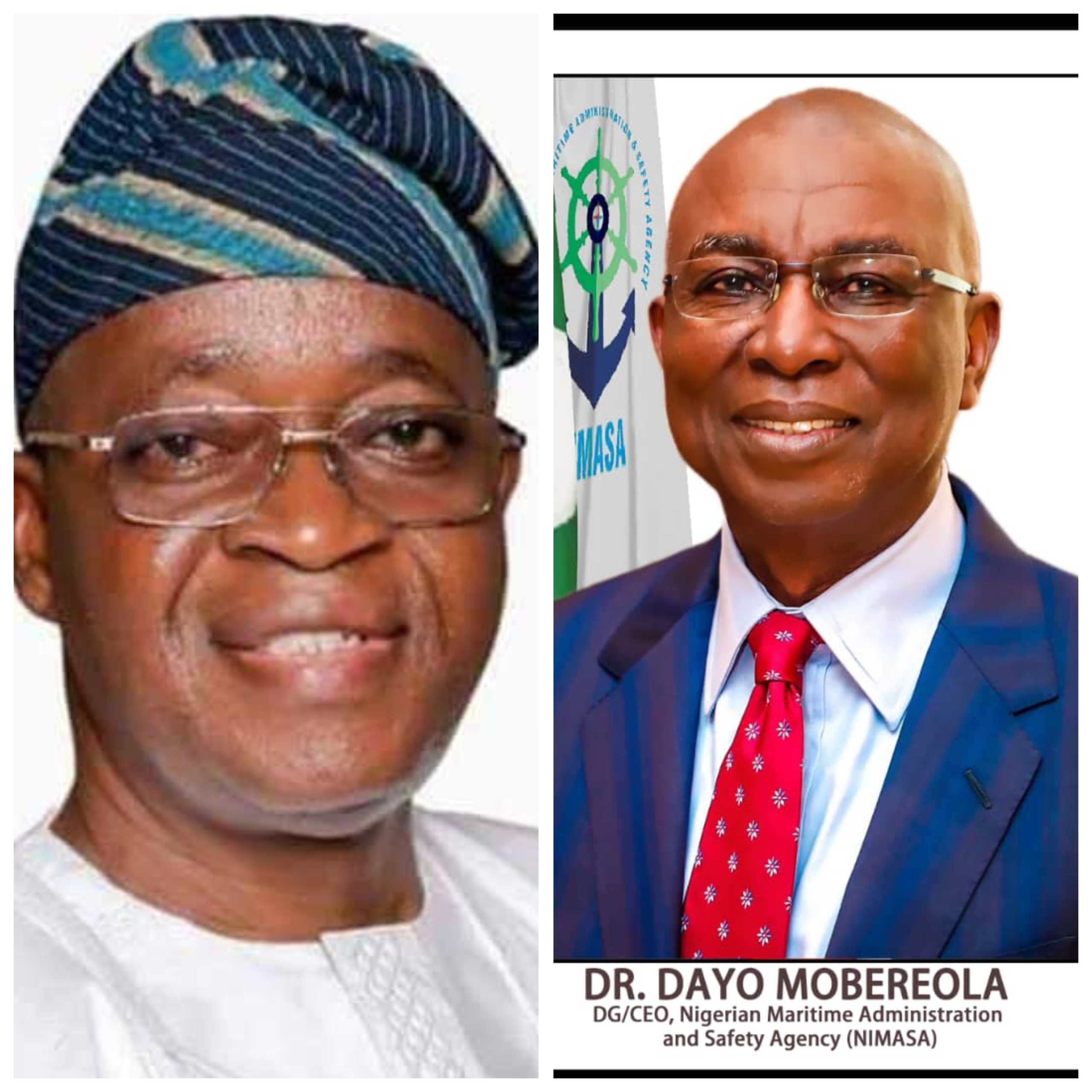
The Minister of Marine and Blue Economy, Adegboyega Oyetola, has expressed displeasure over the slow pace of processing applications for the disbursement of the long-awaited Cabotage Vessel Financing Fund (CVFF).
Oyetola consequently directed the Nigerian Maritime Administration and Safety Agency (NIMASA) to urgently accelerate the process and ensure that indigenous shipowners, who have waited for more than two decades to access the fund, are not subjected to another round of bureaucratic delays.
The Minister’s concern was heightened by the revelation that, since the CVFF application portal was launched in January 2026, only 20 of the 92 applications received by NIMASA had been processed and forwarded to the Primary Lending Institutions (PLIs) for further assessment.
More troubling, according to the Minister, is that only one of the 20 applications forwarded to the PLIs has so far been returned to NIMASA for final approval.
Oyetola, apparently dissatisfied with the snail-paced progress, chided NIMASA and directed the agency to work more closely with the 12 PLIs to fast-track the process and ensure that indigenous shipowners get access to the much-needed financing to strengthen and expand their operations.
The Minister said the directive underscored the Federal Government’s determination to end the more than two decades of delays surrounding the CVFF and unlock a new era of investment, growth and employment in Nigeria’s maritime sector.
The push for the operationalisation of the CVFF marks a major step in the Federal Government’s efforts to deepen indigenous participation in Nigeria’s maritime industry and build the capacity of local shipowners to compete more effectively in the coastal and offshore shipping markets.
In April 2025, Oyetola directed NIMASA to commence the process for the long-awaited disbursement of the fund, signalling what was expected to be a decisive break from years of administrative stagnation and a new effort to reposition Nigeria’s indigenous shipping capacity.
The process gained further momentum with the launch of the CVFF Application Portal in Lagos on January 22, 2026.
The portal was designed to provide a more transparent and structured mechanism through which eligible Nigerian shipowners could apply for financing, while helping to institutionalise access to maritime finance.
As part of efforts to speed up the disbursement process, Oyetola also expanded the number of PLIs from five to 12.
The CVFF, which has accumulated for more than two decades without being accessed by Nigerian shipowners, is expected to provide low-interest, long-term financing for the acquisition of modern vessels and the expansion and renewal of indigenous fleets.
The initiative is also expected to enhance the capacity of Nigerian shipowners to compete for lucrative coastal and offshore contracts, reduce the country’s dependence on foreign vessel operators and retain a greater share of maritime earnings within the Nigerian economy.
Oyetola said the fund has the potential to generate more than 30,000 direct and indirect jobs across shipyards, marine engineering firms, maritime logistics companies and other segments of the maritime value chain.
He said the initiative would also strengthen Nigeria’s domestic ship-owning and shipbuilding ecosystem by improving access to long-term capital for indigenous operators.
According to the Minister, the Federal Government’s decision to commence the disbursement of the CVFF followed President Bola Ahmed Tinubu’s authorisation to address the long-standing financing challenges confronting domestic maritime operators and unlock the economic potential of the blue economy.
Seafarers development
Beyond vessel financing, Oyetola said the Federal Government was also investing heavily in the development of Nigerian seafarers through expanded training, certification and welfare initiatives being implemented by the Ministry and NIMASA.
He disclosed that 222 seafarers had been trained free of charge in basic and advanced professional courses, while 333 cadets had completed their academic training and obtained degrees.
Under the Nigerian Seafarers Development Programme (NSDP), he said 135 cadets had successfully completed the programme and obtained their Certificates of Competency (CoC).
The Minister further disclosed that 7,059 Nigerian seafarers had been placed onboard vessels to acquire the mandatory sea-time experience required for professional advancement.
He said the interventions formed part of the Federal Government’s broader strategy to build a competitive maritime workforce, strengthen indigenous capacity and ensure that Nigerians benefit directly from the opportunities being created by the country’s emerging blue economy.






Headlines
Oyetola mandates NPA, Terminal Operators to support Customs over evacuation of abandoned power equipment at ports
Funso OLOJO,Editor
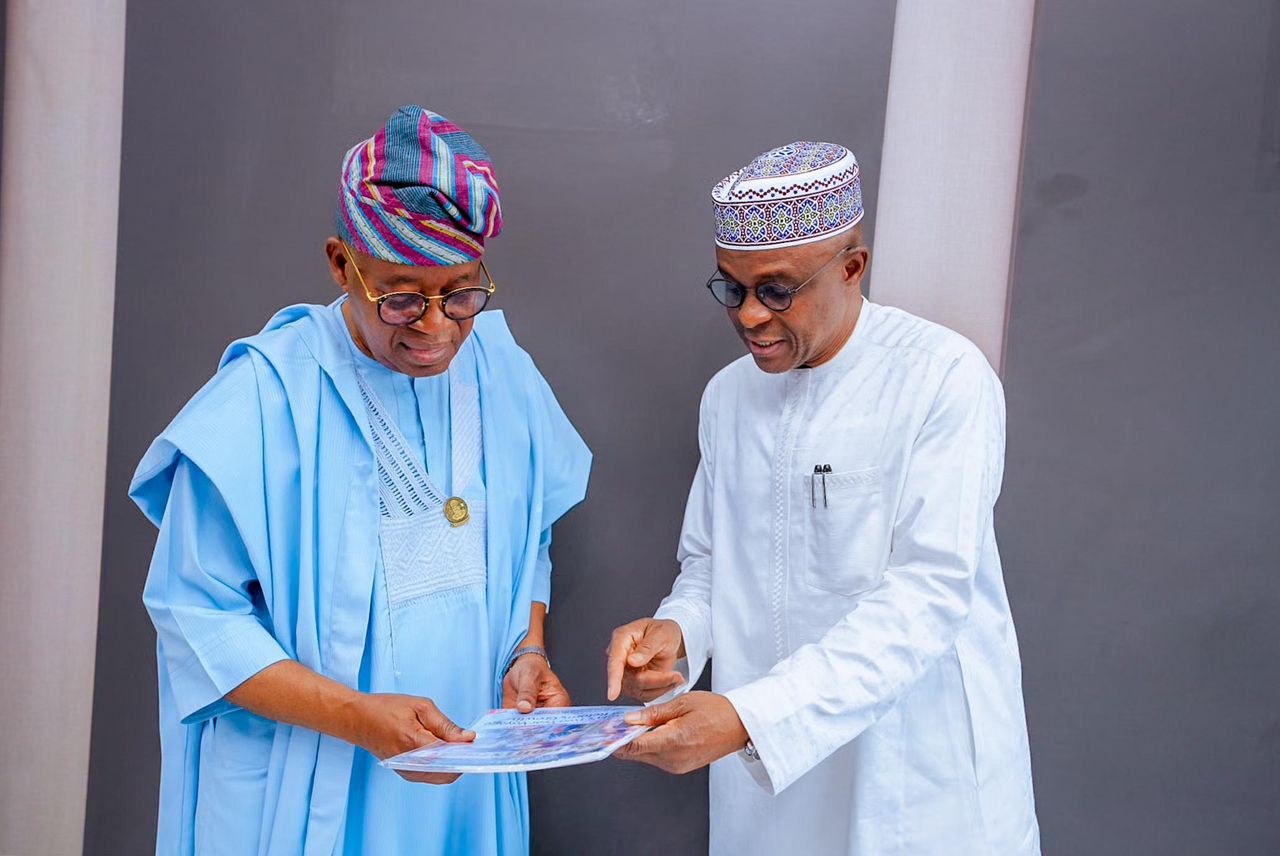
The Minister of Marine and Blue Economy, Adegboyega Oyetola, has directed the Nigerian Ports Authority (NPA) and seaport terminal operators to provide urgent operational support for the evacuation of hundreds of containers of critical electricity equipment stranded at Nigerian ports for nearly two decades.
The directive is part of efforts to implement President Bola Tinubu’s order to clear the abandoned cargoes, some of which have remained at the nation’s seaports since 2007, following years of administrative and bureaucratic bottlenecks that prevented their release.
Oyetola said the successful execution of the presidential directive would require close collaboration among the NPA, terminal operators, the Nigeria Customs Service (NCS) and the Federal Ministry of Power.
He consequently instructed the NPA and terminal operators to accord the assignment top priority by making adequate arrangements for cargo positioning, handling and evacuation.
“Mr President’s directive is clear, and our responsibility is to ensure its effective implementation.
“NPA and terminal operators are to give this assignment the highest priority, work seamlessly with Customs and the Ministry of Power, and provide every necessary operational support to achieve the desired result,” the Minister said.
The intervention is expected to remove operational obstacles that have kept the critical electricity equipment at the ports for years, while facilitating its eventual deployment to support Nigeria’s power infrastructure.
Oyetola reaffirmed the Ministry’s commitment to improving port efficiency, reducing cargo dwell time and ensuring that the nation’s maritime infrastructure facilitates rather than frustrates critical national development objectives.
He stressed that seaports must function as strategic gateways for economic growth, industrial expansion and infrastructure development, rather than become storage facilities for cargoes whose release is vital to national progress.
The Minister urged all relevant agencies and stakeholders to sustain the momentum of the clearance exercise, noting that prompt compliance with the presidential directive would demonstrate the government’s determination to dismantle institutional bottlenecks and accelerate the delivery of essential infrastructure projects.
The exercise also presents an opportunity to strengthen inter-agency coordination and address the operational weaknesses that have allowed critical cargoes to remain trapped in the nation’s ports for such an extended period.
Headlines
LASWA, Iterferry deepen ferry safety expertise, complete sixth training module
Gloria Odion, Maritme Reporter
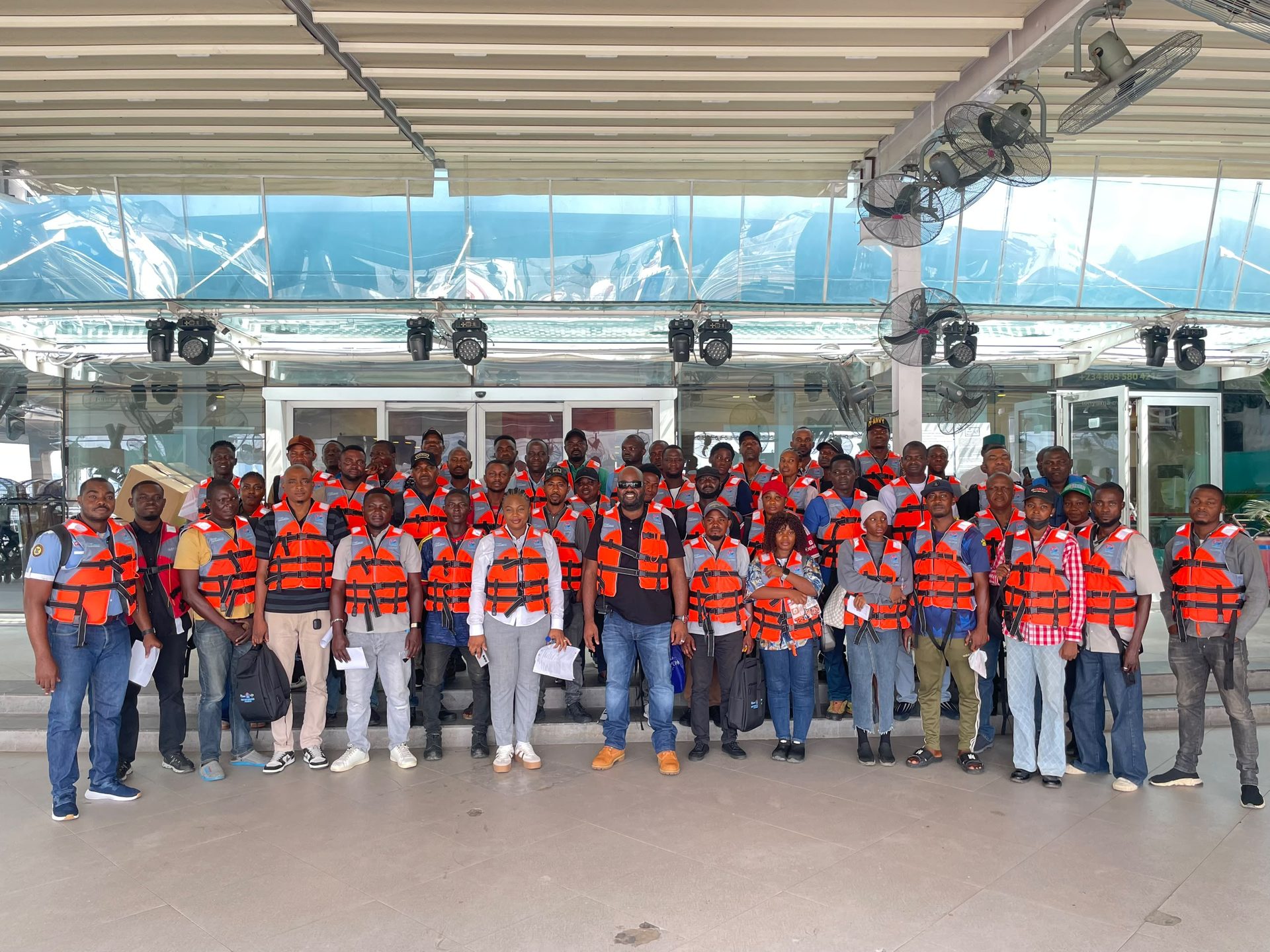
The Lagos State Waterways Authority (LASWA), in partnership with Interferry, has completed Module 6 of the Africa Ferry Safety Development and Mentoring Programme, reinforcing efforts to improve technical competence, strengthen vessel inspection and enhance passenger safety across Africa’s ferry transportation sector.
The latest module, which focused on Survey and Inspection and ran throughout October 2026, provided participating mentees with practical knowledge and technical skills required to assess vessel conditions, identify safety deficiencies and ensure compliance with established international maritime safety standards.
The training combined self-paced theoretical sessions facilitated by class surveyors from the American Bureau of Shipping (ABS) and Lloyd’s Register with interactive virtual mentorship and supervised practical field exercises.
A major component was the virtual Ask the Expert session held on October 21, featuring Interferry maritime professionals Joep Bollerman, Francesco Ruisi and Darren Johnston.
The session exposed participants to international ferry safety regulations, professional surveying techniques and industry best practices, while providing an opportunity to engage directly with experienced practitioners.
The theoretical component was complemented by a practical field exercise on October 28, during which participants conducted live Condition and Safety Compliance Audits at operational passenger ferry terminals.
Supervised by Sandra (Okoli) Ubong of ABS and Engr. Frank Fayinto of Lloyd’s Register, the exercise enabled participants to apply international classification standards and established inspection procedures in real operational environments.
A key highlight was the application of an eight-step survey methodology, covering the entire inspection process, from preliminary preparations and onboard assessments to documentation and field reporting.
Participants also received hands-on training in identifying safety deficiencies relating to hull integrity, life-saving appliances, fire protection systems and machinery installations.
Other critical areas covered included evidence-based reporting using the 5W+1H principle, systematic documentation of inspection findings, deficiency logging and risk prioritisation.
The programme also strengthened participants’ capacity to evaluate and classify identified deficiencies according to their level of urgency, distinguishing between immediate, medium-term and low-priority interventions.
The approach is designed to facilitate timely corrective action, minimise operational risks and improve safety across ferry services.
The completion of Module 6 marks another milestone in LASWA’s efforts to strengthen technical capacity, improve professional competence and entrench a sustainable safety culture within Lagos State’s inland waterways and the wider African ferry transportation industry.
LASWA acknowledged the contributions of Interferry mentors Joep Bollerman, Francesco Ruisi and Darren Johnston, as well as field facilitators Sandra (Okoli) Ubong and Engr. Frank Fayinto.
The Authority also recognised the support of Interferry Chief Executive Officer, Mike Corrigan, and Ferrysafe Executive Sponsor, Shari Corrigan, whose contributions helped ensure the successful delivery of the module.
The programme continues to enjoy institutional support from LASWA and the Lagos State Government, alongside the strategic guidance of the Special Adviser to the Governor on Blue Economy, Mr. Oluwadamilola Emmanuel.
With the successful conclusion of Module 6, attention now shifts to Module 7, which will focus on Watchkeeping and is scheduled for November 2026.
The next phase will equip participants with improved knowledge of vessel operations, navigational safety and effective watchkeeping practices, all of which are critical to safe, efficient and reliable ferry transportation.
Through its partnership with Interferry, LASWA is seeking to develop a pool of skilled maritime professionals, raise operational safety standards and promote a more reliable, efficient and sustainable water transportation system in Lagos State and across Africa.
Headlines
NIHOTOUR trains over 700 staff in digital skills, advocates institutional reforms
Funso OLOJO, Editor
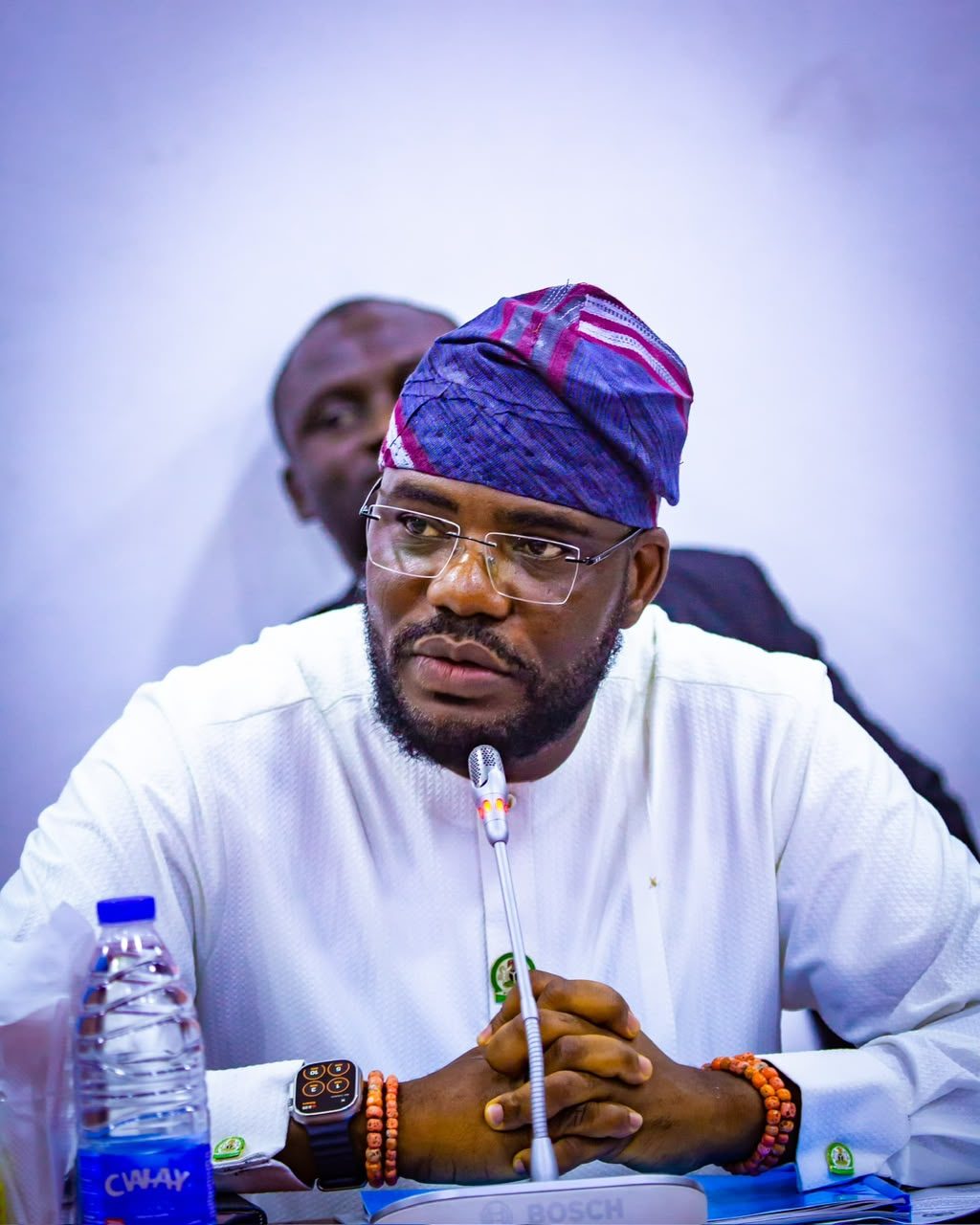
The National Institute for Hospitality and Tourism (NIHOTOUR) has successfully concluded a five-day intensive practical digital skills training programme for over 700 members of staff across its directorates, in a major step towards strengthening institutional capacity, improving workforce productivity and advancing its digital transformation agenda.
The programme, conducted from November 2 to 6, 2026, in partnership with Jampitech Solutions Company Limited, was designed to equip staff with practical digital competencies required for effective performance in an increasingly technology-driven workplace.
The training covered essential areas including computer and internet fundamentals, Microsoft Office, Google Workspace, artificial intelligence and workplace automation, cybersecurity and digital safety, digital communication, content creation and practical digital applications.
Speaking at the commencement of the programme, the Director-General/CEO of NIHOTOUR, Aare Abisoye Fagade, FNHT, FRPA, FIMC, described the initiative as a strategic investment in the Institute’s human capital and institutional future.
He emphasised that an organisation seeking to lead professional development and transformation in the hospitality and tourism industry must first demonstrate those values within its own operations.
According to him, “We cannot lead the digital transformation of Nigeria’s hospitality and tourism industry if we are not prepared to embrace digital transformation within our own institution.”
The Director-General noted that the training went beyond basic computer literacy, stressing that the objective was to build a workforce capable of using technology to improve efficiency, strengthen communication, manage information, support informed decision-making and deliver better institutional outcomes.
He further stated that digital transformation was not the responsibility of the ICT Department alone, but a collective responsibility requiring the participation and commitment of every member of staff, irrespective of department or designation.
The initiative aligns with the Federal Government’s Renewed Hope Agenda under the leadership of President Bola Ahmed Tinubu, GCFR, particularly its emphasis on human capital development, institutional efficiency, technology adoption, skills acquisition and improved public service delivery.
For NIHOTOUR, the programme also represents an important internal dimension of the ongoing institutional reforms aimed at strengthening its capacity to implement the NIHOTOUR Act 2022 and effectively discharge its responsibilities in training, certification, registration, accreditation and professional standards development across Nigeria’s hospitality and tourism sector.
The Institute recognises that effective implementation of its statutory mandate requires not only sound policies and regulatory frameworks but also a competent, motivated and technologically equipped workforce.
The successful participation of over 700 staff members reflects the Institute’s commitment to ensuring that digital competence becomes an integral part of its organisational culture and everyday operations.
The positive response from staff was also reflected in the appreciation conveyed by the NIHOTOUR Lagos Directorate, which commended the Director-General for his commitment to staff development and investment in building a more digitally capable workforce.
NIHOTOUR expressed appreciation to Jampitech Solutions Company Limited for its technical partnership and facilitation of the programme, as well as to the management and staff members who participated actively throughout the five-day exercise.
The Institute will continue to encourage the practical application of the knowledge acquired, with the expectation that the training will translate into improved departmental efficiency, stronger collaboration, better service delivery and measurable productivity gains.
As NIHOTOUR advances its reform and modernisation agenda, the Institute remains committed to building a workforce that is professionally competent, digitally empowered and adequately prepared to support the growth and global competitiveness of Nigeria’s hospitality and tourism industry.

 Headlines2 months ago
Oyetola presents three-year score card as blue economy industry revenue hits ₦1.83trn
 Customs3 months ago
Apapa Customs sets new record of monthly revenue haul with ₦323bn collection in July

 Customs3 months ago
Apapa Customs sets new single-day revenue record with ₦28.1bn collection
 Customs1 month ago
FOU Zone ‘A’: Aliyu retires after ₦3.19bn revenue recovery, Afeni takes over

 Customs2 weeks ago
FOU Zone A: Afeni intensifies anti-smuggling operations, seizes N511.4m drugs, rescues eight pangolins

 Customs2 months ago
Nigeria, Benin Customs move to harmonise trans-border trade, establish joint border post at Seme-Krake