
Headlines
Africa to the World: AITEC World launches globally at WTM London, urges stronger Africa-World tourism partnership
Funso OLOJO, Editor
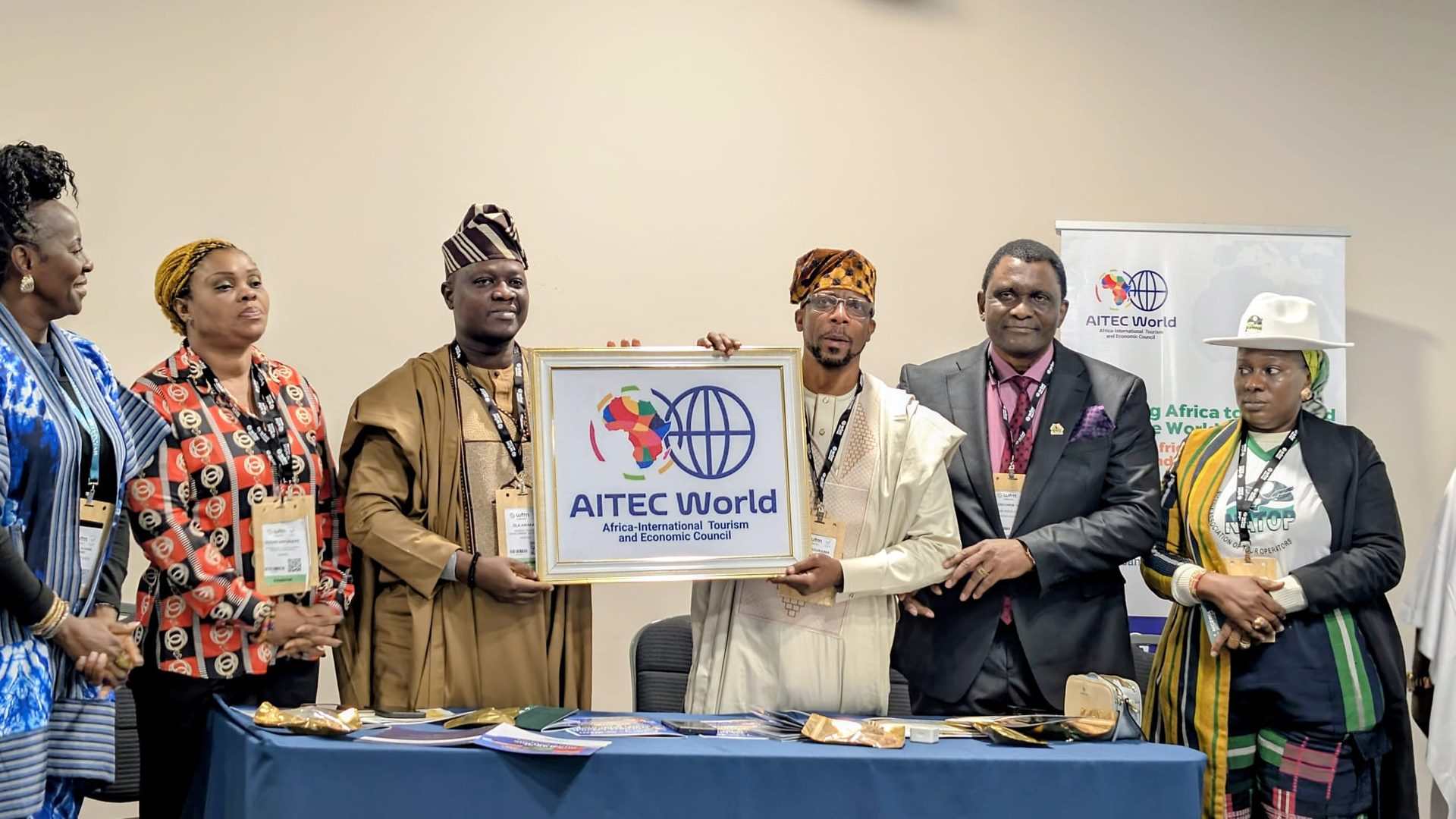
The African International Tourism and Entertainment Council (AITEC World) has officially launched on the global stage at the World Travel Market (WTM) London, calling for stronger international partnerships, collaboration and investment to unlock Africa’s vast tourism potential.
The global launch, held on Wednesday, November 4th, 2026, at the South Gallery, Room 20, ExCeL London, United Kingdom, brought together African tourism stakeholders, government representatives, tour operators, investors and media organisations participating in the international tourism marketplace.
The event marked the Council’s third major unveiling, following its regional launch in Abuja and continental launch in Addis Ababa, Ethiopia.
Headlining the event was AITEC World’s Global Adviser and Honorary Senior Special Adviser on Culture and Tourism to the Governor of Akwa Ibom State, Mr. Nkereuwem Onung, who challenged the international tourism community to move beyond conventional destination marketing and embrace investment-driven partnerships with African countries.
Speaking on the theme, “Come. Connect. Collaborate. Invest,” Onung described the message as a strategic call to action for building stronger tourism relationships between Africa and the rest of the world.
He explained that while the Abuja launch was designed to connect Nigeria and the Addis Ababa event to unite the continent, the London launch was intended to establish a stronger bridge between African destinations and the global tourism market.
“We launched regionally in Abuja to connect Nigeria. We launched continentally in Addis Ababa to connect Africa. Today, we launch globally here in London to connect Africa to the World and the World to Africa,” he said.
Addressing concerns about accessibility to African destinations, Onung rejected the perception that the continent was difficult to reach, insisting that Africa already possessed the necessary transportation and digital infrastructure to support international tourism.
According to him, the real challenge was no longer physical connectivity but the need to build meaningful relationships and partnerships capable of translating the continent’s tourism resources into economic opportunities.
“Africa is connected. From Uyo, where I arrived from a few days ago, to London where I am today, it is six hours. We have airports, we have seaports, we have fibre optics. What we need is not connection of cables, but connection of minds,” he stated.
Onung also spotlighted Akwa Ibom State’s tourism potential, citing its 129-kilometre Atlantic coastline, Ibeno Beach, the Oron Museum, which houses some of Africa’s oldest wood carvings, and the hospitality of its people.
He said the state, under Governor Umo Eno, was open to international partnerships and investment, adding that ongoing infrastructure development was positioning it to attract more visitors and tourism investors.
Making a strong case for genuine collaboration, the AITEC World adviser urged international tour operators and investors to see Africa as a destination for business partnerships and product development rather than merely a place for sightseeing.
“Africa does not need pity tourism. Africa needs partnership tourism. Do not come to Africa to take pictures of poverty. Come to Africa to build products with us. Collaborate with our tour operators, our museums, our cultural festivals,” he declared.
He explained that such partnerships would stimulate employment, strengthen local enterprises, promote cultural institutions and improve the economic wellbeing of host communities.
Describing AITEC World as a council rather than a travel agency, Onung said the organisation was established to bridge the gap between African tourism destinations and international markets.
He argued that increased tourist arrivals alone would not deliver the full economic benefits of tourism unless accompanied by investments in infrastructure, cultural assets and tourism enterprises.
“Visit is good. But investment is better. Africa has 1.4 billion people, 60 per cent under 25. The future of global tourism is African. The world will come to Africa because Africa has what the world no longer has: authentic culture, untapped destinations and natural warmth,” he added.
He identified investments in Akwa Ibom’s tourism and supporting infrastructure, including Arise Park, Ibom Hotels and the state’s road network, as evidence of the state’s readiness to engage international partners.
Using a colourful analogy towards the end of his address, Onung likened African tourism to a hidden Manchester United trophy in a London home, arguing that the continent’s immense tourism potential remained largely underappreciated despite its rich cultural and natural heritage.
He maintained that Africa was ready not only to showcase its tourism attractions but also to invite the international community to participate in developing them.
“Africa is not just inviting the world to visit. Africa is inviting the world to partner, to participate, and to prosper,” he said.
Also speaking, the Director-General of the Nigeria Tourism Development Authority (NTDA), Mr. Ola Awakan, called for greater unity and collaboration among African tourism stakeholders, stressing that the continent could achieve more through collective action.
Awakan advocated a strategic approach to developing a sustainable cultural tourism economy that transcends national boundaries.
“I believe in the philosophy of togetherness and unity, key ingredients to personal growth and national development. Our industry must adopt a strategic process to sustain the vision of African cultural tourism economy across our borders. I must commend the President of AITEC for this great initiative,” he said.
Similarly, the immediate past President of the National Association of Nigeria Travel Agencies (NANTA) and Deputy President of the Federation of Tourism Associations of Nigeria (FTAN), Mrs. Susan Akporiaye, stressed the need for practical action plans to transform Africa’s tourism potential into measurable economic gains.
Akporiaye cautioned against relying on elaborate declarations without concrete implementation, noting that the international community was watching how African countries and industry stakeholders would translate their cultural and tourism assets into viable investment opportunities.
Meanwhile, the President of the National Association of Tour Operators (NATOP), Mrs. Bolaji Mustapha, reaffirmed her association’s commitment to positioning Nigeria as a competitive destination in the global tourism market.
She said NATOP would continue to leverage strategic platforms and international partnerships to attract more tourists to Nigeria.
Mustapha also commended AITEC World President, Mr. Dine Bouraima, for his commitment to establishing a continental platform for advancing cultural tourism.
At the event, NATOP unveiled its Nigerian Tourism Passport, a handbook showcasing major tourist destinations across the country.
The publication, designed in Nigeria’s national colours and bearing the country’s identity, attracted the attention of the NTDA Director-General, who commended the association for its initiative and efforts to promote domestic tourism.
Awakan, however, expressed the desire for similar initiatives to incorporate the input and endorsement of the national tourism authority as a way of strengthening institutional collaboration and ensuring greater coordination within the industry.
Earlier, AITEC World President, Mr. Dine Bouraima, welcomed participants and reiterated the need for Africa to take greater ownership of its tourism narrative and give its cultural assets stronger visibility in the global marketplace.
Bouraima said the Council’s previous unveiling in Abuja had demonstrated Nigeria’s diplomatic and economic relevance within Africa and the wider international community.
He called on African governments, development partners and international donor agencies to support AITEC World’s vision of expanding the global visibility of African cultural tourism while creating opportunities for international engagement, collaboration and investment.
AITEC World is a global council dedicated to connecting Africa with international markets through tourism, culture, entertainment and investment partnerships. It seeks to provide a platform for cooperation between African destinations and global stakeholders to promote the continent’s tourism resources and facilitate sustainable economic opportunities.

Customs
Afeni’s anti-smuggling drive yields ₦6.19bn seizures, strengthens agency partnerships
Gloria Odion, Maritme Reporter
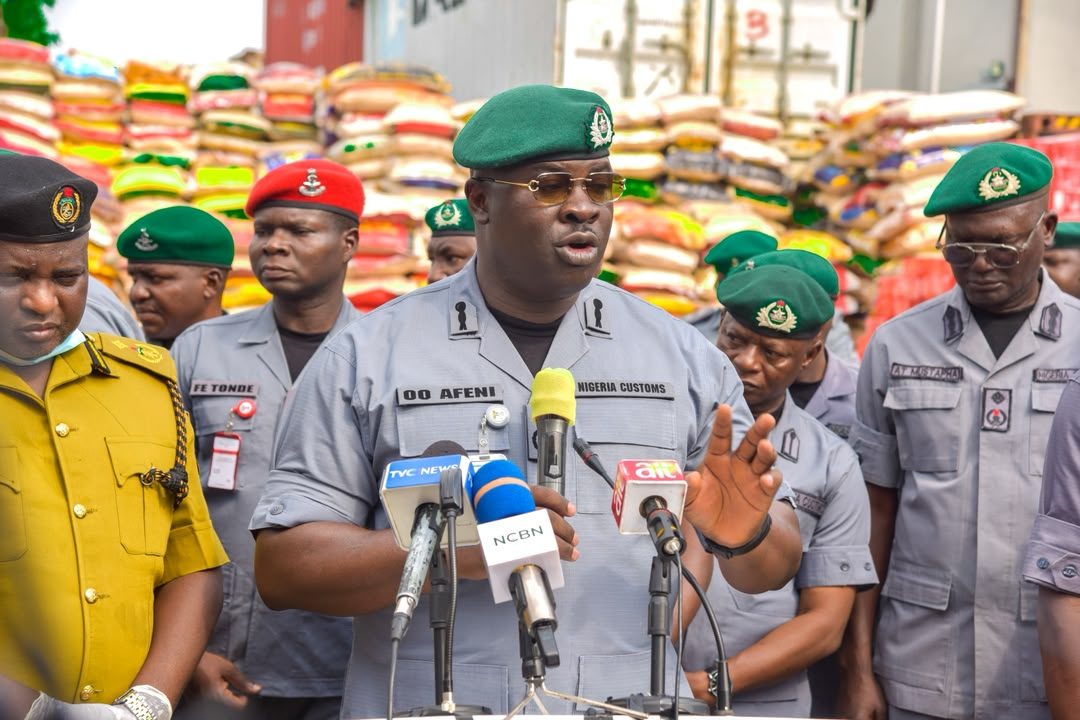
Since assuming office as Acting Comptroller of the Federal Operations Unit (FOU), Zone A, of the Nigeria Customs Service (NCS), Deputy Comptroller Oladapo Afeni has intensified anti-smuggling operations across the South-West, recording seizures with a combined Duty Paid Value of ₦6.19 billion within four weeks, while strengthening collaboration with security and regulatory agencies to combat illicit trade and safeguard the national economy.
The renewed enforcement drive reflects a strategy focused on intelligence gathering, improved surveillance, revenue protection and coordinated operations to combat illicit trade and safeguard the national economy.
Within the first four weeks of the intensified operations, the Unit recorded 195 interceptions involving prohibited and restricted goods with a combined Duty Paid Value (DPV) of ₦6.194 billion.
The seizures included 3,028 bags of 50kg imported rice, 995 bags of 25kg rice, 104 bags of 20kg rice and 207 bags of 5kg rice, alongside 173 cartons of imported frozen poultry products and 6,949 cartons of smuggled spaghetti.
Other intercepted items comprised 5,986 parcels of cannabis weighing 3,407.83 kilogrammes, 400 grammes of cocaine, 100 grammes of methamphetamine and various quantities of codeine syrup.
The Unit also seized 459 bales and 39 jumbo sacks of second-hand clothing, 1,236 used tyres, 101 bags of imported sugar, 250 cartons of unregistered sardines, 21 foreign-used vehicles and 11 means of conveyance.
Additional interceptions included 23,220 new machetes and 1,250 rounds of 12-calibre cartridges, raising concerns about the security implications of the uncontrolled movement of prohibited items.
Afeni said the operations were designed not only to suppress smuggling but also to protect government revenue, legitimate businesses and public safety. He warned that the consequences of illicit trade extended beyond the monetary value of seized goods.
“We will not measure our success by how much we seize, but by how much harm we prevent,” he said.
Beyond border enforcement, the Unit recovered ₦683.66 million in revenue between September 30 and November 3, 2026, through compliance monitoring, risk profiling and the correction of fraudulent import declarations.
Afeni said compliant traders would continue to receive necessary facilitation, while importers and agents involved in duty evasion, under-valuation and other fraudulent practices would face the full weight of the law.
A major component of his strategy is stronger collaboration with the National Agency for Food and Drug Administration and Control (NAFDAC), particularly in combating counterfeit and substandard pharmaceutical products.
During a recent visit to NAFDAC’s Investigation and Enforcement Directorate in Apapa, Lagos, Afeni pledged sustained intelligence sharing and coordinated operations to disrupt criminal networks responsible for distributing fake medicines.
He stressed that protecting Nigerians from unsafe products required collective action, adding that Customs would support NAFDAC in identifying suspicious consignments and preventing dangerous products from reaching consumers.
The Unit’s enforcement activities have also extended to wildlife protection.
On November 8, 2026, Customs operatives intercepted six pangolins at Eruwa-Oni in Oyo State during an intelligence-led patrol.
The animals were recovered alive after their suspected handlers abandoned them and fled.
Two later died, while four survived and were handed over to relevant wildlife officials for further action.
Afeni has also strengthened cooperation with the National Drug Law Enforcement Agency, Nigeria Police Force, Department of State Services, Nigeria Immigration Service, Nigerian Army and environmental enforcement agencies.
The partnerships are aimed at improving intelligence exchange, conducting joint operations and ensuring that intercepted narcotics, wildlife and other prohibited goods are transferred to the appropriate authorities for investigation and prosecution.
Afeni said the Unit would sustain its offensive against smuggling networks while protecting legitimate trade and encouraging public participation through credible information.
He acknowledged the support and policy direction of the Comptroller-General of Customs, Bashir Adewale Adeniyi, noting that institutional backing had strengthened operational effectiveness.
The ₦6.19 billion seizures, ₦683.66 million revenue recovery and renewed agency partnerships underscore Afeni’s enforcement priorities.
Sustaining the momentum, however, will require continued intelligence-led operations, successful prosecution of offenders and coordinated efforts to dismantle the networks behind illicit trade.
Headlines
NAGAFF passes vote of confidence on Dantsoho, spurns calls for NPA MD’s removal
Gloria Odion Maritme Reporter
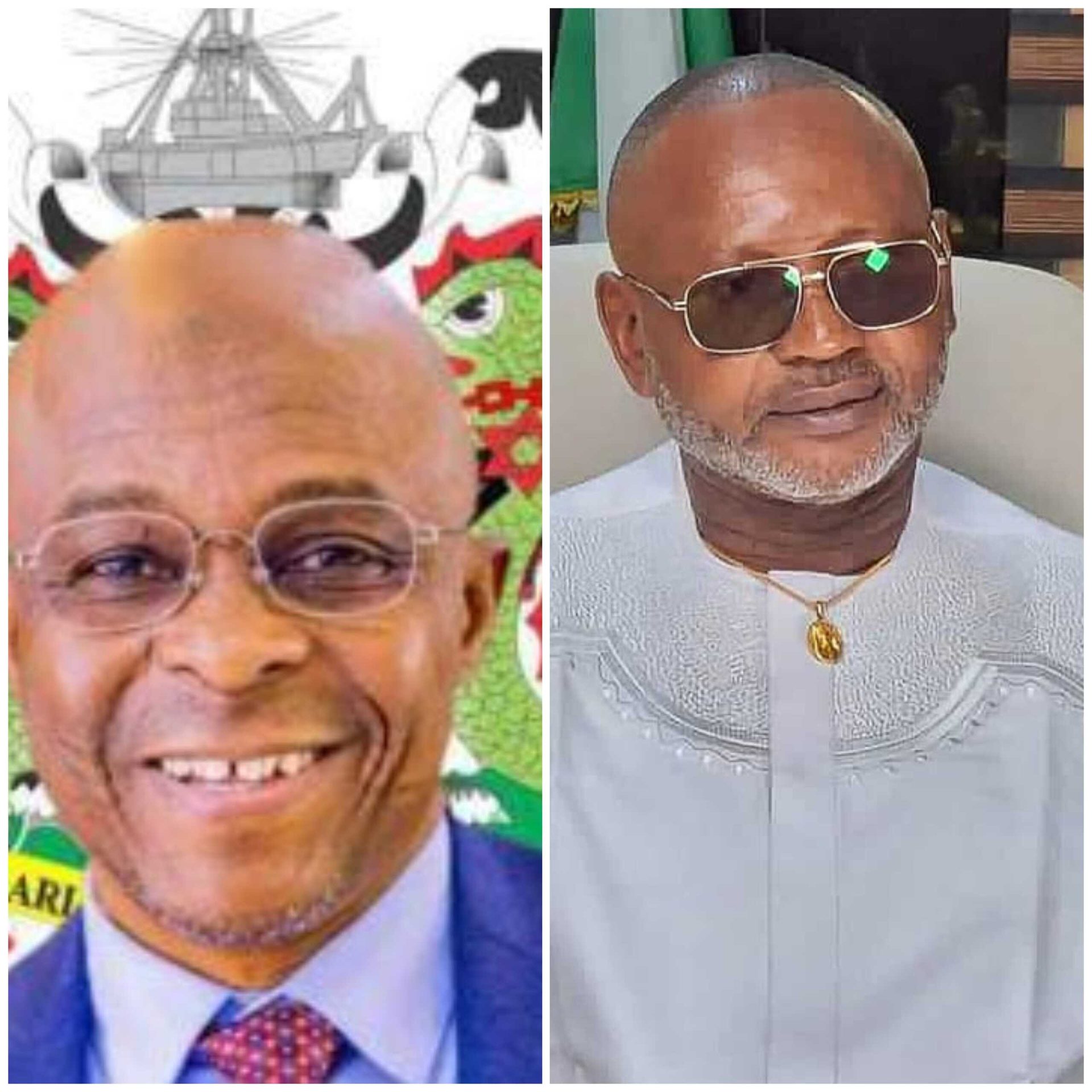
The National Association of Government Approved Freight Forwarders (NAGAFF) has condemned calls by a faceless coalition for the removal of the Managing Director of the Nigerian Ports Authority (NPA), Dr Abubakar Dantsoho, describing the allegations against him as misleading and self-serving.
The association said the demand was an attempt to undermine ongoing reforms and the progress being recorded in Nigeria’s port system under Dantsoho’s leadership.
NAGAFF expressed concern that at a time when stakeholders across the maritime value chain were beginning to witness improvements in port infrastructure, digital transformation, investment attraction and operational efficiency, some groups had chosen to disregard these developments and promote narratives that did not reflect the realities of the industry.
The association stated that Dantsoho had demonstrated leadership, professionalism and commitment to advancing President Bola Ahmed Tinubu’s Renewed Hope Agenda in the maritime sector.
NAGAFF maintained that the current NPA management had recorded measurable achievements within a relatively short period, contrary to the allegations made by the coalition.
Among the milestones highlighted by the association was the commencement of the long awaited port modernisation and rehabilitation programme covering Apapa, Tin Can Island, Rivers, Onne, Warri and Calabar ports, with more than $1 billion earmarked for reconstruction and infrastructure renewal.
The association described the initiative as one of the most comprehensive port rehabilitation efforts in decades, noting that it was expected to address critical infrastructure deficiencies and improve operational efficiency across the nation’s seaports.
NAGAFF also cited progress in strategic port expansion projects, including Snake Island Port, Badagry Deep Seaport and Ondo Deep Seaport, alongside other maritime infrastructure initiatives designed to increase Nigeria’s cargo-handling capacity and strengthen its competitiveness in global trade.
It further highlighted Nigeria’s integration into the International Port Community Systems Association (IPCSA) as a significant step towards implementing the National Single Window project.
According to the association, the initiative is expected to reduce bureaucratic bottlenecks, enhance transparency and accelerate cargo clearance processes through improved coordination among relevant agencies.
The association also pointed to ongoing port automation and digitalisation initiatives aimed at making Nigerian ports more efficient, investor friendly and globally competitive.
Other achievements identified by NAGAFF include improved cargo throughput and trade performance, enhanced stakeholder engagement, and stronger collaboration among government agencies, terminal operators, freight forwarders, shipping companies and investors.
The association said these efforts were helping to address longstanding industry challenges while positioning Nigerian ports to support the African Continental Free Trade Area (AfCFTA) and the Federal Government’s broader blue economy objectives.
NAGAFF maintained that the developments represented tangible progress that should not be dismissed by what it described as politically motivated campaigns and anonymous accusations.
The association further noted that many of the challenges raised by the coalition, including port congestion, infrastructure deficits, concession related issues and logistics bottlenecks, had existed for several years before the current NPA management assumed office.
It described expectations that Dantsoho should completely resolve decades of structural deficiencies within a short period as unrealistic and unfair.
NAGAFF argued that the current management had demonstrated the willingness and capacity to confront these challenges through practical reforms, strategic investments and sustained engagement with industry stakeholders.
The association said the ongoing initiatives deserved recognition and support rather than criticism that could undermine efforts to reposition Nigeria’s port system.
Consequently, NAGAFF has passed a strong vote of confidence in Dantsoho and the current management of the Nigerian Ports Authority.
The association urged President Bola Ahmed Tinubu to disregard what it described as distractions from faceless groups and remain committed to supporting public officials working to deliver on the administration’s reform agenda.
It maintained that leadership should be assessed based on performance, arguing that Dantsoho had demonstrated the qualities of a visionary maritime administrator through initiatives in port modernisation, digital transformation, infrastructure development and investment promotion.
NAGAFF said the current management had laid a foundation for positioning Nigeria as a leading maritime hub in Africa.
The association therefore rejected the call for Dantsoho’s removal, stressing that the maritime sector needed continuity, stability and sustained support for ongoing reforms rather than disruptions arising from allegations it described as unverified.
It urged stakeholders genuinely committed to the growth of Nigeria’s maritime industry to support measurable progress and constructive reforms instead of campaigns capable of derailing the sector’s development.
Headlines
FG commences ₦1.45trn Lagos Ports upgrade, targets 20,000 jobs
Funso OLOJO, Editor
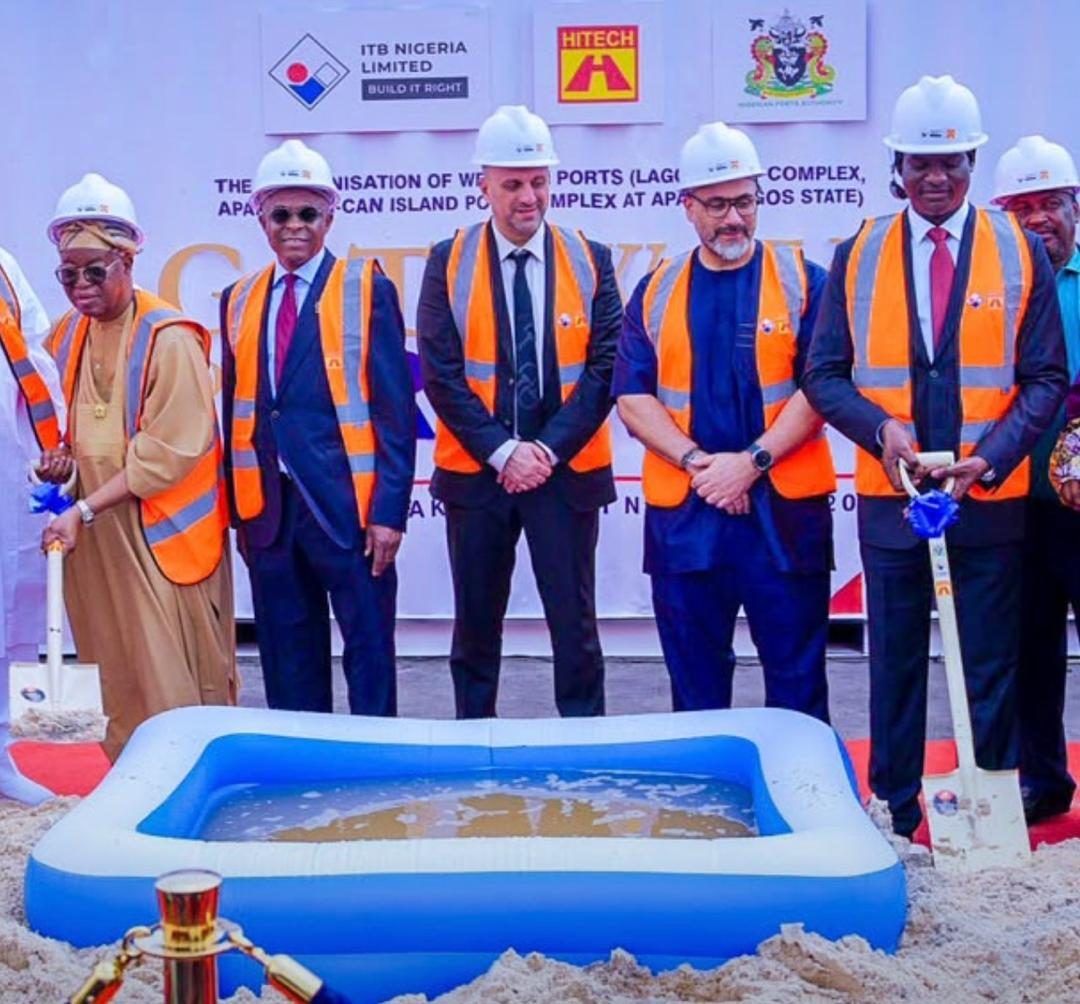
The Federal Government has commenced a ₦1.45 trillion modernisation of the Lagos Port Complex, Apapa, and Tin Can Island Port, in a major infrastructure intervention aimed at creating at least 20,000 jobs, reducing cargo clearance time to 48 hours and restoring Nigeria’s competitiveness as a leading maritime hub in Africa.
The project, valued at £746 million, was formally flagged off on Wednesday, November 25th, 2026,with a groundbreaking ceremony at Tin Can Island Port performed by the Minister of Marine and Blue Economy, Adegboyega Oyetola.
The ambitious port renewal programme is designed to address decades of infrastructure deterioration, improve cargo handling efficiency, reduce logistics costs and strengthen Nigeria’s capacity to accommodate rising trade volumes and the demands of modern international shipping.
Speaking at the ceremony, Oyetola said the modernisation had become imperative in view of the widening mismatch between Nigeria’s expanding economy and the limited capacity of its existing port infrastructure.
He said Apapa and Tin Can Island ports, which have served as the country’s principal gateways for international trade for decades, could no longer adequately meet the demands of a rapidly growing economy and the changing requirements of global maritime commerce.
The minister recalled that Apapa Port was established in 1913, while Tin Can Island Port was commissioned in 1977, at a time when Nigeria’s population stood at about 67.2 million, annual trade was approximately $17 billion and cargo throughput was 8.11 million metric tonnes.
Today, he said, Nigeria’s population has increased to about 240 million, annual merchandise trade has exceeded $100 billion, while cargo throughput has surged to 129.3 million metric tonnes.
According to Oyetola, the scale of economic expansion makes comprehensive port modernisation unavoidable if Nigeria is to retain its position in regional and international trade.
He warned that failure to upgrade the facilities could result in the diversion of Nigerian-bound cargo to neighbouring countries whose ports have undergone significant infrastructure improvements.
“The cost of inaction is far greater than the cost of modernisation. Nigeria will not surrender its competitive advantage,” the minister declared.
Oyetola said the Federal Government was determined to position the Lagos ports to attract more direct calls by international shipping lines, expand transshipment opportunities and establish Nigeria as a preferred gateway for trade under the African Continental Free Trade Area.
He disclosed that cargo dwell time at Nigerian ports had historically ranged between 10 and 18 days, compared with three to five days at leading international ports.
The prolonged cargo clearance period, he said, had contributed to congestion, demurrage and storage charges estimated to cost the Nigerian economy about $4 billion annually.
The modernisation programme is expected to reverse the trend through the rehabilitation of quay walls and berths, dredging of navigation channels, improvement of port access facilities, installation of modern cargo-handling equipment and deployment of more efficient, digitally enabled operational systems.
Oyetola said the project would generate at least 20,000 direct and indirect jobs across construction, engineering, dredging, logistics, transportation, port operations and other related sectors.
Beyond employment creation, he said, the upgraded facilities would improve the competitiveness of Nigerian exporters by reducing delivery delays and lowering logistics costs.
The minister identified agricultural produce, processed foods, solid minerals, manufactured goods, textiles and petrochemical products as among the export commodities expected to benefit from improved port infrastructure and operational efficiency.
He said the modernisation would provide Nigerian businesses with more reliable access to international markets while supporting the Federal Government’s efforts to diversify the economy and expand non-oil exports.
Acknowledging that construction activities could temporarily affect port operations, Oyetola said measures had been put in place to ensure that cargo movement and business activities continued with minimal disruption.
He disclosed that he had approved the establishment of an Inter-Ministerial Committee comprising the Federal Ministry of Marine and Blue Economy, the Nigerian Ports Authority (NPA) and the Nigeria Ports Economic Regulatory Agency.
The committee, he said, would develop a Port Business Continuity and Cargo Flow Management Plan to coordinate construction activities, vessel scheduling, cargo evacuation, truck traffic and the deployment of alternative ports and transportation channels where necessary.
The minister stressed that the government was conscious of the importance of the Lagos ports to Nigeria’s economy and would ensure that the modernisation programme did not undermine the flow of trade during implementation.
He said the project represented a strategic investment in the country’s maritime future, adding that modern, efficient and competitive ports were essential to economic growth, industrial development, job creation and Nigeria’s ambition to become a major player in African and global trade.
 Customs2 months ago
FOU Zone ‘A’: Aliyu retires after ₦3.19bn revenue recovery, Afeni takes over

 Customs3 months ago
Nigeria, Benin Customs move to harmonise trans-border trade, establish joint border post at Seme-Krake

 Customs4 weeks ago
FOU Zone A: Afeni intensifies anti-smuggling operations, seizes N511.4m drugs, rescues eight pangolins

 Headlines4 weeks ago
Tension heightens at Osborne Foreshore Estate over alleged environmental breach by property developer
 Commentaries1 month ago
Beyond Shiny Tech: Why Africa’s smart ports must build plumbing before AI
 Headlines3 weeks ago
Oyetola leads Nigeria’s delegation to IMO Council meeting in London, reaffirms commitment to maritime safety