
Headlines
Federal government eyes share of $10billion annual ship charter market , reiterates commitment to re-floating national shipping carrier

The Eyewitness Reporter
Undaunted by the challenges that have stifled previous efforts to re-float the moribund national shipping line, the Minister of Marine and Blue Economy, Gboyega Oyetola, has reiterated the commitment of his ministry to break the 28 years jinxed efforts to give life to the dead national carrier.
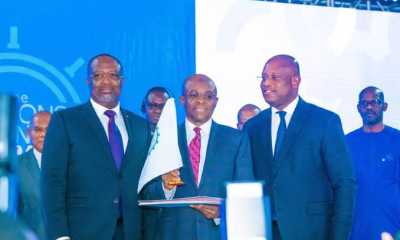
Oyetola, who was speaking in Lagos, Tuesday during the opening of the stakeholders roundtable engagement, said the passion of government to revisit the suspended venture was the desire to have a cut of the estimated $10 billion annual ship charter market within the country.
The Minister, who charged the stakeholders and government agencies to brace up for the challenges ahead, warned that there is no business as usual as there is an urgent need for a collaborative effort to brainstorm and devise strategies to leverage the nation’s marine resources for the betterment of the economy and safety of our planet.
Oyetola would be the third Minister in the Transportation Ministry( now Marine and Blue Economy Ministry) who would try to re-establish the sunken national shipping line after the famous Nigeria National Shipping Line(NNSL), established in 1959, went under in September 1995 due to heavy debt burden.
Rotimi Amaechi, in 2021, had a shot at refloating the dead national carrier through the Public-Private Partnership(PPP) model but could not succeed when the foreign counterparts in the project, suddenly withdrew.
His successor, Alhaji Mu’azu Jaji Sambo identified the refloating of the national shipping line as one of the low-hanging fruits he intended to harvest during his short stay but also failed to achieve anything on the project.
However, the pioneer Minister of the new Ministry of Marine and Blue Economy, Oyetola, has followed the same trajectory as his predecessors, as he has indicated his desire to re-float the moribund project, using the PPP model.
While addressing the stakeholders, he promised that the re-floating of the national shipping carrier will in no way impede the growth of local players but rather provide an avenue for them to create and extract more value from the sector, especially through ship construction, maintenance, and repairs.
“This would enable our local businesses to better leverage the Cabotage Act, which gives Nigerians the exclusive right to control locally generated seaborne trade” he assured.
Oyetola disclosed that his ministry will embrace the Public-Private Partnership (PPP) models to transform the sector.
He said the stakeholders’ meeting was convened to bring together players in the sector to discuss and chart a roadmap/direction that will advance the industry’s potential, promote sustainable Blue Economy investments and ensure global competitiveness within the sector.
He noted that the PPP model which his ministry will adopt, is a collaborative synergy between the private sector’s efficiency and the public sector’s oversight that is meant to bring about a transformative impact on the marine and blue economy as well as boost the creation of substantial job opportunities and the facilitation of increased trade and investment in the nation, reinforcing the ministry’s collaborative and forward-looking approach.
Some areas of discussion at the Roundtable are strengthening Blue Governance; Transforming Port Operations; Enhancing Port Infrastructure; and Promoting Blue Economy Investments.
“There is an urgent need for a collaborative effort to brainstorm and devise strategies to leverage our marine resources for the betterment of the economy and safety of our planet.
” It is imperative we come up with practicable ways of ensuring that our Inland Rivers, Lakes and Waterways are well utilised for cargo shipment and passenger transportation.
“This engagement forum is crucial to the development of the sector as it offers an opportunity for us all to collectively contribute our perspectives, and ideas and offer relevant inputs that can propel the sector to the trajectory of success necessary to support the development of the economy as well as meet the expectations of Mr. President who took the courage to open up Nigeria to focus on the Blue Economy Value Chain.
“The zeal for a better life for Nigerians propelled President Bola Ahmed Tinubu to recently unveil 8 Presidential Priorities to address critical national challenges. These priorities are to be delivered through 8 focus areas, namely: economic growth, food security, energy and natural resources, infrastructure development, security, healthcare, education, improved governance, and job creation.
“Our Ministry though new, is not resting on its oars and has continued to foster Inter-Agency collaborations and implement initiatives to promote Port efficiency, cargo shipment, maritime security and tap into the resources of the Seabed.
“Other anticipated outcomes include the creation of substantial job opportunities and the facilitation of increased trade and investment in the nation, reinforcing our collaborative and forward-looking approach”.
The Minister who said he is acquainted with the sector’s challenges, assured of his commitment to “bequeathing to Nigerians a better sector than we have met today”.
He assured that the Stakeholders’ Engagement will be a continuum, “since it is important that we normalise this harmonious synergy and work together to ensure that our industry is safe, reliable and sustainable”, he declared.
The stakeholders’ meeting is expected to brainstorm on ways and means by which the huge potential in the sector could be harnessed for the growth of the economy and the betterment of the people.
The minister said the outcome of the deliberation will form a nucleus of his blueprint for the development of the marine and blue economy sector which he intends to unveil to the Federal Executive Council (FEC) and the public.



Headlines
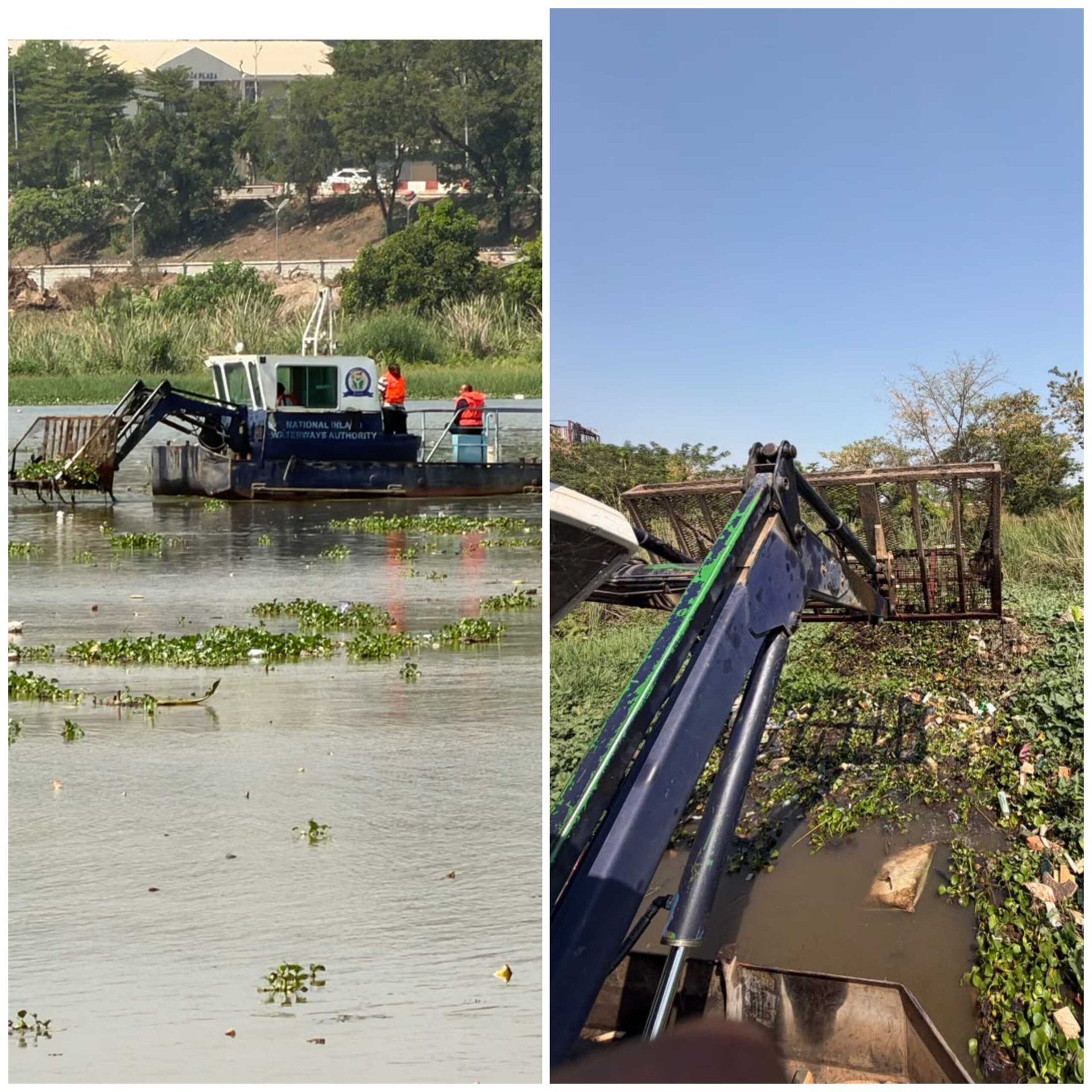
NIWA clears water hyacinth on Jabi Lake to boost navigation, tourism
Customs
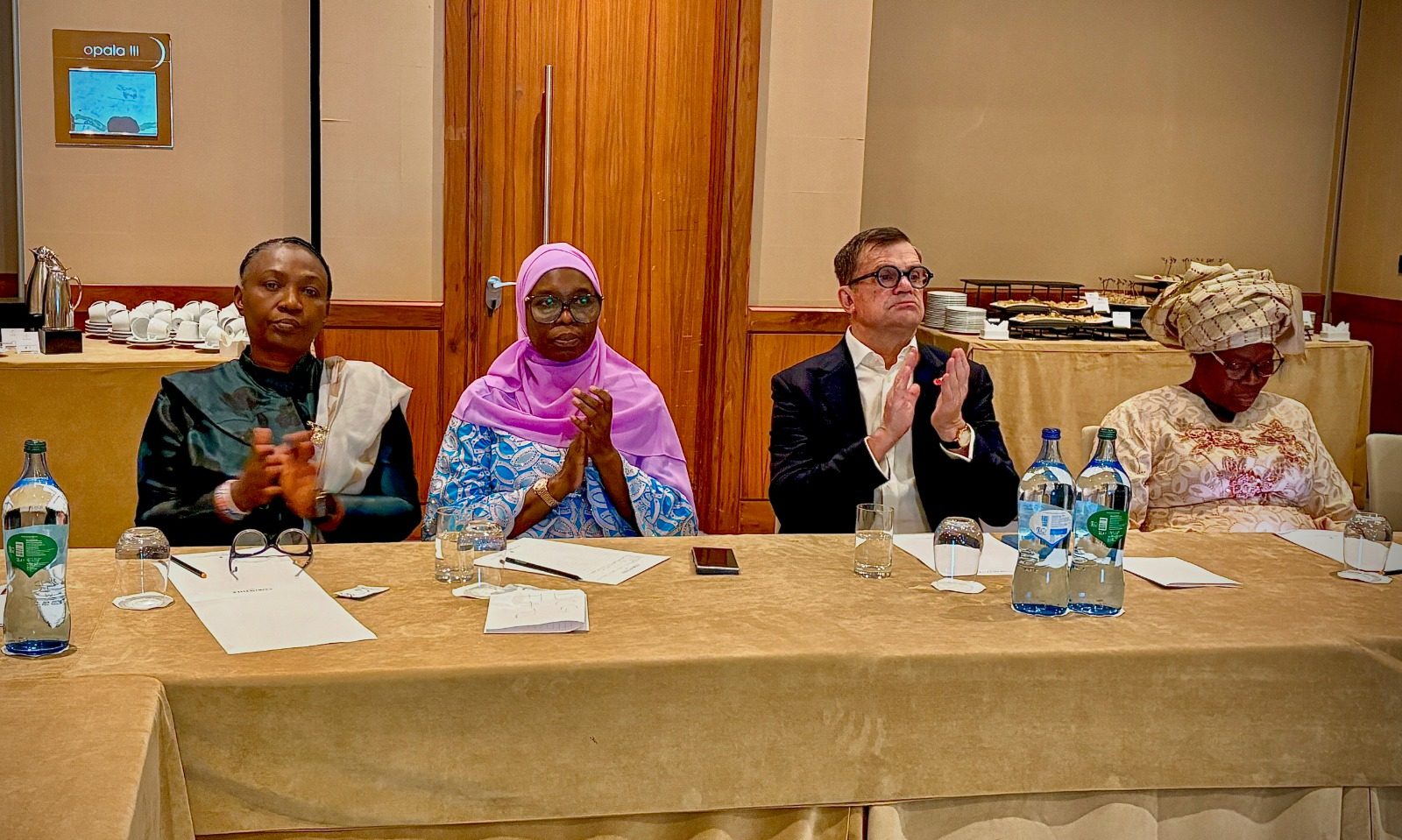
Customs reviews B’Odogwu system in Lisbon, targets faster cargo clearance, higher revenue
Customs
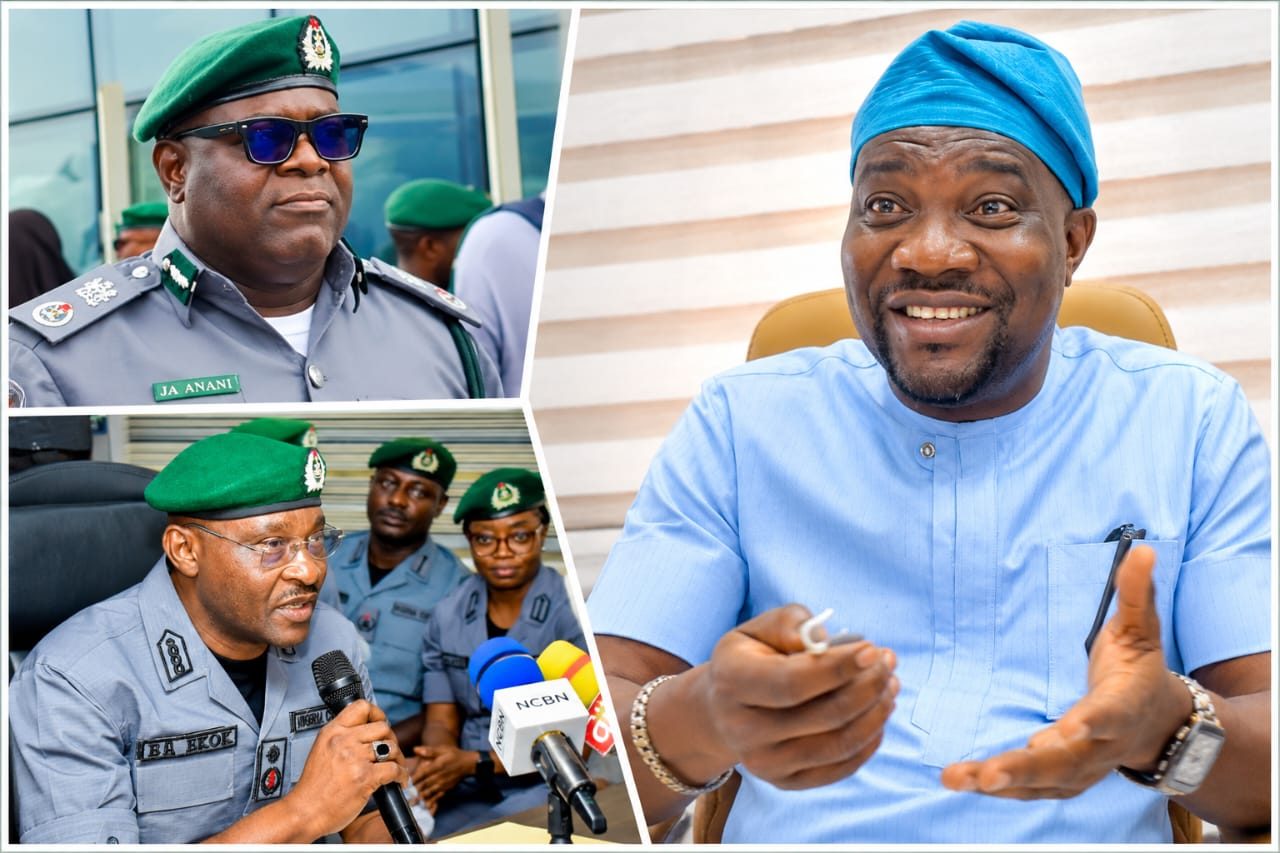
Cole congratulates Anani on promotion, welcomes Ekok as new Tin Can Customs Controller
Gloria Odion, Maritme Reporter
The Chairman of the Tin Can Island Chapter of the Association of Nigeria Licensed Customs Agents (ANLCA), Prince Olawale Cole, has congratulated the immediate past Customs Area Controller of Tin Can Island Port Command, Assistant Comptroller-General (ACG) Joseph Anani, on his promotion to the rank of Assistant Comptroller-General, while welcoming Deputy Comptroller Emmanuel Agbor Ekok as the new Acting Customs Area Controller of the command.
Cole described Anani’s elevation as a well-deserved recognition of his dedication, professionalism and contributions to the Nigeria Customs Service (NCS), noting that his tenure at Tin Can Island was characterised by cordial stakeholder relations and constructive engagement with port operators.
In a congratulatory message, the ANLCA chairman commended the newly promoted ACG for his accessible leadership style, openness to dialogue and willingness to engage licensed customs agents on issues affecting port operations and trade facilitation.
He said Anani’s commitment to stakeholder collaboration helped foster mutual understanding and cooperation between Customs officers and licensed customs agents, creating an enabling atmosphere for addressing operational challenges at the port.
Cole expressed confidence that Anani’s wealth of experience and professional expertise would continue to benefit the Nigeria Customs Service and the wider maritime industry in his new capacity.
He wished the former Tin Can Customs Controller success in his elevated position, describing his promotion as a source of pride to stakeholders who had worked with him during his tenure at the command.
The ANLCA chairman also congratulated Deputy Comptroller Emmanuel Agbor Ekok on his assumption of office as Acting Customs Area Controller of Tin Can Island Port Command, expressing optimism that his administration would consolidate existing stakeholder relationships and further improve operational efficiency.
Cole assured the new Acting Controller of the chapter’s readiness to sustain a productive working relationship with the command, particularly in advancing efficient port operations, facilitating legitimate trade and addressing challenges confronting customs agents and other port stakeholders.
He emphasised that effective collaboration between the Nigeria Customs Service and licensed customs agents remained essential to achieving faster cargo clearance, improving revenue generation and creating a more business-friendly port environment.
Cole urged Ekok to sustain regular consultations with stakeholders and maintain an open-door policy, especially in resolving operational concerns relating to cargo examination, customs valuation, documentation and clearance procedures.
He expressed the hope that the new Acting Controller would build on the achievements of his predecessor while introducing initiatives to strengthen stakeholder confidence, promote transparency and improve service delivery.
Cole reaffirmed the Tin Can Island Chapter of ANLCA’s commitment to supporting policies and initiatives that promote professionalism, trade facilitation, efficient port operations and the overall development of Nigeria’s maritime sector.

 Headlines3 months ago
Oyetola presents three-year score card as blue economy industry revenue hits ₦1.83trn

 Customs2 months ago
FOU Zone ‘A’: Aliyu retires after ₦3.19bn revenue recovery, Afeni takes over

 Customs3 weeks ago
FOU Zone A: Afeni intensifies anti-smuggling operations, seizes N511.4m drugs, rescues eight pangolins

 Customs2 months ago
Nigeria, Benin Customs move to harmonise trans-border trade, establish joint border post at Seme-Krake

 Headlines3 weeks ago
Tension heightens at Osborne Foreshore Estate over alleged environmental breach by property developer
 Commentaries4 weeks ago
Beyond Shiny Tech: Why Africa’s smart ports must build plumbing before AI