
Headlines
UN predicts soaring prices of commodities in 2022 due to freight rate spike.

The United Nations has warned that a surge in container freight rates could mean higher prices for consumers next year unless pandemic-fuelled problems are untangled.
The UN’s trade and development agency (UNCTAD) said global import price levels could increase by 11 percent and consumer price levels by 1.5 percent between now and 2023.
“Global consumer prices will rise significantly in the year ahead until shipping supply chain disruptions are unblocked and port constraints and terminal inefficiencies are tackled,” UNCTAD said in its Review of Maritime Transport 2021 report.
Global supply chains faced unprecedented demand from the second half of 2020 onwards as consumers spent on goods rather than services during coronavirus lockdowns.
But the upswing in demand hit several practical constraints, including container ship carrying capacity, container shortages, labour shortages, congestion at ports and Covid-19 restrictions.
The mismatch led to record container freight rates “on practically all container trade routes”, according to the report.
“The current surge in freight rates will have a profound impact on trade and undermine socioeconomic recovery, especially in developing countries, until maritime shipping operations return to normal,” said Rebeca Grynspan, UNCTAD’s Secretary-General.
“Returning to normal would entail investing in new solutions, including infrastructure, freight technology, and digitalisation and trade facilitation measures,” she said.
UNCTAD said the pandemic had magnified pre-existing industry challenges, particularly labour shortages and infrastructure gaps.
It also exposed vulnerabilities, such as when China’s Yantian Port shut in May due to a coronavirus outbreak, causing significant delays, or when the giant container ship Ever Given blocked the Suez Canal in March, snarling global trade.
Still, the pandemic’s impact on maritime trade volumes last year was less severe than initially expected, UNCTAD said.
Maritime trade contracted by 3.8 percent to 10.65 billion tons in 2020, and is projected to increase by 4.3 percent in 2021.
UNCTAD said the medium-term outlook remained positive but was subject to “mounting risks and uncertainties”.
The agency predicted that annual growth will slow to 2.4 percent between 2022 and 2026, compared to 2.9 percent over the past two decades.
“A lasting recovery… largely hinges on being able to mitigate the headwinds and on a worldwide vaccine roll-out,” said Grynspan.
“The impacts of the Covid-19 crisis will hit small island developing states (SIDS) and least developed countries (LDCs) the hardest.”
The rise in consumer prices is expected to be 7.5 percent in SIDS and 2.2 percent in LDCs.
Contending with lockdowns, border closures and a lack of international flights, hundreds of thousands of seafarers have been stranded at sea, unable to be repatriated or replaced, UNCTAD said.
The UN agency urged governments and industry to work together to end the crew change crisis in the sector, which employs more than 1.9 million people worldwide.
UNCTAD also said the vaccination rate of seafarers was around 41 percent and called for them to be jabbed as a priority.
“This is not acceptable if we want to see the supply chains moving again,” said Shamika Sirimanne, UNCTAD’s Director of technology and logistics.
While bottlenecks have hindered the economic recovery, the pandemic could trigger far-reaching transformations in maritime transport, UNCTAD predicted.
The crisis has activated digitalisation and automation, which should, in turn, deliver efficiency and cost savings.
Meanwhile, e-commerce — accelerated by the pandemic — has changed consumer shopping habits and spending patterns, according to the report.
“This could generate new business opportunities for shipping and ports,” said UNCTAD.

Headlines
NIWA partners ICPC to strengthen internal transparency in its operations

Headlines
Navy appoints new Maritime Guard Commander for NIMASA
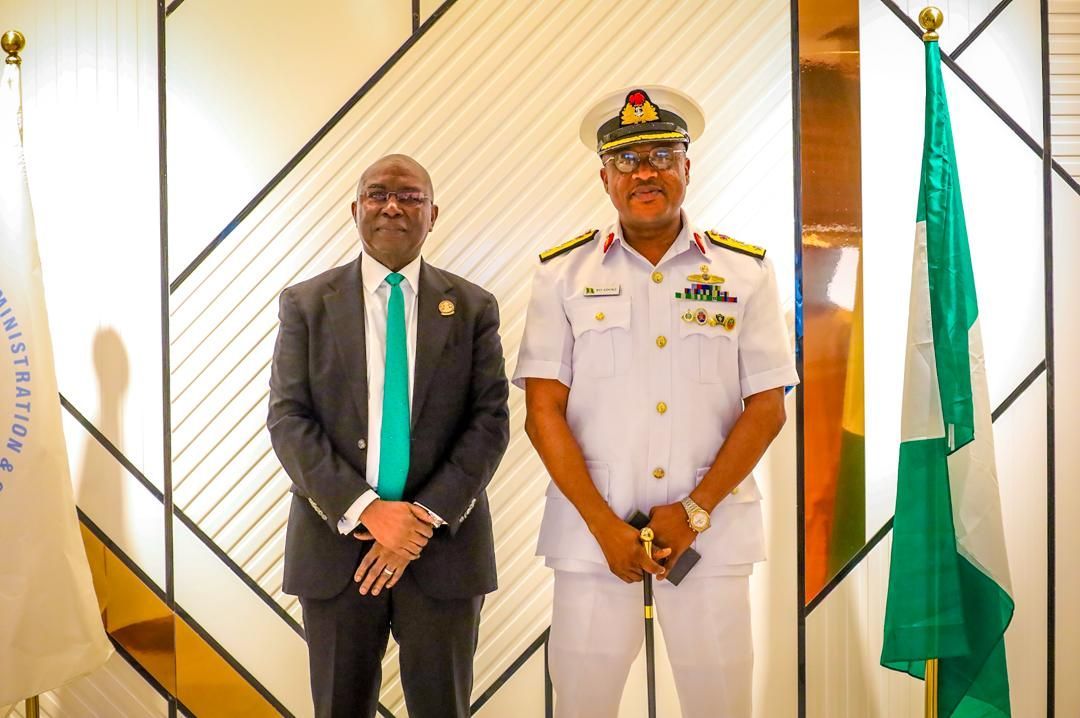
Commodore Adoki, a principal Warfare Officer specializing in communication and intelligence, brings onboard 25 years experience in the Nigerian Navy covering training, staff and operations.
Welcoming the new MGC Commander to the Agency, the Director General, Dr Dayo Mobereola, expressed confidence in Adoki’s addition to the team, emphasising that it will further strengthen the nation’s maritime security architecture given his vast experience in the industry.
The Maritime Guard Command domiciled in NIMASA was established as part of the resolutions of the Memorandum of Understanding (MoU) with the Nigerian Navy to assist NIMASA strengthen operational efficiency in Nigeria’s territorial waters, especially through enforcement of security, safety and other maritime regulations.
Customs
Customs collects N1.585 trillion from 51 compliant traders under AEO programme

-

 Headlines3 months ago
Ex-NIWA boss, Oyebamiji, emerges most media-friendly CEO in maritime industry
-

 Headlines3 days ago
FIFA sends Nigeria’s Super Eagles to 2026 World Cup, awards boardroom scoreline of 3 goals to nil against DR Congo
-

 Headlines3 months ago
MARAN pulls industry’s stakeholders to unveil its iconic book on Maritime industry.
-

 Customs3 months ago
How Comptroller Adenuga is raising revenue profile of Seme command, facilitating regional trade.
-

 Headlines3 months ago
Ondo govt inaugurates former NIMASA Director, Olu Aladenusi, as Special Aide on Marine and Blue Economy
-

 Headlines3 months ago
Nigeria showcases readiness for compliance with IMO decarbonization policy at Brazil conference