
Headlines
Over 50 percent of women seafarers suffer bullying and harassment— study

|
Little has changed for the picture of bullying and harassment for those working at sea since 1995 with it remaining a challenge for the maritime industry, particularly among women. A review of the problem of bullying and harassment in a scientific article by Cecilia Österman and Magnus Boström at Kalmar Maritime Academy at Linnaeus University showed that not much had changed since the first study on the topic back in 1995. The article “Workplace bullying and harassment at sea: A structured literature review”, published in Marine Policy covers a systematic review of published scientific literature on bullying and harassment at sea. The article found that between 8% and 25% of all seafarers were subject to bullying and harassment at work, a figure that rises to over 50% for women seafarers. “Even though research on bullying and harassment at sea is receiving more attention, there is a general need for future research, and intervention studies in particular,” said Boström. It was noted that seafaring is characterised to a large extent by insecure employment – most crews work on contracts, high workloads, and the sometimes contradictory requirements to work both efficiently and safely. Seafaring also has the added dimension of living within the confines of the place of work.
“One factor that contributes to the fact that the maritime industry is particularly at risk of workplace bullying and harassment is the fuzzy boundaries between work and private life on ships where the crew work and live together, often for long periods at a time. This makes it even more important to have well-functioning leadership and interpersonal relationships in the social environments,” Österman explained. In an industry that already struggles to find new recruits and faces a shortage of skilled labour in future, there is a need to address working conditions and culture onboard vessels. “We must ask ourselves new types of questions to gain better and deeper insights about the work conditions on board,” the authors said. “Considering the predicted future shortage of qualified people for the maritime industry, measures are needed to improve the recruitment of new personnel and to retain existing staff. This is about protecting seafarers from bullying and harassment and safeguarding the well-being of all people at sea regardless of age, gender, ethnicity or sexual orientation.” |
|

Headlines
NIWA partners ICPC to strengthen internal transparency in its operations

Headlines
Navy appoints new Maritime Guard Commander for NIMASA
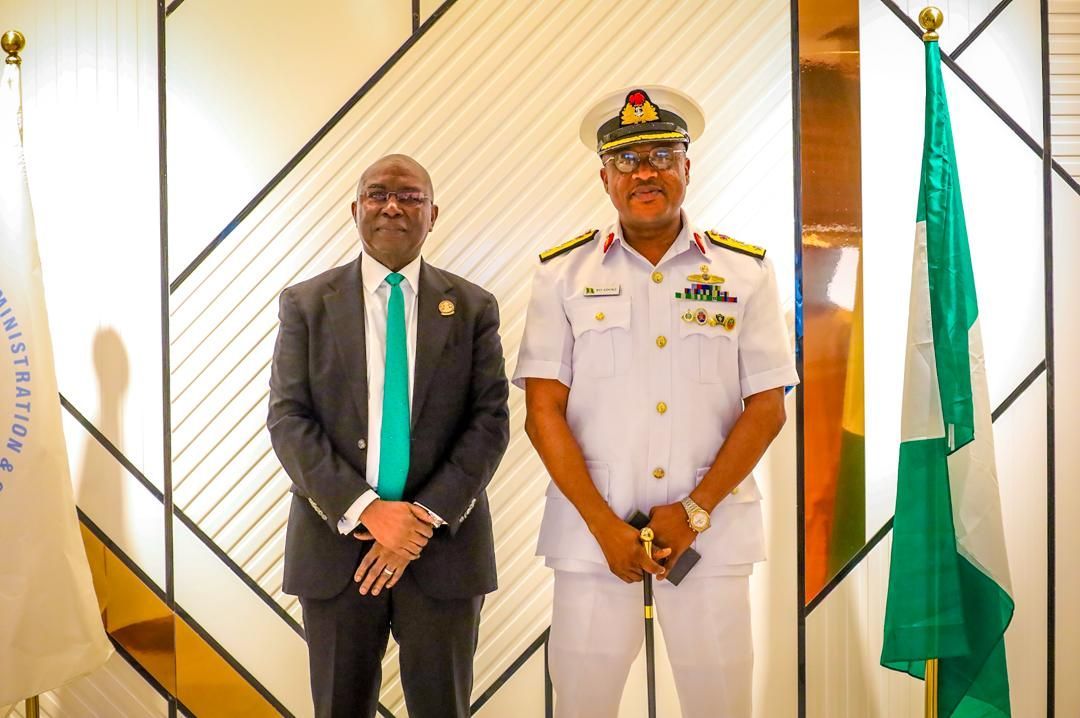
Commodore Adoki, a principal Warfare Officer specializing in communication and intelligence, brings onboard 25 years experience in the Nigerian Navy covering training, staff and operations.
Welcoming the new MGC Commander to the Agency, the Director General, Dr Dayo Mobereola, expressed confidence in Adoki’s addition to the team, emphasising that it will further strengthen the nation’s maritime security architecture given his vast experience in the industry.
The Maritime Guard Command domiciled in NIMASA was established as part of the resolutions of the Memorandum of Understanding (MoU) with the Nigerian Navy to assist NIMASA strengthen operational efficiency in Nigeria’s territorial waters, especially through enforcement of security, safety and other maritime regulations.
Customs
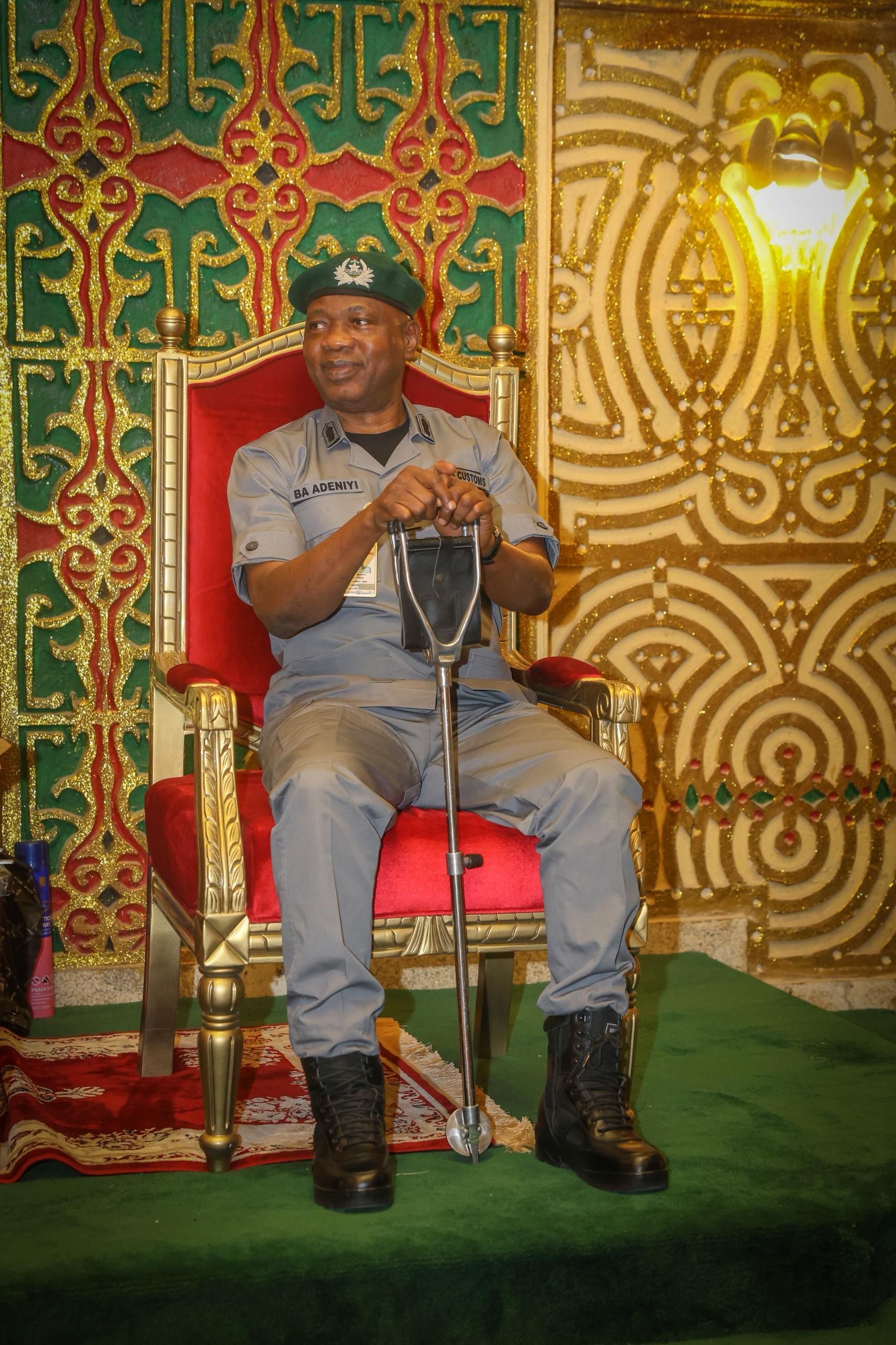
Customs collects N1.585 trillion from 51 compliant traders under AEO programme
-

 Headlines3 months ago
Ex-NIWA boss, Oyebamiji, emerges most media-friendly CEO in maritime industry
-

 Headlines4 days ago
FIFA sends Nigeria’s Super Eagles to 2026 World Cup, awards boardroom scoreline of 3 goals to nil against DR Congo
-

 Headlines3 months ago
MARAN pulls industry’s stakeholders to unveil its iconic book on Maritime industry.
-

 Customs3 months ago
How Comptroller Adenuga is raising revenue profile of Seme command, facilitating regional trade.
-

 Headlines3 months ago
Nigeria showcases readiness for compliance with IMO decarbonization policy at Brazil conference
-

 Headlines3 months ago
Ondo govt inaugurates former NIMASA Director, Olu Aladenusi, as Special Aide on Marine and Blue Economy