Headlines
Maritime truckers threaten to shut down port operations over attacks by hoodlums

-accuse NURTW, RTEAN, local council officials of extortion, harassment, maiming, murder of truck drivers( PHOTOS. Readers discretion is advised)
Funso OLOJO
The amalgamation of maritime truck operators has cried out for help and sought the urgent intervention of the federal government over what they described as intimidation, harassment, extortion and in extreme cases, maiming and killing of truckers by the hoodlums allegedly sponsored by the National Union of Road Transport Workers (NURTW,)Road Transport Employers Association of Nigeria (RTEAN) and some Local governments in Lagos state.

In a statement read at the press briefing Wednesday, August 28th, 2024 in Lagos, the aggrieved truckers lamented that the activities of these commuter transport unions have destabilized the trucking business while some truckers have abandoned the trade.
Speaking through Mohammed Sani Bala, the Secretary of the Association of Maritime Truck Owners (AMATO), who signed the statement, the harassed truckers lamented that their businesses are gradually collapsing as a result of the ceaseless attacks by the hoodlums
“We gather here today 28/08/2924 to draw the the attention of the Federal Government of Nigeria as a matter of urgency, to address the menace of hoodlums who are working under the name of commuter associations like National Union of Road Transport Workers (NURTW), Road Transport Employers Association of Nigeria( RTEAN) and some Local Governments that are threatening our lives, vandalizing our trucks, sabotaging our business and undermining Nigerian economy.

“As a result of the activities of these hoodlums across many roads and highways in Lagos State, our Drivers are being extorted, beaten, and killed.
“Our trucks are being vandalized and set ablaze by these hoodlums in an attempt to collect money from our drivers.
“They have caused the falling of many trucks carrying export and import goods worth billions of naira along Apapa/Tincan Ports corridor and ECOWAS corridor of Lagos Badagry express road where innocent citizens have been lost their lives including military and policemen thorough ghastly accidents induced by multiple checkpoints mounted by these hoodlums in their attempt to stop and extort Truck Drivers.
“Our business is collapsing. We can no longer put our trucks in good shape and comply with minimum safety standards due to endless attacks on our trucks by hoodlums

“Nigeria’s trade facilitation, ease of doing business in the ports corridors and seamless evacuation of cargoes to and from the ports are imploding under the activities of hoodlums who apart from unlawful extortion, truck vandalization, causing traffic gridlock, assaulting drivers and death, have nothing positive to contribute.
“The hostile transportation business environment created by these hoodlums is limiting the chances of Nigeria benefiting from the African Continental Free Trade Area ACFTA by discouraging foreign investors.
“Many logistics businesses are relocating from Lagos State due to the activities of these hoodlums. Our drivers are abandoning the driving profession due to daily harassment.

“We have written several letters to the Lagos State Government, the State Police Command and the DSS without any solution in view.

“Hence, our convergence here today is to let the federal government and the whole world know what we are going through and that enough is enough.
“We cannot continue to be working like elephant and be eating like ants.
“We cannot continue to labour for hoodlums to be collecting our hard-earned proceeds in this period of economic hardship coupled with the astronomical rise in the cost of trucking operations” the truckers groaned.
They therefore threatened that if nothing is done to address their problems, they would be left with no other option than to withdraw their services and disrupt port operations.

“On this note, if the Federal Government does not address the problem of hoodlums sabotaging our business, we are going to shut down port operations through withdrawal of our service until the Government addresses our challenges.

The truckers therefore urged the Federal Government to declare an outright ban on mounting roadblocks and checkpoints for toll collection on major highways in line with sections of the Taxes and Levies Act 2004 which prohibits any person, including a Tax Authority from mounting a Road block in any part of the Federation for the purposes of collecting any Tax or Levy.
They also wanted the government to warn Commuter Bus Associations and Local Governments in Lagos State to refrain from stopping, harassing and imposing/selling their tickets or interfering with anything trucks as we truckers do not dabble into any of their affairs.
In conclusion, the truckers prayed the Federal Government to stop hoodlums from vandalizing their trucks, beating and extorting their drivers on the roads.



Customs
MACI hails Customs’ anti-corruption framework, demands full implementation
Funso OLOJO, Editor
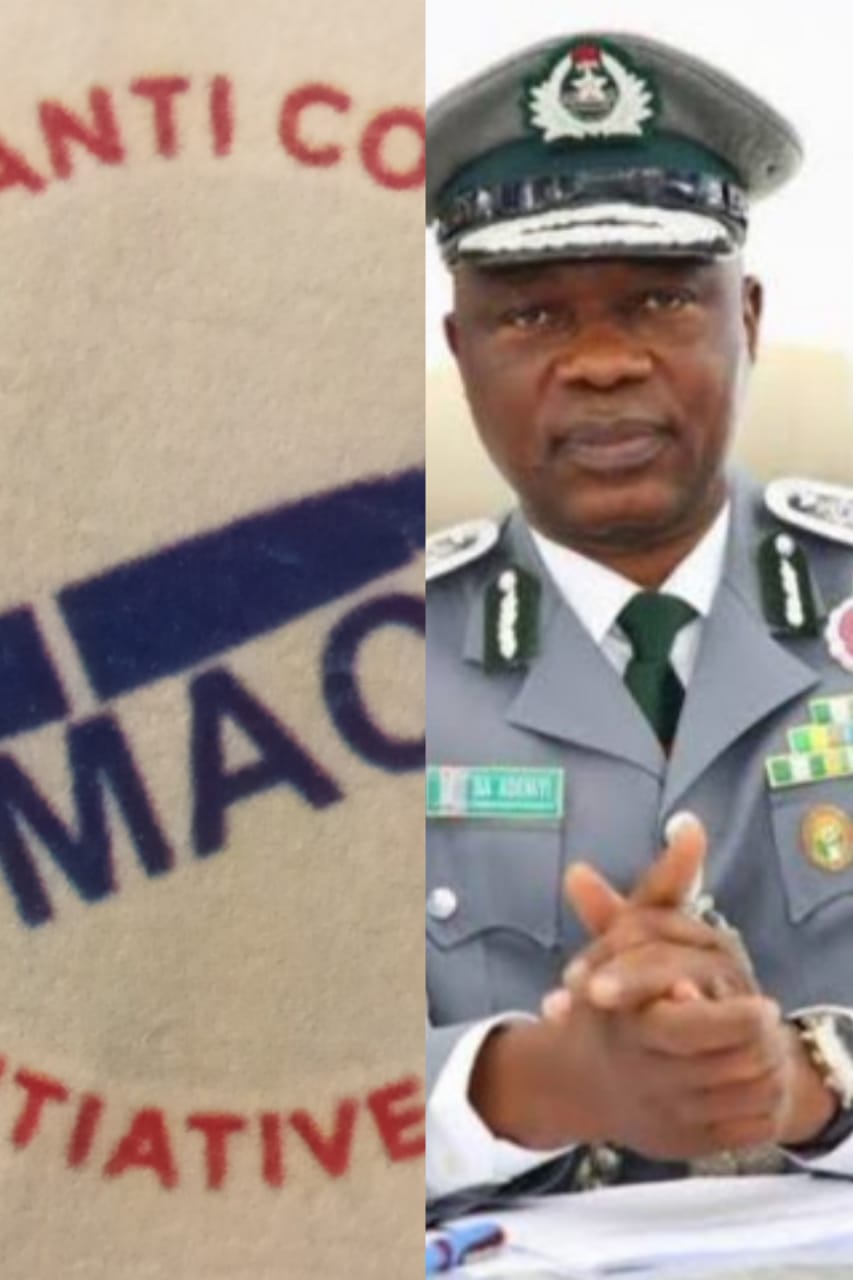
The Media Anti-Corruption Initiative (MACI) has applauded the Comptroller-General of Customs, Adewale Adeniyi, for introducing a comprehensive anti-corruption framework aimed at identifying institutional vulnerabilities, strengthening internal controls and promoting integrity across the operations of the Nigeria Customs Service (NCS).
The initiative, which MACI described as a significant milestone in the fight against corruption within the Service, is anchored on three key documents signed by the Customs chief: the Standard Operating Procedure (SOP) for Internal Corruption Risk Analysis and Mapping (ICRAM), the ICRAM Handbook and the Integrity Action Plan (IAP).
In a statement jointly signed by MACI President, Funso Olojo, and Project Coordinator, Lod Onyeji, the organisation described the development as a “pivotal moment in the fight against corruption within the Nigeria Customs Service.”
Mr Olojo, who commended the initiative of the Customs, noted that the stance of the agency on corruption is in alignment with the aims and objectives of MACI which is an advocate for corruption- free society.
The signing ceremony, held on October 6th, 2026, at the NCS Headquarters in Abuja, also witnessed the inauguration of the ICRAM Steering Committee, which is responsible for identifying, assessing and mapping corruption risks across the Service’s operations.
According to the statement, the framework represents a proactive institutional approach to tackling corruption by identifying vulnerabilities in Customs processes and establishing measures to prevent abuse of office, improve accountability and strengthen public confidence in the Service.
The Comptroller-General, Adeniyi, disclosed that the framework was developed in collaboration with the World Customs Organisation (WCO) and partner administrations, including His Majesty’s Revenue and Customs (HMRC) of the United Kingdom.
He explained that the documents provide practical guidance for Customs officers operating at seaports, land borders and airports, equipping them with procedures and controls designed to promote integrity, transparency and accountability in the discharge of their responsibilities.
MACI noted that the introduction of the framework followed a pilot programme conducted across seven Customs Commands and Units, covering 66 processes spanning regulatory activities, core Customs operations and support functions.
The exercise culminated in the development of a comprehensive Integrity Action Plan containing 101 action items and 295 sub-actions designed to address identified corruption risks and strengthen institutional safeguards.
Key measures outlined in the plan include increased automation and improved audit trails, stronger supervisory mechanisms, clearer accountability structures, effective segregation of duties, regular staff rotations and targeted training programmes.
The framework also seeks to strengthen controls governing interactions between Customs officers and stakeholders, an area considered critical to reducing opportunities for corrupt practices and improving compliance with established procedures.
MACI commended the Customs leadership for adopting a risk-based approach to corruption prevention, noting that identifying and addressing institutional weaknesses before they are exploited is essential to building a transparent and accountable public institution.
The organisation, however, stressed that the effectiveness of the initiative would ultimately depend on the consistent implementation of the prescribed measures across all commands and operational units of the Service.
It therefore urged Customs management, officers, stakeholders and relevant partner institutions to support the full implementation of the framework to ensure that the initiative delivers measurable improvements in institutional integrity.
MACI expressed confidence that effective implementation of the ICRAM framework and Integrity Action Plan would strengthen internal controls, reduce corruption risks, promote ethical conduct and enhance public trust in the Nigeria Customs Service.
The organisation emphasised that the new framework should not merely remain a collection of policy documents but should translate into tangible changes in operational practices, staff conduct and the overall culture of accountability within the Service.
Headlines
NIMASA flaunts automation process of Nigerian ship registry at 2- day webinar with stakeholders
Funso OLOJO Editor
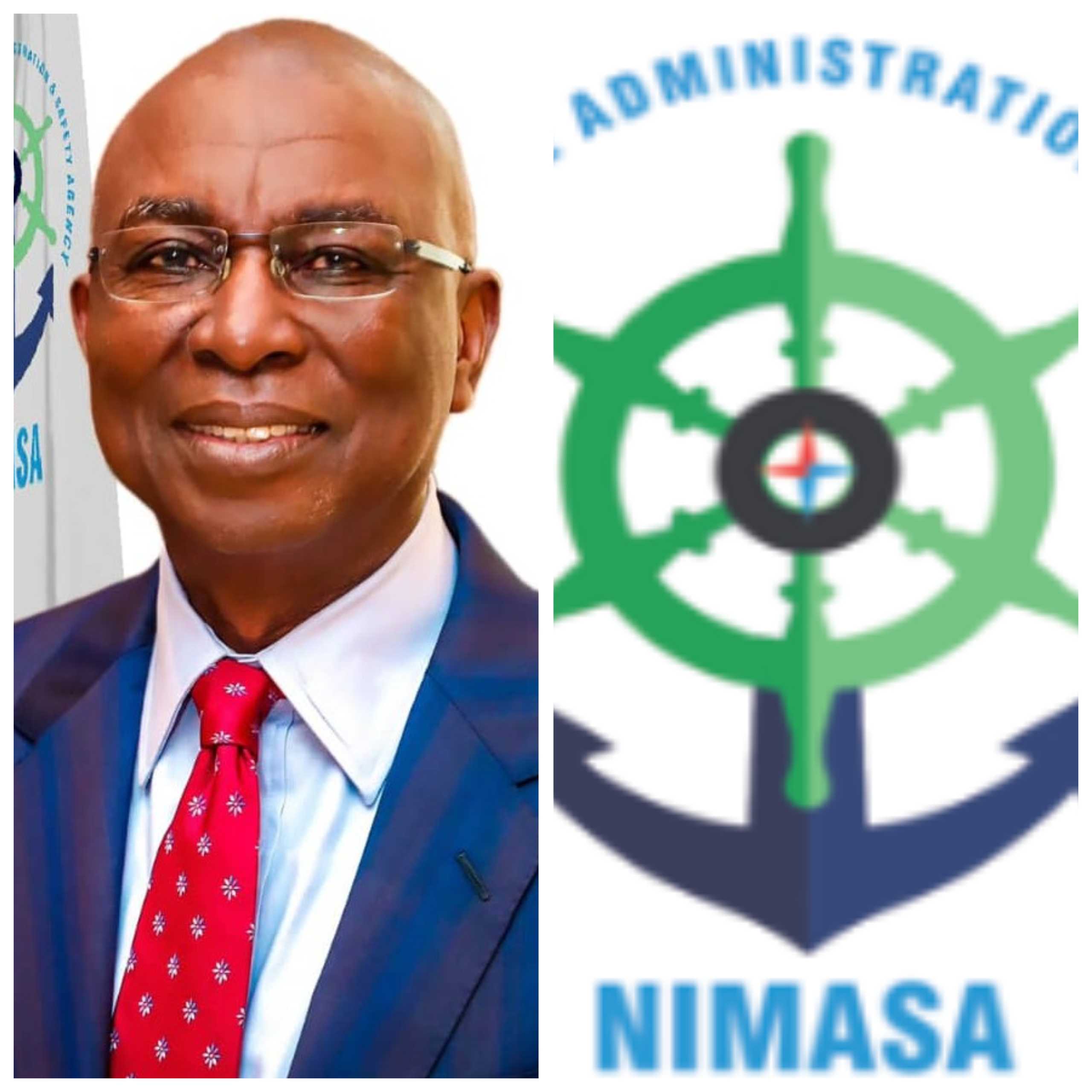
The Nigerian Maritime Administration and Safety Agency (NIMASA) will host a two-part stakeholder webinar on October 6 and 8, 2026, to showcase the ongoing automation of the Nigerian Ship Registry as part of efforts to modernise ship registration services and enhance the competitiveness of the Nigerian flag.
The webinars will provide shipowners, operators, maritime professionals, financial institutions, insurers and other stakeholders with insights into the new digital registration platform and its potential to significantly improve the speed, transparency and efficiency of ship registration and related services.
The automated system is designed to enable 24/7 access to registration services, streamline application and approval processes, and facilitate faster issuance of electronic certificates, thereby reducing administrative delays associated with conventional paper-based procedures.
A key feature of the platform is its capacity to provide secure, real-time tracking of ship mortgages and related registry transactions. This will strengthen transparency and provide greater visibility for stakeholders, including financial institutions and other parties involved in vessel financing.
The automation initiative is also expected to make interaction with the Nigerian Ship Registry more seamless for local and international shipowners, while improving the Agency’s ability to deliver efficient, responsive and globally competitive flag-state services.
Speaking on the initiative, the Director-General/Chief Executive Officer of NIMASA, Dr Dayo Mobereola, said the automation of the Ship Registry was part of the Agency’s broader commitment to transforming the Nigerian flag and creating an enabling environment for increased participation in the global shipping industry.
“The automation of the Nigerian Ship Registry represents a significant step in our commitment to providing efficient, transparent and globally competitive services to shipowners and other maritime stakeholders.
“Our objective is to make the Nigerian flag more accessible, responsive and attractive through technology-driven processes that meet international standards,” Mobereola declared.
The ongoing user-testing phase is focused on validating the platform’s functionality, security and user experience ahead of its official deployment.
NIMASA said the webinars would also provide an opportunity for stakeholders to understand the platform, experience its key features and provide feedback as the Agency moves towards full implementation.
The Agency is inviting shipowners, ship managers, maritime professionals, financial institutions, insurers, legal practitioners, classification societies and other interested stakeholders to participate in the webinars.
Headlines
NRC joins global community to celebrate customers’ loyalty
Funso OLOJO, Editor
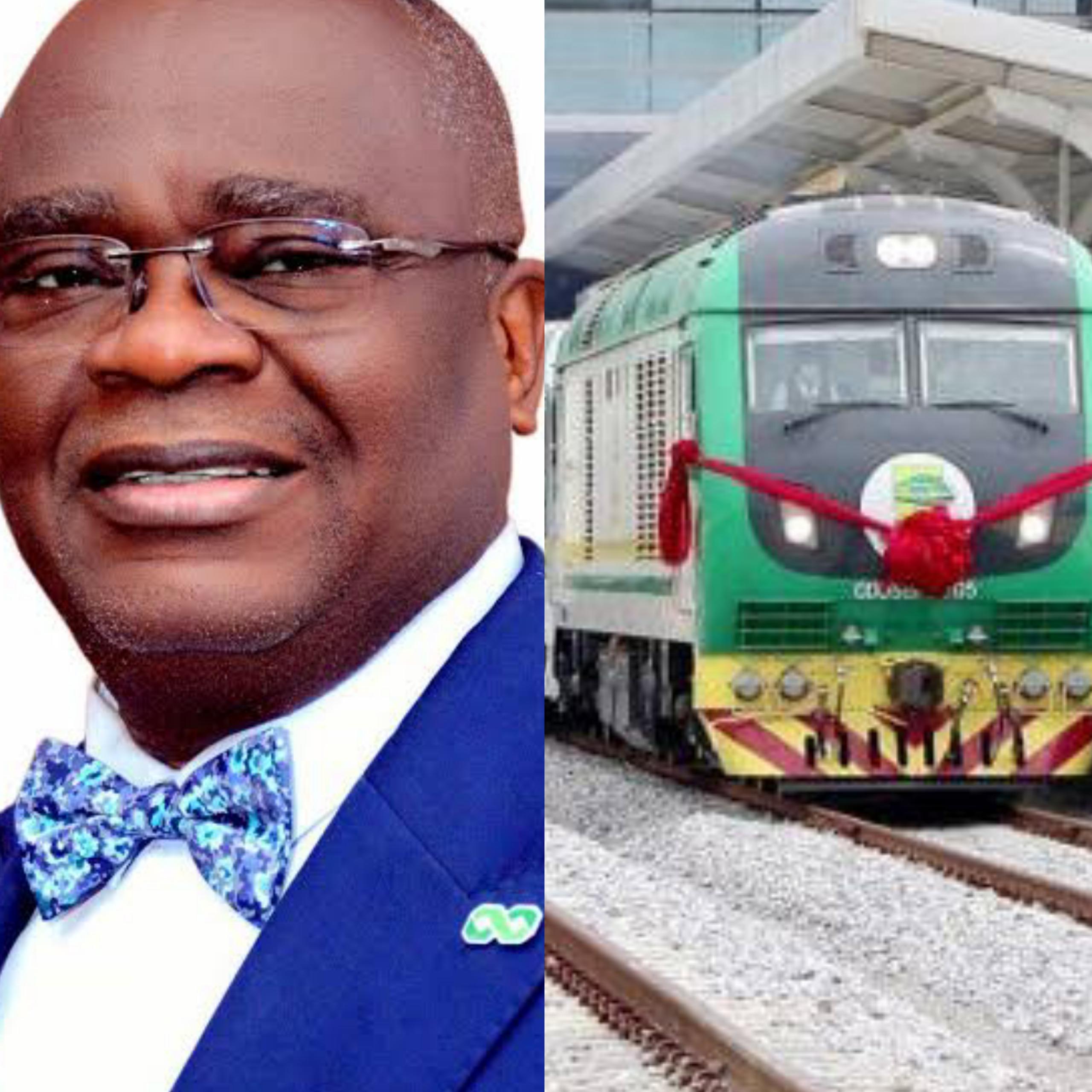
For the first time in its 128 years of existence, the Nigerian Railway Corporation(NRC) joins the global community to commemorate 2026 Customer Service Week from October 5 to 9, with a renewed commitment to putting passengers at the centre of its operations.
The week, being celebrated under the theme, “The Extra Mile,” marks a significant milestone for the 128-year-old Corporation, which is observing Customer Service Week for the first time in its history.
For the NRC, the celebration goes beyond appreciating its passengers. It is also an opportunity to recognise employees who have demonstrated exceptional commitment to service delivery while reinforcing a culture of customer-centricity across the Corporation.
The initiative is in line with the vision of the Managing Director of the NRC, Dr. Kayode Opeifa, who has consistently emphasised the need to place passengers at the heart of the Corporation’s operations and improve their overall travel experience.
Opeifa said the experiences of the Corporation in recent times had further underscored the importance of listening to customers and responding more effectively to their needs.
“Customers are at the heart of everything we do. Their feedback, trust and partnership challenge us to keep improving and delivering value every day.
“Customer Service Week is an opportunity to recognise that relationship and remind ourselves that great service must go beyond expectations,” he said.
According to the NRC, the theme, “The Extra Mile,” reflects the changing expectations of modern train passengers and the need for service providers to go beyond routine obligations.
Going the extra mile, the Corporation noted, could mean listening more attentively to passengers, resolving complaints more quickly, providing clearer and timely information, anticipating customer needs, simplifying processes or demonstrating empathy when it matters most.
The NRC said the commitment would apply across all its operational areas nationwide, with emphasis on providing passengers with a consistent, responsive and dependable experience regardless of where or how they interact with the Corporation.
The Corporation also pledged to strengthen its customer-feedback mechanisms and establish a closer link between passenger insights and continuous improvements in service delivery.
It said its objective was to ensure that exceptional customer service becomes an everyday practice rather than an activity reserved for Customer Service Week.
“Every interaction presents an opportunity to listen better, respond faster, show genuine care and create greater value for our customers,” the Corporation stated.
For the NRC, therefore, “The Extra Mile” is more than a theme for a week-long celebration. It represents a commitment to making every passenger interaction count and ensuring that customers enjoy a safer, more responsive and rewarding experience throughout their journey on Nigerian trains.

 Customs3 months ago
Customs releases final recruitment list for ASC II, ends nearly one-year wait for applicants
- Headlines3 months ago
As NRC recovers ₦200m stolen railway assets, Opeifa vows diligent prosecution of suspects
- Customs3 months ago
Customs launches MIS file tracker at PTML in fresh digitalisation drive
- Customs2 months ago
Apapa Customs sets new record of monthly revenue haul with ₦323bn collection in July
- Customs2 months ago
Apapa Customs sets new single-day revenue record with ₦28.1bn collection
- Headlines1 month ago
Oyetola presents three-year score card as blue economy industry revenue hits ₦1.83trn