Funso OLOJO
In a few years to come, trains will be run on Compressed Natural Gas(CGN) that will replace the diesel – powered train engines in the country.
This revolution, which is part of the silent reforms in train services initiated by the Nigerian Railway Corporation( NRC) under the dynamic leadership of Dr Kayode Opeifa, is a fall out of the recently signed Memorandum of Understanding(MoU) between the Corporation and the Presidential Initiative on Compressed Natural Gas (PI-CNG).
The conversion of diesel- powered engines to CGN – powered train engines, is meant to cost costs and engender efficiency in rail services in Nigeria.
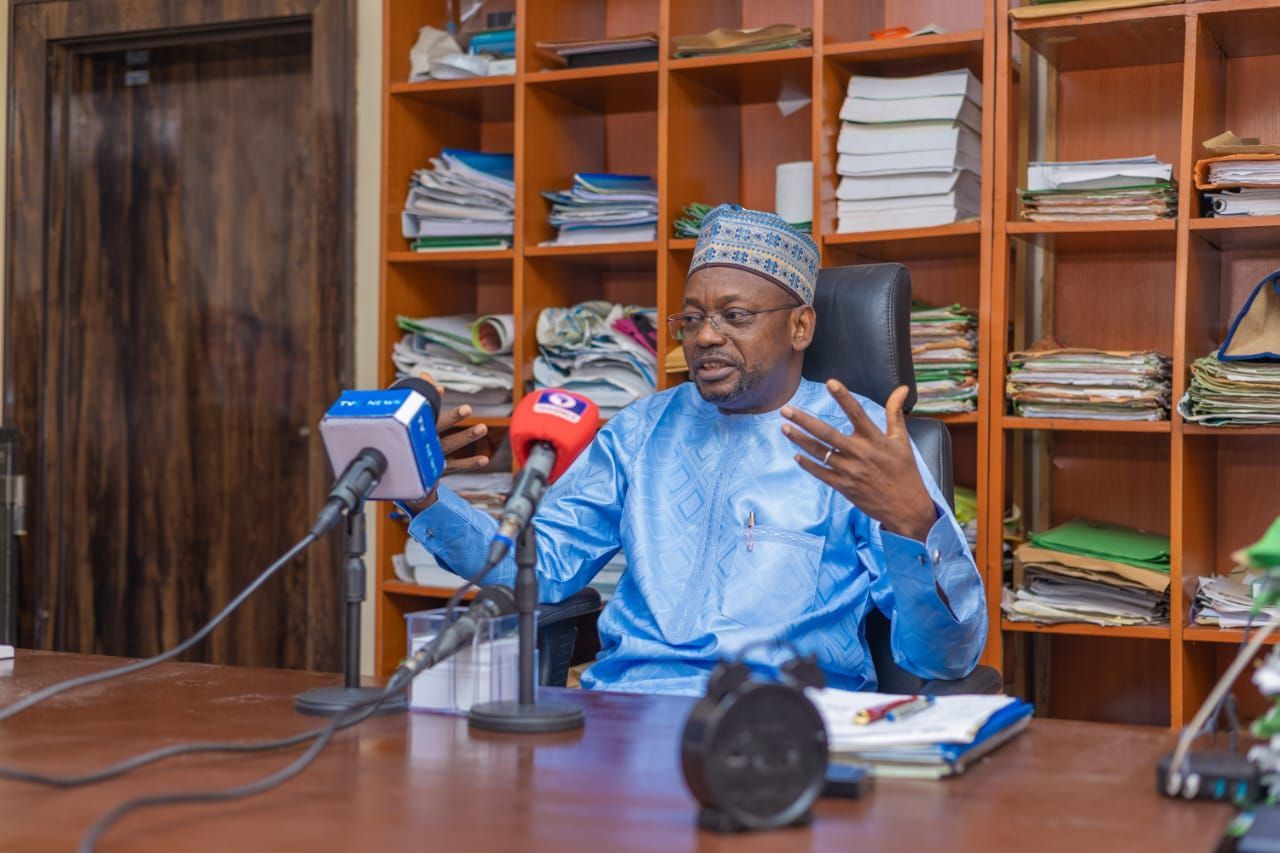
Making this disclosure during an interview with a National Television on Monday, June 2nd, 2025, Dr Kayode Opeifa, the Managing Director of the Nigeria Railway Corporation (NRC), noted that the partnership will help reduce diesel dependence and operational costs.
He noted that diesel remains the major cost burden for the NRC, used for engines, stations, and other facilities.
The collaboration, according to him,will involve converting diesel engines to CNG-compatible engines, and training young Nigerians through the NRC’s training school in various technologies, including CNG conversion.
Opeifa said this will lead to nationwide deployment of CNG stations and facilities, as well as CNG-powered trains.
He further noted that the ongoing reforms in the railway system are yielding positive results, with more Nigerians now taking advantage of rail services across various states.
Opeifa believed that the rail system is being revitalized to serve the economic and social integration needs of the country.
He recounted the challenges the NRC has faced, including recurring washouts due to weather conditions and vandalism, but maintained that the rail sector is being repositioned to play a major role in reducing transport costs and improving national logistics.
He revealed that the NRC had earlier been operating between areas such as Apapa, Moniya, and Ilorin, and had plans to extend to places like Minna and Kaduna.
However, these plans were affected by the washouts and other disruptions.
“Despite this, states such as Plateau and others such as Lagos, which has introduced the Red Line, are already benefitting from the track access programme, which allows idle tracks to be optimized for logistics use.
Dr. Opeifa disclosed that cargo is now being moved efficiently from Lagos to other parts of the country, with private logistics companies showing increasing interest.
He cited the example of the AKK gas pipeline project, noting that the pipes used were transported by rail from Warri Port to various locations, including Kaduna and Kano.
He described the development as a “railway cargo revolution,” aimed at optimizing the rail system for the benefit of Nigerians.
According to him, the railway’s contribution to the GDP is becoming more noticeable, especially in the reduction of transportation costs and, indirectly, prices of goods in the country.
The NRC boss commended the capacity and resilience of Nigerian railway engineers, describing how they had restored broken-down engines on the Warri-Itakpe Train Service (WITS), within three days, despite tough working conditions.
He emphasized the need to showcase this capacity and expand it beyond the rail sector.
Opeifa said the vision is to have a railway system that facilitates economic, regional, and social integration.
He added that if the transport sector’s contribution to GDP reaches at least 6%, it would drive national development and poverty alleviation through lower transportation and logistics costs.
Highlighting practical examples, he spoke of commuters who save up to 50% in travel costs using the rail system.
Some passengers, he said, travel from Bayelsa to Port Harcourt, board a train to Abuja, and continue their journey north — all with a single ticket, making it both affordable and efficient.
He also mentioned the newly operational Port Harcourt–Aba line, which is already boosting trade and commerce.
Traders are now commuting daily to buy goods and return the same day, thanks to the efficiency of rail services.
Opeifa assured that Enugu and other regions are also part of the expansion plans, with significant investment already committed to infrastructure and modern stations.
He expressed optimism that in the next two to four years, trains would reach almost every part of Nigeria.
On the issue of vandalism, he decried the frequent attacks on railway assets, especially in the North Central region.
He stressed that rail infrastructure is a national asset and must not be treated as scrap.
Tampering with the rail lines, he warned, could cause accidents and loss of life.
Opeifa concluded by urging Nigerians to support the federal government’s rail revolution, assuring that more announcements and projects will roll out in the coming months.
He said the NRC is determined to provide rail services that are accessible, affordable, and beneficial to all Nigerians.




 Headlines3 months ago
 Headlines4 days ago
 Headlines3 months ago
 Customs3 months ago
 Headlines3 months ago
 Headlines3 months ago