Headlines
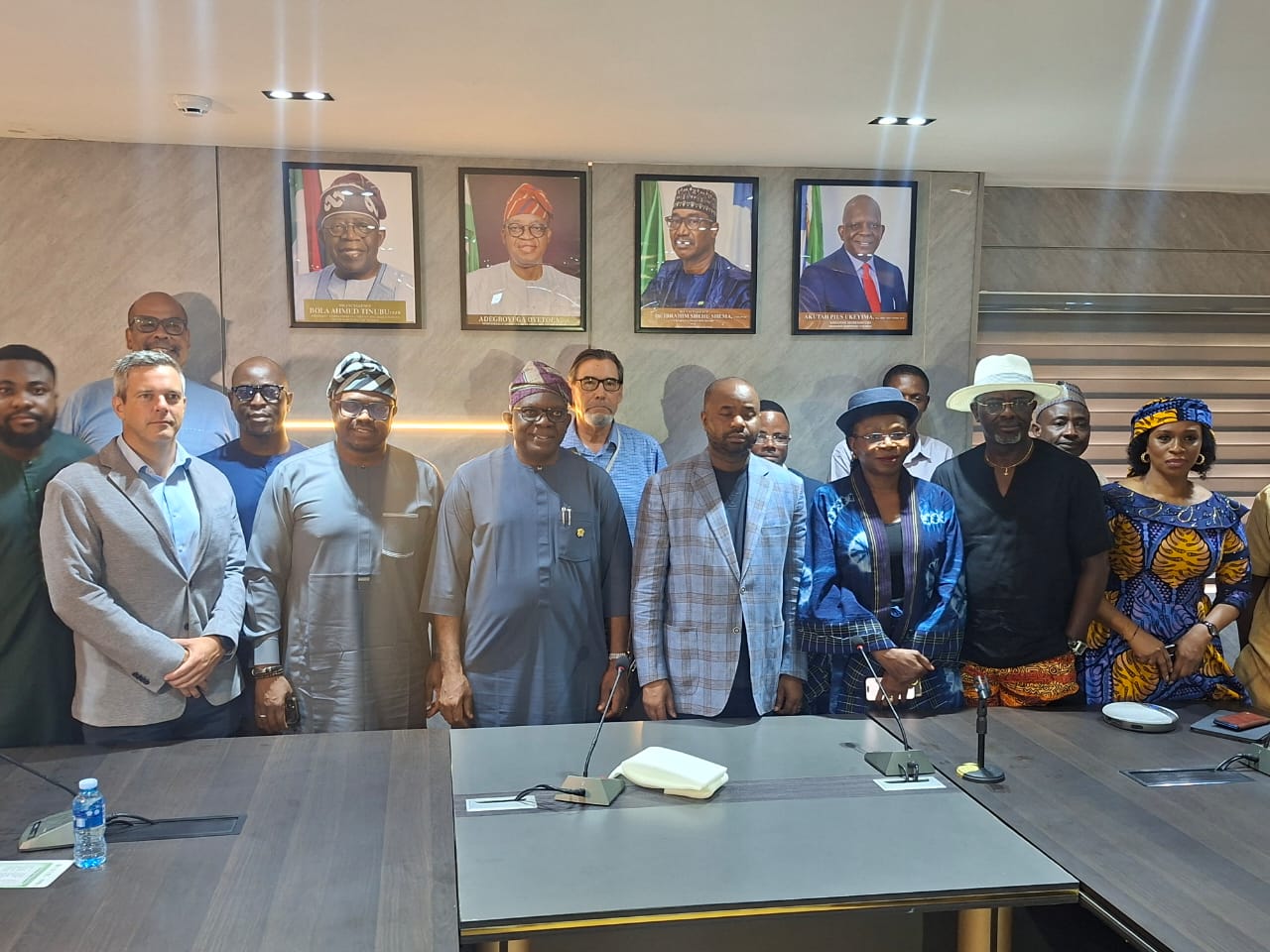
NSW committee seeks NSC intervention over duty waivers for importers

Headlines
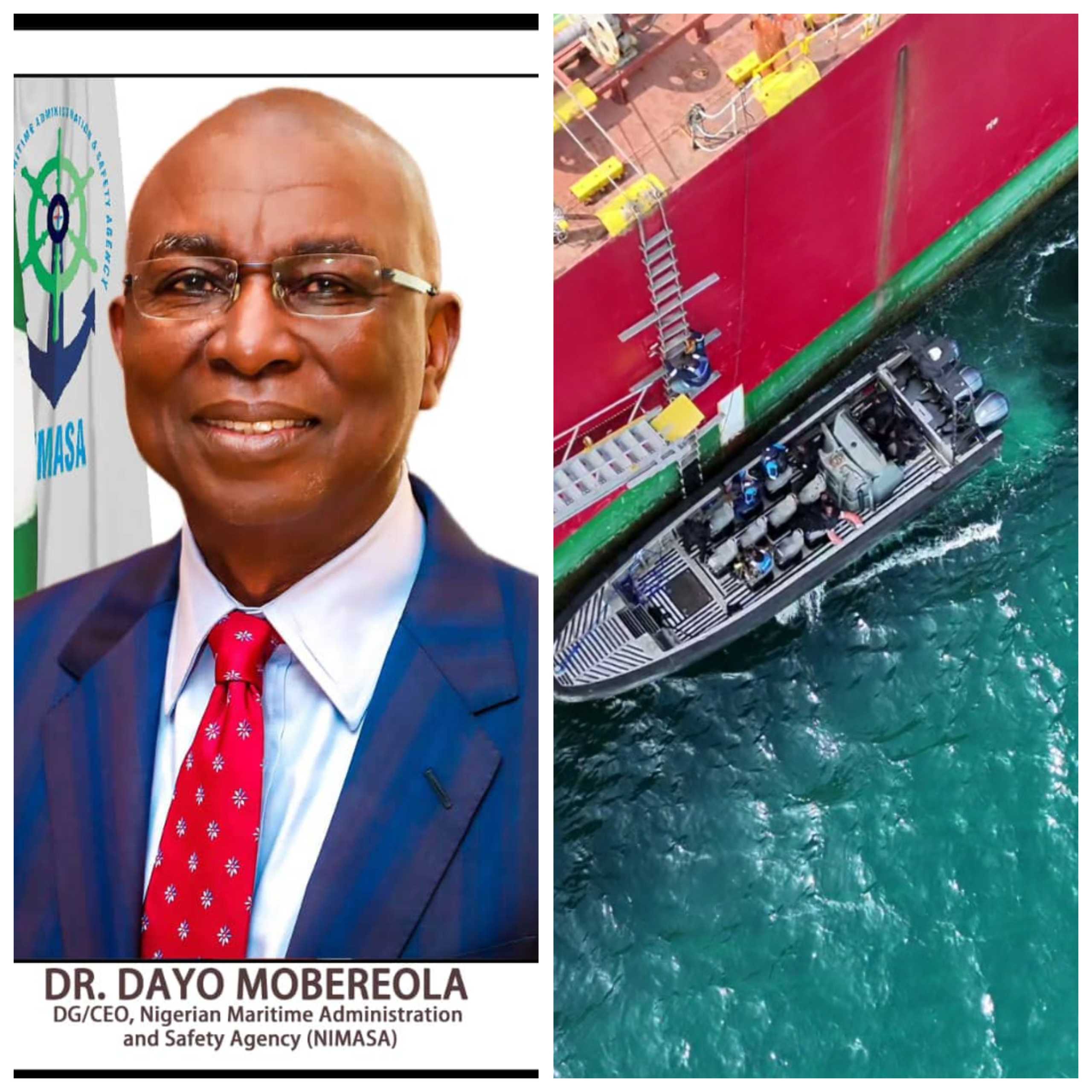
NIMASA goes tough on Cabotage defaulting operators, arrests four non- compliant vessels, promises tougher sanctions
Funso OLOJO, Editor
The Nigerian Maritime Administration and Safety Agency (NIMASA) has intensified its enforcement of Nigeria’s Cabotage regime, detaining several vessels over alleged regulatory infractions in the Lagos maritime domain.
The vessels, identified as MT Holmes, MT Fujairah Energy, JS Gratitude and MT Bora, were apprehended during a targeted enforcement operation codenamed Operation Sea Guardian, launched to strengthen compliance with Nigeria’s maritime laws and indigenous participation requirements in coastal shipping.
Some of the detained vessels have since been released after regularising their respective infractions, while the enforcement drive underscores NIMASA’s renewed determination to ensure that operators comply with applicable maritime regulations.
The operation was designed to verify compliance with Cabotage obligations, assess adherence to applicable surcharges and levies, and ensure that vessels operating within Nigerian waters meet statutory requirements.
To achieve these objectives, NIMASA deployed assets under the Deep Blue Project to track, board, inspect and verify vessels identified through intelligence reports, surveillance profiling and other compliance indicators.
The operation also involved coordinated efforts by NIMASA enforcement personnel, the Nigerian Navy, the Maritime Guard Command and C4i intelligence personnel, reinforcing inter-agency collaboration in maritime law enforcement.
According to the Agency, the operation adopted an intelligence-driven approach to identify vessels considered to have a high likelihood of defaulting on Cabotage obligations.
The identified vessels were prioritised for further scrutiny and incorporated into a broader Target Bank established during an earlier enforcement operation.
The Target Bank serves as a consolidated repository of vessels of interest, providing a strategic reference for planning subsequent enforcement activities and enabling the Agency to concentrate operational resources on high-risk targets.
Reacting to the development, the Director-General of NIMASA, Dr. Dayo Mobereola, said the Agency would sustain and intensify such operations to compel compliance with the country’s maritime laws.
He warned that operators who disregard the provisions of the Cabotage Act and other applicable regulations would face the full consequences of the law.
“We had earlier served notice of enhanced enforcement of indigenous participation in our coastal and inland trade, and this is exactly what we are doing.
“It is therefore in the interest of operators to ensure total compliance because defaulters will be visited with stiff sanctions in line with the law,” Mobereola said.
The Director-General’s warning signals a tougher enforcement posture by NIMASA as the Agency seeks to strengthen indigenous participation in Nigeria’s coastal and inland shipping trade.
The operation also follows a marine notice issued by NIMASA on August 26, 2026, in furtherance of its statutory mandate to promote the development of indigenous capacity in international and coastal shipping.
The notice restated the conditions governing participation in Cabotage trade and warned vessel owners, shipping companies, operators, charterers and other stakeholders against violating the Cabotage Act or any applicable requirements.
It further made clear that violations would attract appropriate enforcement action by the Agency in accordance with the law.
By combining intelligence-led surveillance, coordinated maritime patrols and targeted inspections, NIMASA is seeking to close compliance gaps and strengthen oversight of vessels operating in Nigerian waters.
The sustained enforcement of the Cabotage regime is also critical to protecting opportunities for Nigerian shipowners and operators, encouraging investment in indigenous shipping capacity and ensuring that the country’s coastal trade contributes more effectively to national economic development.
With Operation Sea Guardian, NIMASA has reinforced its position that compliance with Nigeria’s maritime regulations is mandatory, warning that operators who fail to regularise their activities risk detention and other statutory sanctions.
Headlines
LASWA: Where innovation meets People

John Alabi
Lagos State Deputy Governor, Dr Obafemi Hamzat, recently struck a chord at an event in Lagos when he emphasised that scaling up innovation to empower the people remains a critical pathway to sustainable development.
Innovation itself may not be a challenge for leaders across Nigeria’s economic and political landscape.
The real test, however, lies in translating promising ideas into tangible outcomes that improve the welfare, prosperity and happiness of the people.
This is the very essence of people-centred governance and a fundamental pillar of national development.
In a littoral state like Lagos, where waterways remain an important economic asset, the Lagos State Waterways Authority (LASWA) has evolved beyond the conventional role of regulation and compliance.
Under Damilola Emmanuel leadership, the agency is increasingly positioning itself as a strategic bridge connecting underserved waterfront communities to economic opportunities, improved mobility and broader socioeconomic development.
As Lagos prepares for another political transition in 2027, the LASWA experience offers an important perspective on how purposeful innovation can bring previously overlooked communities into the mainstream of the state’s development agenda.
LASWA’s vision in this regard is neither whimsical nor accidental. It reflects a deliberate effort to empower littoral communities beyond the traditional movement of people and goods, integrating them into a broader governance and economic framework capable of unlocking new opportunities for livelihoods, commerce, tourism and investment.
So, what exactly does LASWA do, and how is it redefining the relationship between waterways and community development?
First, the agency promotes safety on Lagos inland waterways through strategic regulatory measures designed to ensure that vessels operating on the state’s waterways meet established safety requirements.
Beyond this statutory responsibility, however, LASWA is increasingly demonstrating how effective water transportation planning can unlock other economic opportunities for communities situated along the state’s extensive network of waterways.
Through the leadership of Damilola Emmanuel, Special Adviser to the Lagos State Governor on Marine and Blue Economy, LASWA has continued to explore how water transportation can become a catalyst for broader socioeconomic transformation.
Emmanuel’s approach reflects a recognition that waterways are not merely routes for boats and ferries. Properly developed and connected, they can serve as corridors for commerce, tourism, employment generation and community integration.
Consider what LASWA has reportedly achieved through its mapping of Lagos’ littoral communities.
The agency has identified approximately 134 littoral communities across seven local government areas in the state’s three senatorial districts, with an estimated combined population of 502,002 residents.
Beyond the numbers, the exercise reveals an extensive network of communities whose economic potential could be significantly enhanced through improved transportation infrastructure, connectivity and targeted development initiatives.
In Lagos West, the mapping covers Amuwo-Odofin, Badagry and Ojo, with a combined 56 littoral communities and an estimated population of 290,987.
These communities represent a significant economic constituency whose proximity to waterways offers opportunities for commercial expansion, marine tourism, fisheries-related activities and other blue economy enterprises.
With the right infrastructure and policy support, this axis could become an increasingly attractive destination for investors and tourists, drawing on the kind of waterfront economic dynamism associated with established maritime cities such as New York and Venice.
In Lagos East, LASWA has identified 75 littoral communities across Epe and Ibeju-Lekki, with an estimated population of 187,018. Some of these settlements remain relatively underdeveloped, presenting opportunities for strategic interventions that could improve access to markets, expand local businesses and stimulate new economic activities.
The Lagos Central district, covering communities in Eti-Osa and Apapa, accounts for three identified littoral communities with an estimated population of 23,997.
Despite their proximity to important commercial and maritime centres, these communities also stand to benefit from improved connectivity and targeted investments capable of strengthening their economic participation.
Taken together, these figures point to the enormous development possibilities embedded in Lagos’ waterfront settlements.
They also reinforce the need to view water transportation as more than an alternative means of commuting.
It is a potential instrument for opening up new economic frontiers and connecting communities to the opportunities available across the state.
The significance of Lagos West is particularly noteworthy, given its substantial share of the mapped population.
Improved connectivity across this axis could strengthen access to employment, commercial activities and tourism, while creating new opportunities for investors seeking to participate in Lagos’ expanding marine and blue economy.
For Emmanuel, LASWA’s mandate extends beyond boats, engines and safety regulations.
It is also about building an institutional framework through which communities surrounded by water can participate more meaningfully in the state’s economic development.
This understanding is reflected in the identification of approximately 34 rural settlements described as “anchor littoral communities”.
According to the information provided by the agency, these communities have populations exceeding 5,000 residents and could benefit from improved access through water transportation initiatives.
Connecting such settlements to established commercial centres could improve access to markets, reduce mobility constraints and encourage economic activities that might otherwise remain limited by inadequate transportation infrastructure.
Similarly, LASWA has identified 64 feeder communities with varying population sizes, reportedly ranging from about 1,000 to more than 200,000 residents.
These settlements present additional opportunities for infrastructure development and economic linkages with inland communities and other urban destinations.
The identification of anchor and feeder communities is particularly important because it introduces a more structured approach to planning.
Rather than treating every waterfront settlement as an isolated location, the strategy creates room for a network of connected communities, with transportation routes supporting the movement of people, goods and services.
This is where the broader value of satellite settlements becomes apparent. By integrating communities that have historically faced limited access to essential economic opportunities, Lagos can expand the reach of development, encourage local enterprise and create new pathways to prosperity.
Ultimately, leadership must be measured by its impact on people’s lives.
It must deliberately connect welfare, economic empowerment and improved access to opportunities with a development agenda that enables communities to become productive contributors to the economy rather than passive recipients of government intervention.
One practical illustration of this approach is the reported connection between Ibeshe Jetty and Majidun.
The initiative provides an alternative route for ferry operations to bypass waterways affected by water hyacinth, potentially improving connectivity and creating additional travel options for residents.
Beyond its immediate transportation benefits, such interventions demonstrate how relatively targeted infrastructure solutions can address specific geographical challenges while opening up opportunities for tourism and other economic activities.
The experience also offers a glimpse into the possibilities of integrating environmental realities into transportation planning.
In communities where water hyacinth can disrupt navigation, alternative routes and carefully planned infrastructure can help sustain mobility and improve access.
Where, then, does the European Union- and Agence Française de Développement (AFD)-backed Omi Eko project fit into this development framework?
The initiative is designed to support the development of climate-smart water transportation in Lagos, with the potential to strengthen the state’s inland waterways system.
Its relevance extends beyond improving the efficiency of existing routes. It also raises the prospect of expanding connectivity and making water transportation more accessible to communities that have remained outside the mainstream of infrastructure development.
For the littoral communities identified by LASWA, the project’s broader promise lies in the possibility of connecting transportation planning with environmental sustainability, improved mobility and inclusive economic growth.
If effectively implemented alongside complementary infrastructure and community-focused policies, Omi Eko could help strengthen the foundations for a more integrated inland waterways network, allowing the benefits of improved transportation to reach a wider segment of Lagos’ population.
LASWA’s infrastructure development efforts provide another indication of this evolving agenda. Since 2023, seven jetties have reportedly been commissioned, while another 13 are under construction or awaiting commissioning.
These projects are significant not merely as physical structures but as potential gateways to economic participation.
A well-planned jetty can improve access to transportation, support local businesses, encourage tourism and make it easier for residents to connect with commercial centres.
The real measure of success, however, will be the extent to which these investments translate into safer journeys, reduced travel difficulties, stronger local economies and improved living conditions for the people who depend on the waterways.
As Lagos continues to explore the opportunities presented by its marine and blue economy, LASWA’s community-mapping initiative and infrastructure interventions offer a useful example of how innovation can be directed towards inclusive development.
The challenge ahead is to sustain this momentum through effective implementation, adequate maintenance, reliable ferry services, environmental protection and partnerships that encourage private-sector participation. Equally important is ensuring that the communities identified through the mapping exercise become active participants in the development process.
For Damilola Emmanuel and LASWA, the task is therefore much bigger than managing water transportation.
It is about demonstrating how an institution can use innovation, planning and connectivity to bring overlooked communities into the state’s socioeconomic development framework.
Lagos’ rivers, creeks and coastal waters have often been viewed primarily as geographical barriers or operational challenges.
With the right policies, investments and institutional commitment, however, these same waterways can become valuable assets for commerce, tourism, employment and community development.
That is the larger promise of LASWA’s evolving role: transforming waterways from obstacles into opportunities and connecting people not only to destinations, but also to the economic possibilities that lie beyond them.
In the final analysis, innovation achieves its greatest value when its benefits are felt by ordinary people. And where waterways meet purposeful leadership, the possibilities for inclusive growth in Lagos are considerable.
Commentaries
Choking in Apapa, idle in Calabar: Fixing Nigeria’s one-sided maritime system
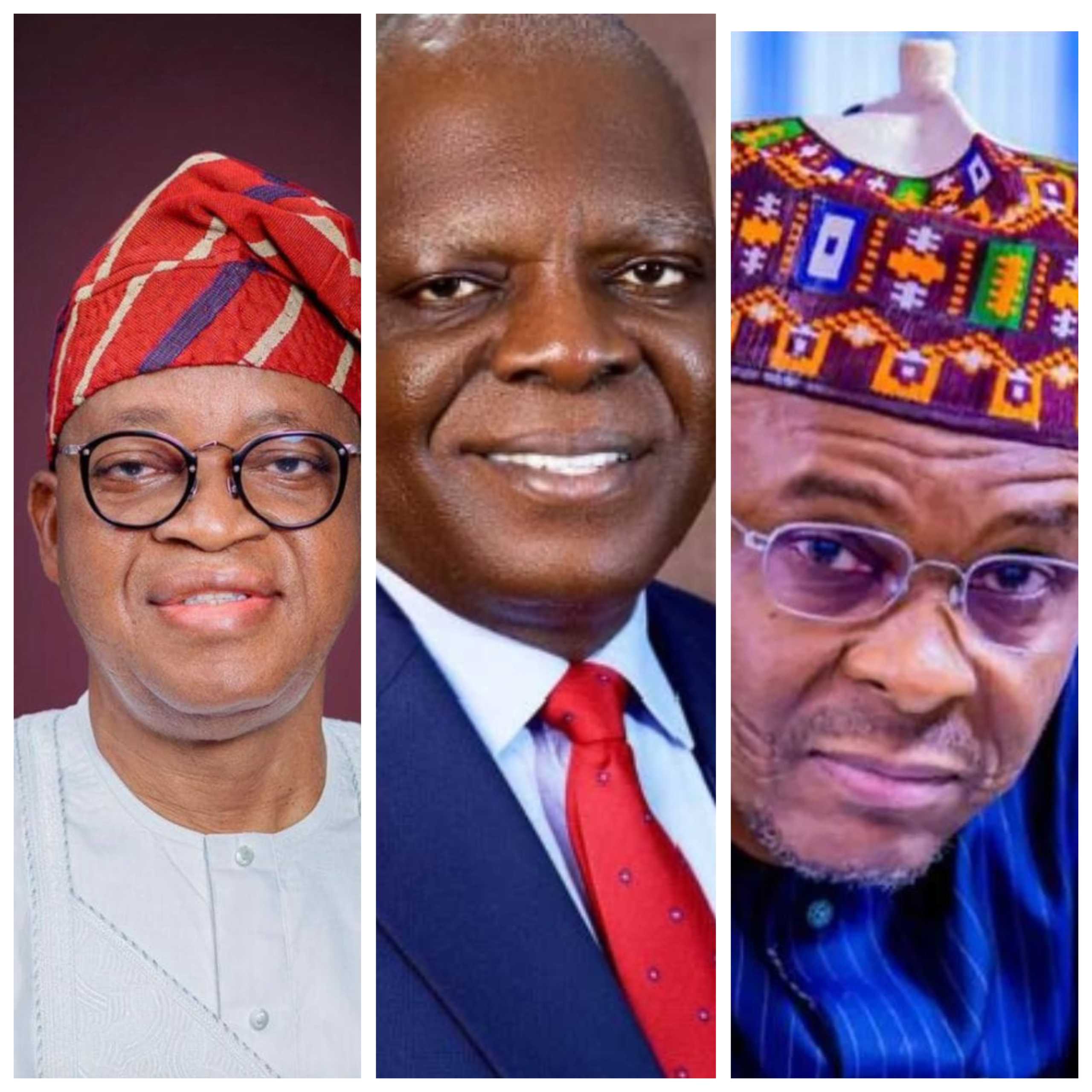
Monday Discourse with Ibrahim Nasiru
For decades, Nigeria has been doing something completely upside down with its maritime business
We have over 850 kilometers of beautiful coastline, yet we force almost all our international trade to squeeze through just two choked locations: Apapa and Tin Can Island in Lagos.
The result? Nightmare traffic jams, crazy demurrage fees, and local businesses dying because their goods are trapped at sea for weeks.
But from what we saw at the World Maritime Day celebration in Lagos, a real, common-sense change might finally be on the horizon.
The Minister of Marine and Blue Economy, Adegboyega Oyetola, laid out a very clear plan under the theme, “From Policy to Practice: Powering Maritime Excellence.” ,
He promised that the government is fully committed to modernizing ports outside Lagos—specifically Onne, Warri, and Calabar—while building new deep seaports in places like Ondo, Ibom, and Bonny.
He also unveiled a big drive to train young Nigerian sailors to global standards so they can compete for jobs anywhere in the world.
As an analyst who looks at the actual numbers, this is where we need to pay close attention.
The ministry has already scored some big wins. Getting the United States Coast Guard to lift its long-standing security restrictions on ships coming from Nigeria is a massive deal.
It means fewer delays, lower shipping insurance costs, and cheaper goods for ordinary Nigerians when those savings drop down the supply chain.
Also, moving our local fish production from 1.1 million to 1.4 million metric tonnes shows that things are actually moving.
However, during her keynote presentation at the event, maritime expert, Mrs. Mfon Ekong Usoro, hit the nail on the head.
She reminded stakeholders that Nigeria’s maritime future depends entirely on moving from sound paperwork to actual, visible results.
Let’s tell ourselves the home truth: the real success of Oyetola’s ministry will not be judged by the fine speeches or brilliant policies presented at luxury hotels.
It will be judged by how quickly we can break the monopoly of the Lagos ports.
Opening up the eastern and southern ports is no longer just a good idea; it is a matter of economic survival.
When you make Onne, Warri, and Calabar fully functional, you instantly bring life back to regional economies, create thousands of local jobs, and make things cheaper for tens of millions of citizens living outside the South-West.
But a port is completely useless if you cannot get goods out of it. You cannot run a modern port if you rely only on heavy trucks fighting broken roads.
Oyetola’s ministry must work hand-in-hand with the Ministry of Transport. We need to see working rail lines laid straight into the ports of Onne and Calabar, connecting them directly to Inland Dry Ports like Baro and Onitsha.
Also, the government must use the new Nigerian Ports Economic Regulatory Agency(NPERA) Act to completely crush the official corruption, crazy hidden charges, and delays that have historically scared international shipping lines away from our eastern ports.
The roadmap is there, and the international community is already noticing through the lifted US security restrictions.
Now, the federal government needs the political muscle to build the rail and road connections to back it up.
It is time to move from policy to practice, open up our eastern waterways, and let the whole country breathe.
Ibrahim Nasiru, a public affairs analyst, writes from Abuja

 Customs3 months ago
Customs releases final recruitment list for ASC II, ends nearly one-year wait for applicants
- Headlines2 months ago
Oyetola presents three-year score card as blue economy industry revenue hits ₦1.83trn
- Customs2 months ago
Apapa Customs sets new single-day revenue record with ₦28.1bn collection
- Customs2 months ago
Apapa Customs sets new record of monthly revenue haul with ₦323bn collection in July
- Customs3 months ago
Customs launches MIS file tracker at PTML in fresh digitalisation drive
- Customs3 months ago
NCS intercepts container concealing pump-action rifle parts, seizes ₦373.8m worth of cannabis products at Tincan Port