Uncategorized
Five passengers of crashed off- shore helicopter still missing as search and rescue operators pull out wreckage from Atlantic Ocean





Uncategorized
Dantsoho reiterates seamless integration of Inland Dry Ports into modern port system
—as NPA chief meets Dala, Funtua dry port executives, promises facility inspections
Funso OLOJO, Editor
The Nigerian Ports Authority (NPA) has reaffirmed its commitment to integrating Inland Dry Ports (IDPs) into Nigeria’s modern port system, with Managing Director, Dr. Abubakar Dantsoho, calling for infrastructure upgrades, stronger private sector investment and seamless digital connectivity across the country’s maritime logistics chain.
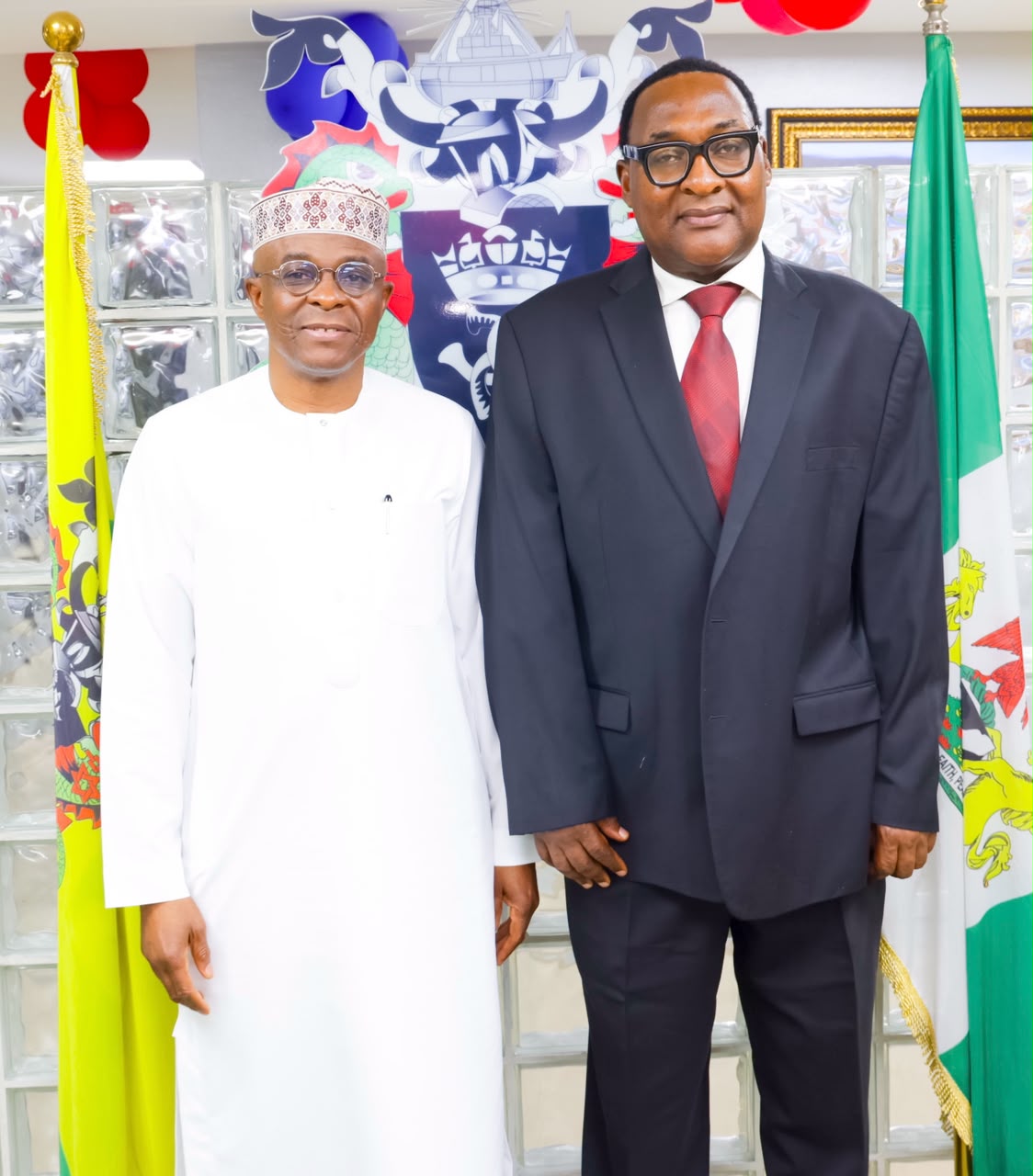
Dantsoho made this commitment when the NPA management received the Executive Director of Dala Inland Dry Port, Mr. Ahmad Rabiu, and representatives of Funtua Inland Dry Port at the Authority’s corporate headquarters in Marina, Lagos.
The meeting followed the directive of the Minister of Marine and Blue Economy, Adegboyega Oyetola, transferring operational oversight of Inland Dry Ports to the NPA, in a move aimed at strengthening coordination between the country’s seaports and hinterland cargo distribution centres.
The engagement focused on streamlining operations, improving institutional collaboration and advancing the Federal Government’s Ease of Doing Business agenda through a more efficient and integrated maritime logistics network.
Speaking during the meeting, Dantsoho stressed that the ongoing modernisation of Nigeria’s seaports must be matched by corresponding investments in inland port infrastructure and technical capacity to ensure that the entire cargo-handling system operates efficiently.
He specifically referenced the $1 billion loan facility secured for the comprehensive modernisation of Apapa and Tin Can Island ports, insisting that inland facilities must be upgraded to complement the improvements planned for the nation’s major maritime gateways.
“For our Inland Dry Ports to function at the same velocity as the ongoing modernisation across our seaports, we must proactively upgrade dry port infrastructure and technical capacity,” he said.
The NPA managing director further emphasised the importance of extending digital transformation beyond the seaports to inland cargo facilities, particularly as the Authority advances the deployment of the Port Community System (PCS) and the National Single Window.

According to him, dry ports must embrace modern equipment, improved cargo-handling systems and advanced technical capabilities to accommodate growing cargo volumes and support the efficient movement of goods between the coast and the hinterland.
He noted that the successful integration of inland facilities into the national port system would require coordinated investments in infrastructure, technology and operational efficiency.
Dantsoho also acknowledged the contributions of private sector operators to the development of Nigeria’s inland logistics infrastructure, citing APM Terminals’ establishment of an Export Processing Terminal in Northern Nigeria as an example of the investment needed to strengthen the country’s export capacity.
He called for greater private sector participation in the dry port ecosystem, noting that sustained investment would be critical to unlocking the facilities’ potential to facilitate trade, improve cargo evacuation and expand access to international markets.
The NPA chief assured the visiting executives that efforts to optimise the inland port system were at an early stage, promising further engagement with operators to identify infrastructure gaps and develop practical solutions.
He also disclosed plans to undertake official visits to the Dala and Funtua Inland Dry Port facilities to assess their operational conditions, infrastructure requirements and prospects for integration into the national port network.
Speaking on behalf of the delegation, Mr. Hassan Bello expressed appreciation for the transition of operational oversight to the NPA, describing effective institutional coordination as essential to improving the performance of inland dry ports.
Bello drew attention to the relevant provisions of the gazetted Port Act, which designate Inland Dry Ports as official ports of origin and destination, underscoring their strategic importance in Nigeria’s cargo distribution and international trade architecture.
He also highlighted operational challenges confronting hinterland facilities, particularly inadequate rail connectivity and broader logistics constraints that affect the seamless movement of cargo between inland locations and coastal ports.
The discussions provided a framework for further technical consultations, infrastructure integration and physical planning, while identifying issues requiring closer examination, including access infrastructure, site conditions and project development requirements.
Both sides recognised the importance of detailed technical assessments and sustained stakeholder coordination in determining the appropriate interventions for the facilities.
The planned inspections and subsequent technical reviews are expected to provide a clearer understanding of the infrastructure and operational requirements of the Dala and Funtua dry ports, paving the way for more informed decisions on their development and integration into Nigeria’s modern port system.
The renewed engagement signals the NPA’s determination to strengthen the relationship between seaports and inland cargo hubs, a critical step towards reducing logistics bottlenecks, improving trade facilitation and enhancing the competitiveness of Nigeria’s maritime sector.
Headlines
MACI partners ICPC to deepen anti-corruption campaign in Maritime industry
Gloria ODION, Maritime Reporter
The Media Anti-Corruption Initiatives (MACI) has forged a strategic partnership with the Independent Corrupt Practices and Other Related Offences Commission (ICPC) to strengthen media-driven efforts to promote transparency, accountability and ethical conduct in Nigeria.
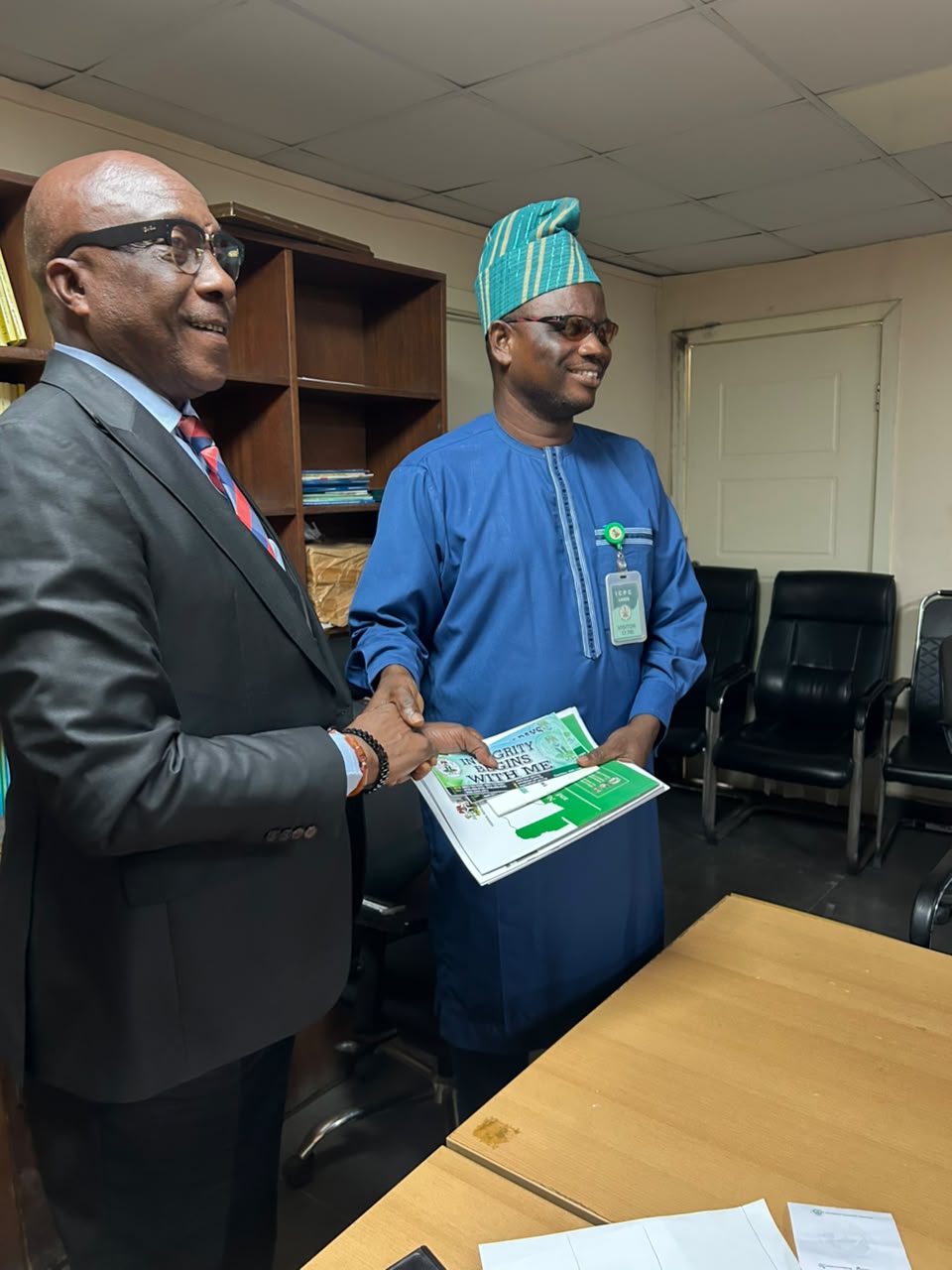
The partnership was sealed on Tuesday, September 15, 2026, when a seven-member MACI delegation, led by its National President, Mr Funso Olojo, paid a courtesy visit to the Resident Anti-Corruption Commissioner, Lagos Zonal Office, Mr Chukwurah Alexander, at the ICPC’s Lagos office.
Receiving the delegation, Alexander described the media as a critical partner in the ICPC’s public enlightenment and corruption-prevention mandate under Section 6 of the ICPC Act, 2000.
He commended MACI for its commitment to discouraging public participation in corrupt practices and expressed optimism that stronger collaboration between the media and the Commission would deepen public awareness and prevention efforts.
The meeting focused on developing a structured collaboration framework that would reposition the fight against corruption from a predominantly reactive approach to a more preventive and citizen-driven campaign.
Among the areas identified for collaboration are strengthening the strategic role of the media in anti-corruption advocacy and public reorientation, aligning media initiatives with the prevention-focused provisions of the ICPC mandate, and promoting global best practices in anti-corruption communication.
The stakeholders also discussed the need to distinguish between general information and actionable intelligence in investigative reporting, while promoting responsible reporting that can support legitimate anti-corruption investigations.
Other areas of proposed collaboration include continuous training and capacity building for journalists on anti-corruption reporting, development of a framework for data sharing between the ICPC and MACI to facilitate fact-based journalism, and the organisation of joint mobile and community-targeted sensitisation campaigns.
Speaking during the engagement, MACI National President, Olojo, reaffirmed the organisation’s determination to support the ICPC’s anti-corruption mandate through responsible and ethical journalism.
Olojo said citizens must be actively involved if Nigeria is to achieve the kind of society envisioned by its people.
“If we must achieve the Nigeria of our dream, the people must be actively involved,” he said.
He described the ICPC as a key coordinating institution within Nigeria’s anti-corruption architecture and pledged MACI’s continued commitment to using the media to promote integrity, accountability and responsible citizenship.
The MACI delegation comprised Olojo, LOD Onyeji, Tunde Ojudun, John Iwori, Abba Collins, Esther Komolafe and Ruth Sunday.
MACI is a non-governmental organisation committed to promoting ethical journalism, accountability and citizen participation in the fight against corruption.
Headlines
Ehingbeti summit seeks coastal resilience fund for Nigeria’s littoral communities
Funso OLOJO, Editor
Stakeholders at the 4th Ehingbeti Maritime Hub Summit have called for the establishment of a dedicated Coastal Resilience Fund to finance coastal protection, infrastructure development and livelihood-support programmes in communities threatened by environmental degradation and inadequate infrastructure.
The stakeholders said such a financing mechanism would provide a sustainable funding window for strengthening Nigeria’s coastal communities while enabling them to participate more actively in the emerging marine and blue economy.
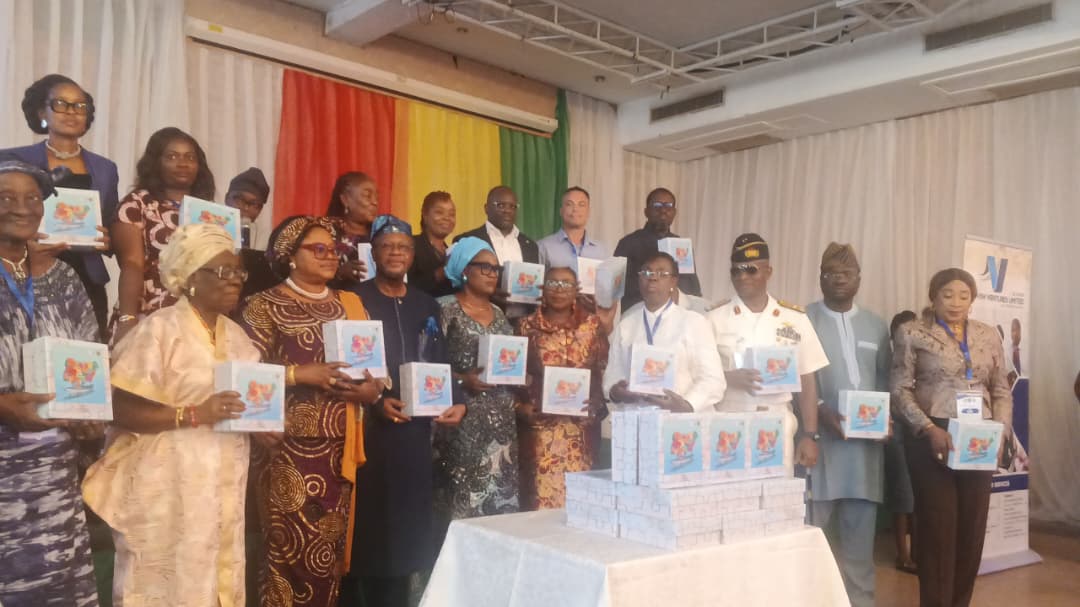
The call was made at the 4th Ehingbeti Maritime Hub Summit held Thursday at the Oriental Hotel, Victoria Island, Lagos, where experts, policymakers and industry players examined the legal, regulatory, security and investment frameworks required to unlock Nigeria’s blue economy potential.
Delivering the keynote address, President of the Maritime Arbitrators Association of Nigeria (MAAN), Chief Jean Chiazor Anishere, SAN, said Nigeria needed to move beyond policy declarations and develop practical financing mechanisms capable of addressing the infrastructure and environmental challenges confronting its coastal communities.
Anishere urged the Federal Government to leverage international financing opportunities, including climate funds, development finance institutions and multilateral organisations, to scale up investments in coastal resilience and community development.
She said sustained investment in coastal infrastructure would protect livelihoods, strengthen economic assets and create an enabling environment for coastal communities to benefit directly from the blue economy.
The Senior Advocate of Nigeria also stressed the importance of effective governance, saying Nigeria’s blue economy could only thrive where there was a predictable legal and institutional framework for investment, innovation and sustainable exploitation of marine resources.
She called for a regulatory regime that would provide certainty and security for investors while remaining flexible enough to encourage innovation, environmentally responsible enough to protect marine resources and inclusive enough to deliver benefits to coastal populations.
According to her, security, sustainability and governance would remain critical pillars of Nigeria’s blue economy development.
Anishere further advocated improved waste-management infrastructure, sustainable fishing practices, recycling education and environmental stewardship programmes targeted at coastal communities.
She also urged greater private-sector participation in blue tourism, resilient infrastructure and marine-based enterprises, stressing the need for appropriate incentives, streamlined regulations and public-private partnerships.
Representing Lagos State Governor, Mr Babajide Sanwo-Olu, the Permanent Secretary, Lagos State Ministry of Tourism, Arts and Culture, Mrs Bopo Oyekan-Ismaila, said the state was committed to an inclusive approach to blue economy development.
She noted that although the Ehingbeti initiative was historically associated with Lagos Island, the state’s blue economy agenda would extend to communities across Lagos.
Oyekan-Ismaila said Governor Sanwo-Olu had encouraged participants to collaborate in producing a communiqué that would provide practical recommendations for advancing the blue economy agenda of Lagos State.
The Convener of the Ehingbeti Maritime Hub and Founder of the Ocean Ambassadors Foundation, Hon. Olaitan Violet Williams, said the Hub was established in 2023 to reconnect Lagos with its rich maritime history.
According to her, Ehingbeti represents an important chapter in the evolution of Lagos from its early trading history to the modern-day Eko.
Williams identified inland waterways as one of the most immediate opportunities available to Nigeria under the blue economy agenda, but lamented that the country’s estimated 10,000 kilometres of waterways remained largely underutilised.
She called for increased investment and stronger legal protection for investors, arguing that Nigeria could not unlock the economic value of its waterways while large sections remained unnavigable.
The Chairman of the occasion and Chairman of the NIWA Governing Board, Alhaji Mukhtar Shehu Shagari, represented by a member of the Board, Capt. Tajudeen Alao, commended Williams for her commitment to the development of Nigeria’s marine and blue economy.
Shagari said coastal communities must remain at the centre of blue economy policies and called for an appropriate legal framework to accelerate the development of Nigeria’s littoral states.
Representing the Flag Officer Commanding, Western Naval Command, Rear Admiral Abubakar Mustapha, Rear Admiral N.C. Okon called for stronger maritime regulation and effective enforcement of existing laws.
Okon identified “sea blindness” as one of the factors limiting Nigeria’s ability to fully exploit its maritime potential.
He said effective collaboration among government agencies, coastal communities and development partners was essential to building a sustainable maritime economy.
According to him, Nigeria’s blue economy ambitions could not be sustained in an environment characterised by insecurity, environmental degradation, illicit maritime activities and regulatory uncertainty.
He reaffirmed the Nigerian Navy’s commitment to providing the secure maritime environment necessary for commerce, investment and the sustainable exploitation of the country’s marine resources.
Also speaking, Chairman of the Nigerian Council of Registered Insurance Brokers (NCRIB), Ekeoma Ezeibe, described insurance as a critical component of maritime and blue economy development.
She said adequate insurance protection was necessary to safeguard maritime assets, infrastructure and businesses against the wide range of risks associated with marine operations.
A major highlight of the summit was the launch of the 28 Inland Waterways Investment Jigsaw, an initiative designed to identify and showcase viable investment opportunities across Nigeria’s inland waterways and provide a structured pathway for increased private-sector participation.
The initiative is expected to support investment in water transportation and other marine-related businesses by drawing attention to specific opportunities across the country’s inland waterways.
The summit brought together government representatives, maritime professionals, security agencies, legal practitioners, insurers, traditional rulers, academics, private-sector operators and representatives of coastal communities.
Participants reaffirmed the need for stronger regulation, enhanced maritime security, sustainable financing, infrastructure investment and community inclusion if Nigeria is to translate its vast blue economy potential into sustainable economic growth and improved livelihoods.

 Customs3 months ago
Customs releases final recruitment list for ASC II, ends nearly one-year wait for applicants
- Headlines3 months ago
As NRC recovers ₦200m stolen railway assets, Opeifa vows diligent prosecution of suspects
- Customs3 months ago
Customs launches MIS file tracker at PTML in fresh digitalisation drive
- Customs2 months ago
Apapa Customs sets new record of monthly revenue haul with ₦323bn collection in July
- Customs2 months ago
Apapa Customs sets new single-day revenue record with ₦28.1bn collection
- Headlines1 month ago
Oyetola presents three-year score card as blue economy industry revenue hits ₦1.83trn